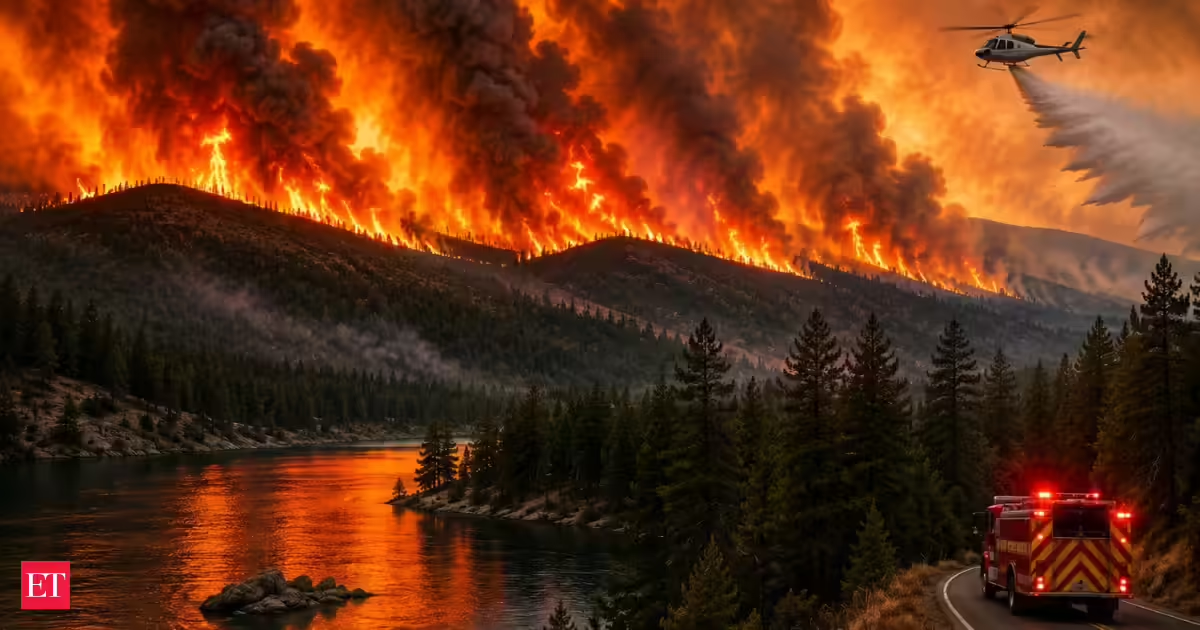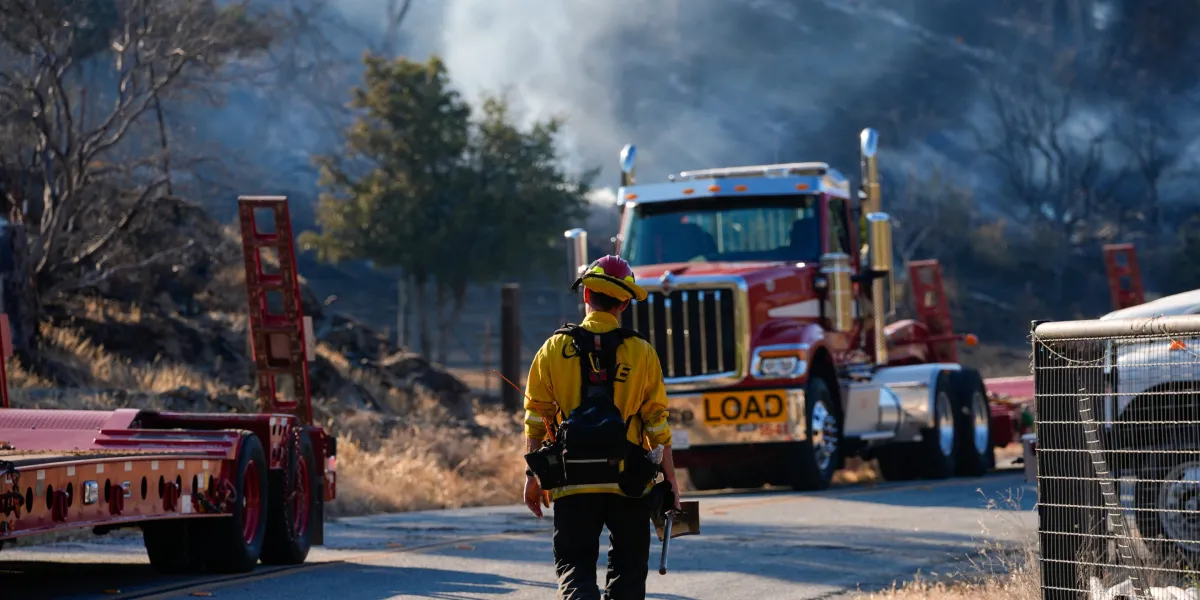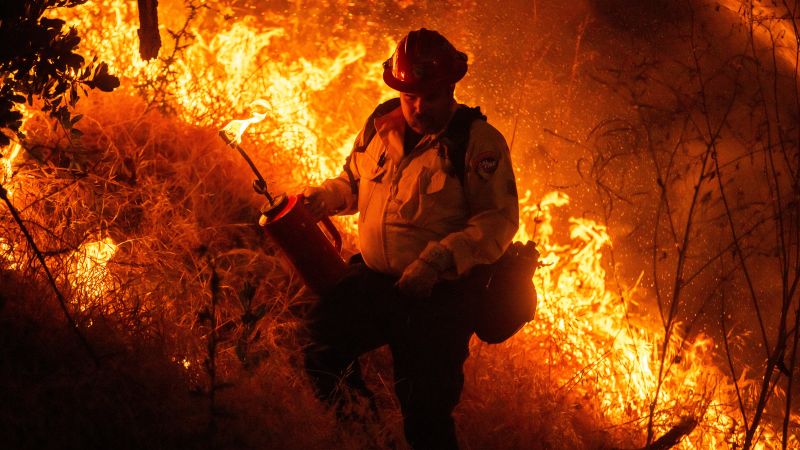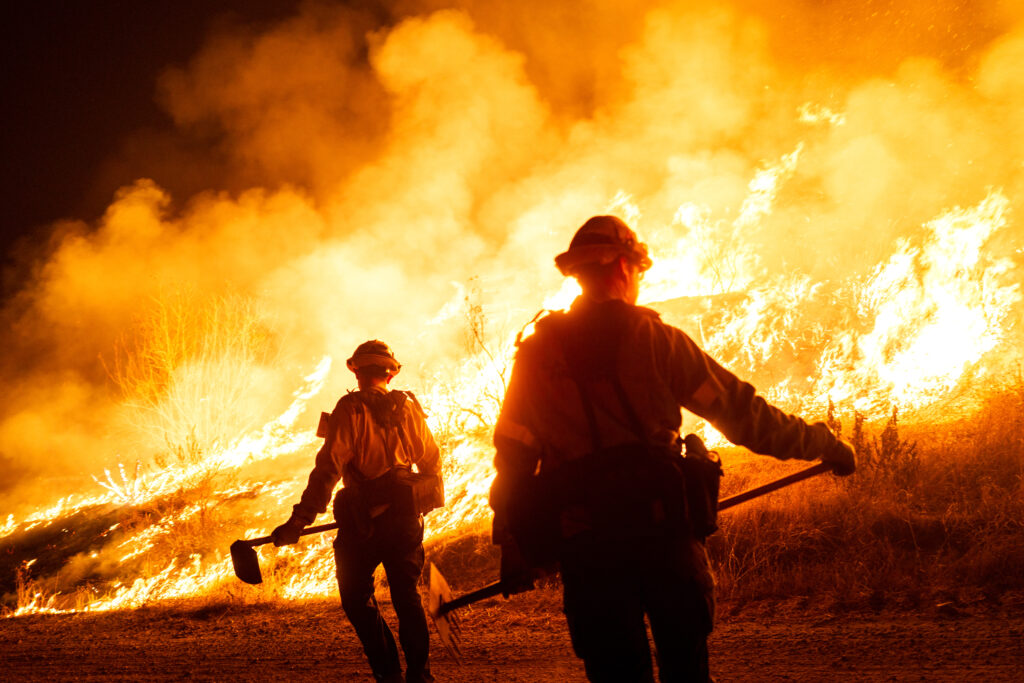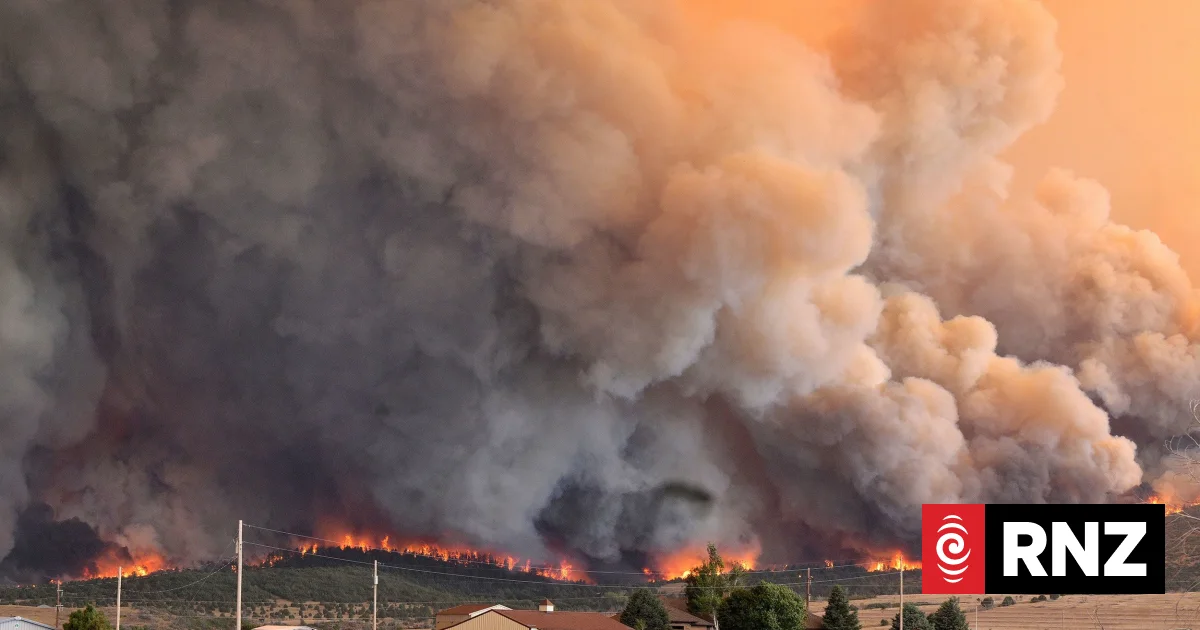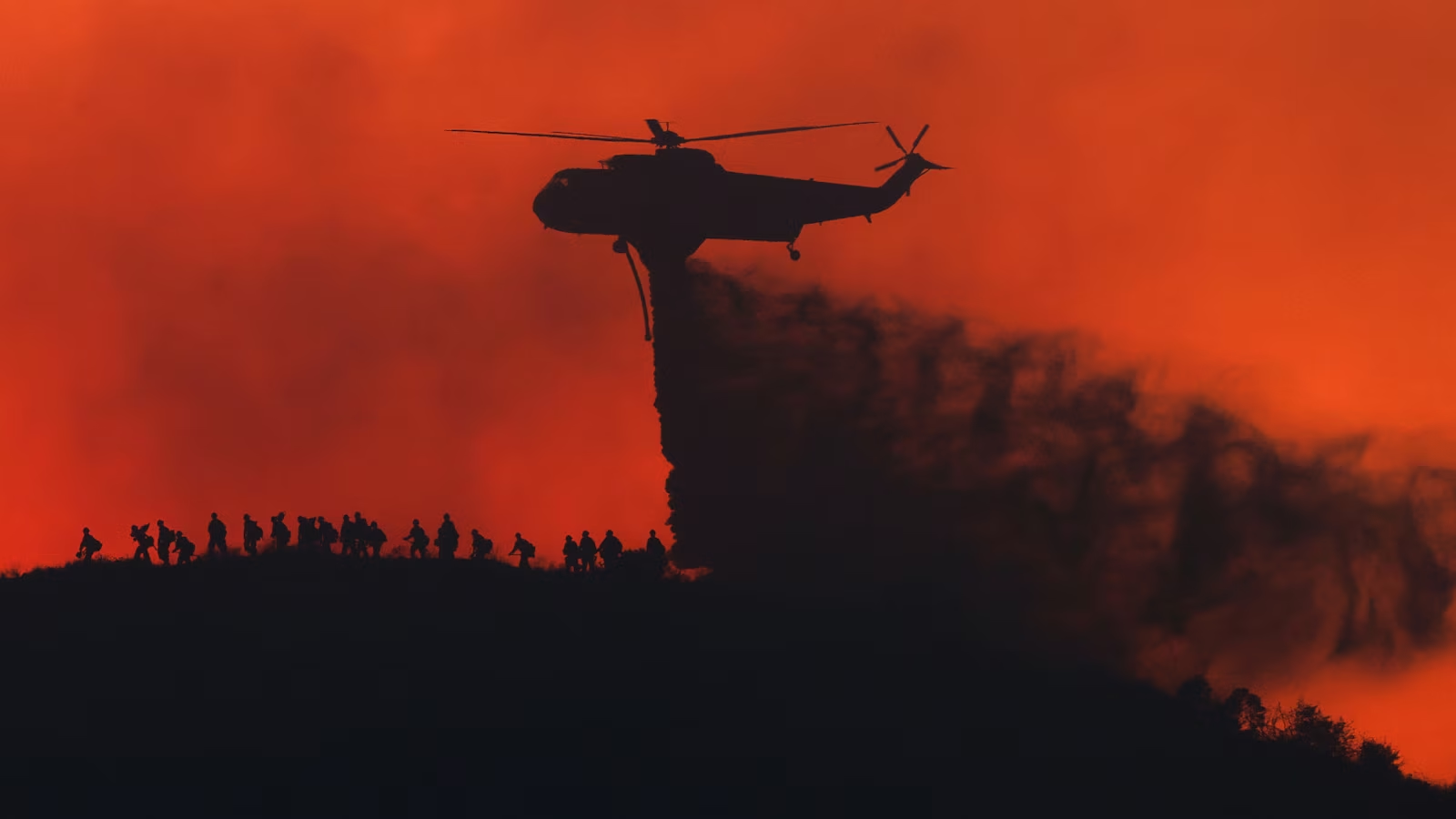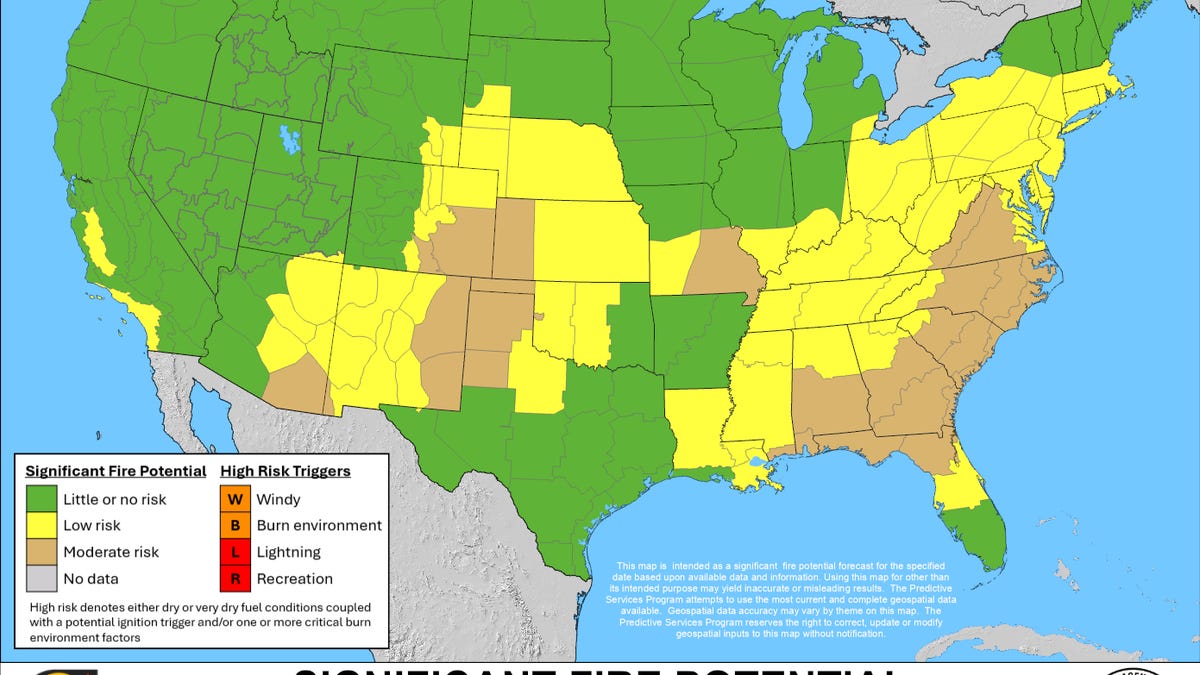
Well above-normal wildfire activity and expanding drought conditions across the nation are fueling concerns about increasing fire danger in the weeks to come.
The landscape is "primed for fire," the National Interagency Fire Center said in a recent update. The number of acres burned so far this year – 1,631,840 – is more than twice the 10-year average year-to-date. As of April 2, at least 17,568 wildfires have been reported, compared to an average of about 10,789.
Extreme heat and dry conditions have left dead or dried grass and other ready-to-burn plant material across tens of millions of acres, able to support rapid, wind-driven fires, the fire center wrote in one update. Large fires have burned in Florida, North Carolina and Nebraska. One Nebraska fire became the largest in state history after burning along 70 miles, according to NASA.
In the northern Plains, a "lack of snowfall and warmer temperatures dating back to October have put us in a precarious position," said Gannon Rush, climatologist at the High Plains Regional Climate Center at the University of Nebraska-Lincoln. "We're now in a situation where we are heavily reliant on having a wet spring. If that doesn't happen, then it could be a rough year."