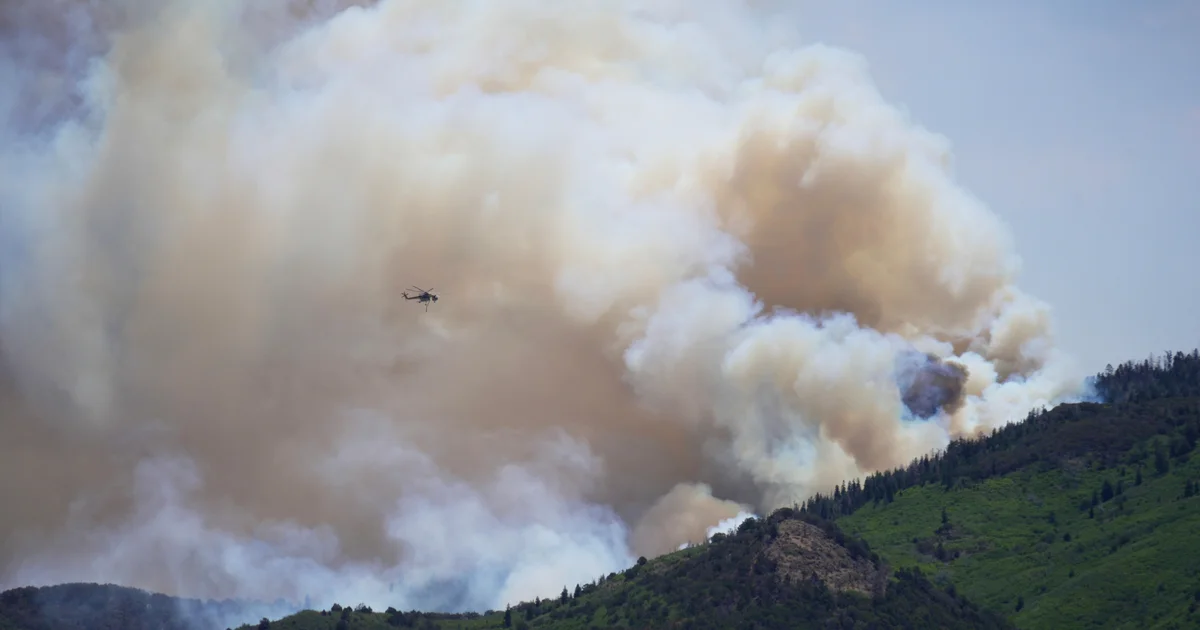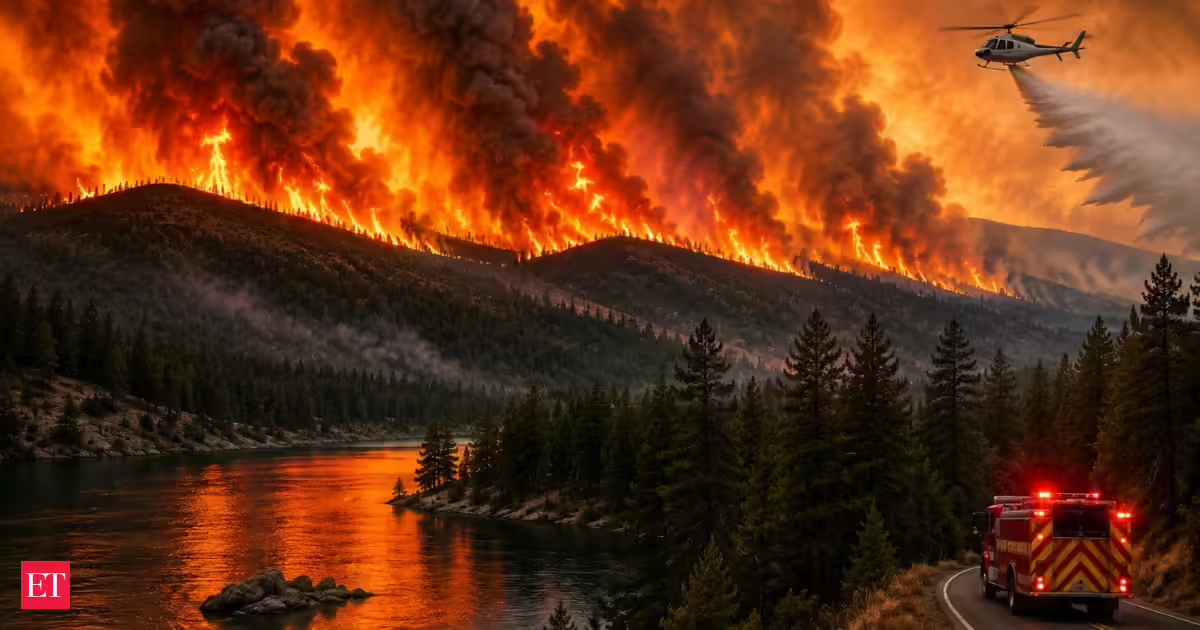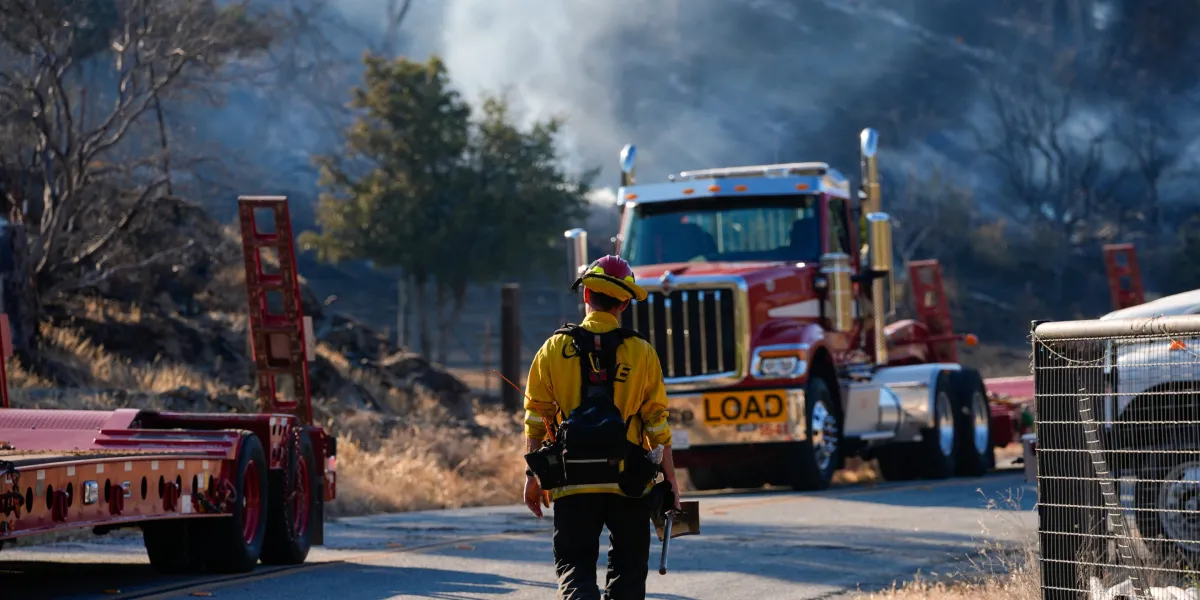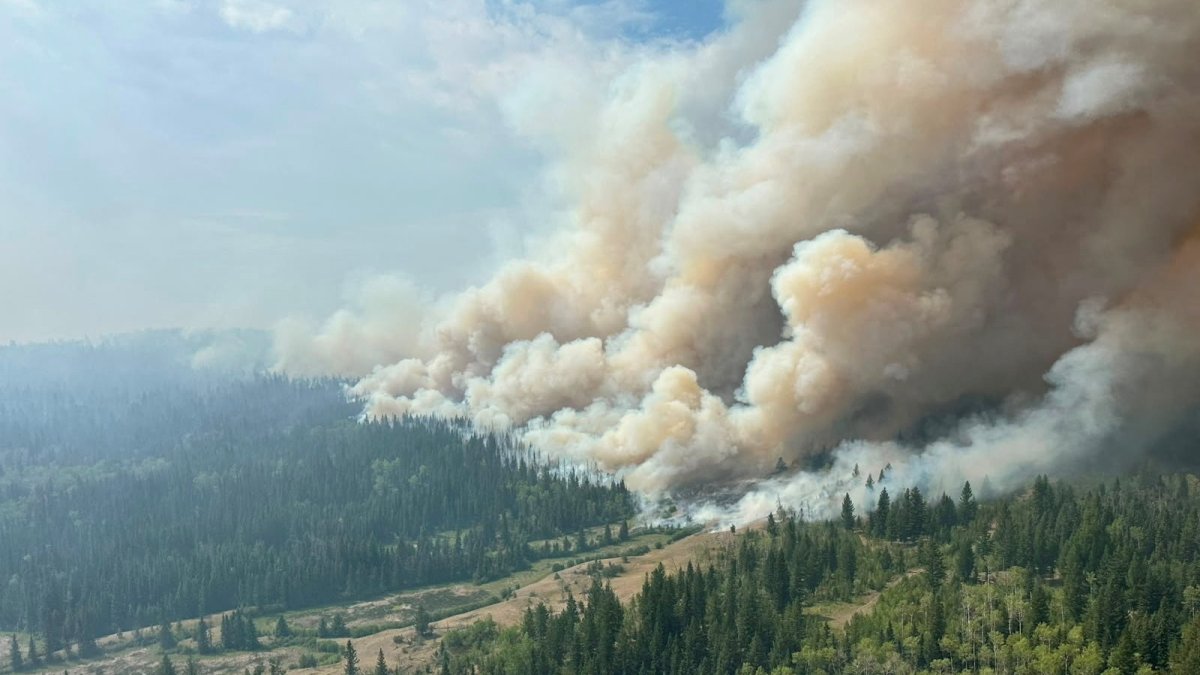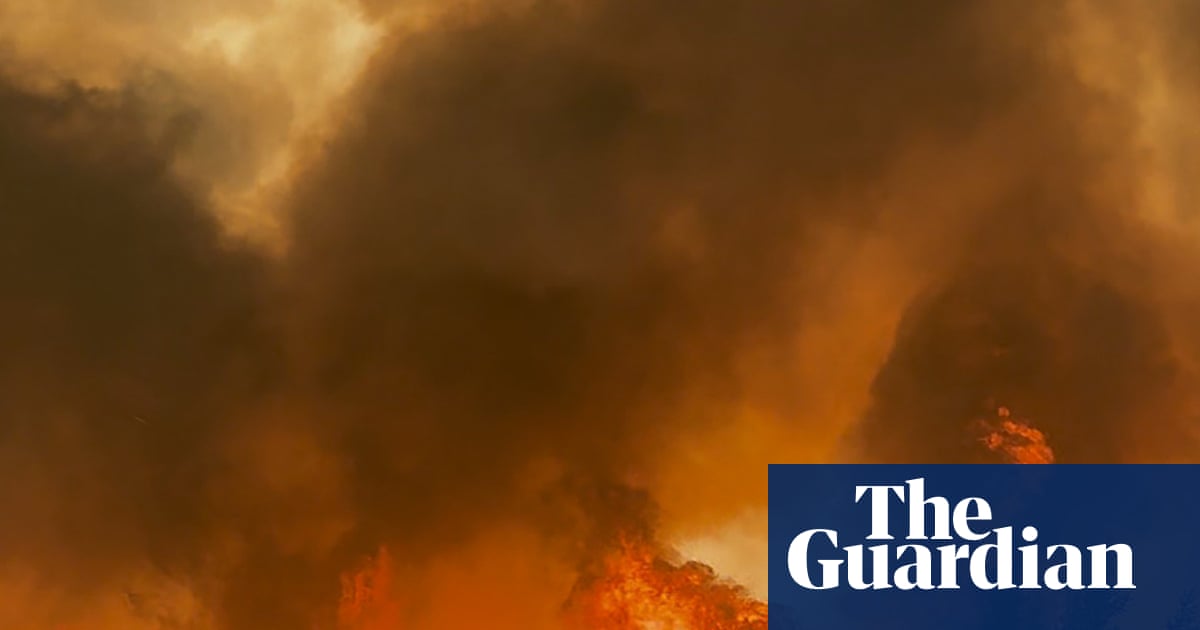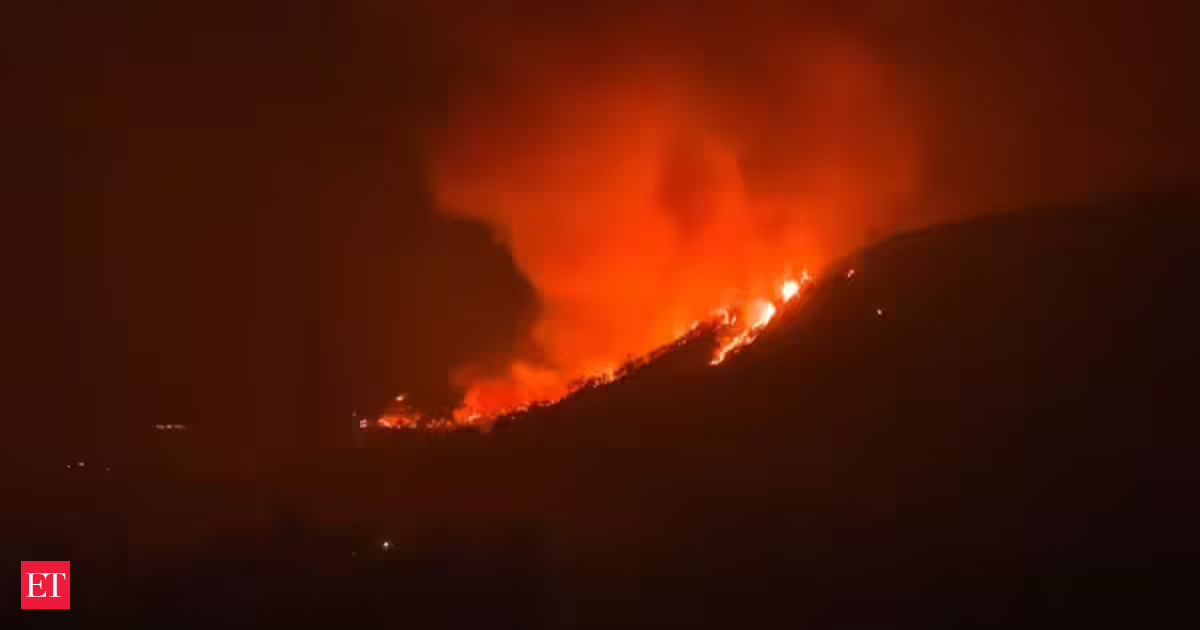
The 2026 wildfire season is already shaping up to be one of the most severe in recent years. According to the US National Interagency Fire Center (NIFC), nearly 3.9 million acres had burned across the United States as of July 19. In Canada, more than 800 wildfires were active by mid-July, while the Canadian Interagency Forest Fire Centre (CIFFC) warned that above-average fire conditions are likely to persist through the rest of the season, particularly in British Columbia, Alberta and the Northwest Territories. Reuters reported that smoke from the Canadian wildfires also triggered air quality alerts across several US states.Scientists say these increasingly destructive fire seasons are being amplified by climate change. According to the World Meteorological Organization's (WMO) Global Annual to Decadal Climate Update 2026–2035, global temperatures are likely to remain at or near record highs over the coming years, increasing the likelihood of extreme weather events such as heatwaves and droughts that create favourable conditions for wildfires.How climate change fuels wildfiresClimate change does not directly ignite wildfires, but it creates the conditions that make them more frequent and more destructive. According to the WMO's State of the Global Climate report, rising temperatures increase evaporation, reduce soil moisture and dry out vegetation, making forests and grasslands far more combustible. Scientists say these changes are also extending wildfire seasons in many parts of the world.Also Read: Why are wildfires becoming more frequent across North America? Causes explainedThe WMO's Global Annual to Decadal Climate Update also projects that continued warming will increase the probability of extreme weather events that favour wildfire development.Why rising temperatures increase fire riskHigher temperatures pull moisture from trees, shrubs and grass, leaving behind dry vegetation that acts as fuel. According to Reuters, heatwaves across southern Europe in 2026 have significantly increased wildfire danger.Spain offers a recent example. Reuters reported that the country battled its largest wildfire of the year even as another heatwave pushed temperatures towards 44 degrees Celsius, with authorities warning that hot winds, low humidity and dry thunderstorms could further worsen fire conditions.The link between drought and wildfiresDrought is one of the biggest contributors to wildfire risk because prolonged rainfall deficits dry out forests and grasslands. According to the WMO's European State of the Climate 2025 report, Europe has experienced recurring combinations of drought, extreme heat and declining river flows, increasing pressure on ecosystems and contributing to more severe wildfire seasons.The report notes that such compound climate events are becoming more common as the planet continues to warm.How wildfires impact people and wildlifeWildfires destroy homes, infrastructure and agricultural land while forcing thousands of people to evacuate. According to Reuters, smoke from major wildfires has reduced air quality across large parts of North America, exposing millions of people to unhealthy air.The WMO's State of the Global Climate report says wildfires also destroy habitats, threaten biodiversity and release significant amounts of carbon dioxide into the atmosphere, creating a feedback loop that contributes to further global warming.Can climate action reduce wildfire risk?According to the WMO's Global Annual to Decadal Climate Update 2026–2035, reducing greenhouse gas emissions is critical to limiting the long-term increase in wildfire risk. While climate action cannot eliminate wildfires altogether, slowing global warming can reduce the frequency of the extreme heat and drought conditions that make fires more likely.The WMO also recommends stronger climate monitoring, improved forest management, early-warning systems and better disaster preparedness to reduce the impact of increasingly severe wildfire seasons, while Reuters notes that adaptation measures remain critical as countries continue to face worsening climate extremes.
How climate change is making wildfires more frequent
Climate change and wildfires explained: Global temperatures are projected to remain at record highs, increasing extreme weather events. Rising temperatures and drought conditions create favorable environments for more frequent wildfires. These fires destroy habitats and release carbon dioxide, contributing to further warming. Reducing greenhouse gas emissions is critical to limiting long-term wildfire risk. Improved forest management and disaster preparedness can mitigate impacts.
584 words~3 min read