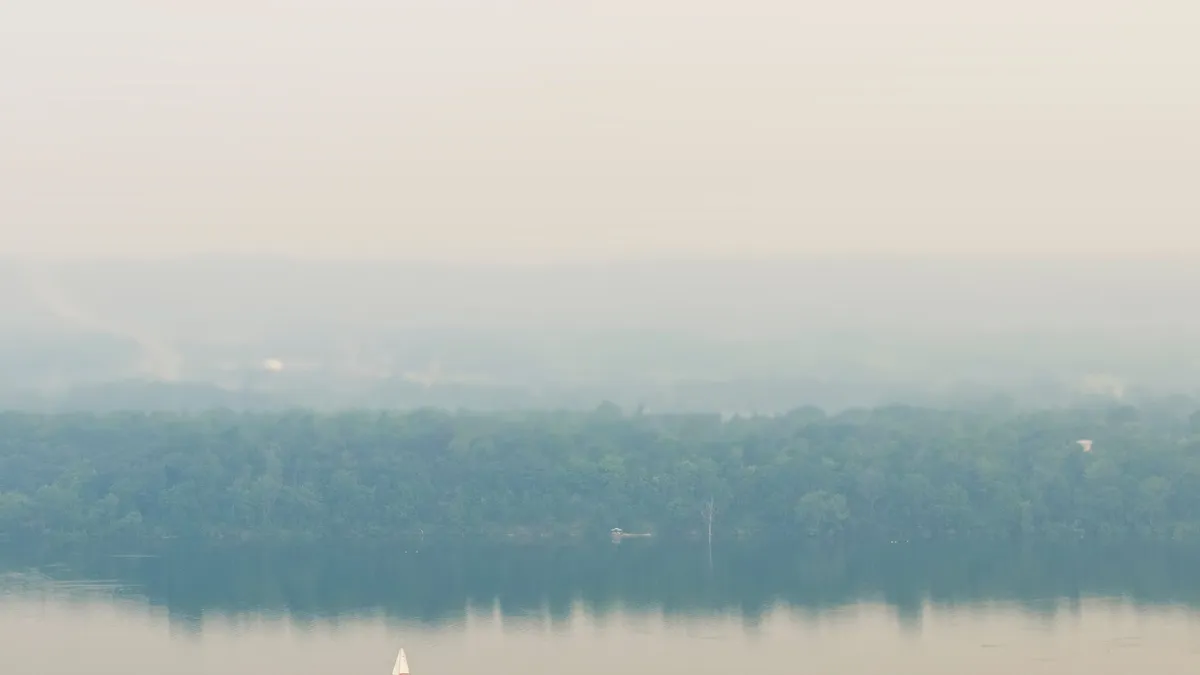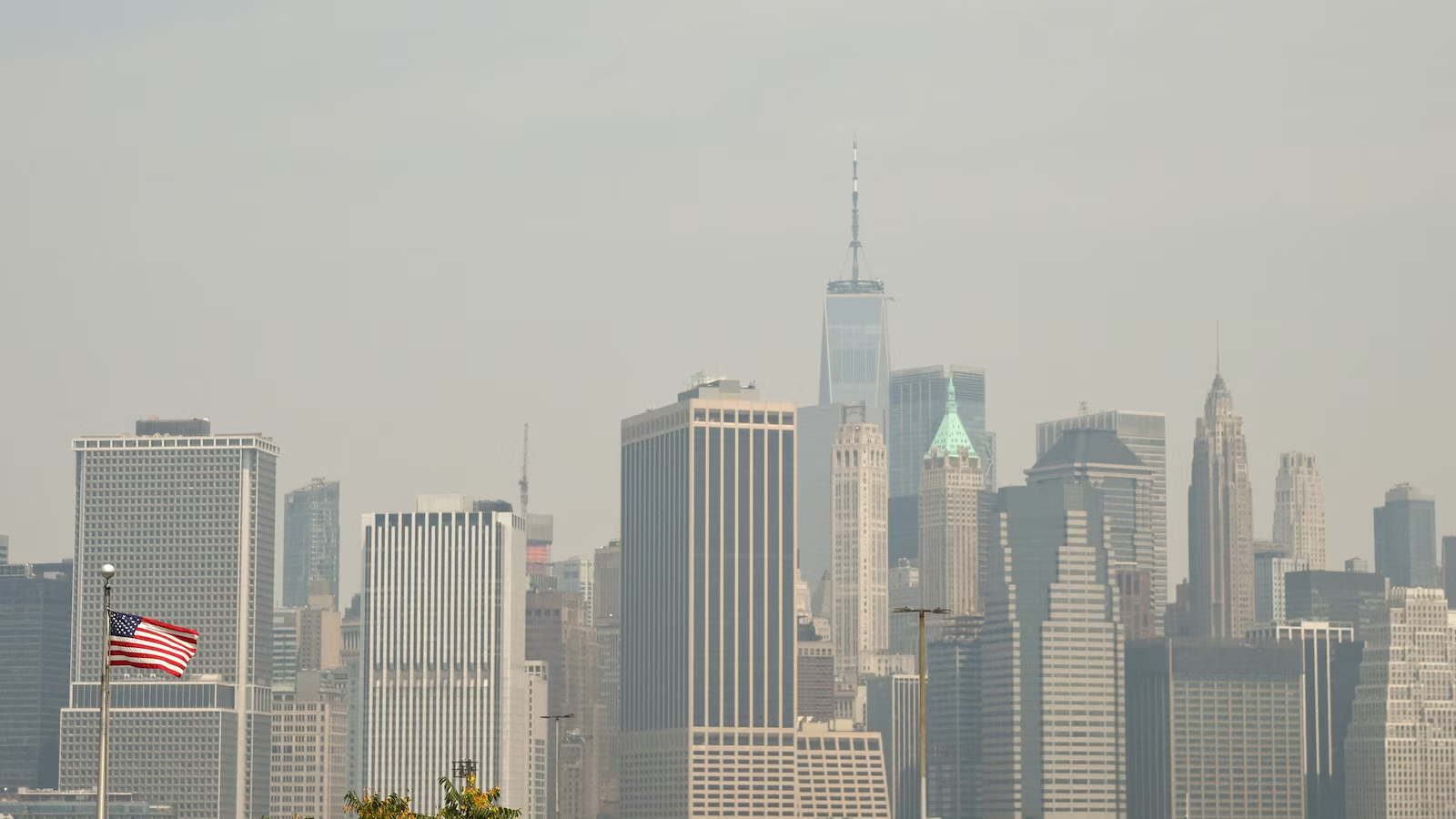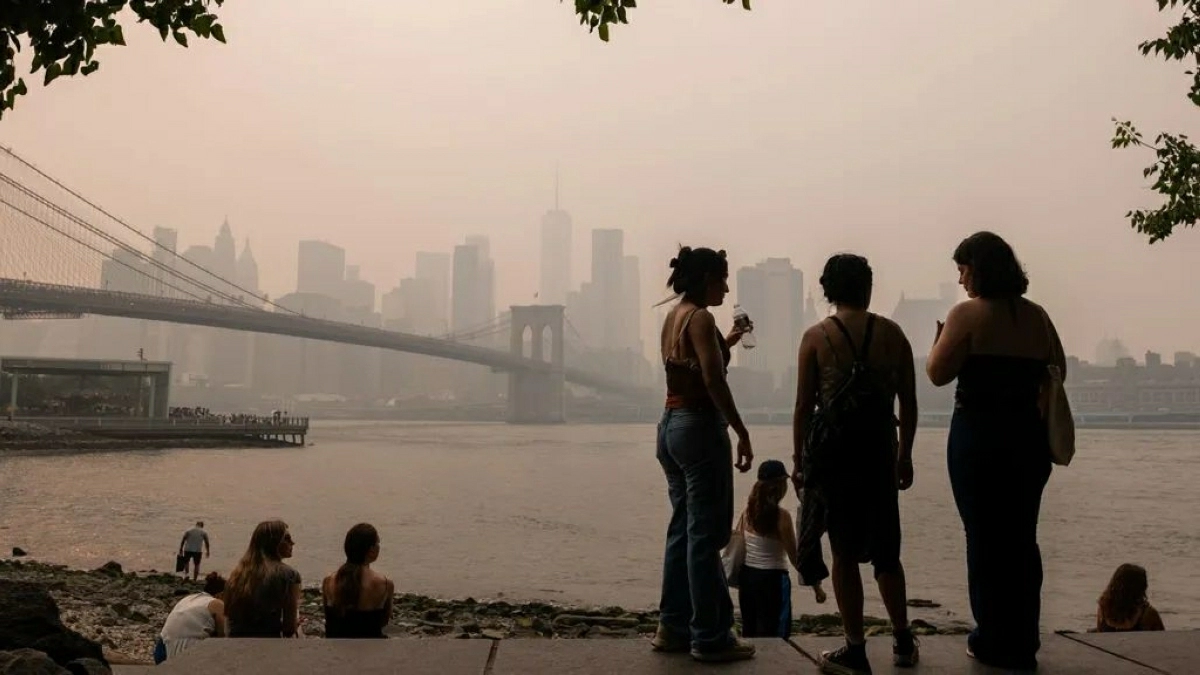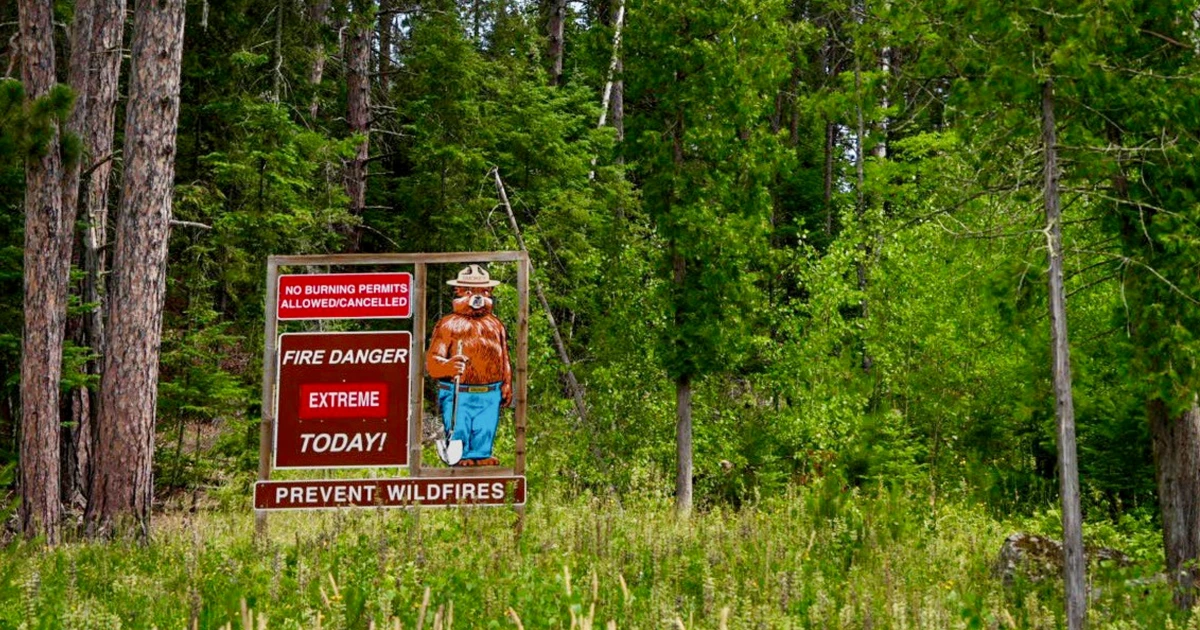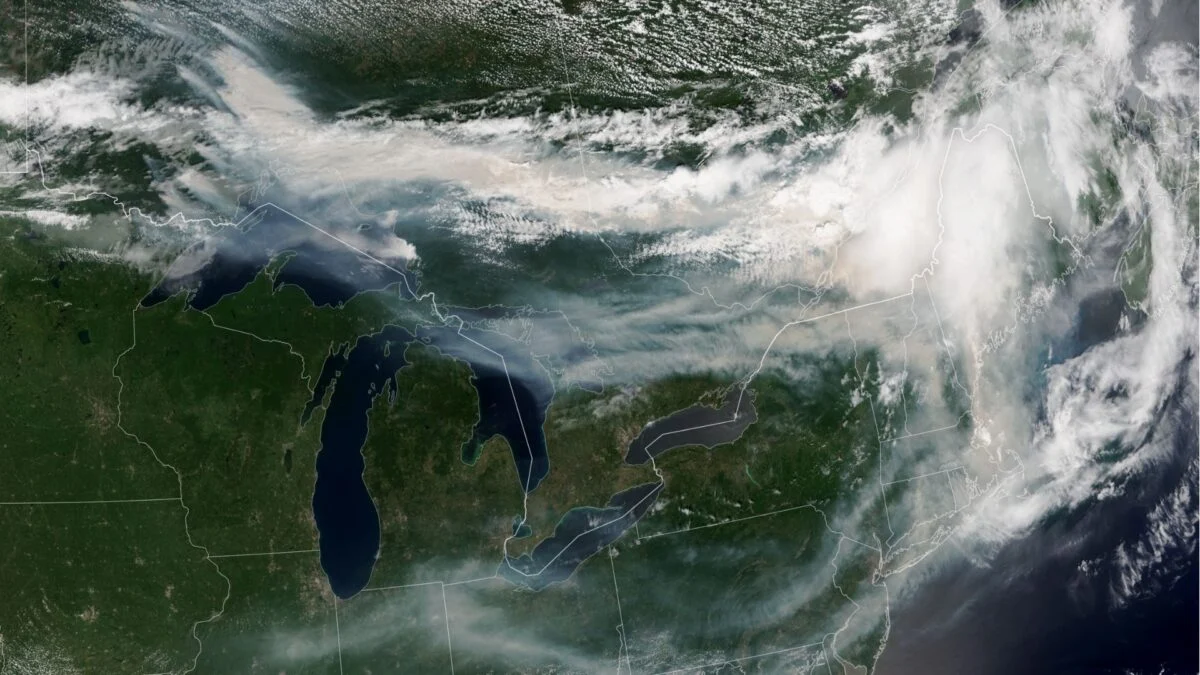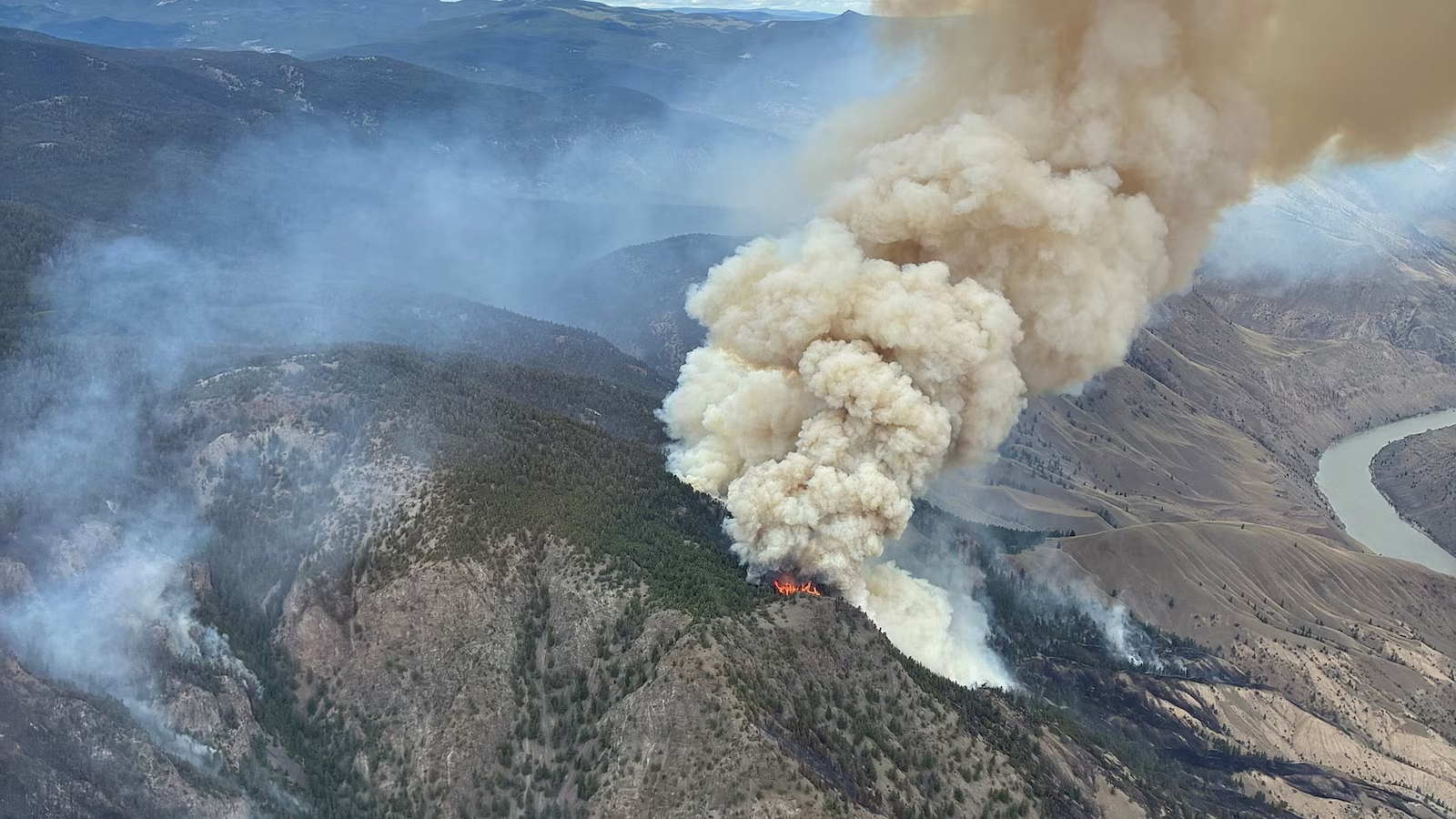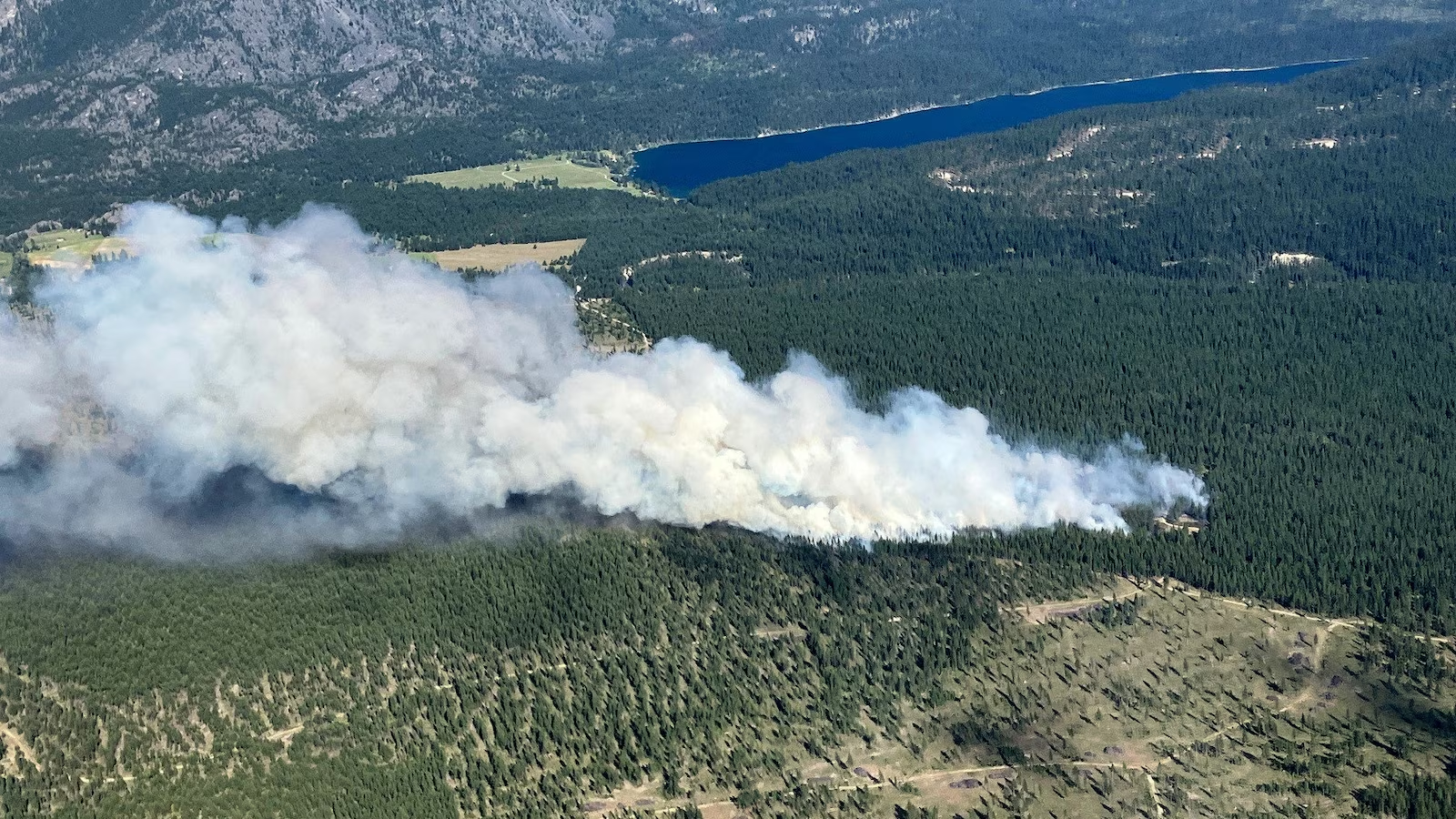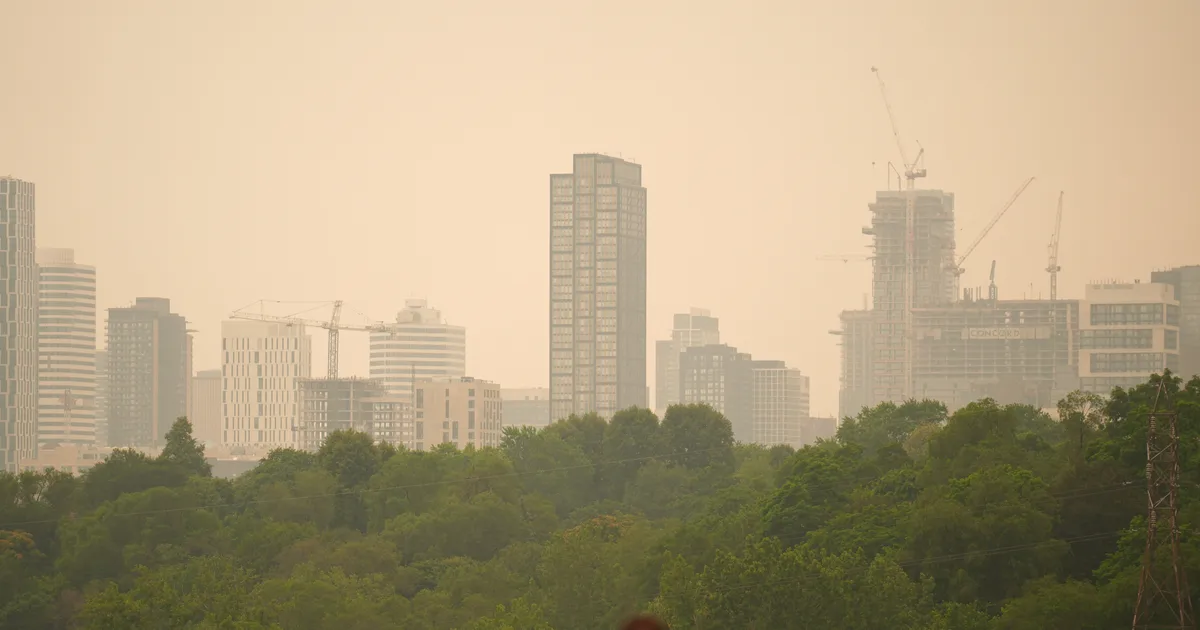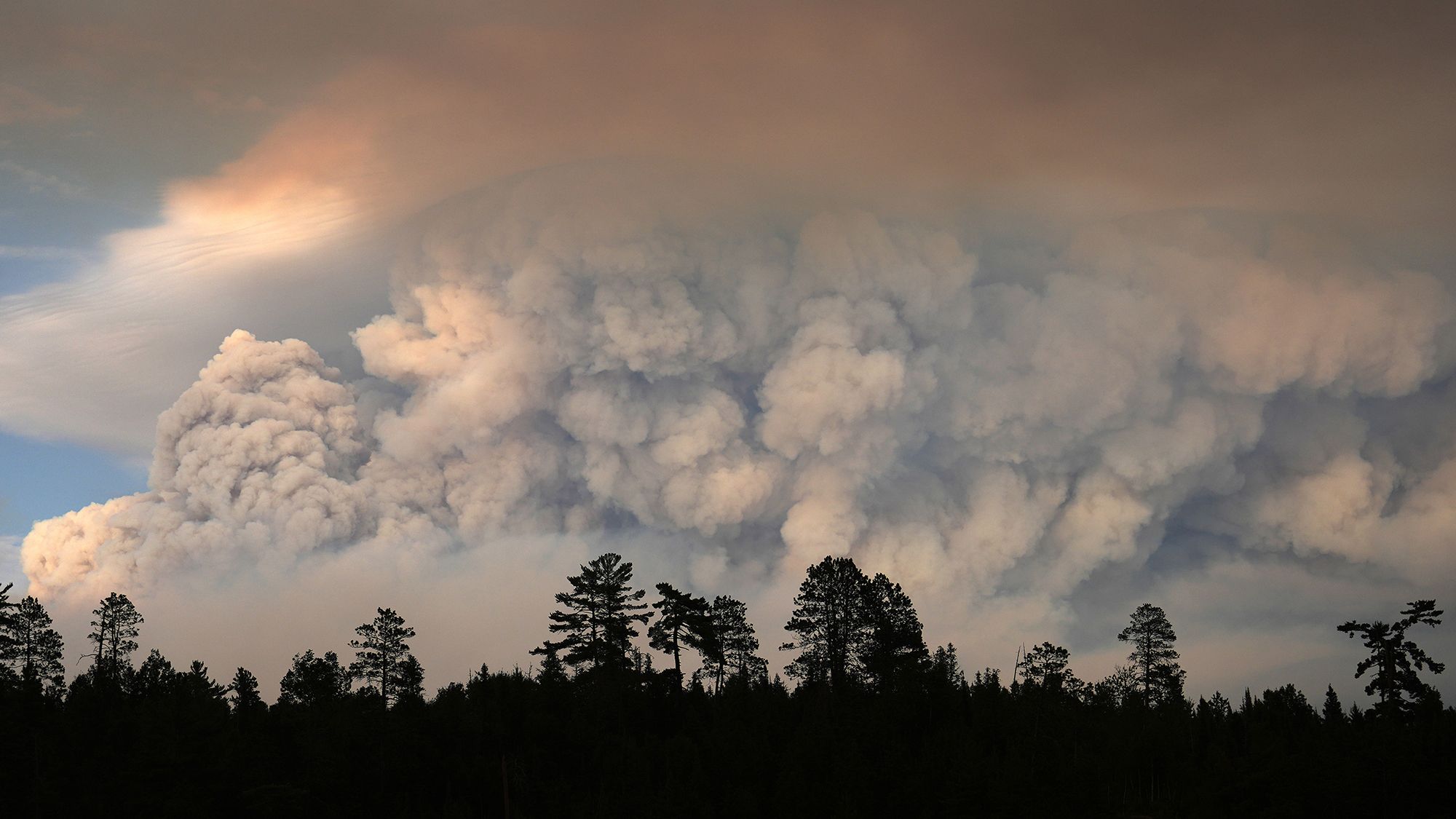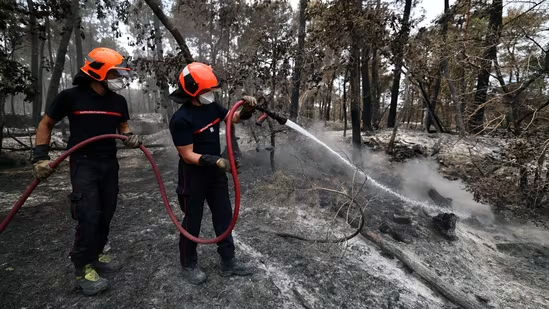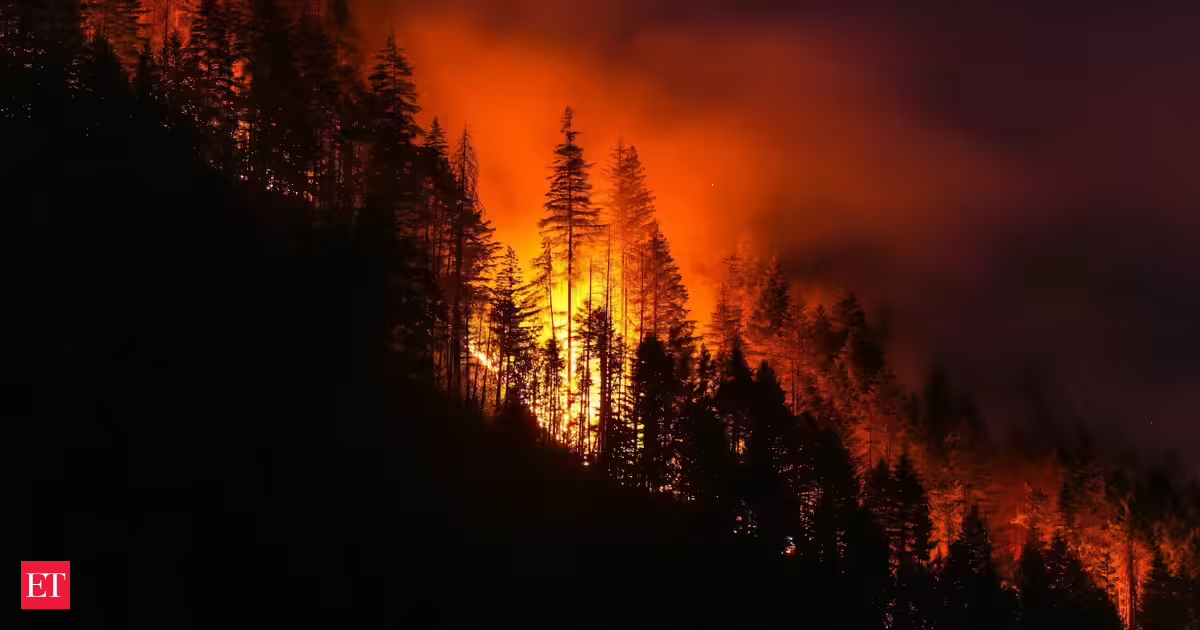
More than 830 wildfires are burning across Canada, with over 100 classified as out of control, sending thick smoke across parts of Canada and the United States. Air quality alerts remain in effect for millions of people across the Midwest and Northeast through the end of the week, with officials warning that smoke could reach unhealthy levels in several major cities. Although Canada's 2026 wildfire season has been less severe than the record-breaking seasons of 2023 and 2025, authorities expect fire danger to increase as summer progresses. Cities and areas affected by Candian wildfires Many of the active wildfires are concentrated in northwestern Ontario. The affected locations include: Armstrong Collins First Nation (Namaygoosisagagun First Nation) Cushing Lake Gakijiwanong Anishinaabe Nation (Lac La Croix First Nation) Gull Bay First Nation (Kiashke Zaaging Anishinaabek) Ignace Lac des Mille Lacs First Nation McDowell Lake area Pickle Lake Quetico Provincial Park Thunder Bay, which is serving as an evacuation hub Upsala Wabakimi Provincial Park Whitesand First Nation Click link to check the latest updates on Canadian wildfiresCities affected by smoke from Canadian wildfires Smoke from the northwestern Ontario wildfires has spread across the Great Lakes and into parts of Canada and the northeastern United States. Air quality has been affected in: Alma, Quebec Boston, Massachusetts Duluth, Minnesota Grand Marais, Minnesota Greater Sudbury, Ontario Hancock, Michigan Kingston, Ontario Marquette, Michigan Montreal, Quebec Owen Sound, Ontario Peterborough, Ontario Sault Ste. Marie, Ontario Springfield, Massachusetts Toronto, Ontario Forecasts indicate the densest smoke could extend as far south as Washington, D.C., by Thursday afternoon. Where are the Canada wildfires? According to AccuWeather and Canadian wildfire maps, many of the fires affecting air quality are burning in Ontario, particularly the northwestern part of the province, as well as in neighbouring Minnesota and surrounding regions. Smoke from these fires has drifted across the Great Lakes and is forecast to continue moving toward New Jersey and other parts of the Northeast. When will air quality improve? Air quality conditions are expected to improve gradually as wildfire smoke shifts and disperses. Some areas across the Midwest and Great Lakes could begin seeing relief by Friday. However, smoke may continue affecting parts of the Northeast through Friday and Saturday. Communities closer to the Canadian fires could continue experiencing poor air quality into the weekend if the fires remain active and winds continue transporting smoke southward. Health officials advise precautions Heavy wildfire smoke contains fine particulate matter that can be harmful, particularly for children, older adults and people with heart or lung conditions. Exposure may cause shortness of breath, coughing, dizziness, fatigue and can aggravate existing health conditions. Officials have advised residents to remain indoors where possible, especially as high temperatures coincide with poor air quality. Those who need to go outside are encouraged to wear an N95 mask and improve indoor air quality by keeping windows closed and using air purifiers or air conditioning. National Weather Service meteorologist Tyler Hasenstein said the combination of wildfire smoke and extreme heat poses increased health risks. Minnesota wilderness evacuated as fires spread Authorities have closed the Boundary Waters Canoe Area Wilderness in northeastern Minnesota after about 17 lightning-caused wildfires broke out across the region. Officials estimated that between 6,000 and 10,000 campers remained inside the 1.1-million-acre wilderness when the closure was announced. Rangers have been working to evacuate visitors, many of whom must canoe for hours or carry boats over land to leave the area. Minnesota Governor Tim Walz said the Canadian Air Force rescued two groups of youth campers who had crossed the border and were reported safe. State officials added that some fires in the Boundary Waters will be allowed to burn while being closely monitored to ensure they do not threaten lives or property. Why Canada is experiencing widespread wildfires Experts say Canada's vast boreal forests provide abundant fuel for wildfires, while prolonged drought and higher temperatures have created dry conditions that allow fires to spread rapidly. Dan Westervelt, associate professor at Columbia University's Climate School, said severe drought combined with heat has created "a perfect storm" for wildfires. Research also indicates that rising temperatures associated with the burning of coal, oil and gas are making wildfires more frequent and intense. US wildfire season also remains active The United States is also facing an active wildfire season, with about four dozen large fires burning across 15 states, including Minnesota, North Carolina, Colorado, Utah, Idaho, Oregon and California. According to the National Interagency Fire Center, more than 16,800 personnel are battling the fires, which have burned over 5,678 square miles, an area larger than Yellowstone and Grand Canyon national parks combined, as per a Reuters report. Officials warn fires could burn for months Minnesota officials have warned that some of the state's largest fires could continue burning for months. State Department of Natural Resources Director Patty Thielen said significant fires could persist throughout the summer until snowfall helps extinguish them. Authorities in Michigan and Wisconsin have also warned residents about poor air quality that could last for several days, while residents in parts of Maine reported hazy yellow and brown skies as smoke continued to spread across the region.(With inputs from Agencies)
Where are the Canadian wildfires currently? Check affected Canada and US cities, smoke forecast and latest updates
Over 830 wildfires burn across Canada, with many classified as out of control. Thick smoke blankets parts of Canada and the United States, affecting air quality. Officials warn of unhealthy air levels in several major cities through the week. Minnesota's Boundary Waters Canoe Area Wilderness faces evacuations due to lightning-caused fires. Experts cite drought and heat as reasons for the widespread and intense wildfire season.
858 words~4 min read