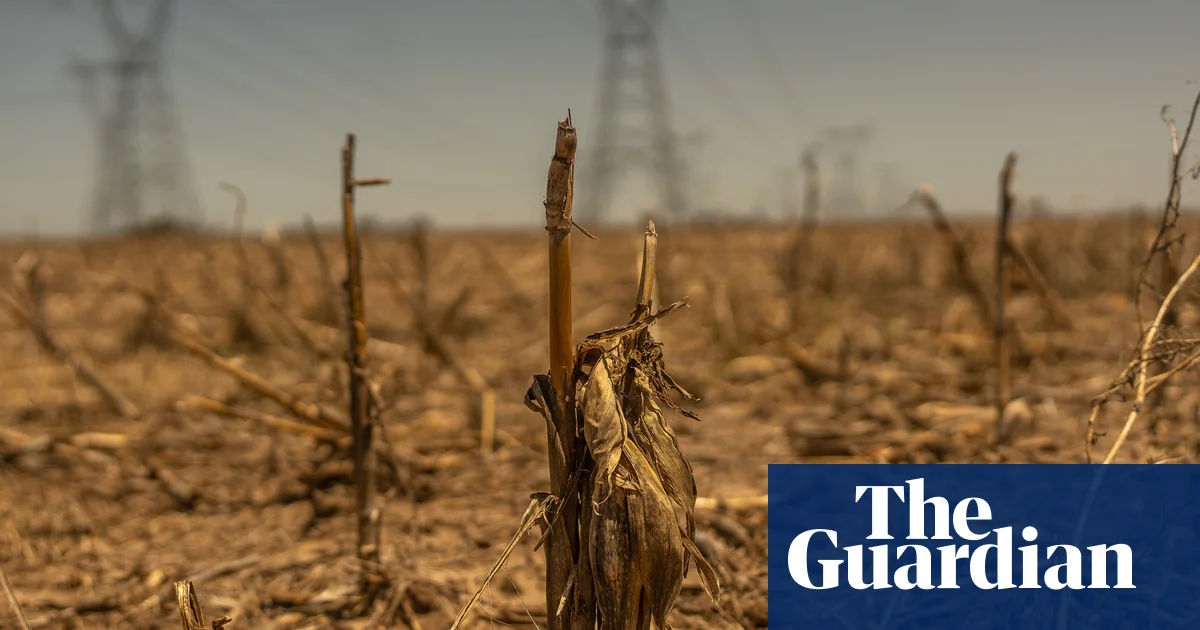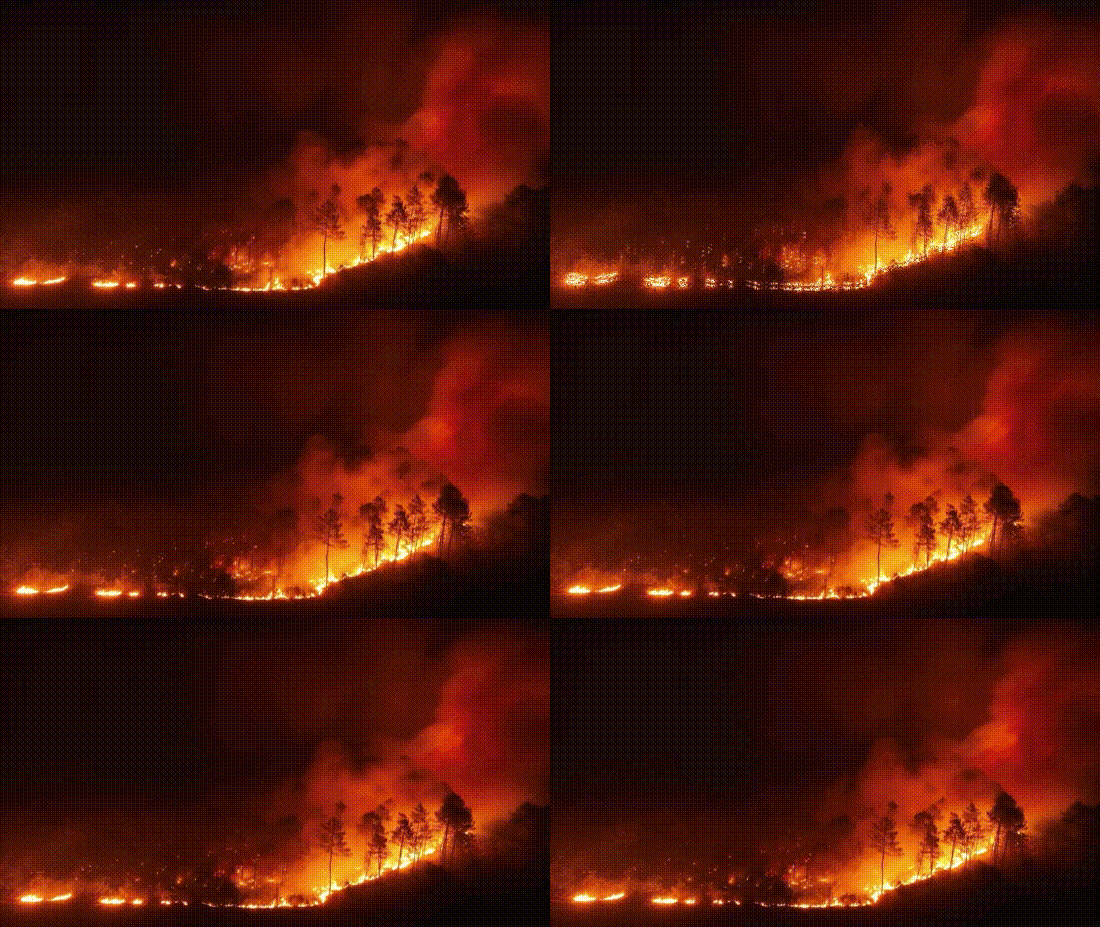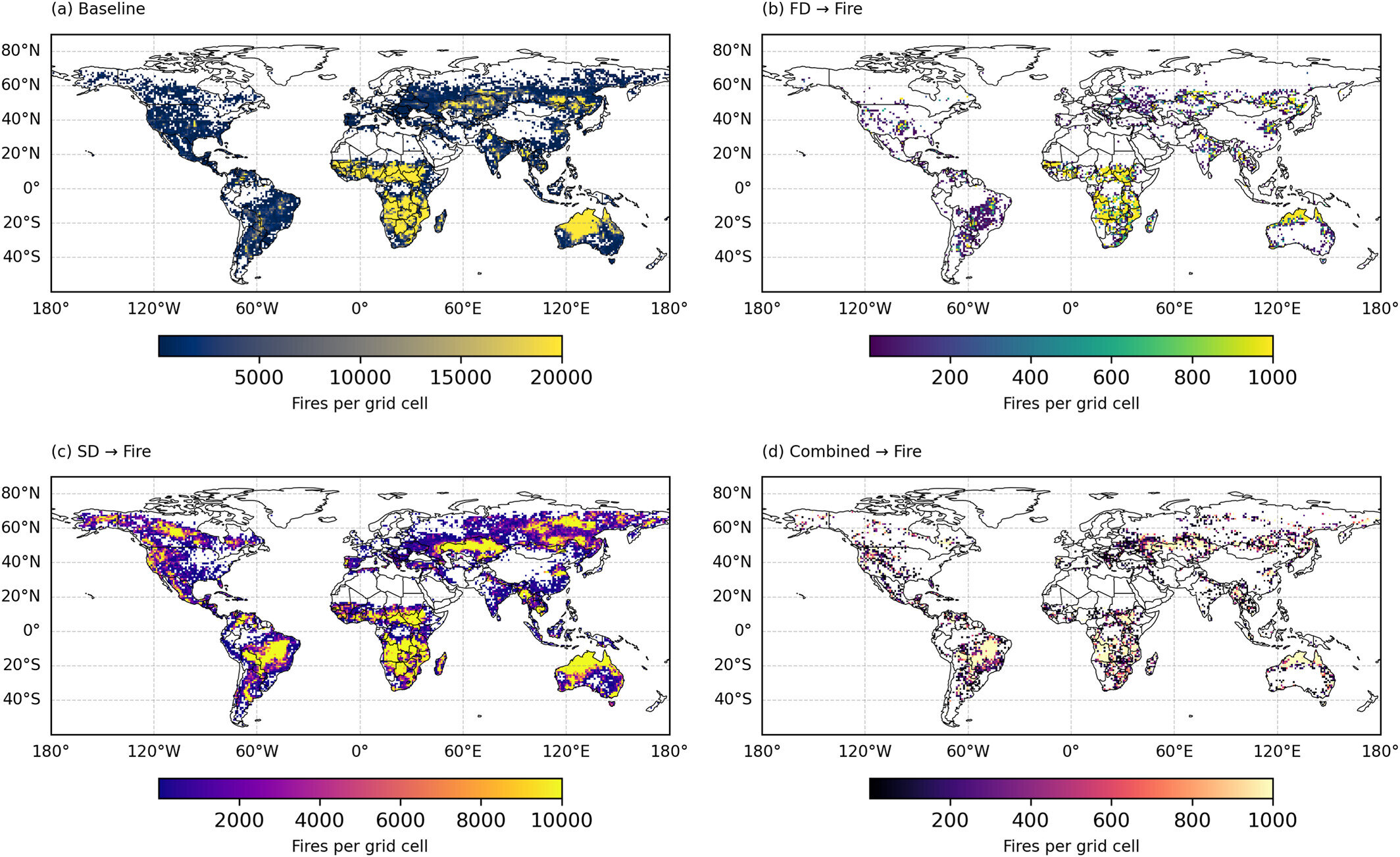
Global spatial distribution of fire occurrences (number of fires per 1° × 1° grid cell) associated with different drought types (a) Baseline; (b) Flash Drought (FD) leading to fires; (c) Standard Drought (SD) leading to fires and (d) Fires occurring under combined conditions, with regions affected by both flash drought and standard drought. Credit: Geophysical Research Letters (2026). DOI: 10.1029/2026gl123991
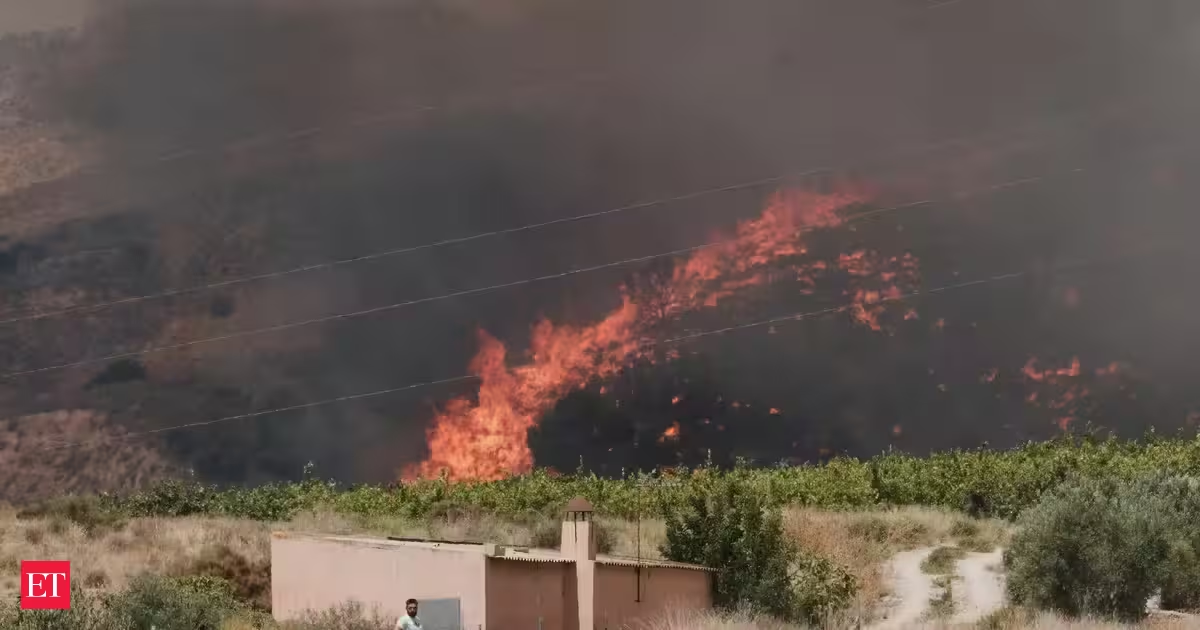
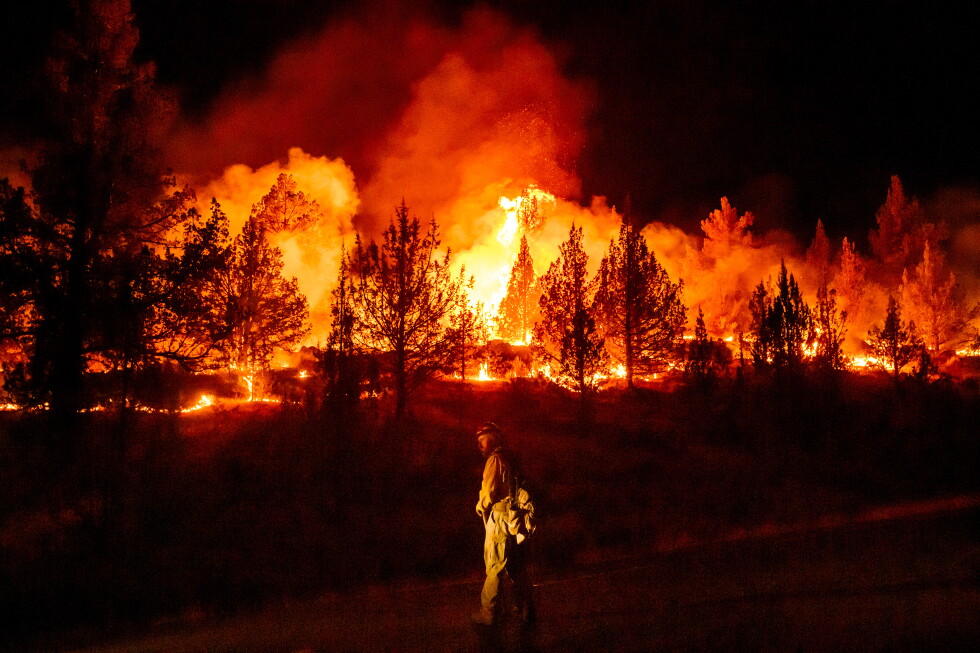
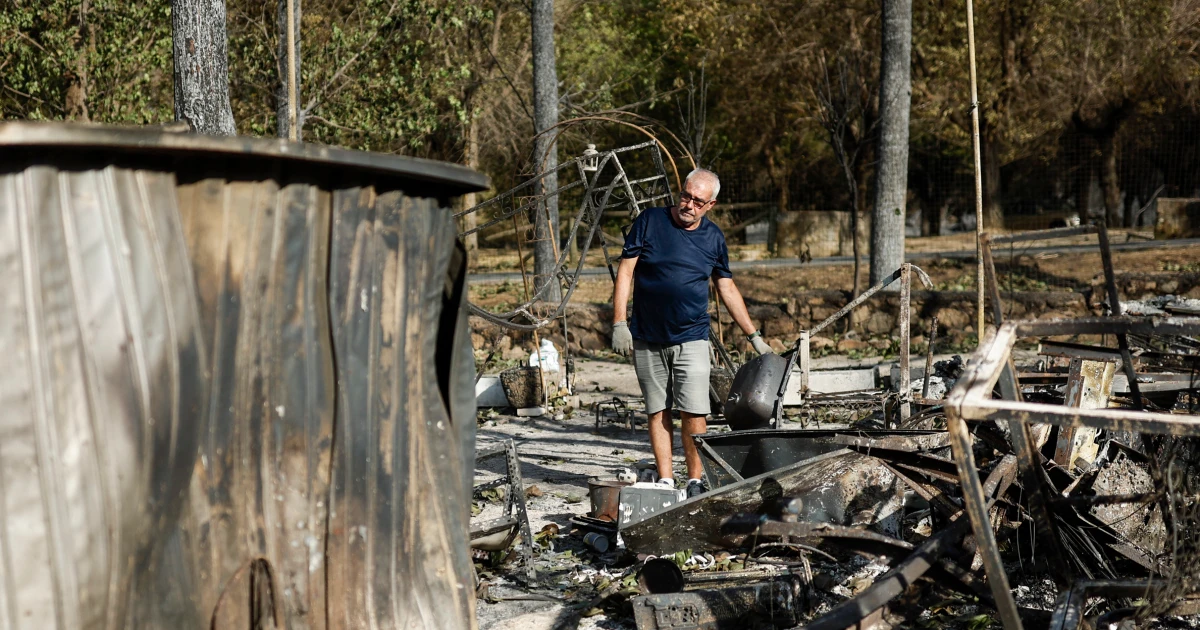
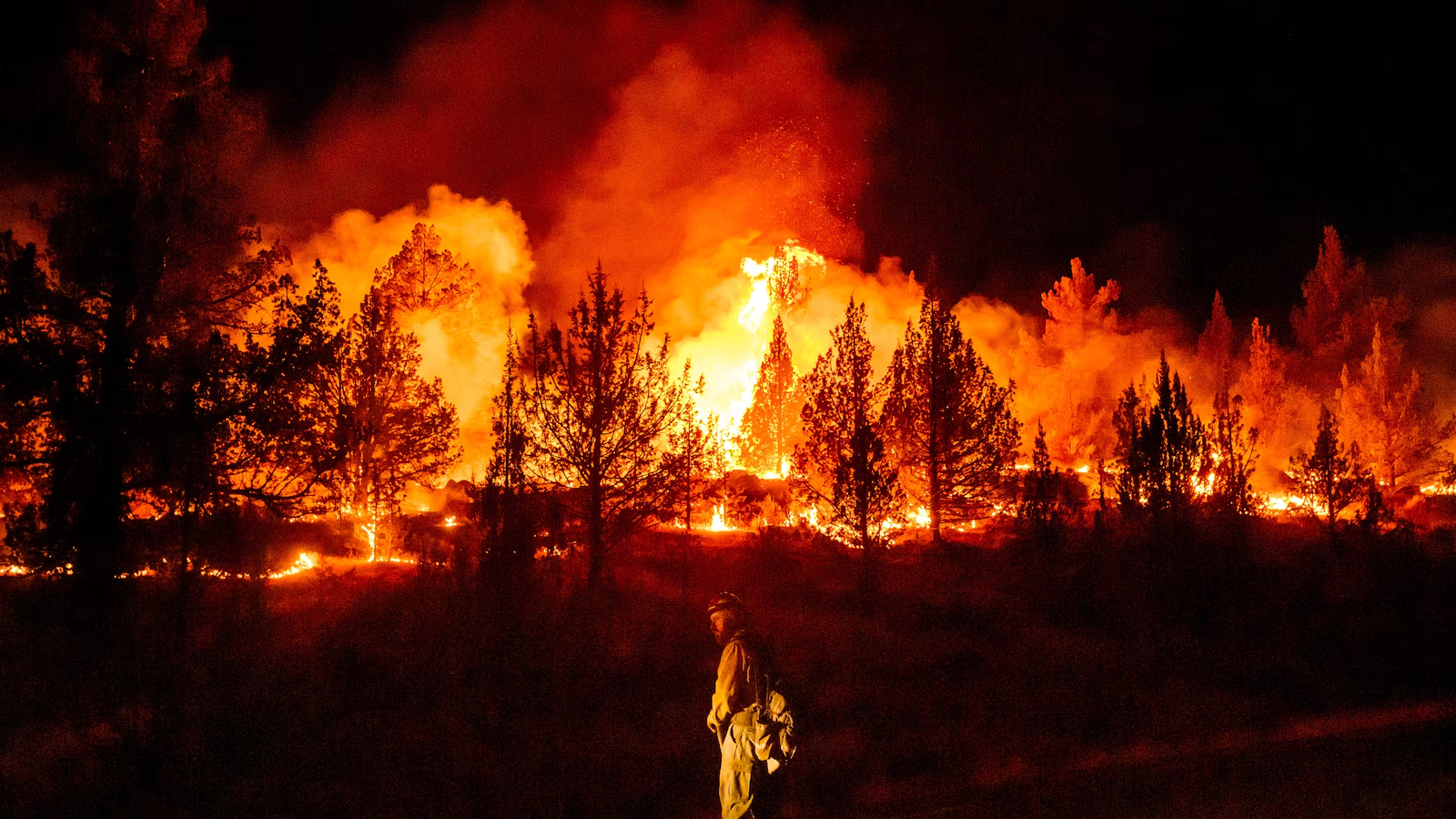
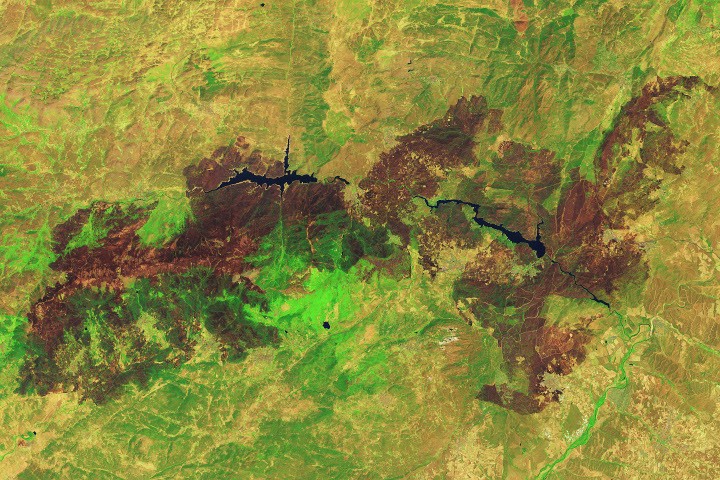
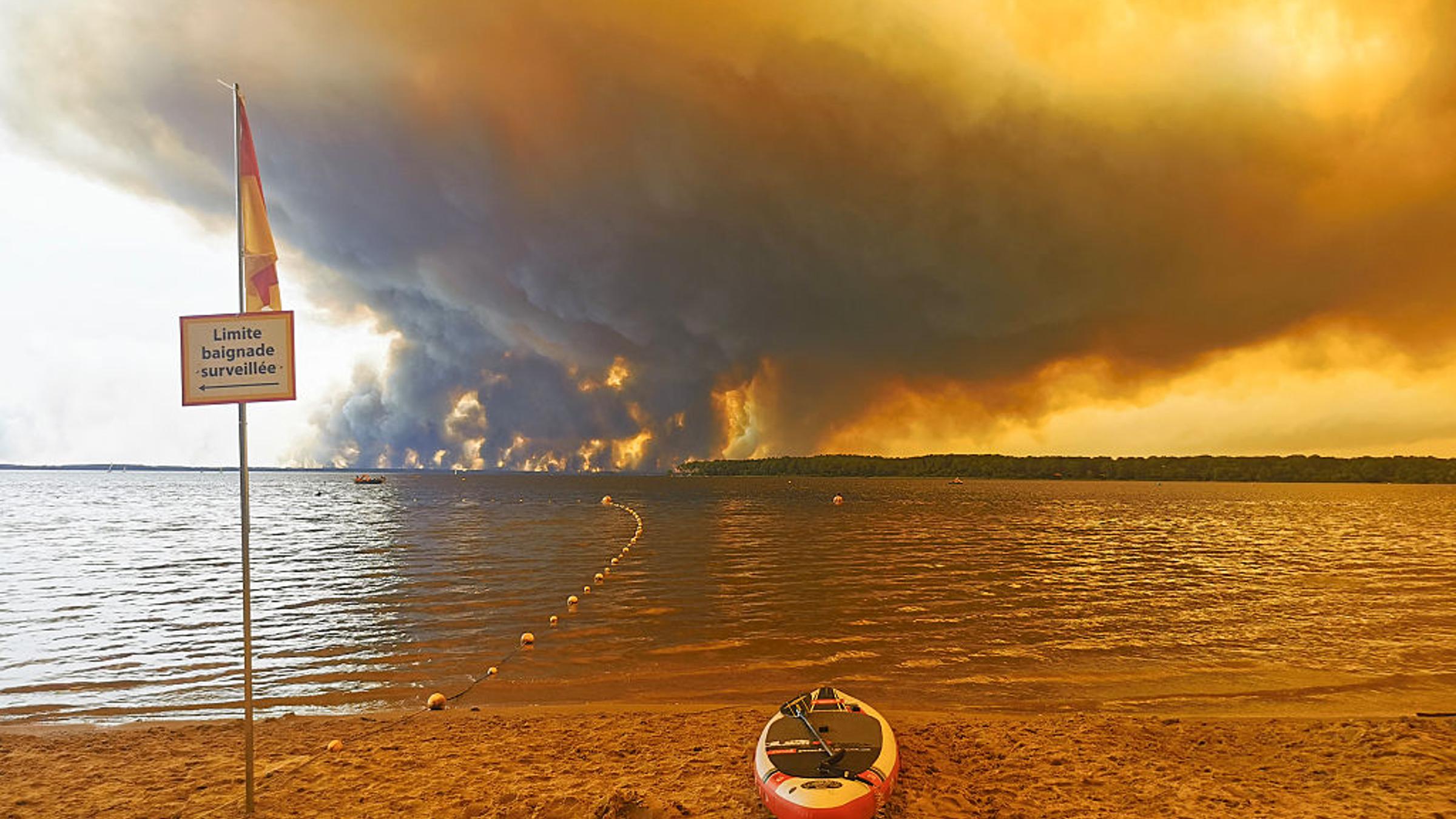
When catastrophic wildfires capture global headlines, such as the unprecedented blazes sweeping through southern Europe this summer or the devastating 2019–20 "Black Summer" in Australia, they are almost always preceded by severe drought. Dry vegetation and parched landscapes are necessary ingredients for infernos.
But not all droughts are created equal—the way a drought evolves can drastically alter how a fire behaves once it ignites. As global temperatures rise, a new and dangerous phenomenon is becoming increasingly common: the "flash drought."
Unlike standard droughts, which take place over months or years, flash droughts are rapidly occurring dry spells driven by intense heat and unusually low humidity. They suck moisture out of the landscape at an alarming rate.
While scientists know standard droughts increase fire risks, a critical question has remained unanswered: Do flash droughts further increase this risk, and what happens when these two drought types collide?