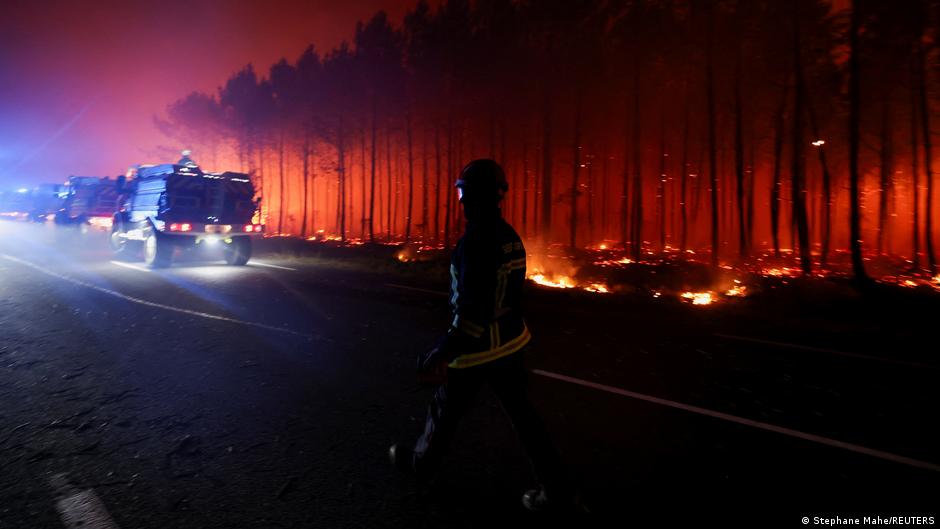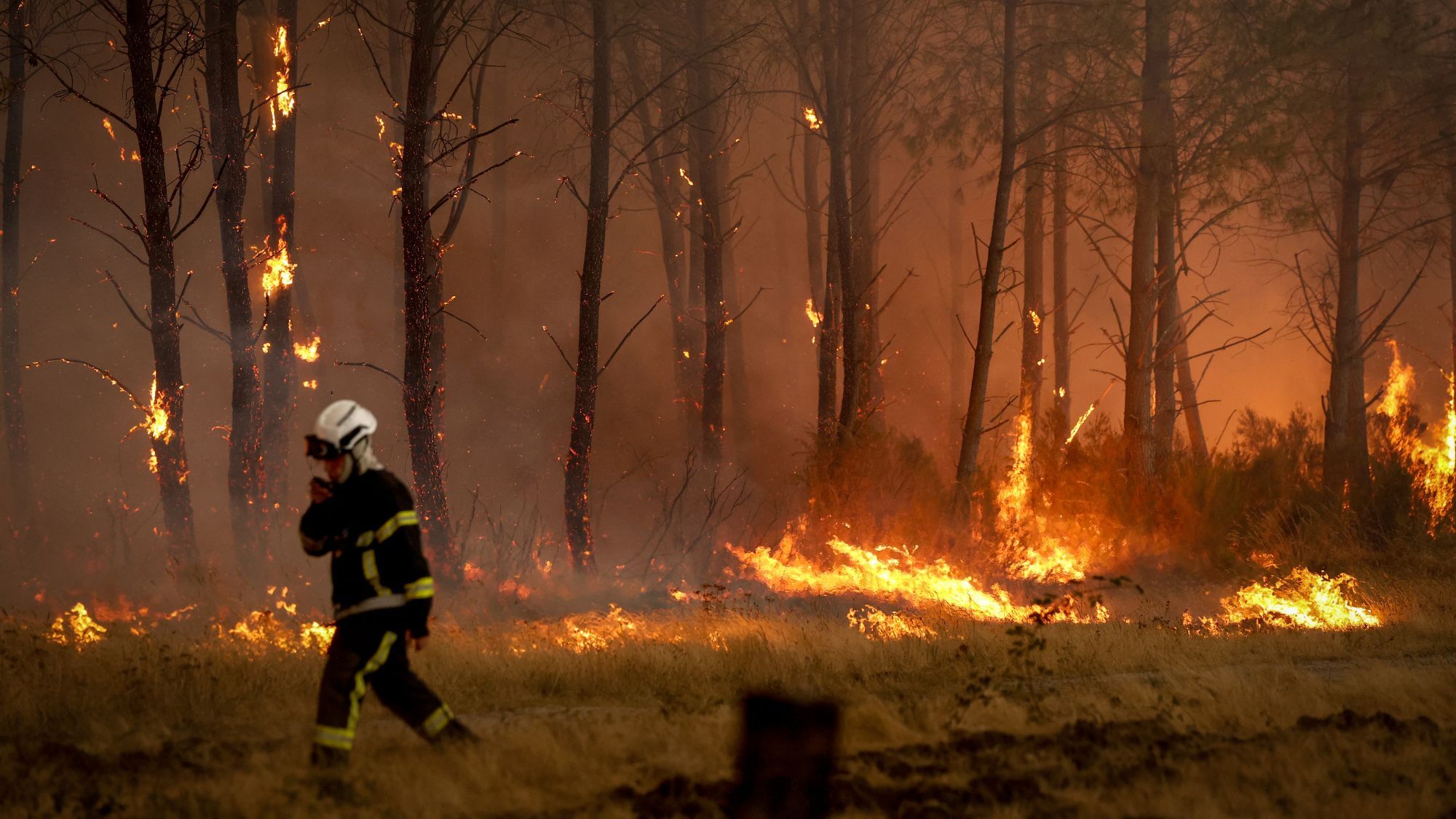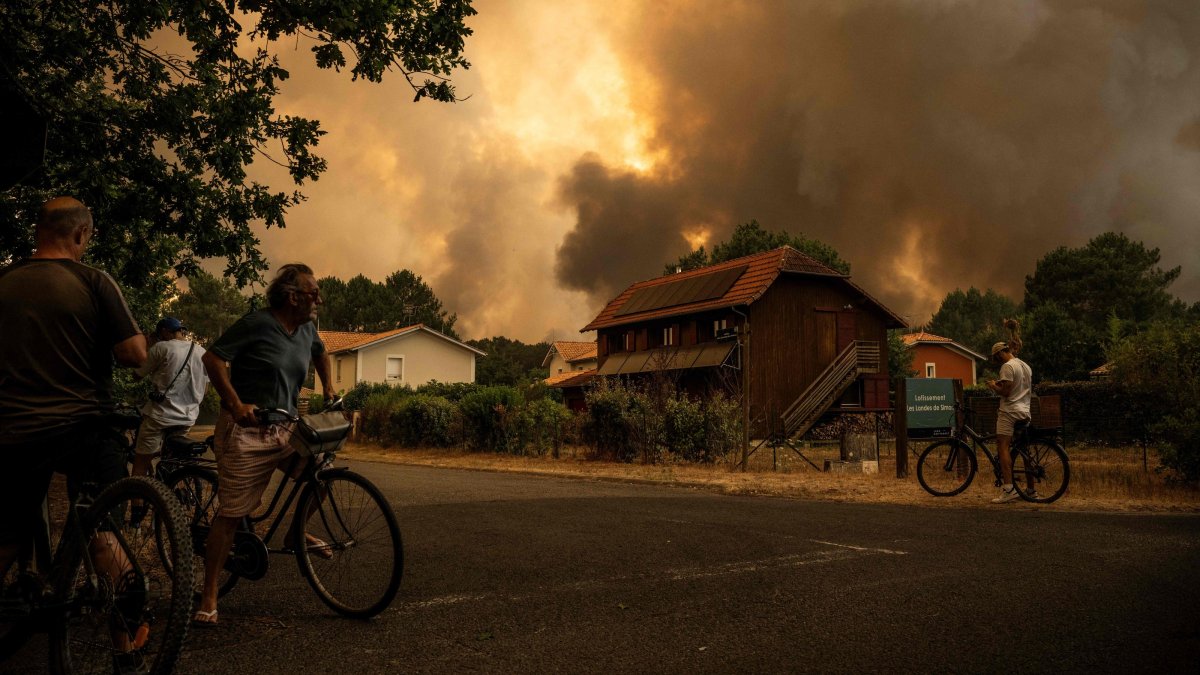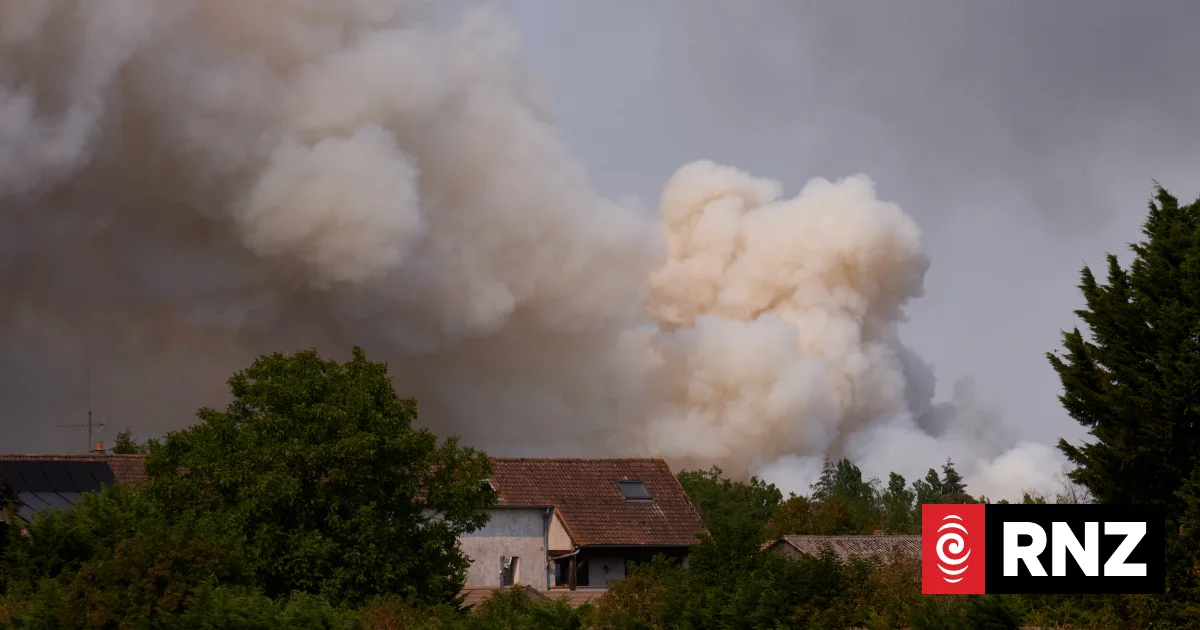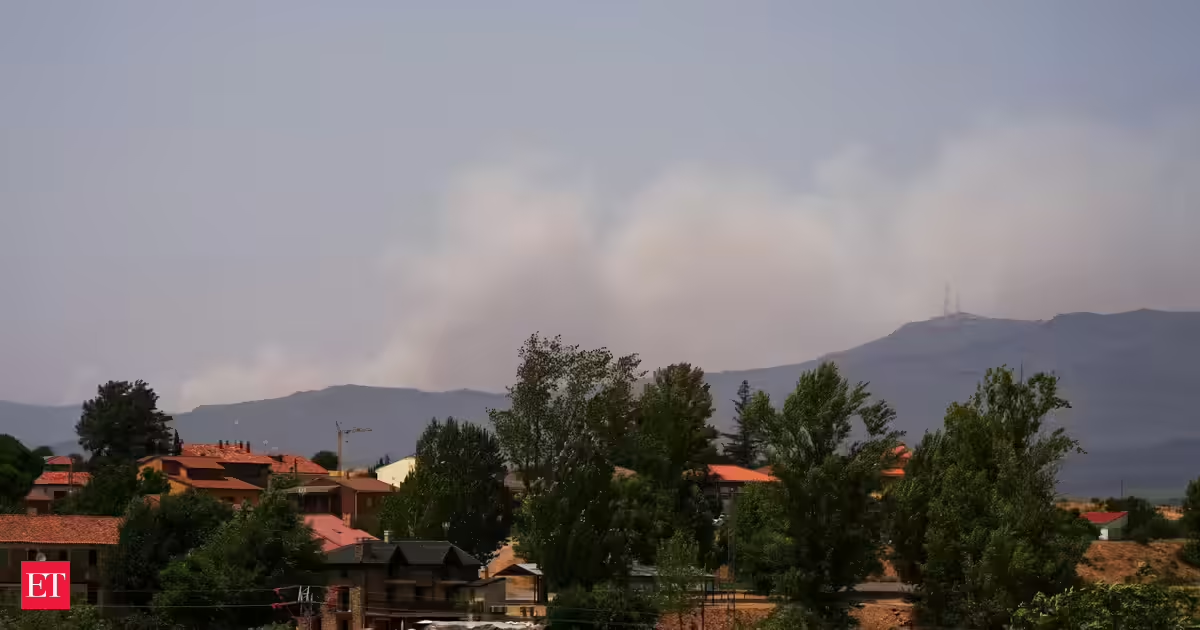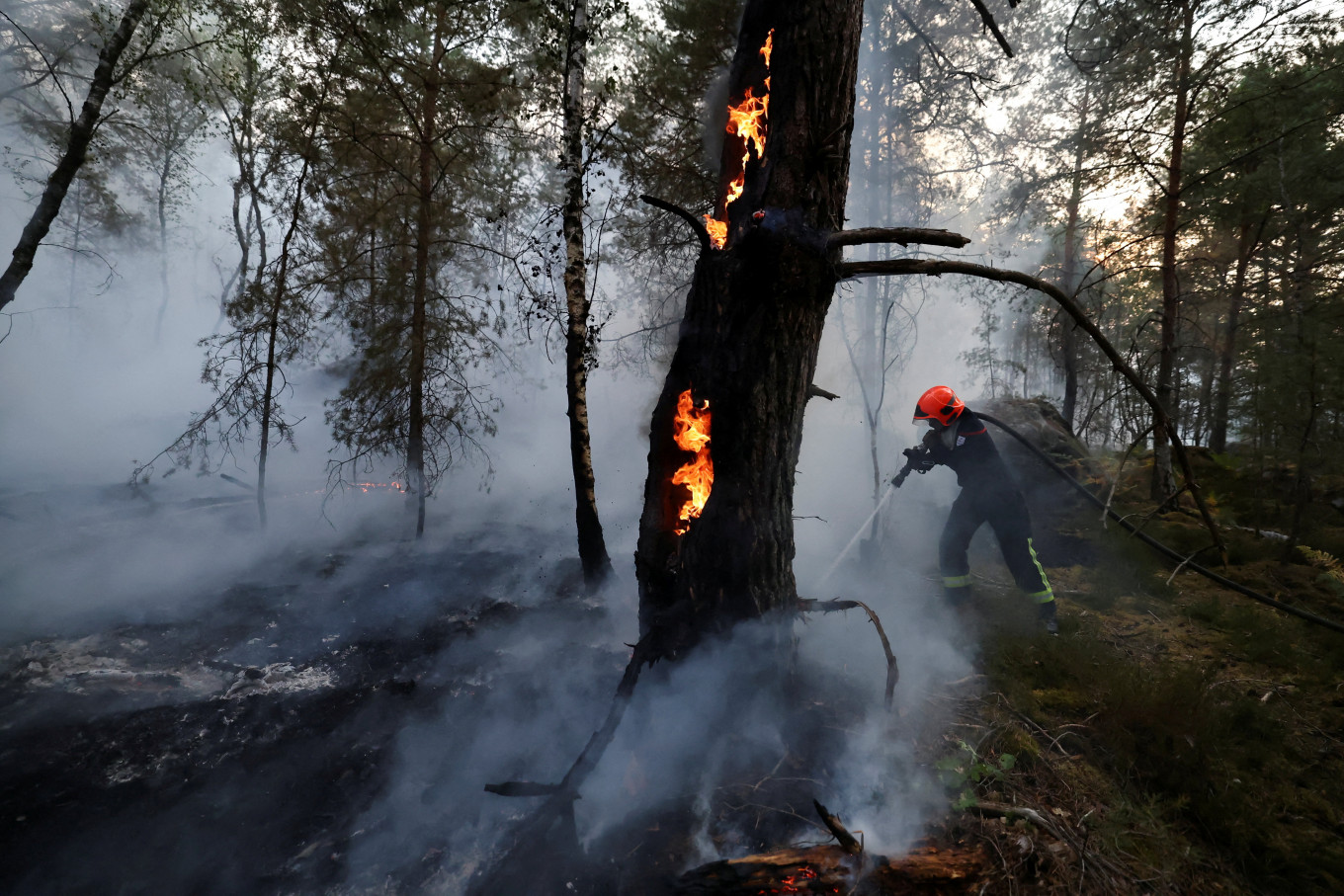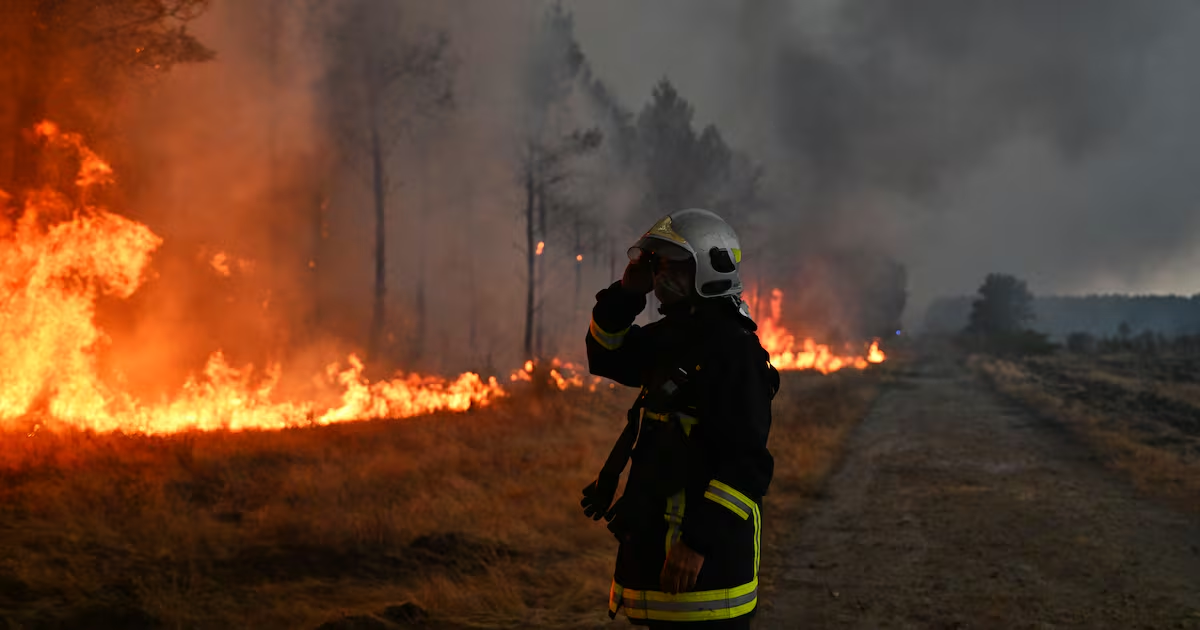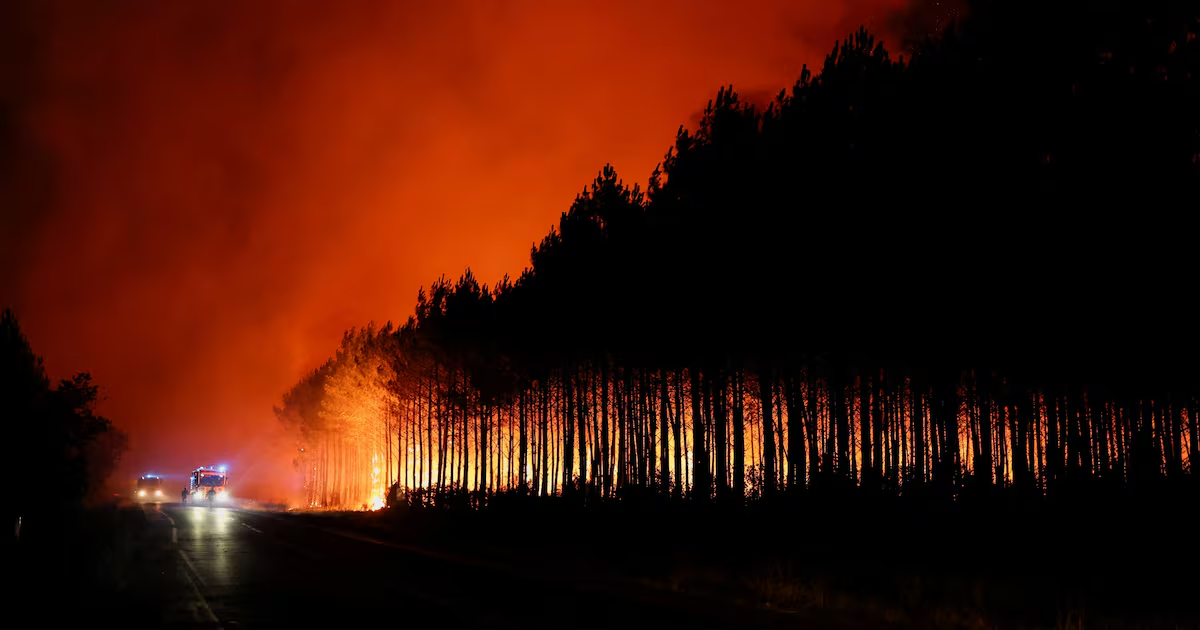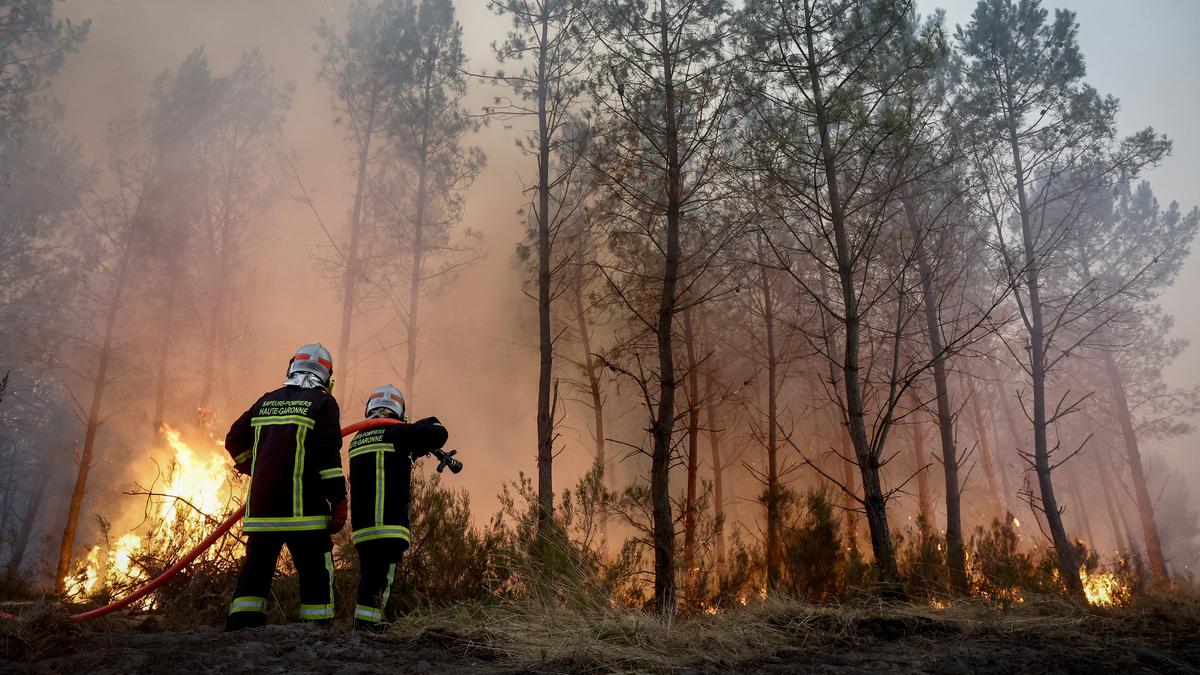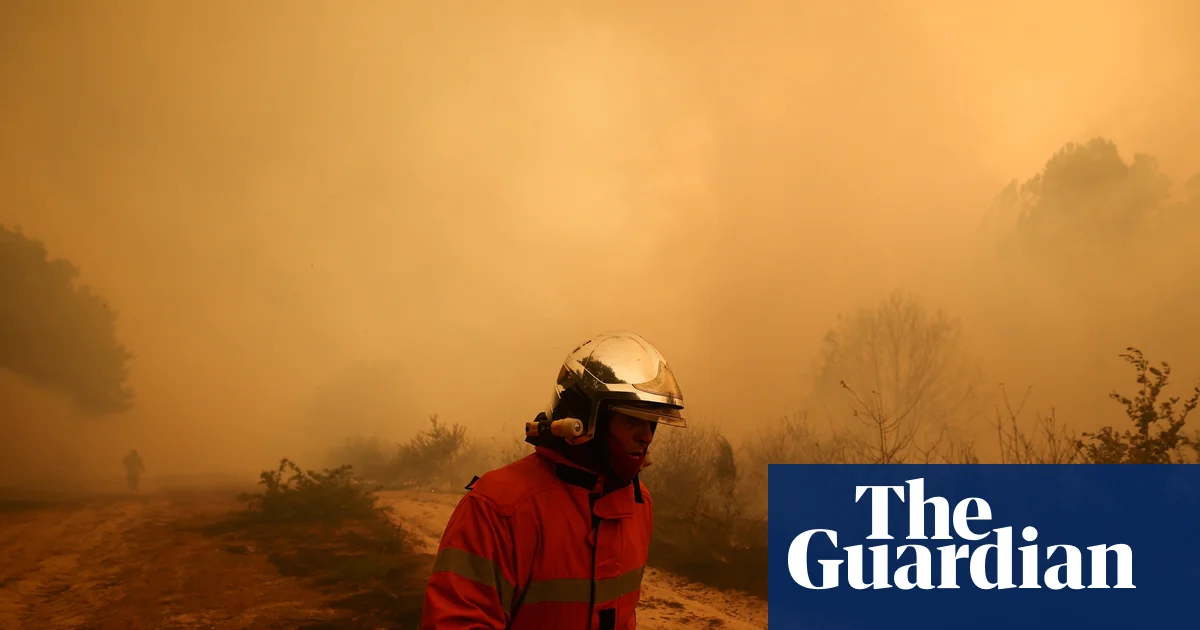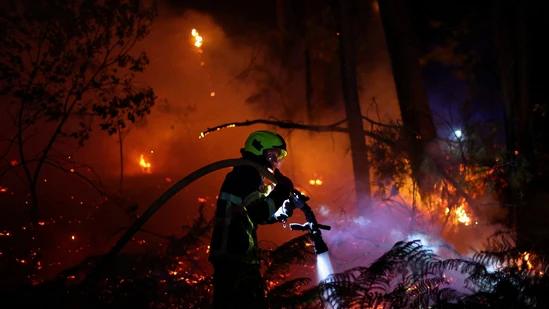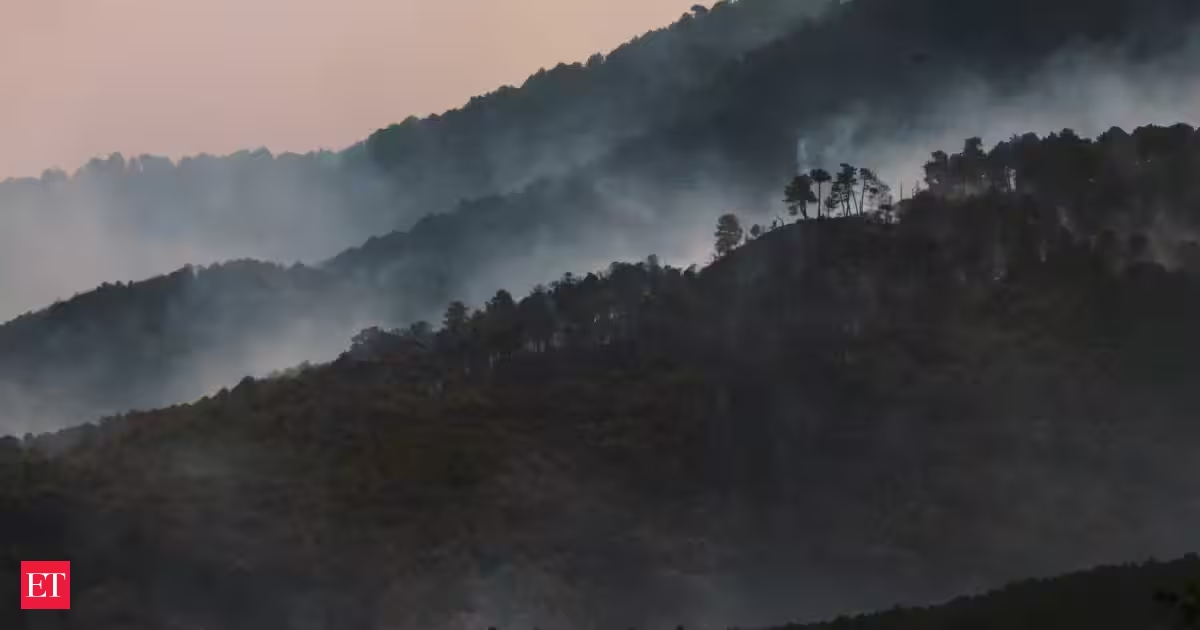
SynopsisRecord heat and prolonged drought have triggered some of Europe's worst wildfires in decades, forcing over 300,000 evacuations across France and Spain. The blazes have scorched record areas, with climate change blamed for worsening conditions. As another heatwave approaches, the European Union has deployed aircraft, helicopters and emergency assistance to both countries.APSmoke rises as a wildfire advances near El Tiemblo, Madrid province, Spain, Saturday, July 25, 2026. An unprecedented combination of scorching temperatures and prolonged drought has fuelled some of the worst wildfires Europe has seen in decades, forcing hundreds of thousands of people from their homes across France and Spain in one of the continent's largest evacuation efforts since World War II.Emergency crews are racing to contain the fires before another spell of extreme heat arrives later this week, threatening to intensify blazes that have already devastated forests, farmland and communities. In southwestern France alone, flames have consumed an area nearly four times the size of Paris, while major fires continue to burn near Madrid in Spain.Although firefighters in Spain have described several blazes as too dangerous to confront directly, authorities in France reported the first encouraging signs on Monday after the spread of a massive wildfire in the Gironde region appeared to slow.Climate change, record-breaking fires Scientists say climate change is amplifying the frequency and intensity of heatwaves across Europe, which is warming faster than any other continent. A prolonged heatwave in June, combined with exceptionally low rainfall, left vegetation dangerously dry and created ideal conditions for rapidly spreading wildfires.A study published in June by World Weather Attribution concluded that the recent record-breaking heat would not have occurred without climate change. France's meteorological agency, Météo-France, reported that June was the country's hottest on record, with average temperatures 3.8 degrees Celsius above normal and rainfall nearly 50 per cent below seasonal levels.Spain, long accustomed to summer wildfires, is now experiencing increasingly severe fire seasons as rising temperatures combine with changes in land use. The decline of farming and industries that once cleared forest material has left large areas densely overgrown, creating vast stores of combustible vegetation.The scale of destruction has already surpassed previous years. According to the European Union's European Forest Fire Information System, more than 300,000 hectares have burned across France and Spain this year. French authorities say 115,000 hectares have been destroyed since January — the highest annual figure in the country's modern records — while Spain has recorded around 153,000 hectares burned, six times more than during the same period last year.Spain has also witnessed two of the largest wildfires in its history within little more than a week, including a blaze in Ávila province that scorched over 50,000 hectares. Earlier this month, a deadly wildfire in Almería claimed 13 lives, making it Spain's deadliest fire in recent years. Europe's united responseThe humanitarian impact has been equally severe. More than 300,000 people have either been evacuated or confined to their homes across both countries. France accounts for over 250,000 evacuations, including around 220,000 in the Gironde region, where authorities have also suspended children's holiday camps and activities for people with disabilities ahead of the peak summer tourism season.Spain has evacuated approximately 76,000 residents, while another 30,000 have been instructed to remain indoors for safety.The European Union has mobilised extensive assistance to support the firefighting effort. European Commissioner for Crisis Management Hadja Lahbib said aircraft and helicopters from several member states, along with Turkey, have been deployed to both France and Spain, while the bloc's Copernicus satellite programme continues providing emergency responders with real-time fire monitoring and risk assessments.“No country should ever have to face a disaster of this scale alone,” Lahbib said. “To the people of France and Spain: Europe will stand with you until the fires are out.”(With AP inputs)Read More News on
Why Europe's wildfires have spiralled into a historic disaster
Record heat and prolonged drought have triggered some of Europe's worst wildfires in decades, forcing over 300,000 evacuations across France and Spain. The blazes have scorched record areas, with climate change blamed for worsening conditions. As another heatwave approaches, the European Union has deployed aircraft, helicopters and emergency assistance to both countries.
628 words~3 min read