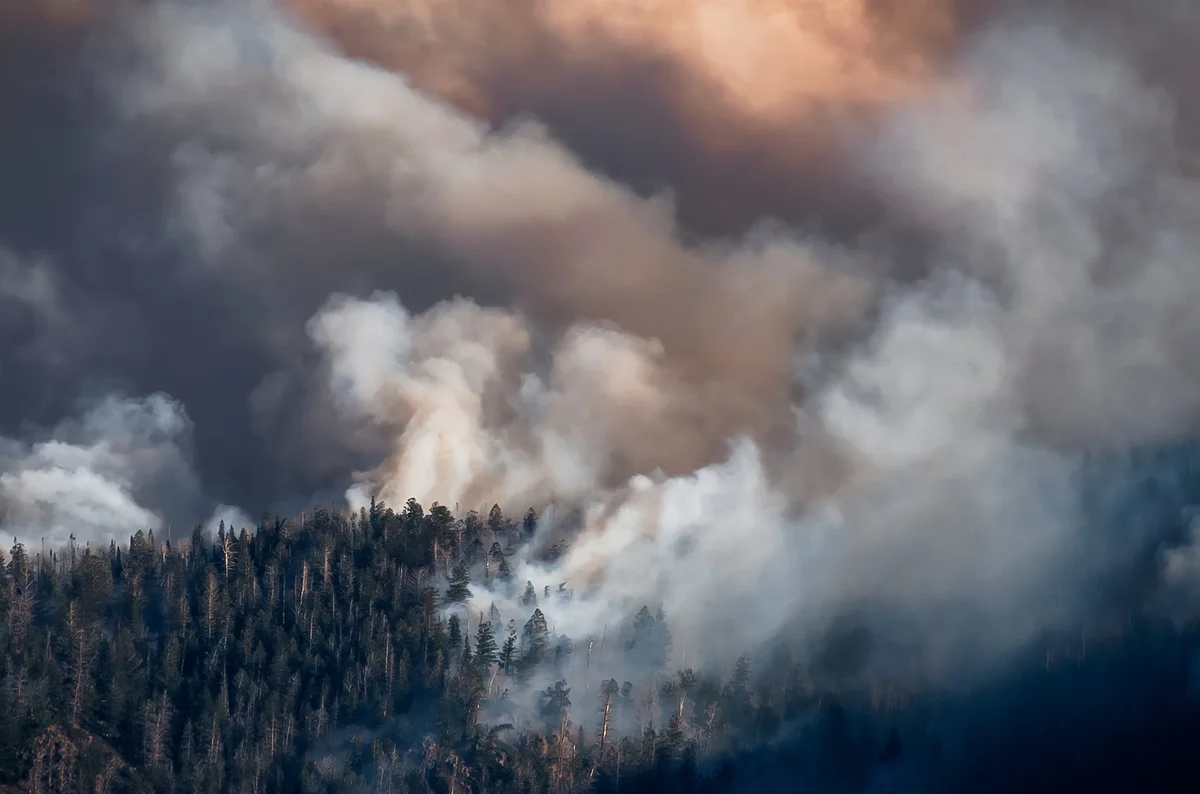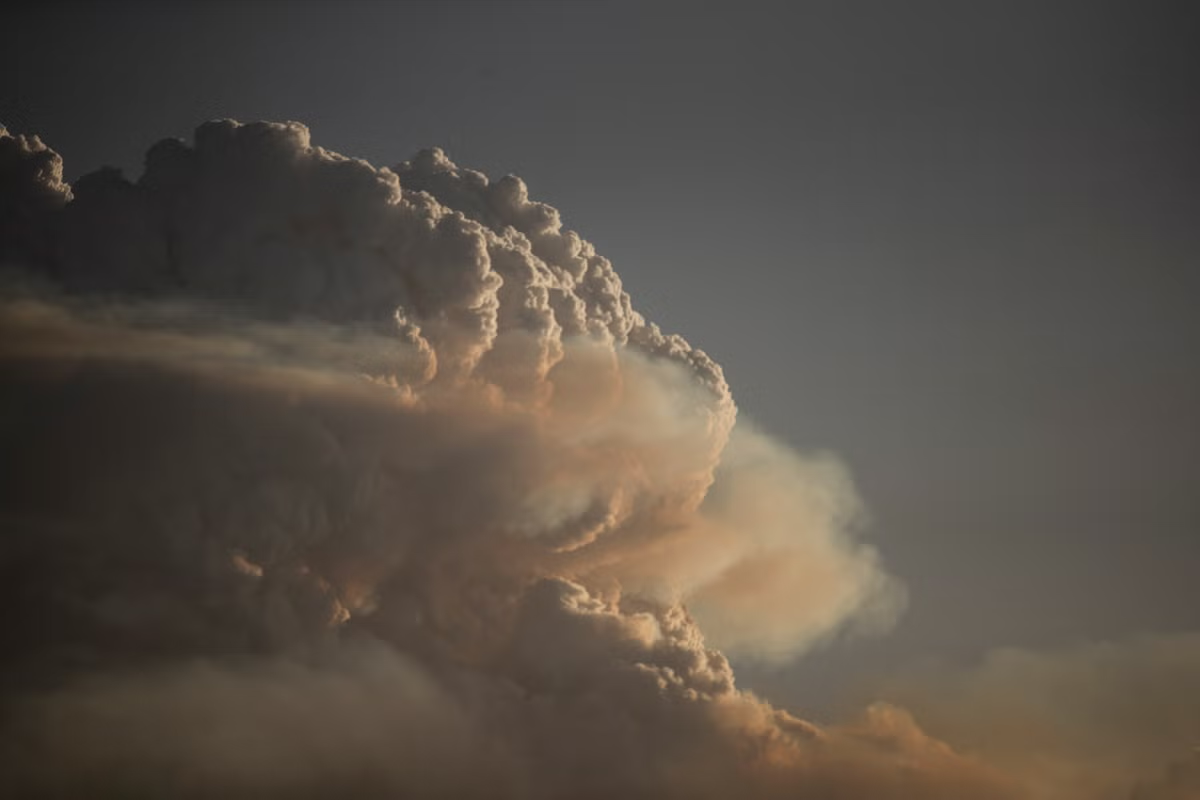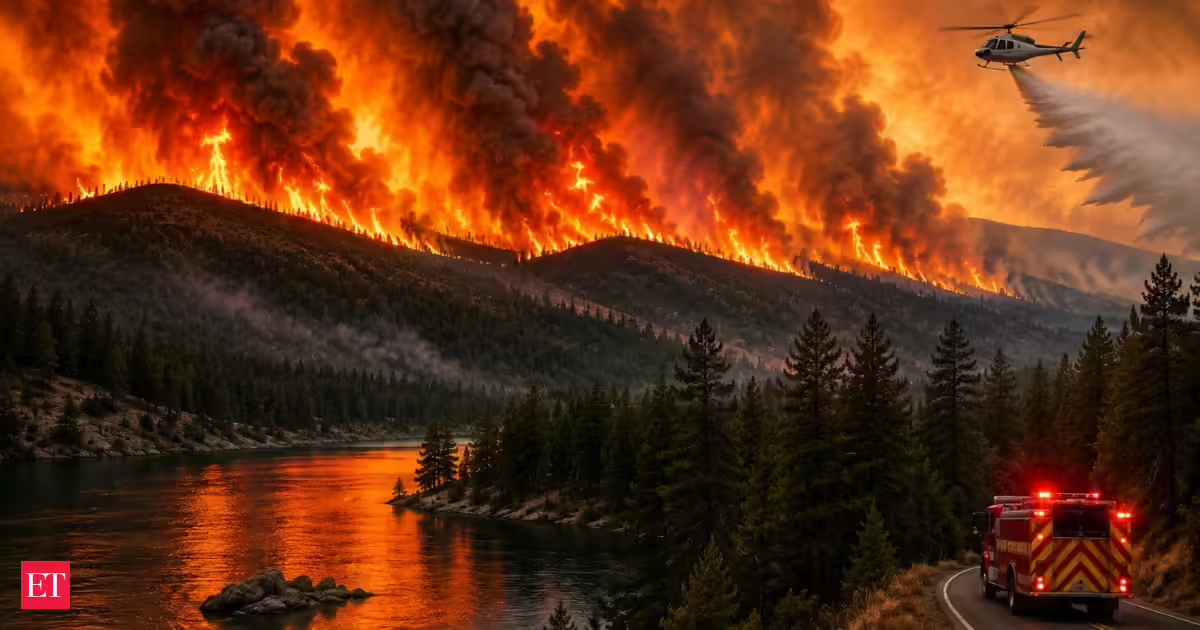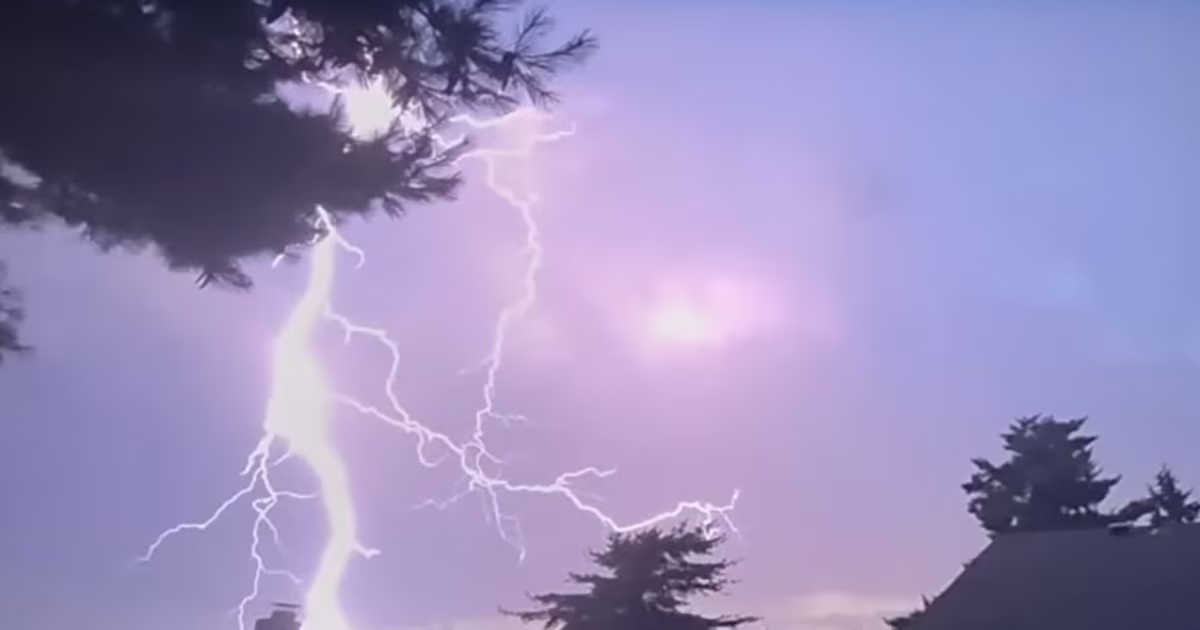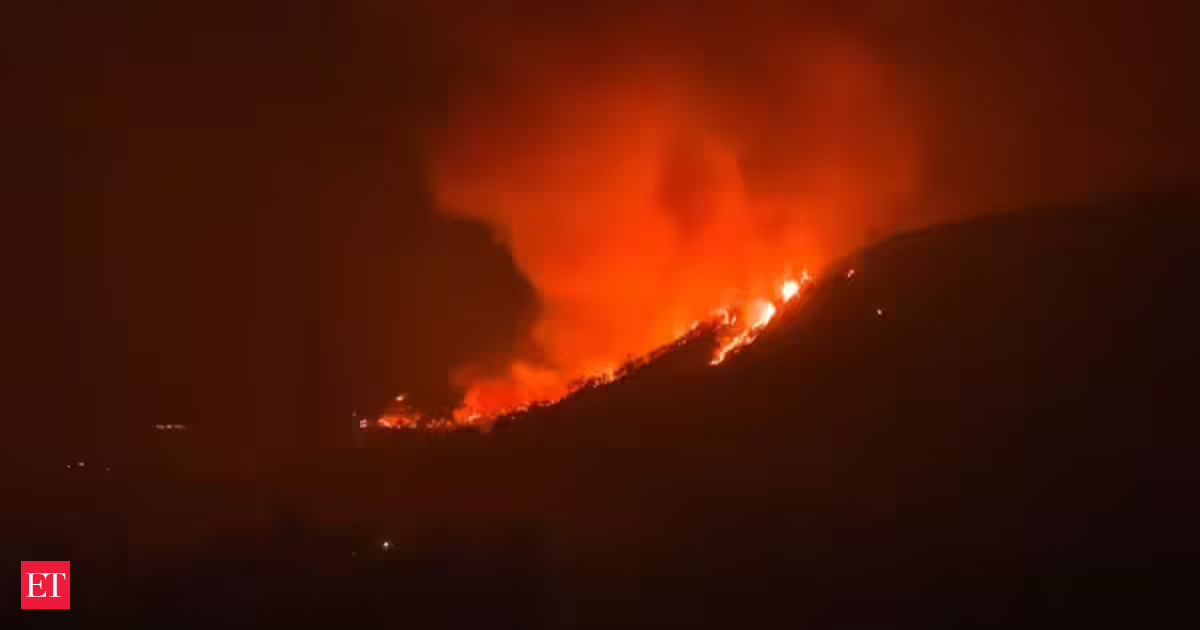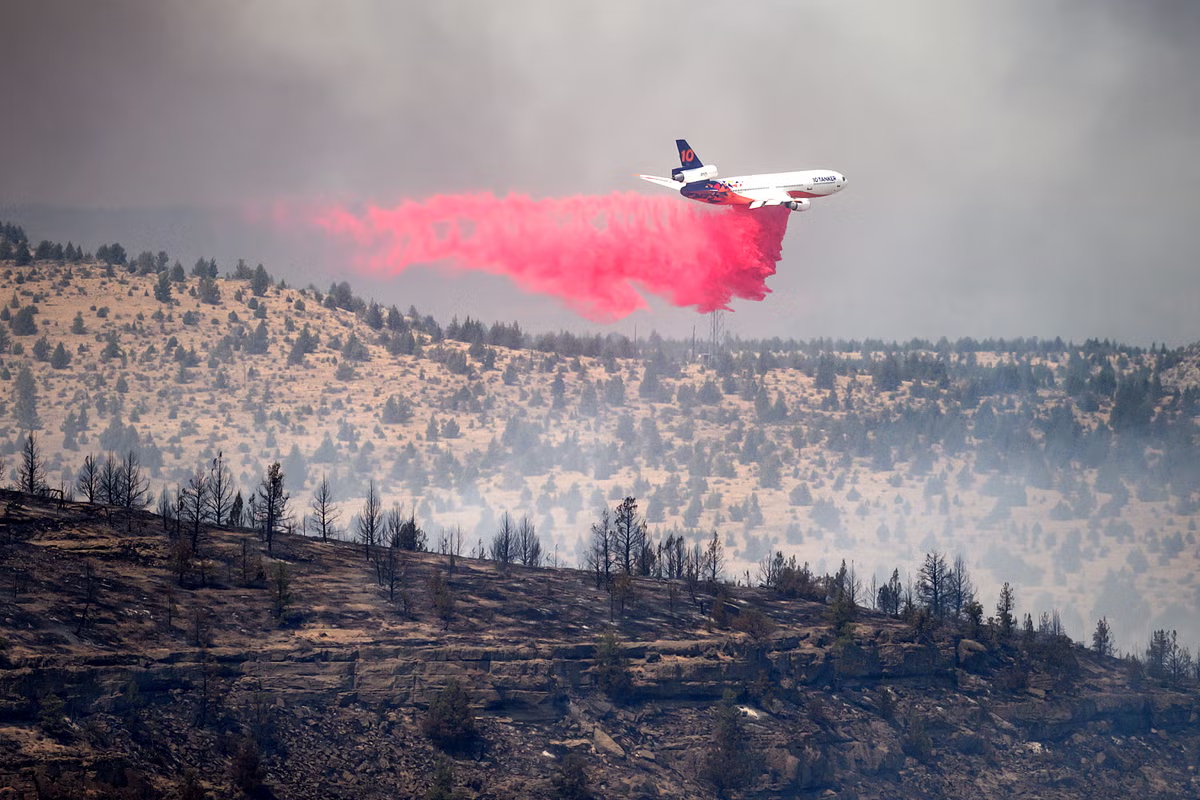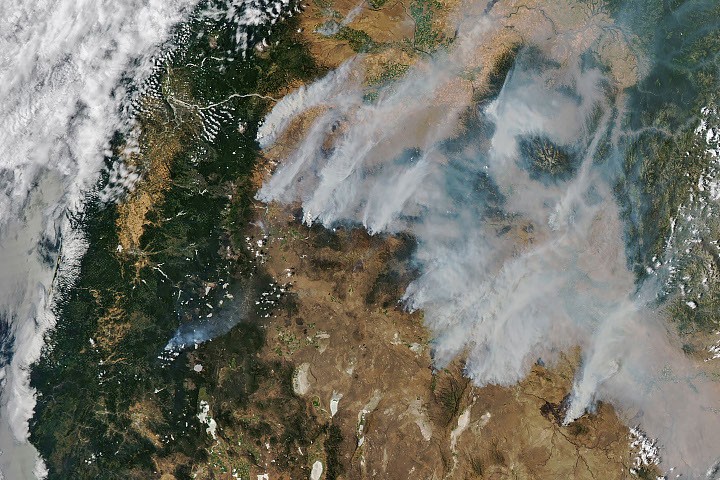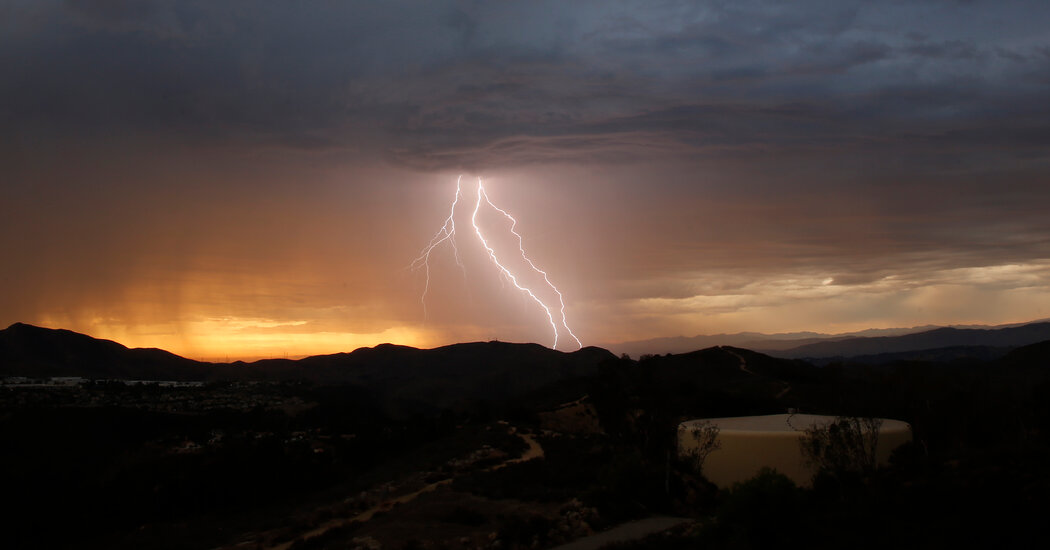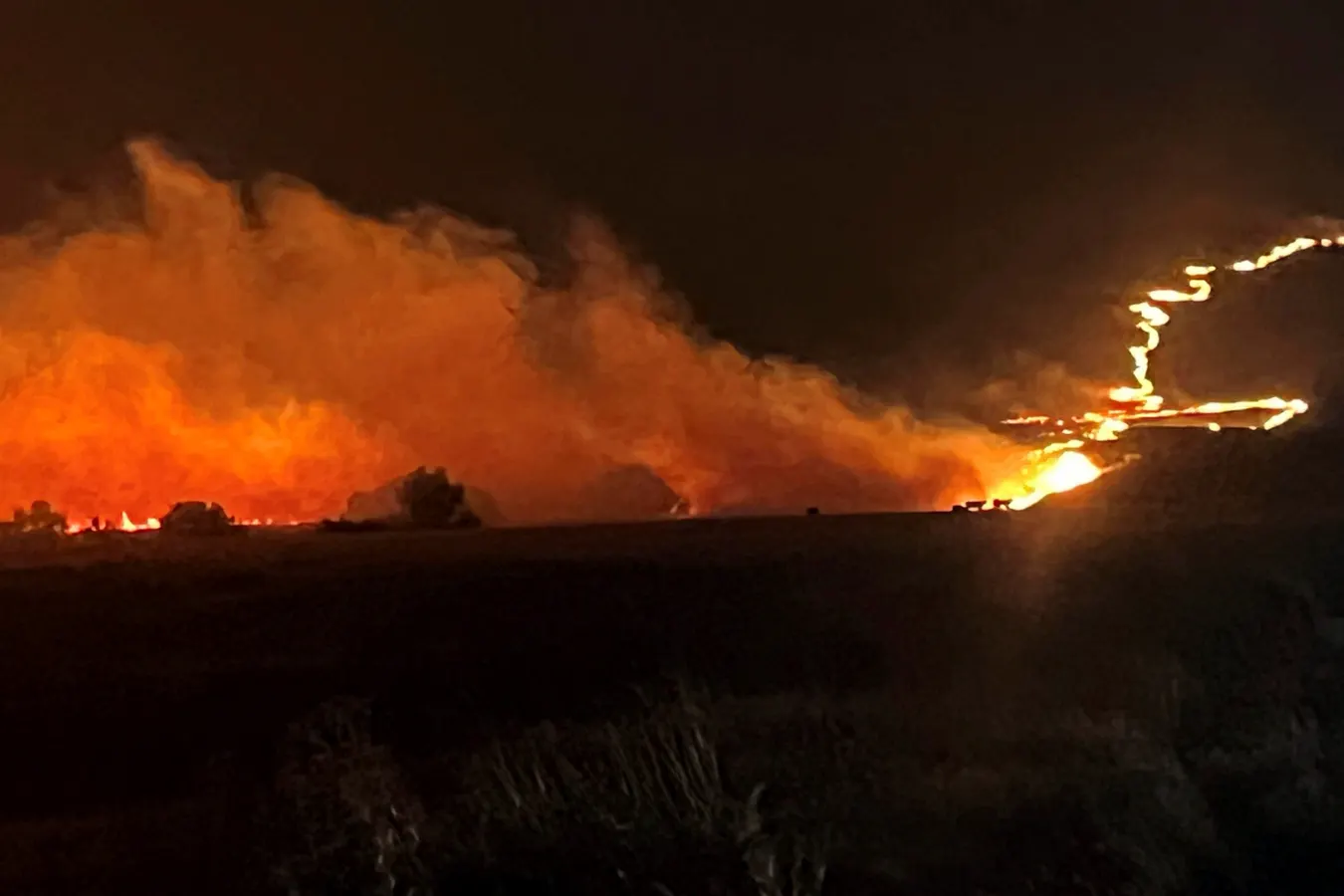
FILE - This photo provided by the Oregon Department of Transportation shows the Durkee Fire burning in eastern Ore., July 22, 2024. (Oregon Department of Transportation via AP, File)Associated PressTwo bolts of lightning flash across the sky at Camp Blanding Army Base in Florida. One lasts 100 microseconds. The other lasts a thousand times longer, a full 100 milliseconds.The second strike is a “long continuing current.” Such currents are the leading cause of wildfires, which, on average, go undetected for 24 hours. Imagine trying to contain a fire that is already the size of a small city – that’s how a large a fast fire can grow within a day. A company called the Fire Neural Network, or FNN, is trying to change this scenario as it starts. The company’s technology – detectors placed every 50 square miles – can identify which lightning strikes are of the long continuing current kind, and therefore, most likely to cause a fire. In turn, that allows a forest service to narrow its searches for fires after lightning storms.“Right now, we have over 30 pilots flying (with) our data every single day of the fire season… they know immediately where to go, and our strike data is [accurate to] less than 100 feet,” said Caroline Comeau, chief commercial officer and one of the founders of FNN. FNN sells its detectors to the U.S. Forestry Service, federal fire management agencies, and investor-owned utility companies. Caroline ComeauFNNMORE FOR YOUTechnology alone cannot extinguish a fire, but it can provide firefighters, utilities, and land managers with the time and precise location information needed to act before an incident escalates. Each FNN detector, which takes up about 3 feet of space, tracks the heat and duration of lightning strikes within a 25 mile radius. Artificial intelligence then tracks 35 environmental factors to see if a wildfire is likely. FNN’s detectors are installed in seven states around the country: Florida, Georgia, New Jersey, Idaho, Montana, California, and Utah. While many people see technology and nature as two separate spheres, FNN is proving how the two can work in tandem, mitigating natural disasters through the use of AI. The company’s growth is also a proof point for the value that university-born innovations bring to the United States. Its three founders were University of Florida students when the company was founded in 2021: Comeau, and brothers Ivan and Tamas Kereszy. Ivan Kereszy was working on his PhD in physics.FNN's Caroline Comeau and Tamas Kereszy were named Forbes 30 Under 30 in 2026.FNNAs the US and Canada endure another terrible fire season, the company and its founders point to a clear though uncomfortable conclusion: there is no easy way to reduce the number or devastation of fires, which are increasing in number, size and devastation due to climate change and population growth.“No single technology can solve the wildfire crisis on its own,” said Comeau in an interview and a series of emailed followup answers. “The United States needs a coordinated approach that combines vegetation and forest management, infrastructure hardening, public preparedness, improved detection, and faster emergency response.”FNN’s fast success over the past five years – the company expects revenue in the eight figures this year – shines a light on a lesser-known factor that helps fight fires: better and faster detection. With 32 employees, FNN has detected over 500 lightning-caused wildfires in 2026 so far, primarily in Florida. Its detectors cover the entire state.The company says it reduces lightning-caused wildfire detection times from 24 hours to just 40 seconds. In areas where censors are installed, firefighter response times are down to just an hour or two, according to Comeau.The company also sees its role as spreading information about the dangers of lightning-caused wildfires: “Basically, what we spend our time doing every day is also educating the public,” said Comeau. Lightning-caused wildfires account for the most acreage burned in the United States, due to their low rate of detection. In the last two decades, there has been a 250% increase in average maximum growth rate of wildfires in the American West. Today, FNN partners with both state forest services and private utility companies, such as Verizon. Deployments of censors range from costing about $1 million to about $150 million for a national contract, depending on the density of the network and the region of the United States. The company primarily gets non-dilutive funding from foundations such as NASA, or the National Science Foundation. In the future, FNN hopes to partner with deep tech and corporate venture capital firms, especially VC firms associated with utility companies, as it aims to raise a $15M round of venture capital.FNN is also talking to different organizations on the front lines of fire management. “We are in conversations with some tribes, especially in the Everglades area in Florida. There’s typically a collaboration agreement between the forestry and the tribes that we work through with the forestry department. So, if they have a certain way of communicating, we honor that,” Comeau said. “I think [the tribes] do a really good job at vegetation management, so even some of the prescribed burns… it’s in their best interest to understand if a fire is starting, and if they can mitigate certain regions,” said Comeau.The company was born out of a lab at the University of Florida, which was working in partnership with Army Base Camp Blanding. Students were looking at video of man-made lightning strikes. “[Camp Blanding] had installed a … high-speed camera. They were shooting rockets into other clouds, triggering man-made lightning, hitting a coin that’s about the size of a quarter.” explained Comeau.“We saw that not all strikes were created equal, that some strikes are lasting a thousand times longer, creating a thousand times more heat. … We gathered together, and we said, okay, we have the science, the credibility is there, we really think this could be a valuable product outside of the lab.” The trio won a university entrepreneurship competition in 2022. They’ve all graduated since then. Comeau, who was working on an economics degree at University of Florida, now has an MBA from ESADE. Ivan Kereszy has his PhD and Tamas Kereszy, who had a bachelors in mechanical engineering, now has a master’s in management.FNN technology will be written into Wildfire Mitigation Plans for utility companies, according to Comeau. Verizon, especially, has become very focused on disaster management in the last few years. FNN got a vote of confidence last year when Verizon granted it $1 million in a competition that rewarded four companies “disaster-proofing” the future. “FNN’s cutting-edge, AI-powered technology equips first responders and communities with a simple yet powerful way to stop a spark from turning into a wildfire,” said Donna Epps, chief responsible business officer at Verizon in a release.
As Wildfires Worsen, And The U.S. Chokes, The Only Answer Is Complex
A company called FNN, is trying to reduce wildfire devastation. The company’s technology can identify which lightning strikes are most likely to cause a fire.
1,126 words~5 min read