Blazes that smoulder in the permafrost, only to reignite, are extending fire season though winter, leaving vegetation struggling to recover
I
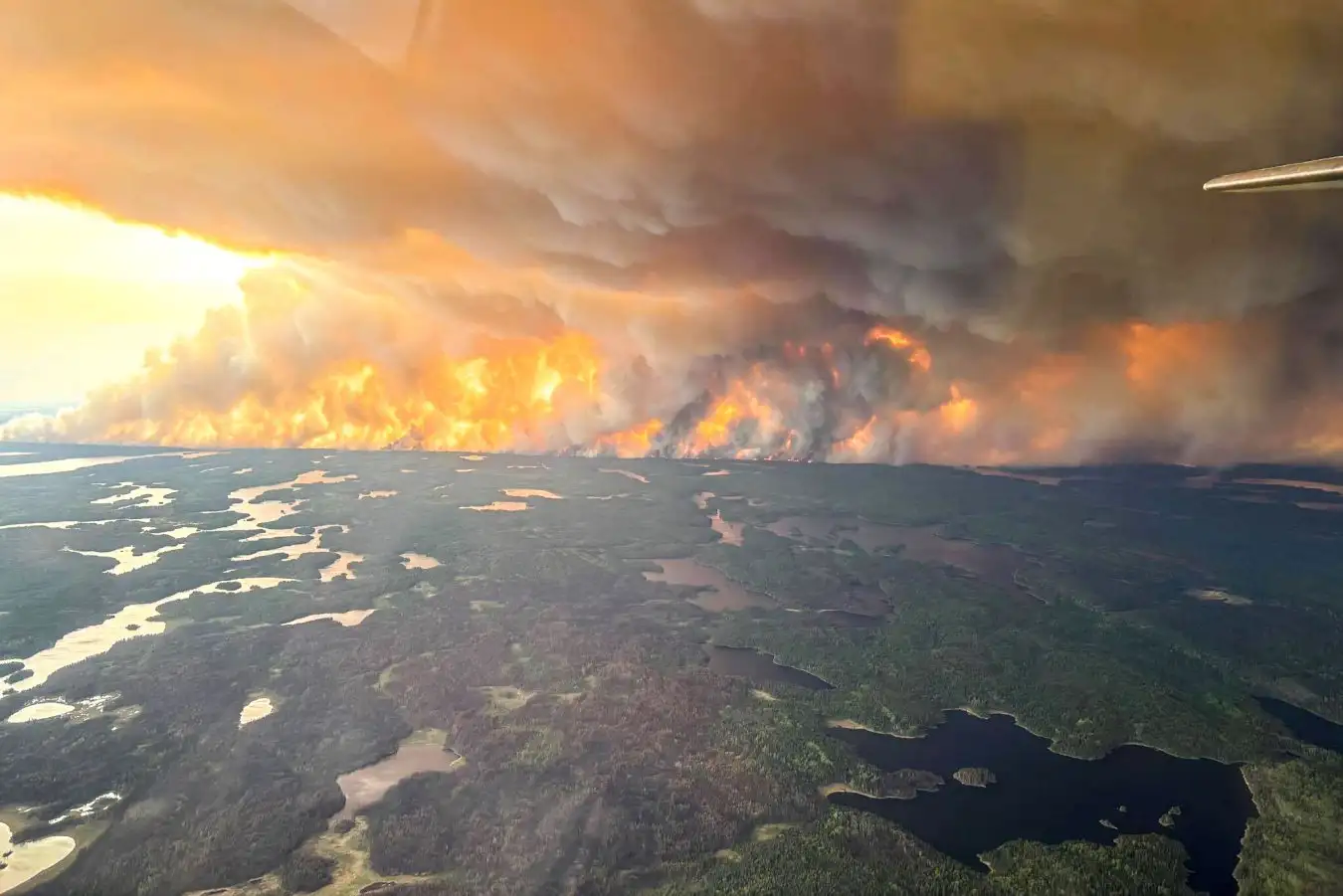
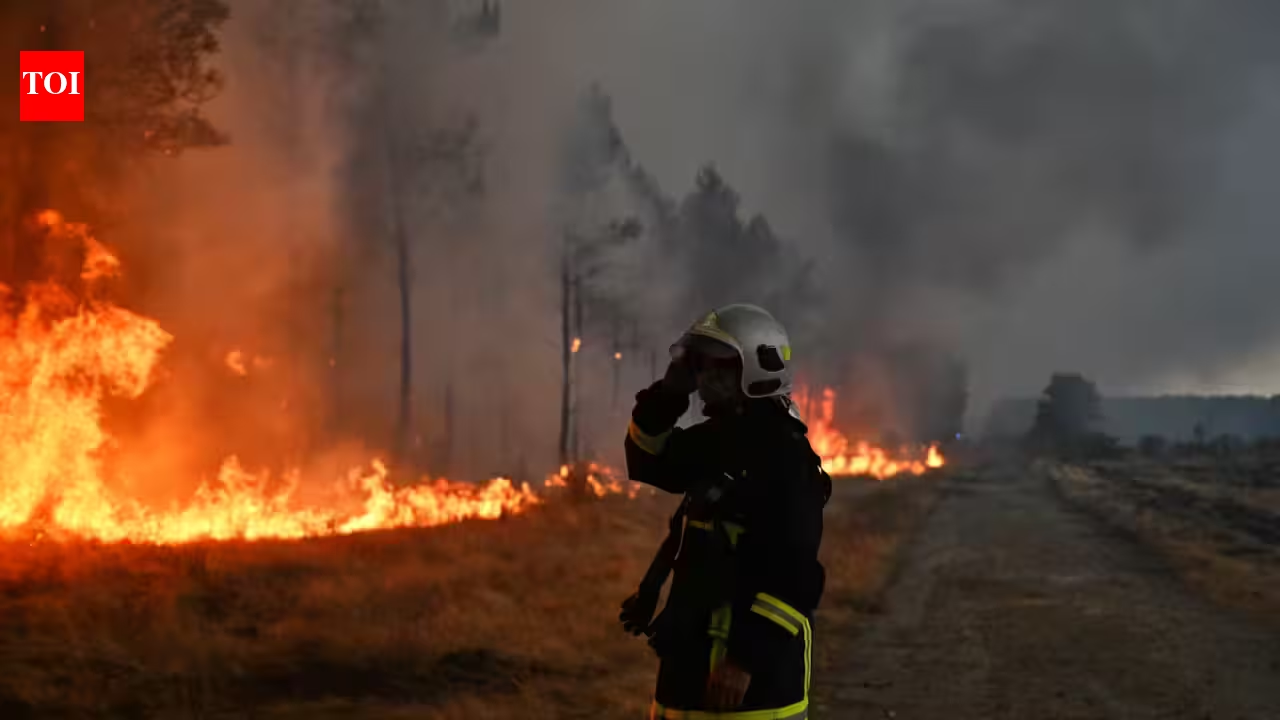
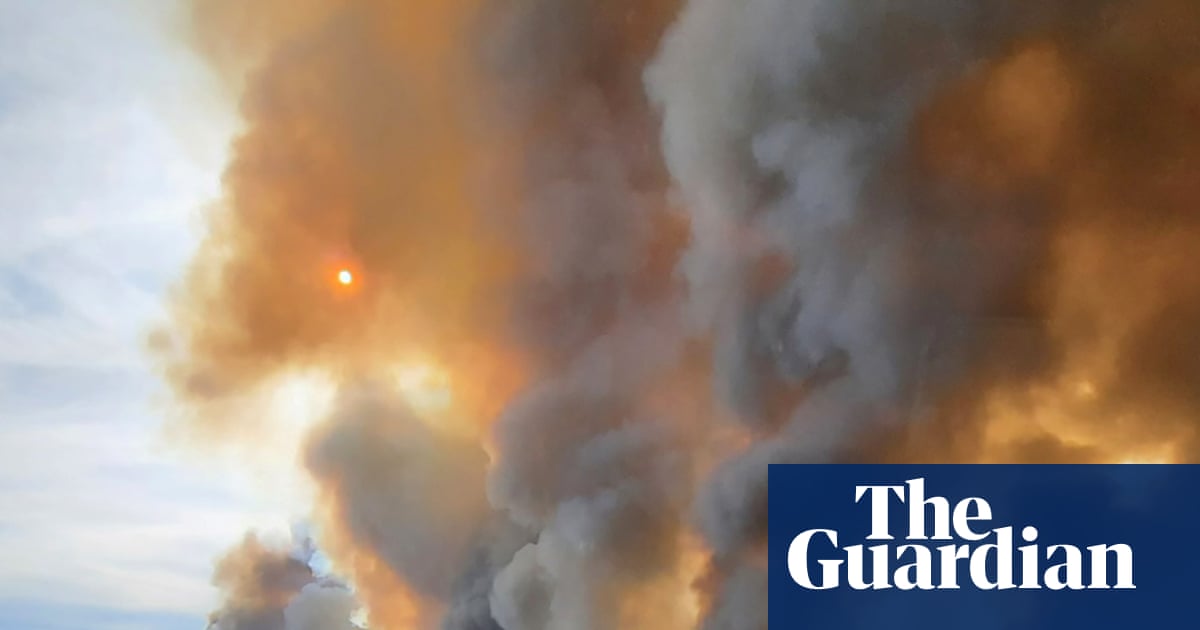
n May 2023, a lightning strike hit the forest in Donnie Creek, British Columbia, and the trees started to burn. It was early in the year for a wildfire, but a dry autumn and warm spring had turned the forest into a tinderbox, and the flames spread rapidly. By mid-June, the fire had become one of largest in the province’s history, burning through an area of boreal forest nearly twice the size of central London. That year, more of Canada burned than ever before.
The return of cold and snow at the close of the year typically signal the end of the wildfire season. But this time, the fire did not stop. Instead, it smouldered in the soil underground, insulated from the freezing conditions by the snowpack. The next spring, it reemerged as a “zombie fire” that continued to burn until August 2024. By then, more than 600,000 hectares (1.5m acres) had been destroyed.
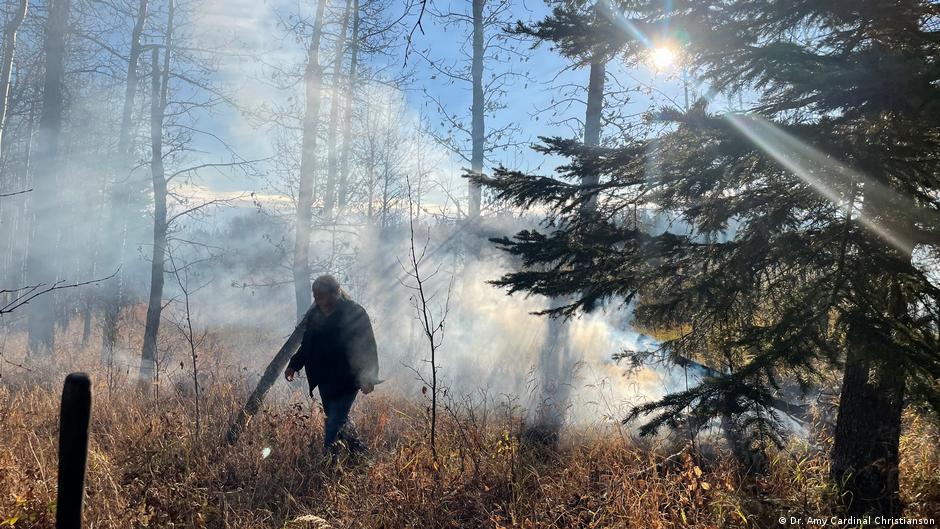
Zombie fires, sometimes betrayed by a plume of steam emerging from the bubbling ground in the frozen forest, were once a rare occurrence in the boreal regions that stretch across the far north through Siberia, Canada and Alaska. But in a rapidly heating world, they are becoming increasingly common. The overwintering burns are small – and often hard to detect – but they are transforming fires into multi-year events and fundamentally altering the soil ecology where they burn, making it harder for forests to regrow.