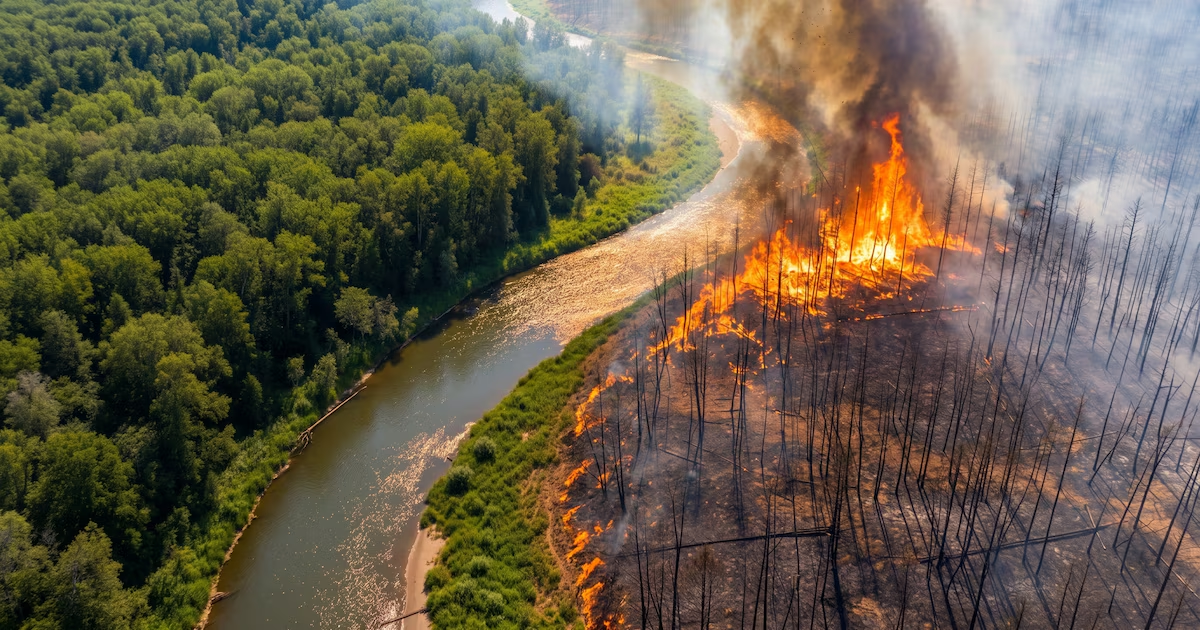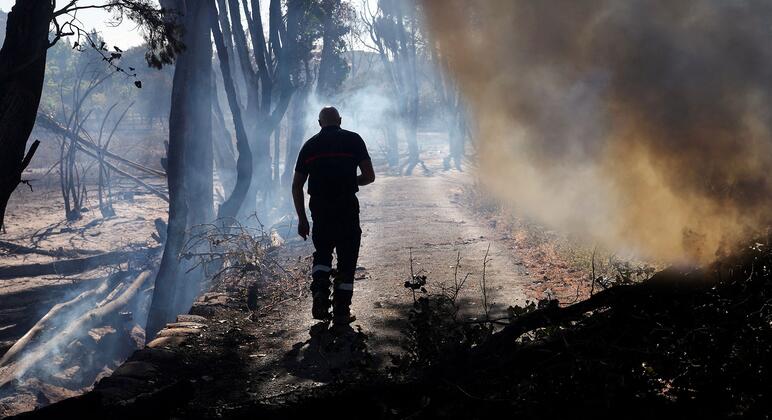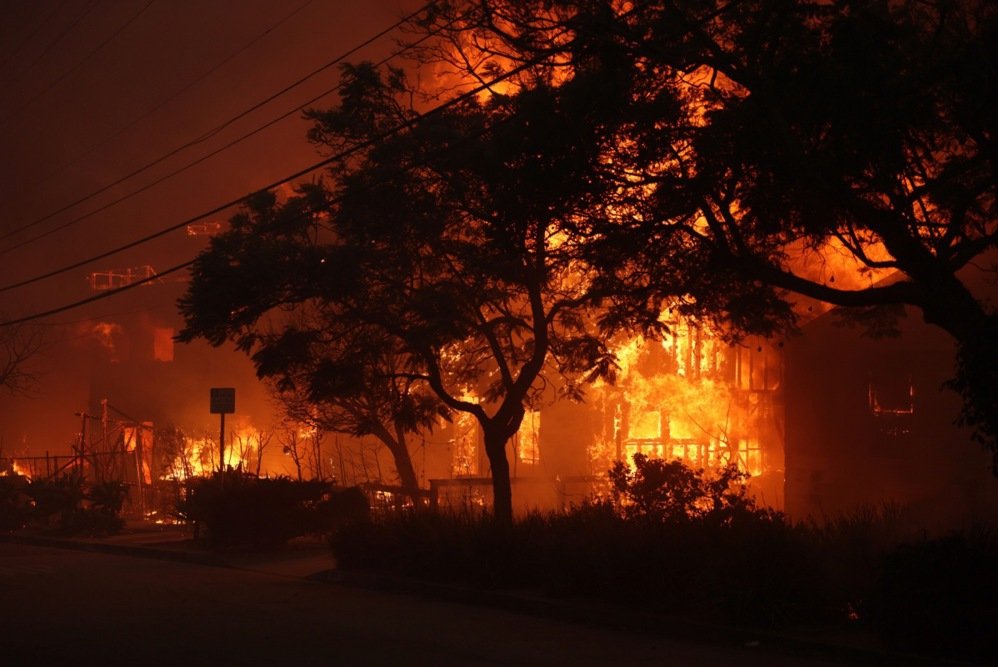
June 23 (UPI) -- Picture a wildfire raging across a forested mountainside. The smoke billows and the flames rise. An aircraft drops vibrant red flame retardant. It's a dramatic, often dangerous scene. But the threat to water supplies is only just beginning.
After the smoke clears, the soil, which was once nestled beneath a canopy of trees and a spongy layer of leaves, is now exposed. Often, that soil is charred and sterile, with the heat making the ground almost water-repellent, like a freshly waxed car.
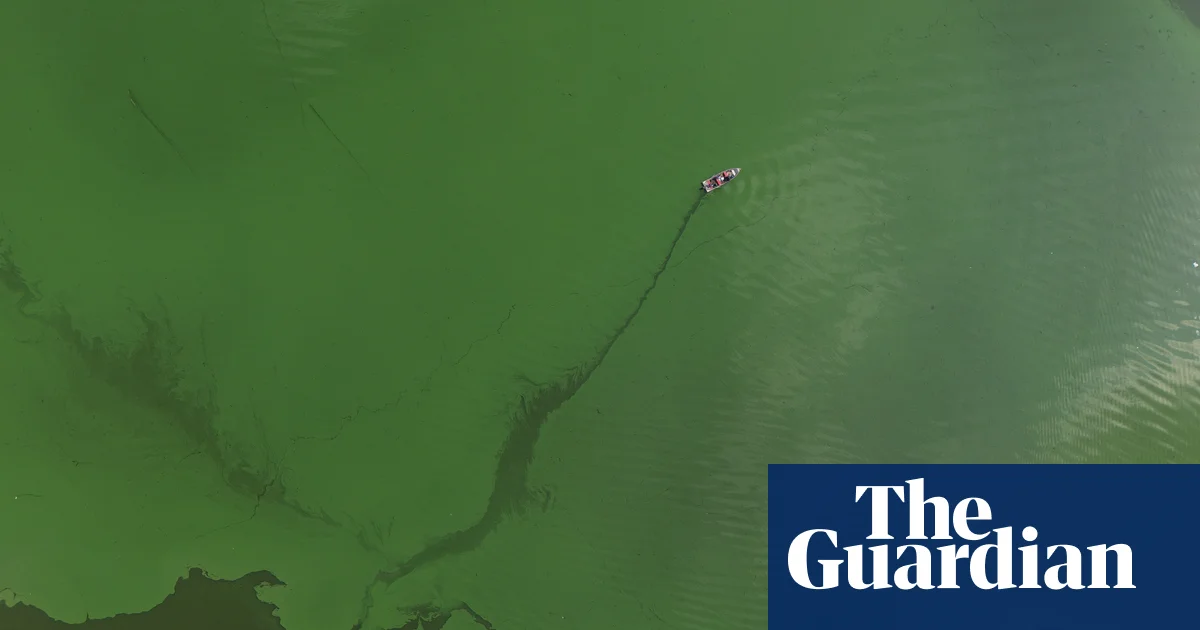
When the first rain arrives, the water rushes downhill. It carries with it a slurry of ash, soil and contaminants from the burned landscape. This torrent flows directly into streams and then rivers that provide drinking water for communities downstream.
As a new research paper my colleagues and I just published shows, this isn't a short-term problem. The ghost of the fire can haunt these waterways for years.
This matters because forested watersheds are the primary water source for nearly two-thirds of municipalities in the United States. As wildfires in the western U.S. become larger and more frequent, the long-term security and safety of water supplies for downstream communities is increasingly at risk.