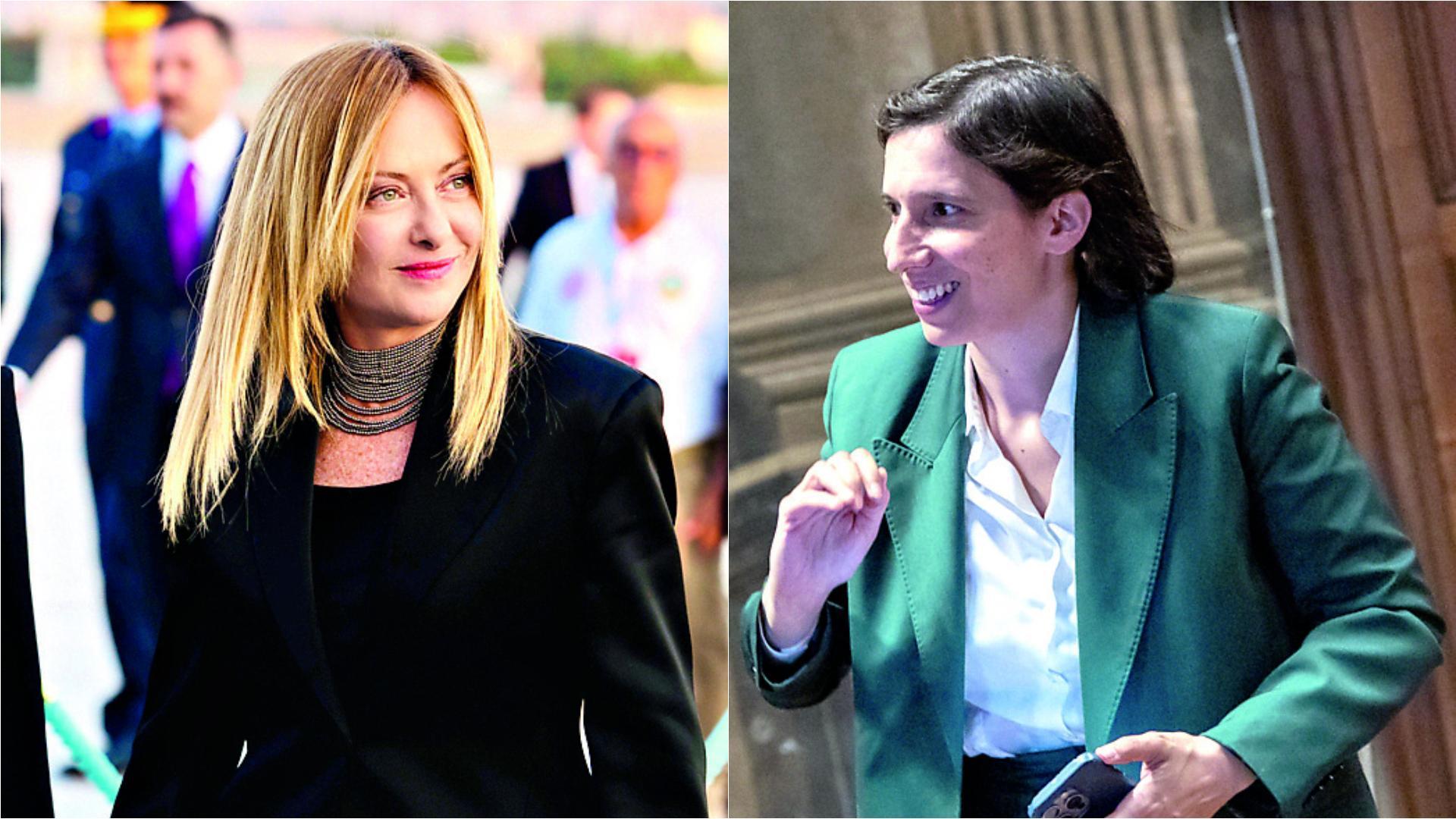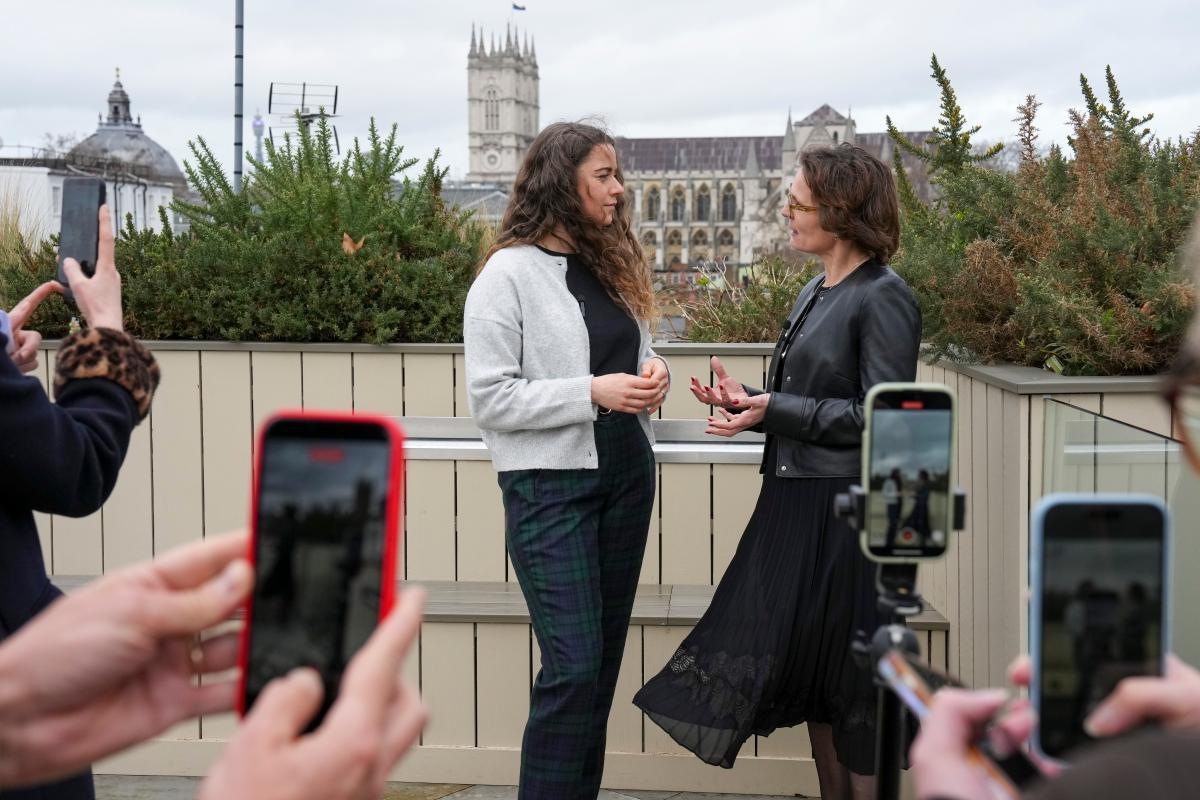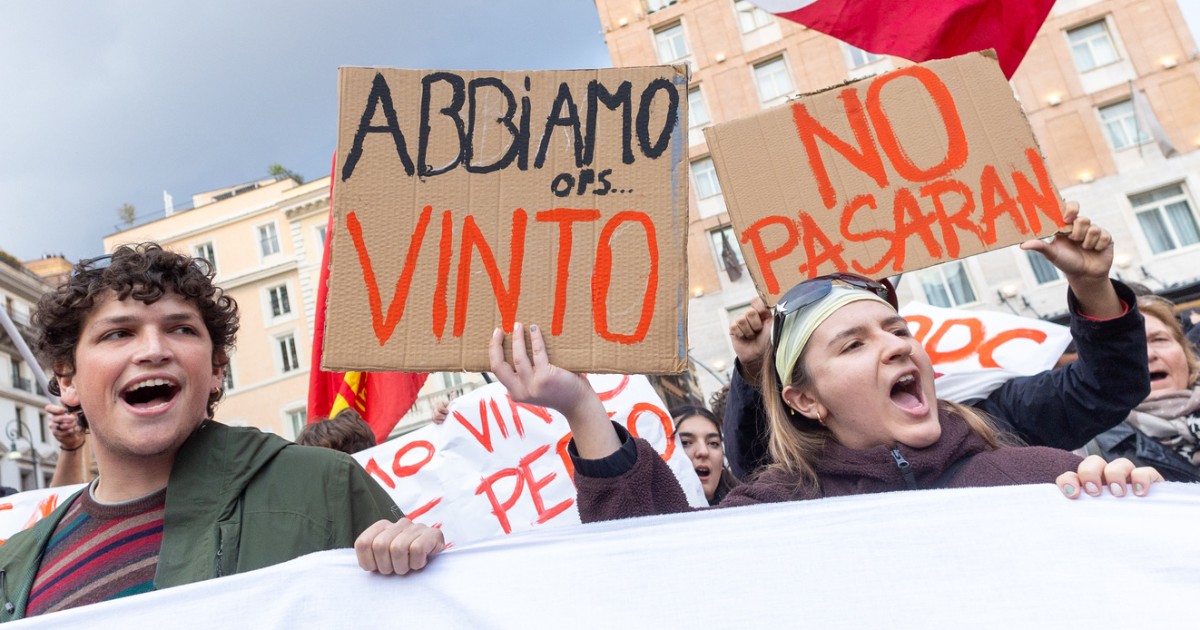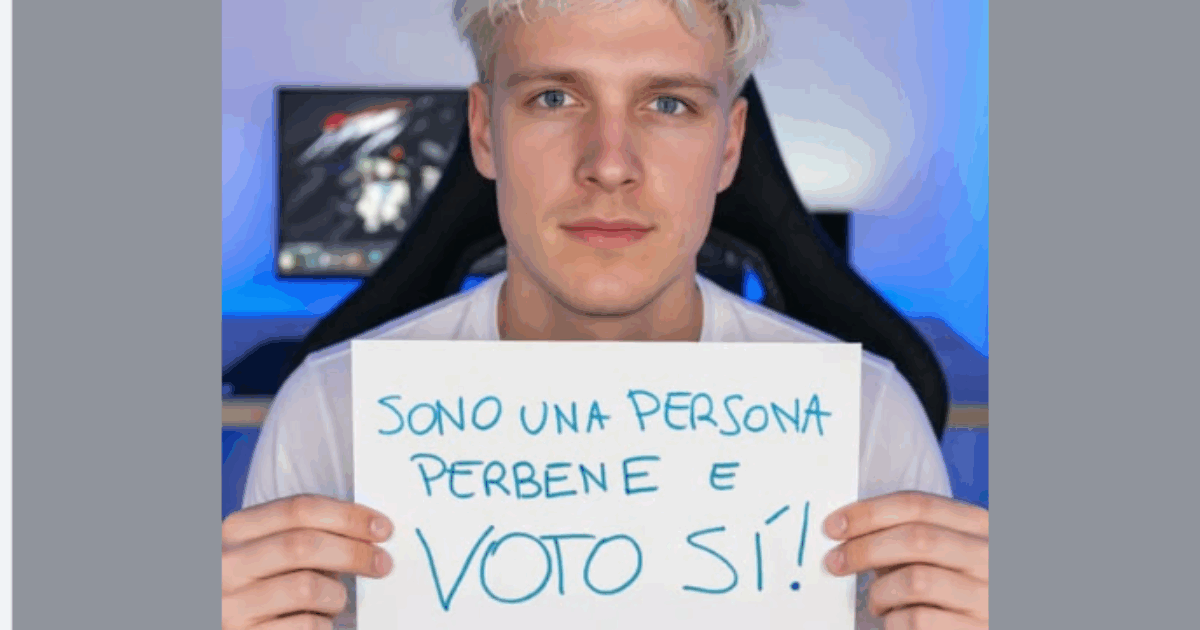
The hunt for influencers has begun. Party headquarters are combing through social media in search of "content creators": young, quick-witted people able to get political messages onto the smartphones of millions. For Giorgia Meloni, Elly Schlein and the other leaders, these digital communicators are no longer just a model to imitate. The new goal now is to involve them, co-opt them, blend the two worlds together. And with the next elections approaching, scouting has already begun to recruit them as candidates. This is the new frontier politics is racing toward. The decisive acceleration came on March 23rd, the day the center-right came out defeated in the referendum. Vote analyses landed on the premier's desk, and one figure struck her more than others: the No vote had been driven by under-35s (61.1%, according to Opinio polling). «Young people made the difference», Schlein celebrated. That segment of the population, painted for years as distant and uninterested, had suddenly mobilized. «They did it through social media, that's where the new generations get their information. The left has moved better than us on that terrain», admits Francesco Giubilei, 34, publisher and founder of Ribalta Media, a right-wing news page with over 350,000 followers launched a year ago. His is one of the names circled in red by Fratelli d'Italia. «Cultural hegemony», Giubilei argues, «used to be built in schools and universities — today Instagram or TikTok videos have to be factored in too». So, with the 2027 general election in view, alarm bells are ringing between Palazzo Chigi and FdI's headquarters: «We need to close the gap». The premier's staff had already sensed the potential of that world. In the middle of the referendum campaign, Meloni became the first prime minister to appear as a guest on a podcast. She chose "Pulp," hosted by Fedez and Mr. Marra, but once there she communicated as if she were in front of RAI's cameras. Younger generations speak a different language. And on that terrain, those who grew up on social media operate more effectively. Elon Musk's emissaries in Italy reached out to "Welcome to Favelas," an outlet with over a million followers founded by Massimiliano Zossolo. After that meeting, Zossolo declared himself a supporter of the Yes vote and shifted Wtf toward clearly right-wing positions: a page originally created to document urban decay became the megaphone for MAGA positions in Italy. The defeat at the ballot box lit the spark. From that moment on, an increasingly dense network of relationships has woven together among right-wing content creators: they promote each other's collaborations and projects, influencers are invited to appear on one another's pages. All of it serves to build an echo chamber, stimulate the algorithm, and, within that bubble, sustain a continuous echo of propaganda. This same purpose is served by calculated attacks against influencers on the other side of the political spectrum, such as Raffaele Giuliani, 24, not eligible to run but already orbiting the PD, or Giordano Gasperini, 26, an independent leftist. «After the referendum», Gasperini recalls, «right-wing social accounts accused us of being coordinated and on the parties' payroll. They built whole exposés against us, but it made me laugh because the truth is our organization is basically zero». The accusations run both ways — each side claiming the other has political string-pullers behind it. And both sides respond by insisting on the spontaneity of their own social media engagement. But there are also those who carry a party card in their pocket or are already considered close to a political force, such as Andrea Borello of the PD, Aldo Simonelli of the M5S, Ferenc Venturelli of the Lega, and Ascanio Carola and Francesco Merolla of Forza Italia. In some cases, says poet Virginia Veludo, known online as "Rossa Perpendicolare," people deliberately stay halfway across the river: «I've backed causes from certain parties that I identified with. Then in summer, the youth wings of many political forces, from M5S to PD, from AVS to Potere al Popolo, organize meetings and events, and I sometimes take part as a speaker — but I've never thought about running myself». Meanwhile, in left-wing political circles, hers is one of the names that comes up most often. Meanwhile, parties are cultivating relationships with progressive social media projects like Will Media, Torcha, FactaNews, The Good Lobby and Politicare. «We've collaborated with many of them, and a personal relationship has developed too», says Vittoria Baldino, a Five Star Movement MP. The Five Star Movement itself is also working with Jacopo Gasparetti, spokesperson for Sardinia's governor Alessandra Todde and creator of the news page Nxwss, with over 300,000 followers. On the opposite side of the barricade, the attempt is to replicate those outlets in a conservative key. Giubilei has studied them and describes them as "very clever operations where, out of 10 pieces of content published online, 7 are presented impartially while 3 have a clear left-wing slant. That way they come across to the public as independent, even though they aren't." In the sovereigntist and conservative world, a structured company called Esperia already operates along the same lines, run by Gino Zavalani, which has many points of contact with Fratelli d'Italia (to the point of having its influencers as guests at the party's Atreju festival). Federica Ciampa, a Senate consultant for Meloni's party, works for Esperia, as does Giuseppe Dia, whose company built FdI's website. «The concept of the follower matters less and less», explains Pietro Dettori, co-founder of Esperia. «Our videos, with around half a million followers, reach 5 or 6 million people and rack up as many as 40 million views». His influencers regularly interact with other right-wing social media companies, such as The Right Side, created by Alessandro Fornaciari, or Galt Media, or Welcome to Favelas itself. And drawn into this network are "independent" influencers like Simone Carabella and Simone Cicalone, active in Rome, or Leonardo Ciaramelli, who created the page "Il mondo che vorrei" to expose thefts and violence on the streets of Florence. All of them courted and flattered by party headquarters. «I've already had offers to run for center-right parties», says Ciaramelli. «Vannacci's people reached out to me recently too, but so far I've always said no. We'll see further down the line». Vannacci's supporters got in on these dynamics right away. They've set their sights on Luca Venier, an influencer who supports "remigration" and backs the "ethnic replacement" conspiracy theory, and on Massimo Salvati, 30, a content creator for GaltMedia, officially enlisted in the general's party. «A battle is going to open up within the center-right», predicts Fornaciari, the creator of The Right Side, «because Meloni can't afford to have all the under-30 influencers go over to Vannacci». And this competition "will bring quarrels and envy. The spontaneous network that exists on the right right now, not being structured, will turn into an every-man-for-himself situation." The arrival of politics is also seen as a danger on the left. «The PD and AVS have reached out to me several times, and I identify with a lot of their ideas», says Gasperini, «but if the parties start recruiting content creators it'll be a problem for our world, because it'll get poisoned by careerism. Our credibility lies in being independent». The impression, however, is that influencers' hopes of keeping a safe distance from the parties are bound to fade quickly. And the 2027 elections will speed up the process. Content creators can become a powerful tool for shaping how people vote and, as candidates, perhaps even for boosting electoral lists. For party leaders, it's no longer a matter to mull over. It's a strategy already being put into action. Versione italiana
Parties on the hunt for influencers: “Whoever racks up followers can sway the outcome of the vote”
Young people were decisive for the “No” in the referendum: scouting begins from right to left
1,276 words~6 min read