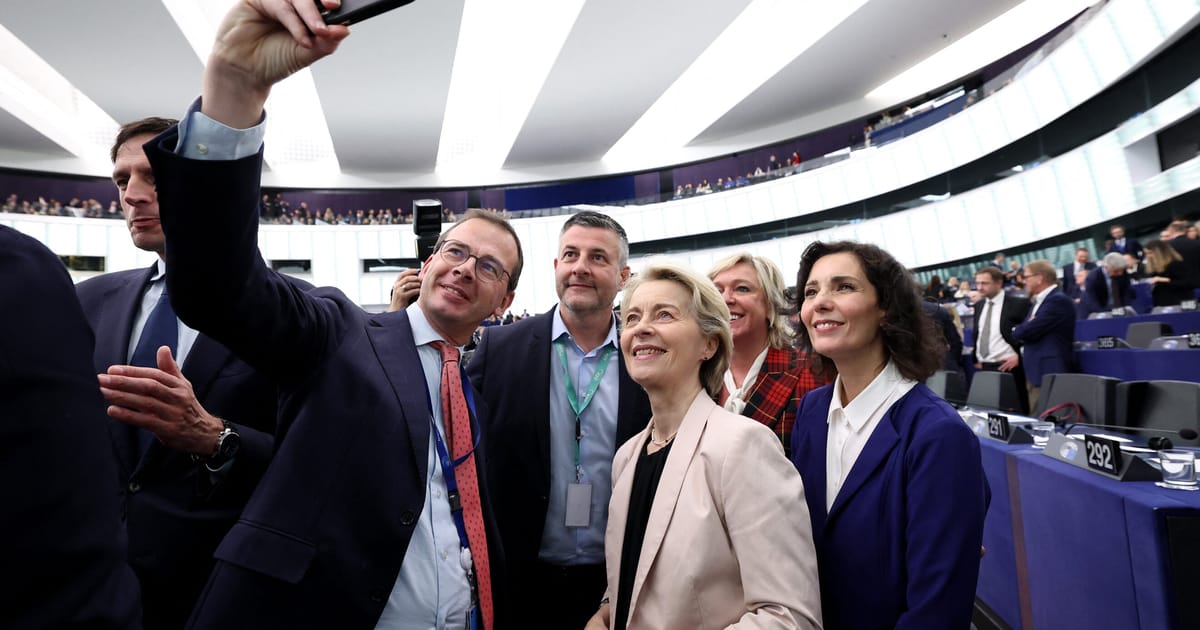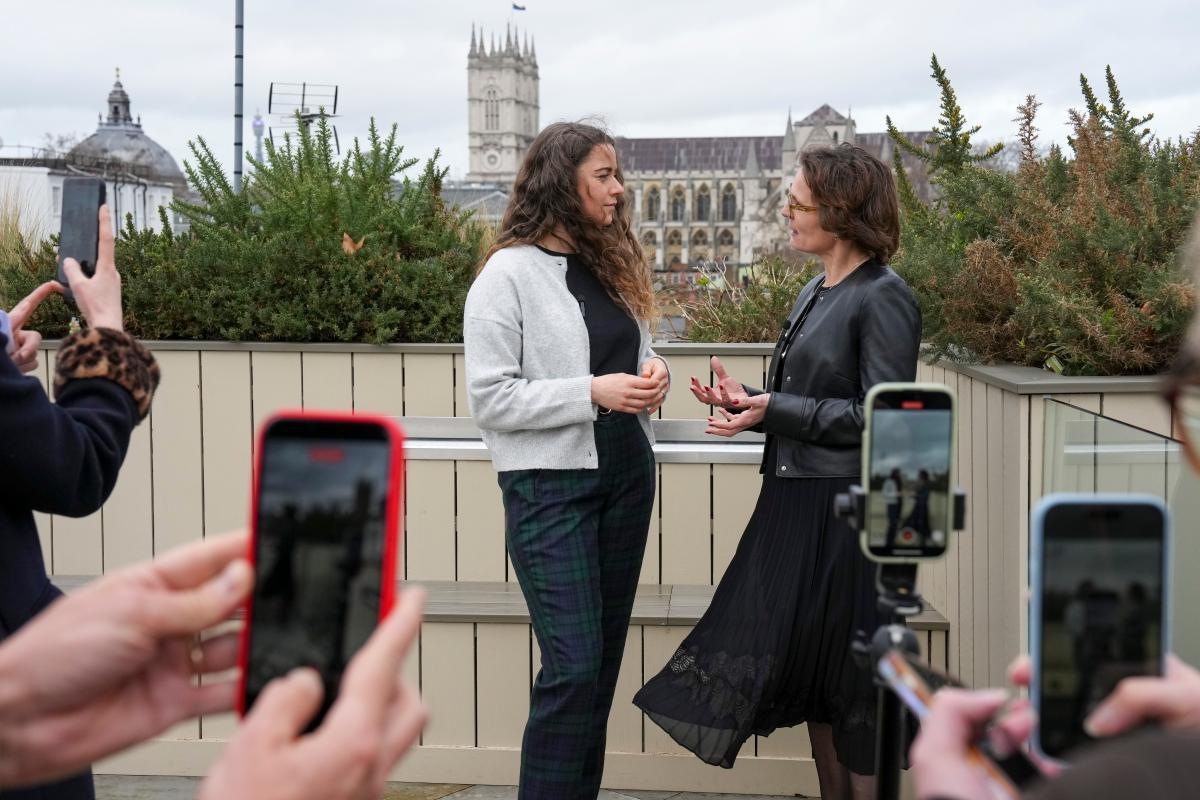
Welcome to the new era of Brussels diplomacy, where ‘likes’ matter – and so do content creators on social media, who are gaining increasing access to EU institutions, in a high-stakes bet to win over Gen Z.
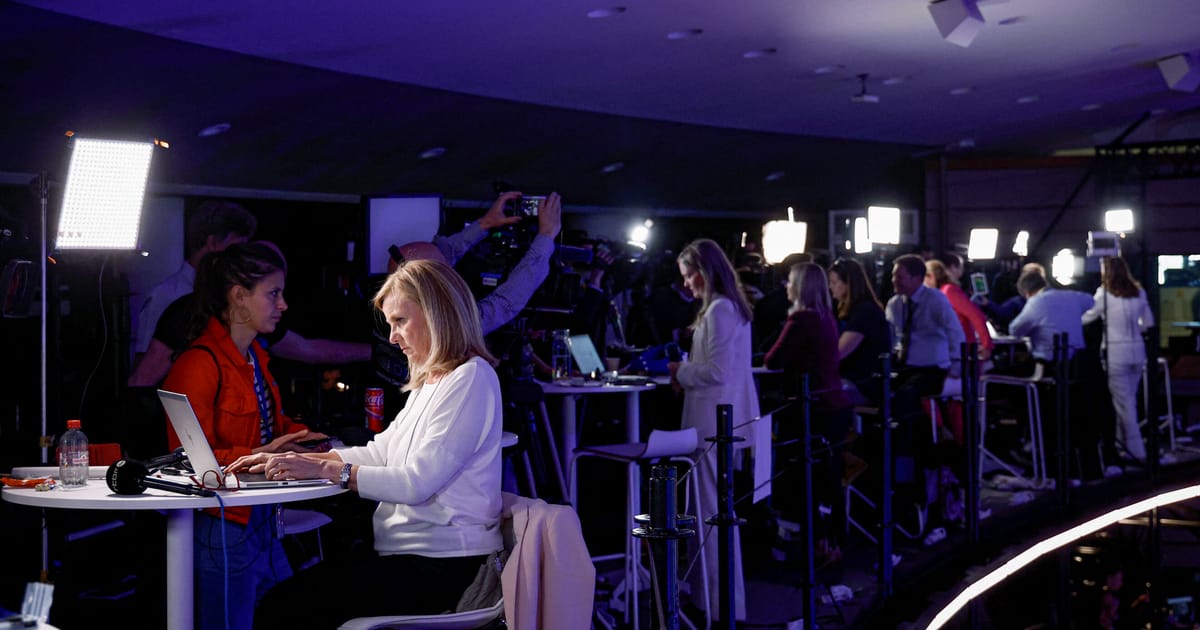
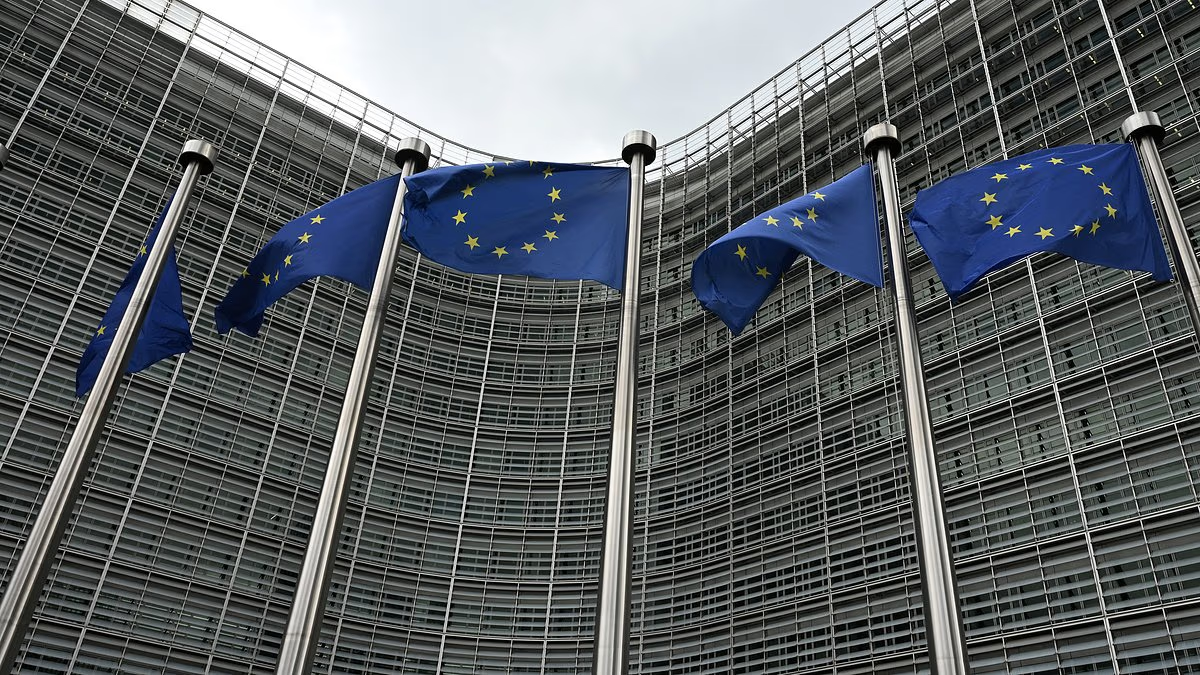
Facing a generation that increasingly rejects getting news from legacy media, the European Commission, Parliament, Council, and even Nato are courting influencers and content creators to sell their activities to a younger European public.
This isn’t an isolated practice. It is a new shift in political communication.
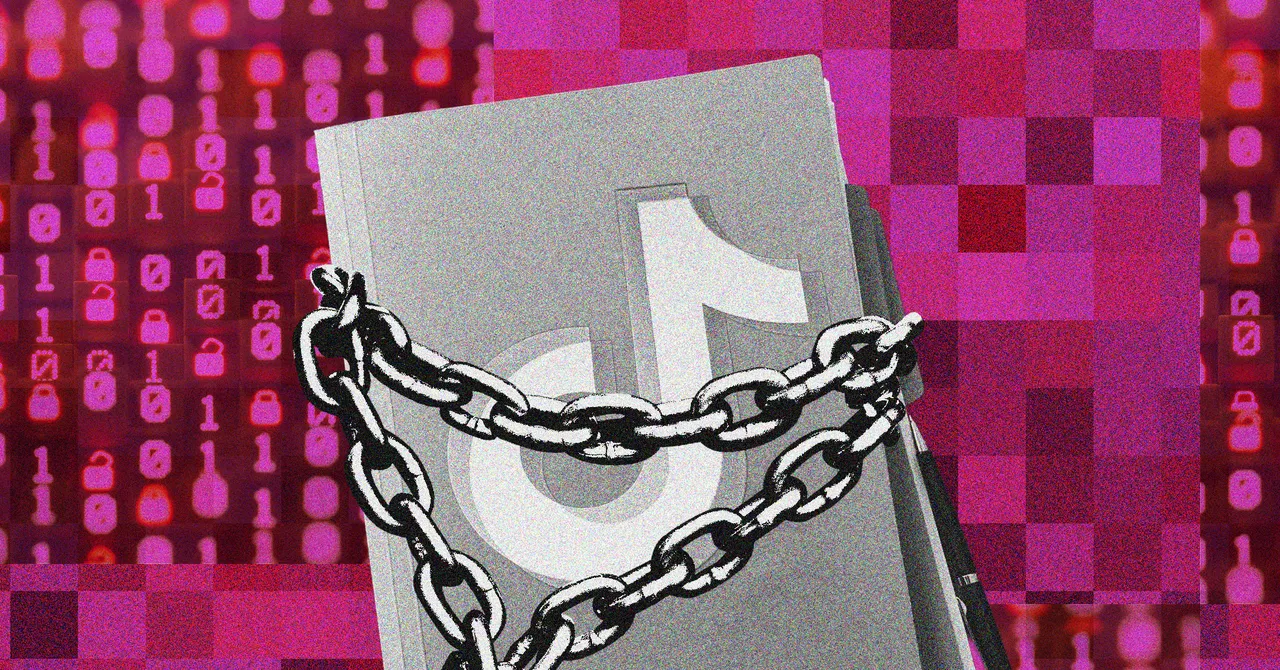
But as Brussels courts the content-creator economy (estimated at $41.8bn [€36.6bn] in 2026), questions remain about accountability, opaque selection processes, and a fundamental clash with the traditional press — blurring the line between modern public outreach and soft PR.
Content creators traditionally operate in a legal grey area – but there are more and more national rules on, for example, sponsor disclosures. Countries such as France and Germany have tightened disclosure rules requiring influencers to clearly label sponsored or institutional content, following a wave of scandals over undisclosed political and commercial partnerships.