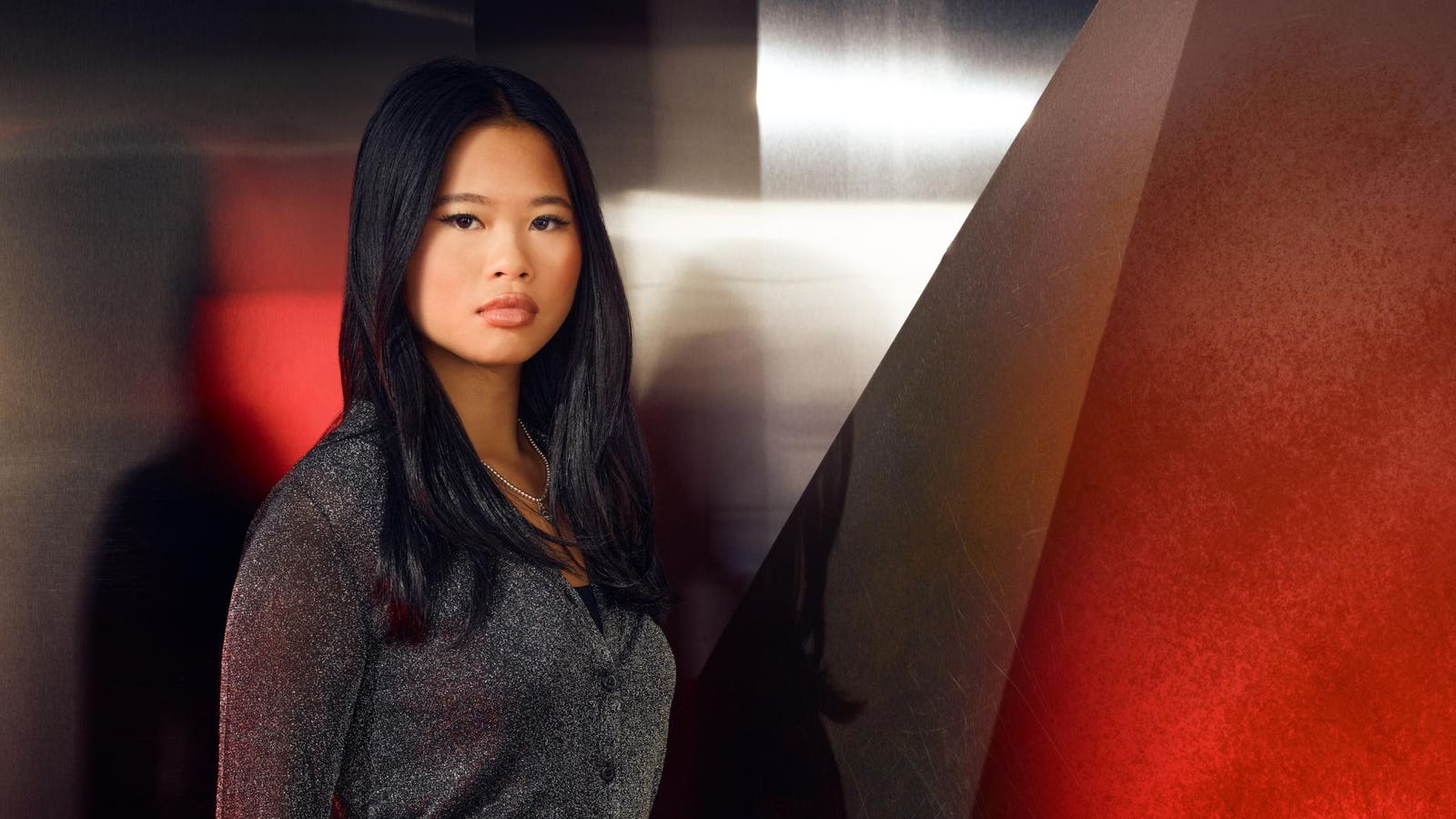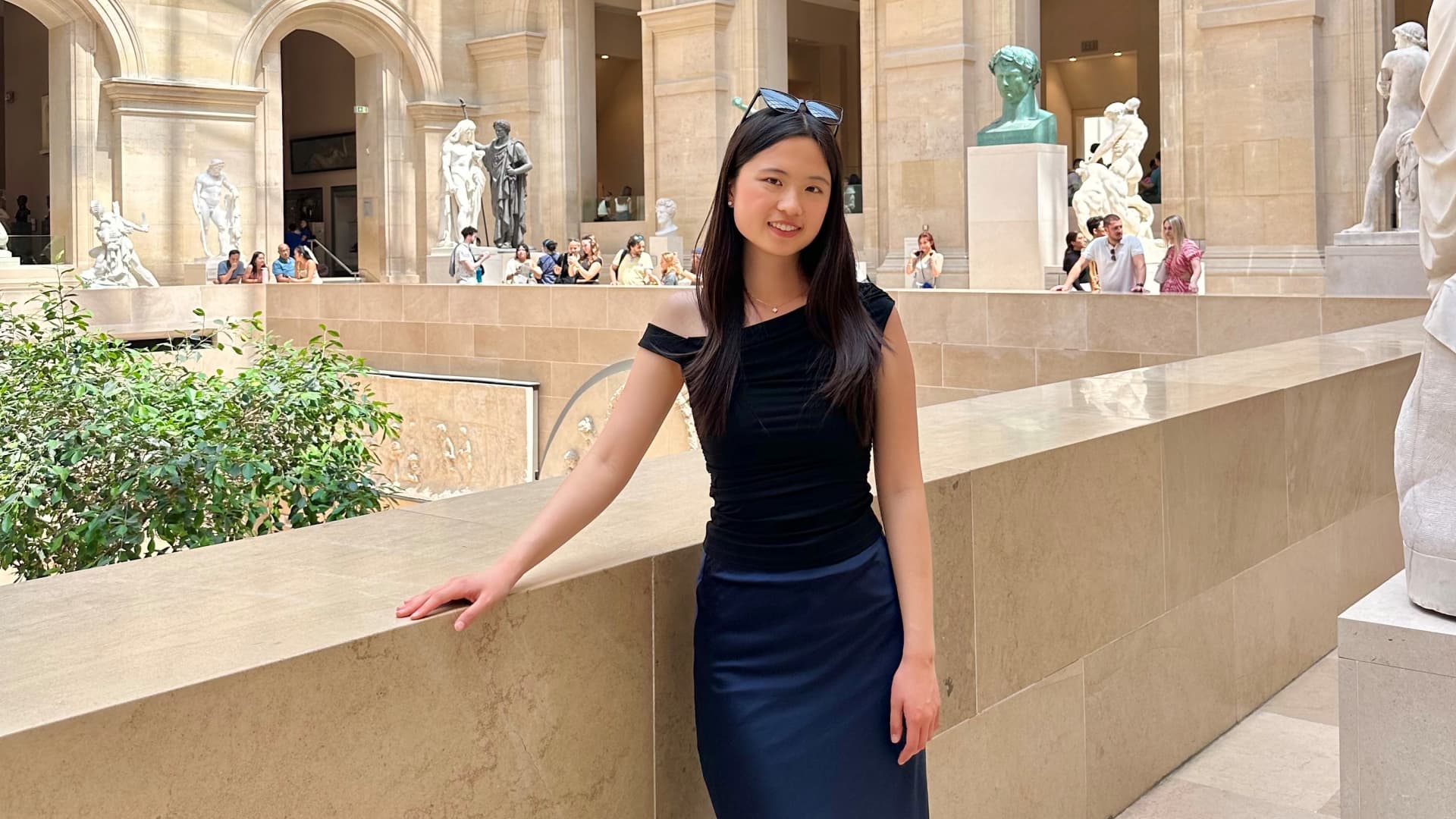
Maria Comstock didn’t have a phone until she was 18. By her next birthday, she had a million followers.
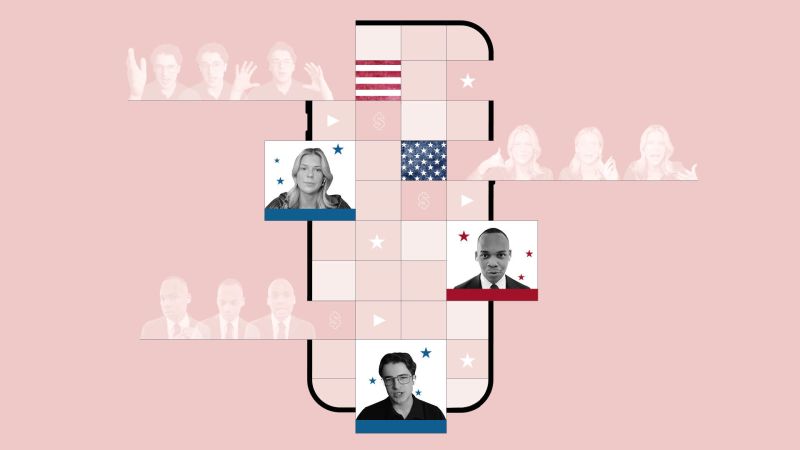
Her “Point of View”-style videos on dating, politics and the workforce caught the eyes of social media users and, eventually, political campaigns, who found them relatable. What began as a Covid-era hobby has turned into a job.
But as it turns out, the work of a Gen Z political influencer is a complicated, unruly business, Comstock and others can attest.
Filming, production and publishing can come with all the responsibilities of a media executive. The clients can be demanding. The atmosphere is often competitive. The pay is inconsistent. And the party you support might get voted out of office anyway.
“Everyone’s a content creator in this day and age,” says Comstock, now 24 and using her digital fluency to help Democrats. The political work is “hard to define both legally, and on campaigns, in payment systems, and it’s just a new world that’s ever, ever evolving – and it gets messy.”