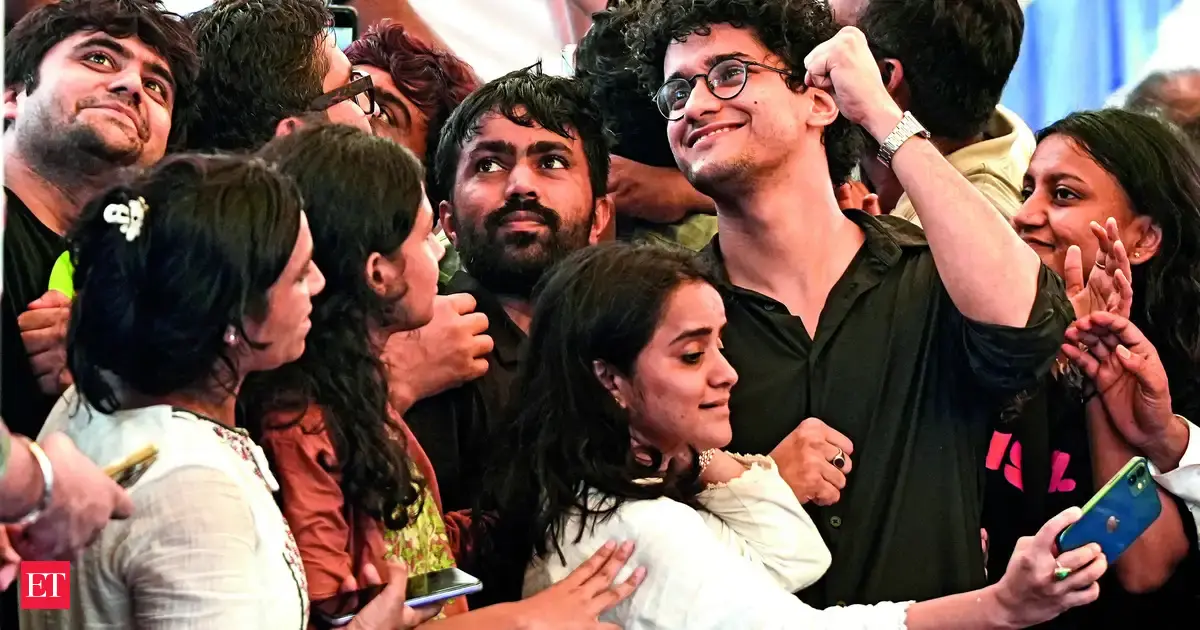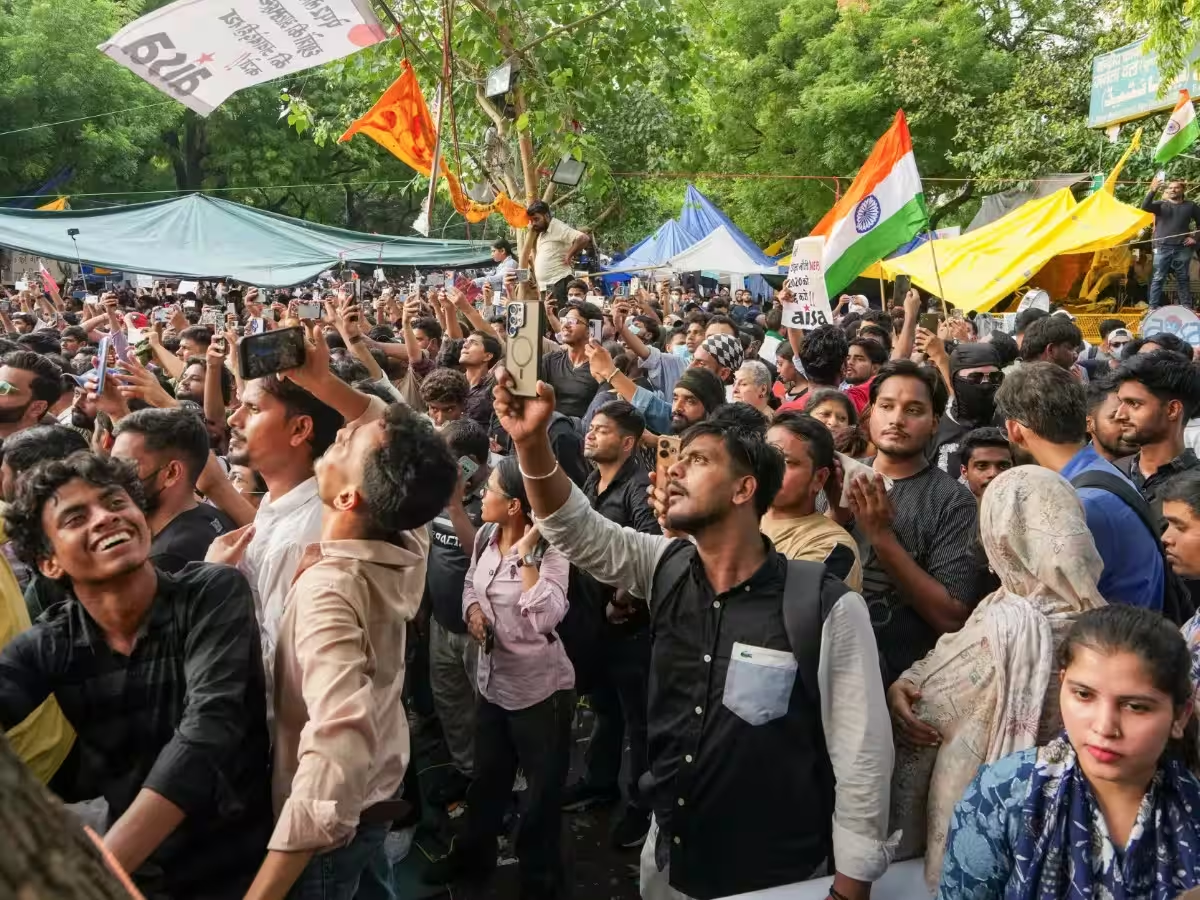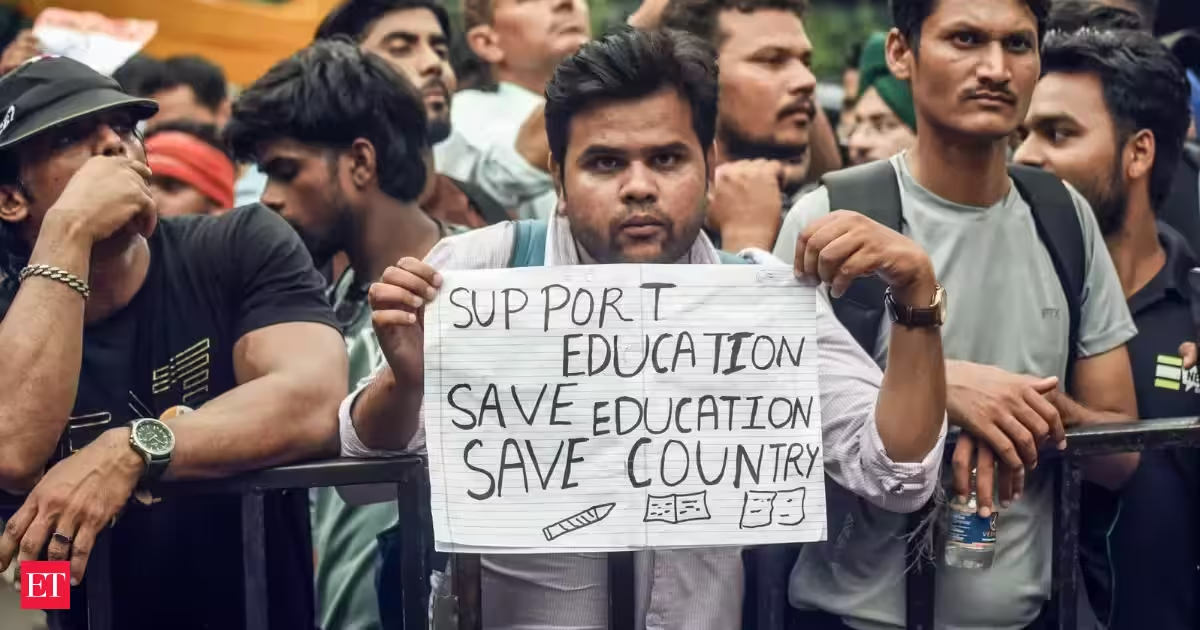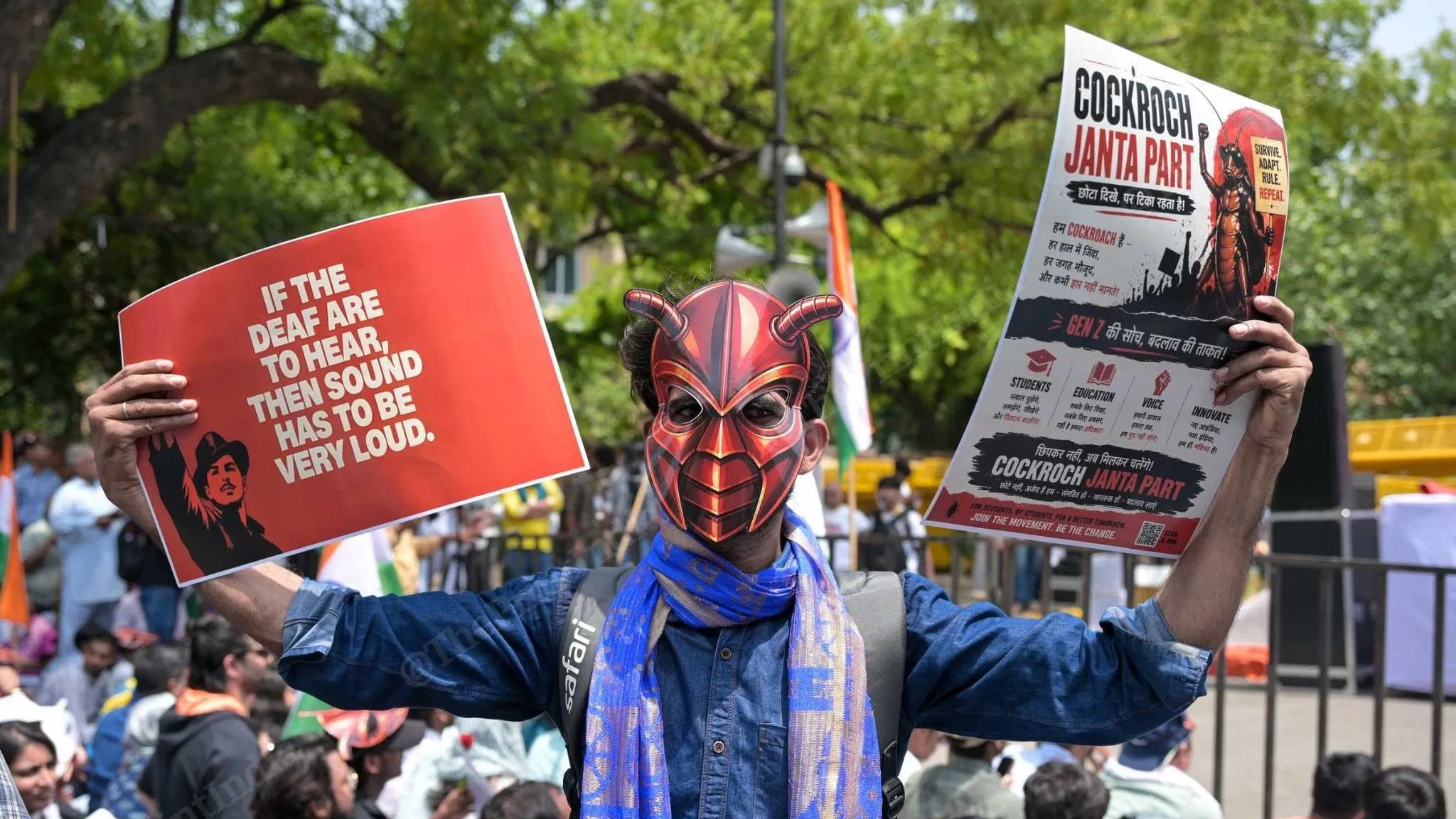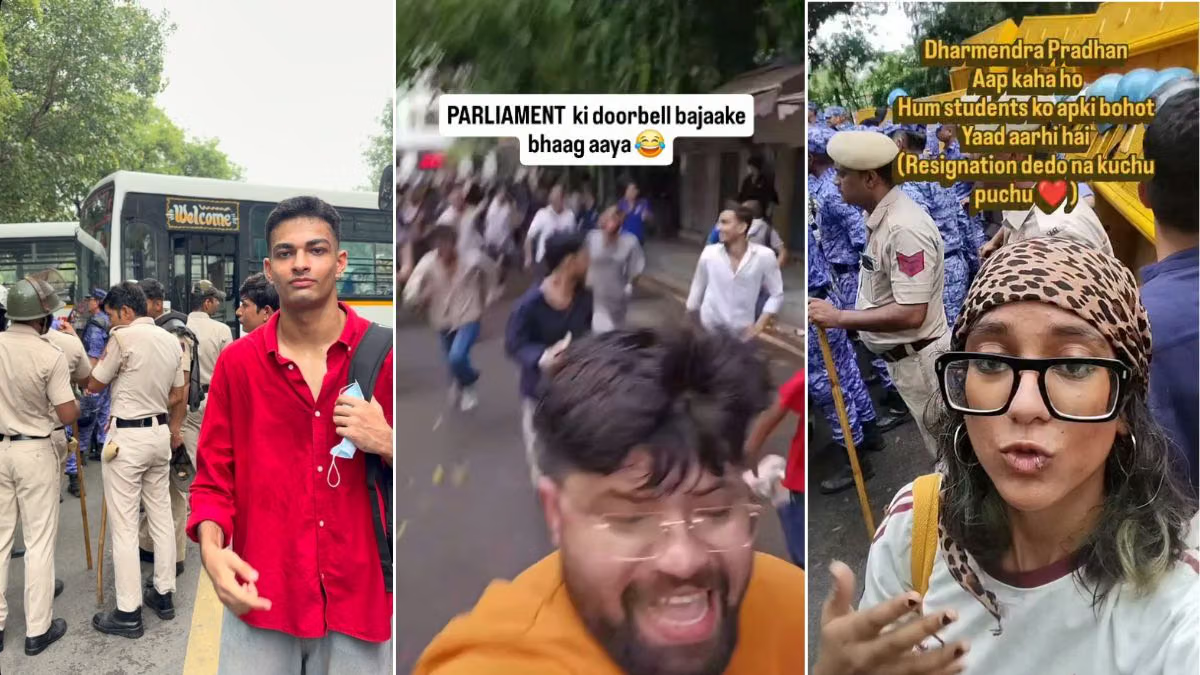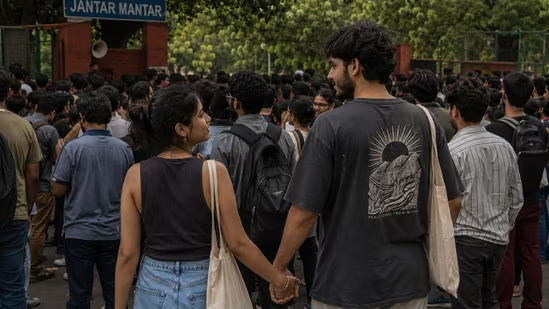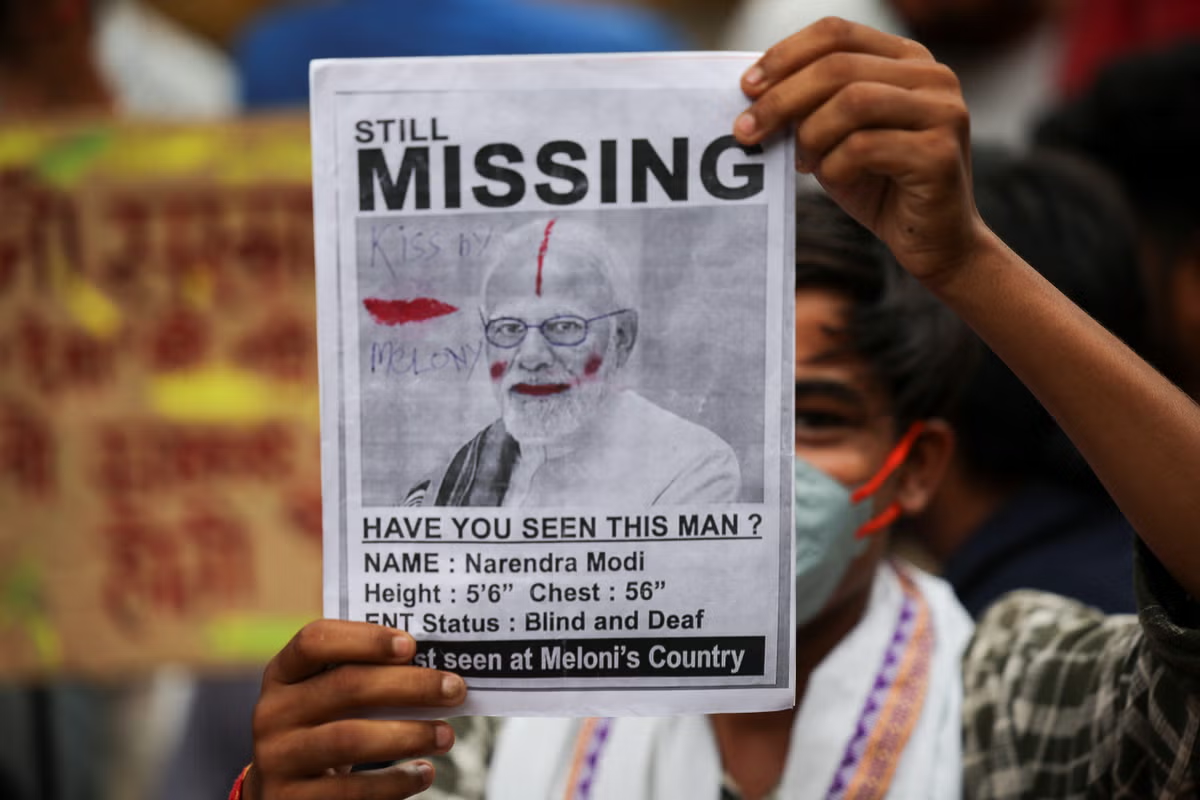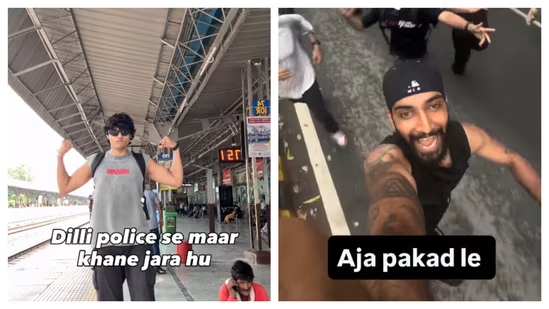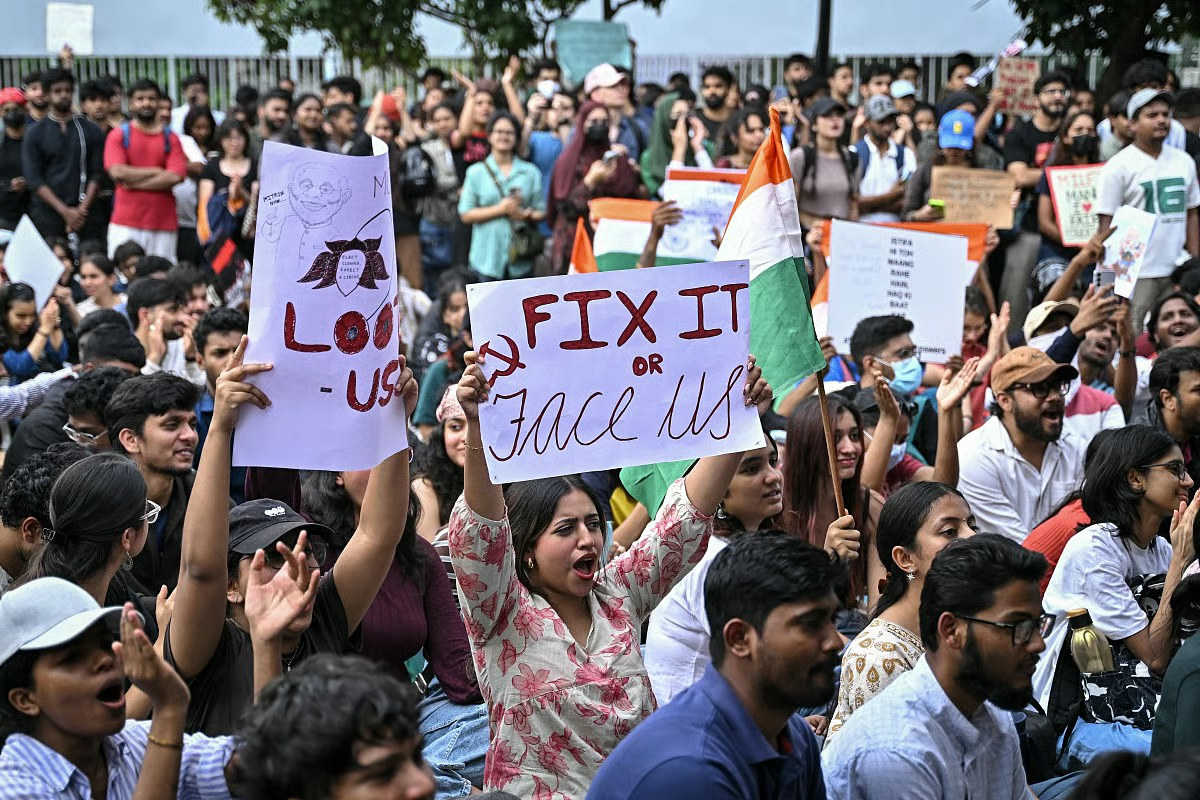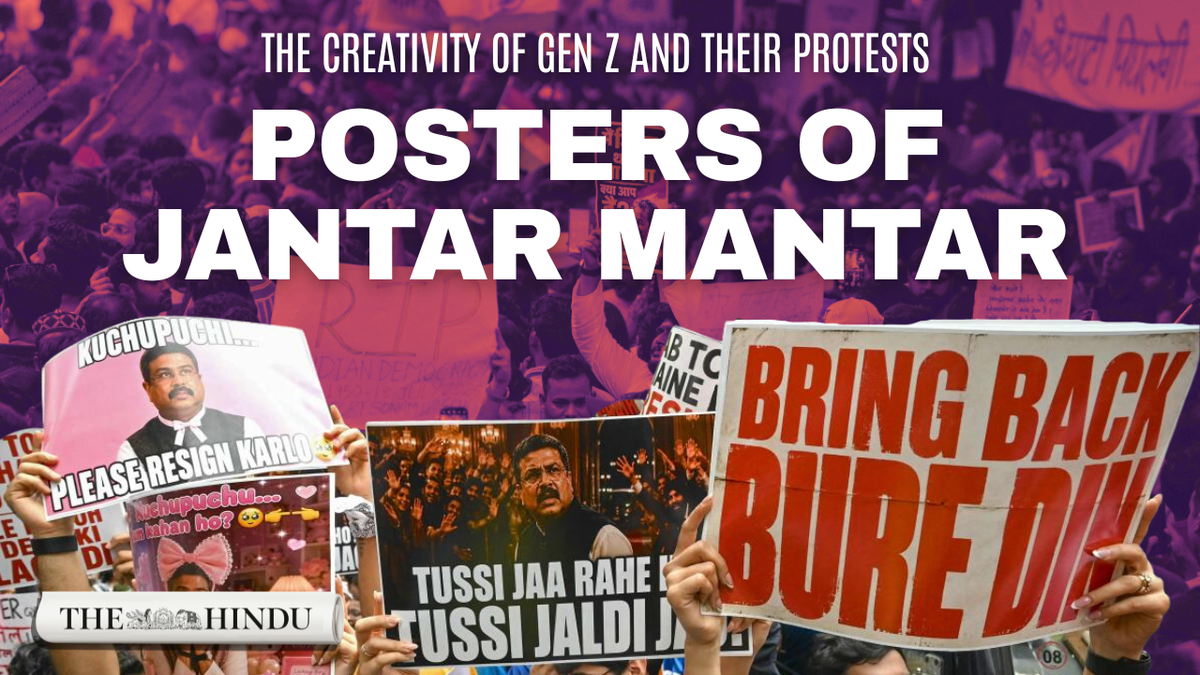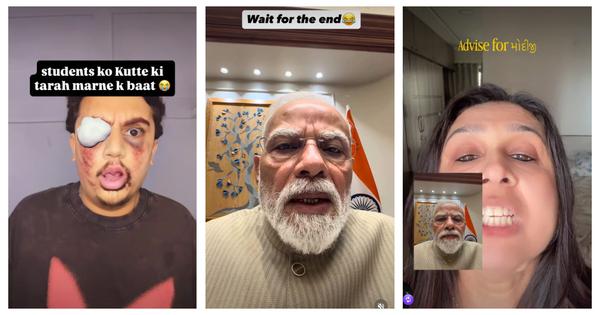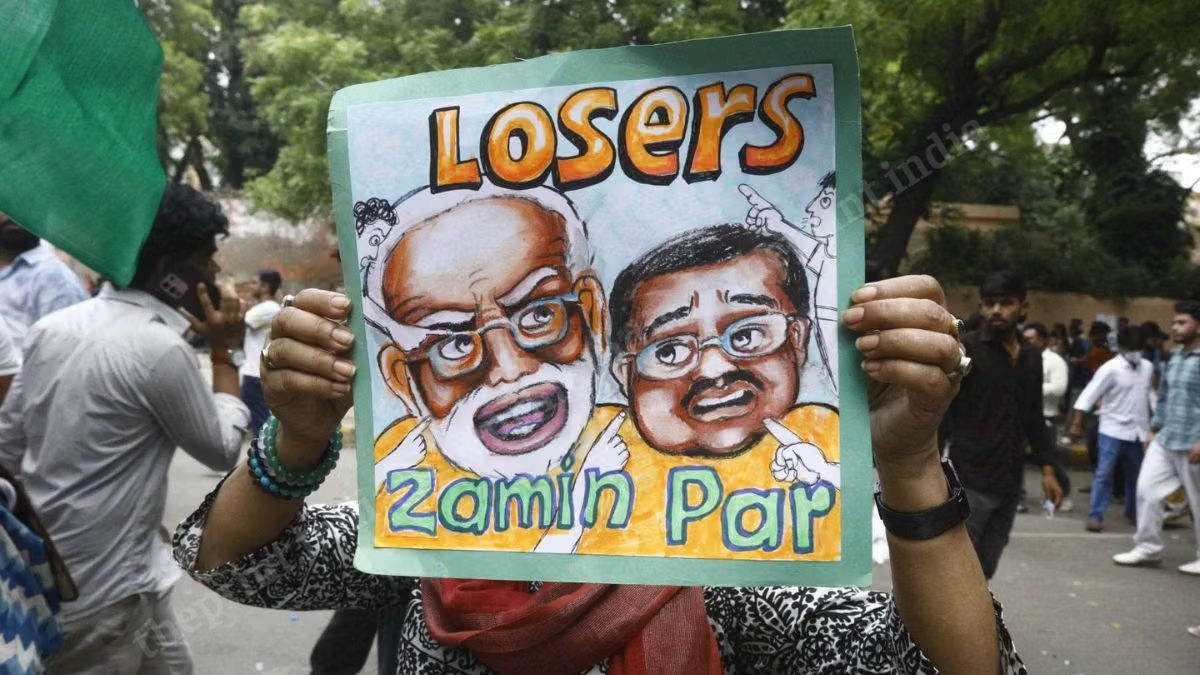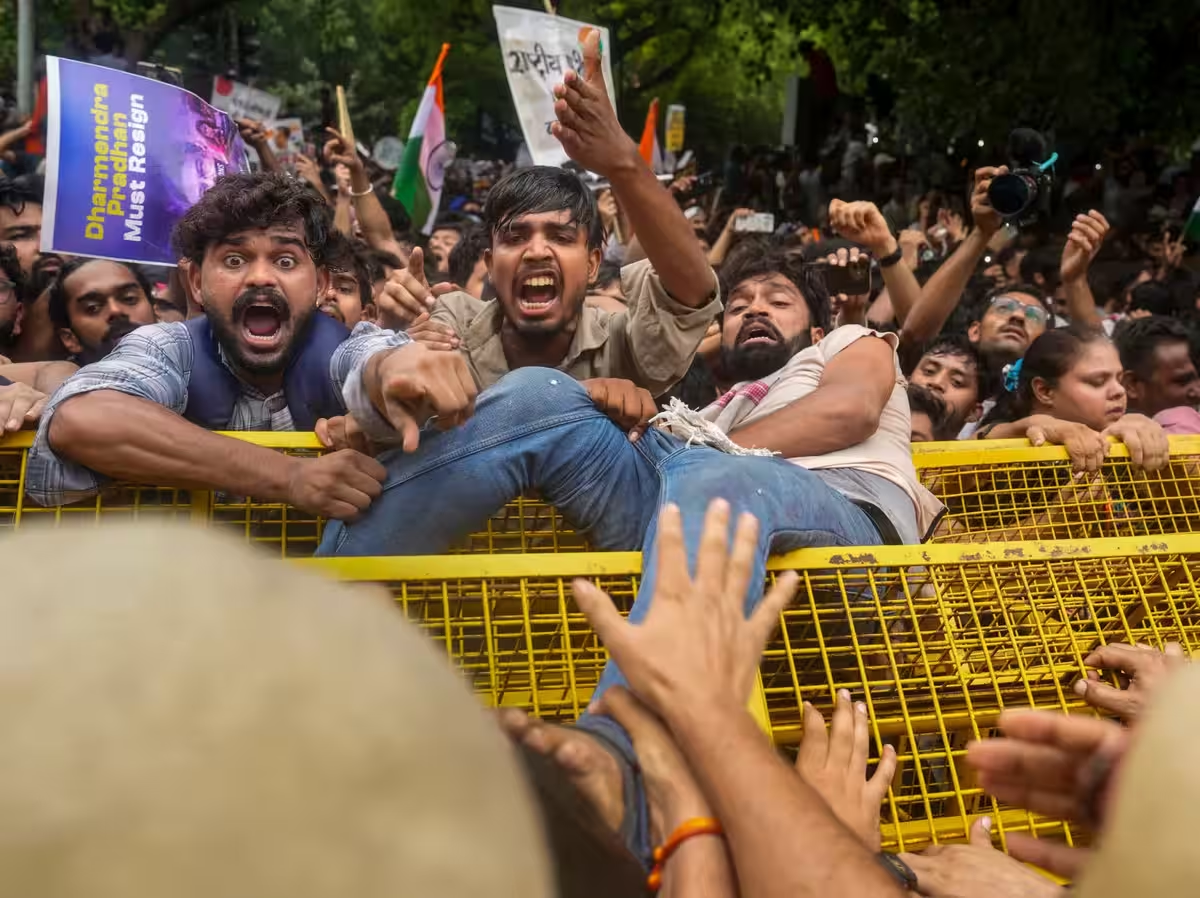
SynopsisStudent protests utilized social media's short-form content for engagement and understanding. Humorous reels and witty placards initially captured attention, drawing viewers into the movement. These short clips collectively provided a richer understanding of the protest's core issues. Creating and sharing content became a significant form of civic participation for many. The movement's reach extended online, allowing broader engagement beyond physical presence.Get Ready With Me to Get Beaten Up by the Police." "So bad, even the privileged are here!" "Kuchu puchu, tum kahan ho? Please resign kar do.” “Police uncle: Ek danda laga do!" A parody of the hit Punjabi song Dil Luteya, rewritten as Desh Luteya. Protesters dressed as giant cockroaches. Videos of police chasing students edited to the soundtrack of Subway Surfers.A week ago, these may have sounded like unrelated internet memes. Today, they areNow Playing
How Gen Z turned protest into content: Reels, memes and the new language of dissent - The Economic Times
Student protests utilized social media's short-form content for engagement and understanding. Humorous reels and witty placards initially captured attention, drawing viewers into the movement. These short clips collectively provided a richer understanding of the protest's core issues. Creating and sharing content became a significant form of civic participation for many. The movement's reach extended online, allowing broader engagement beyond physical presence.
137 words~1 min read