Jeon Su-mi
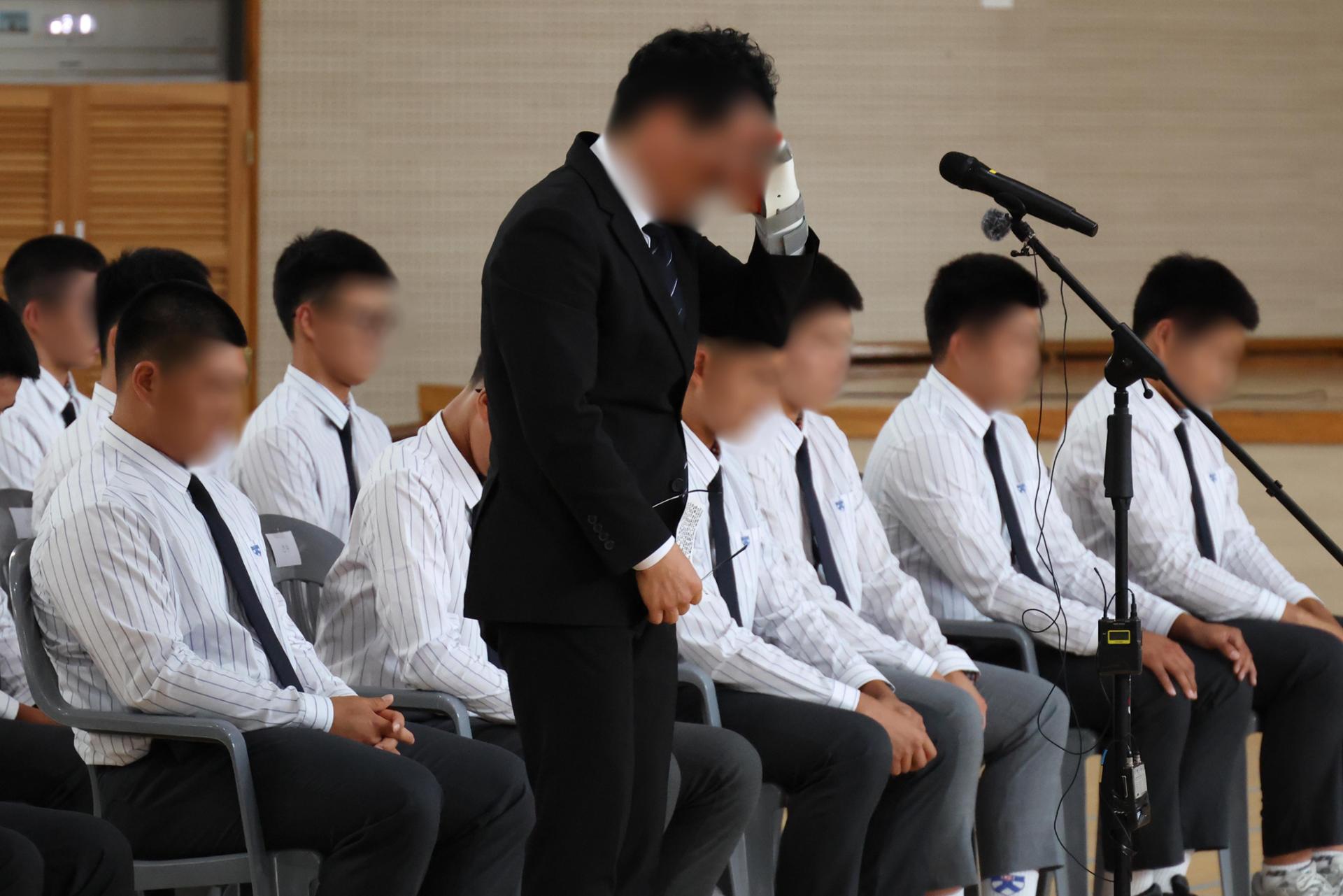
A recent incident at a national high school baseball tournament has sparked a heated debate in Korea regarding history, education and the responsibilities of adults.
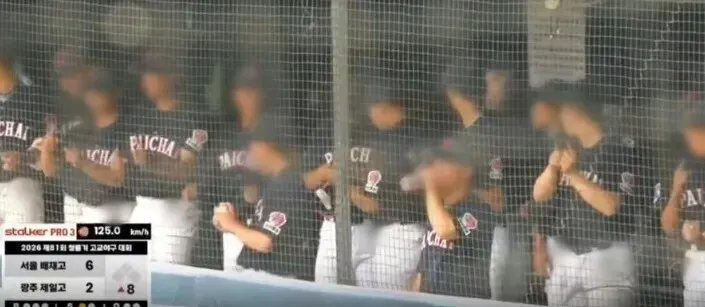
On June 29, during the Blue Dragon Championship at Seoul's Mokdong Stadium, several players from Paichai High School chanted “Let’s go to Starbucks” and “Tank Day” at their opponents from Gwangju Jeil High School.
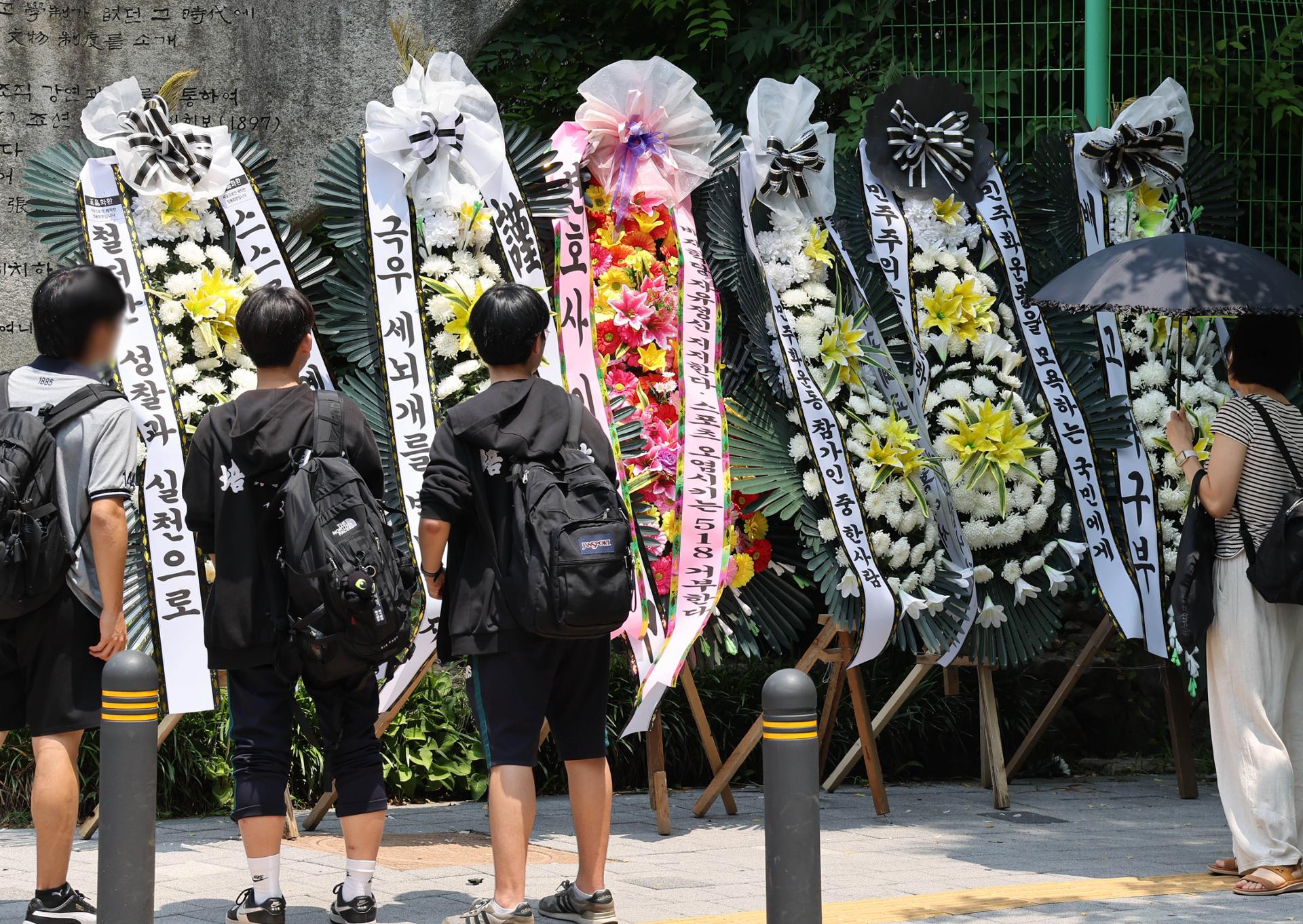
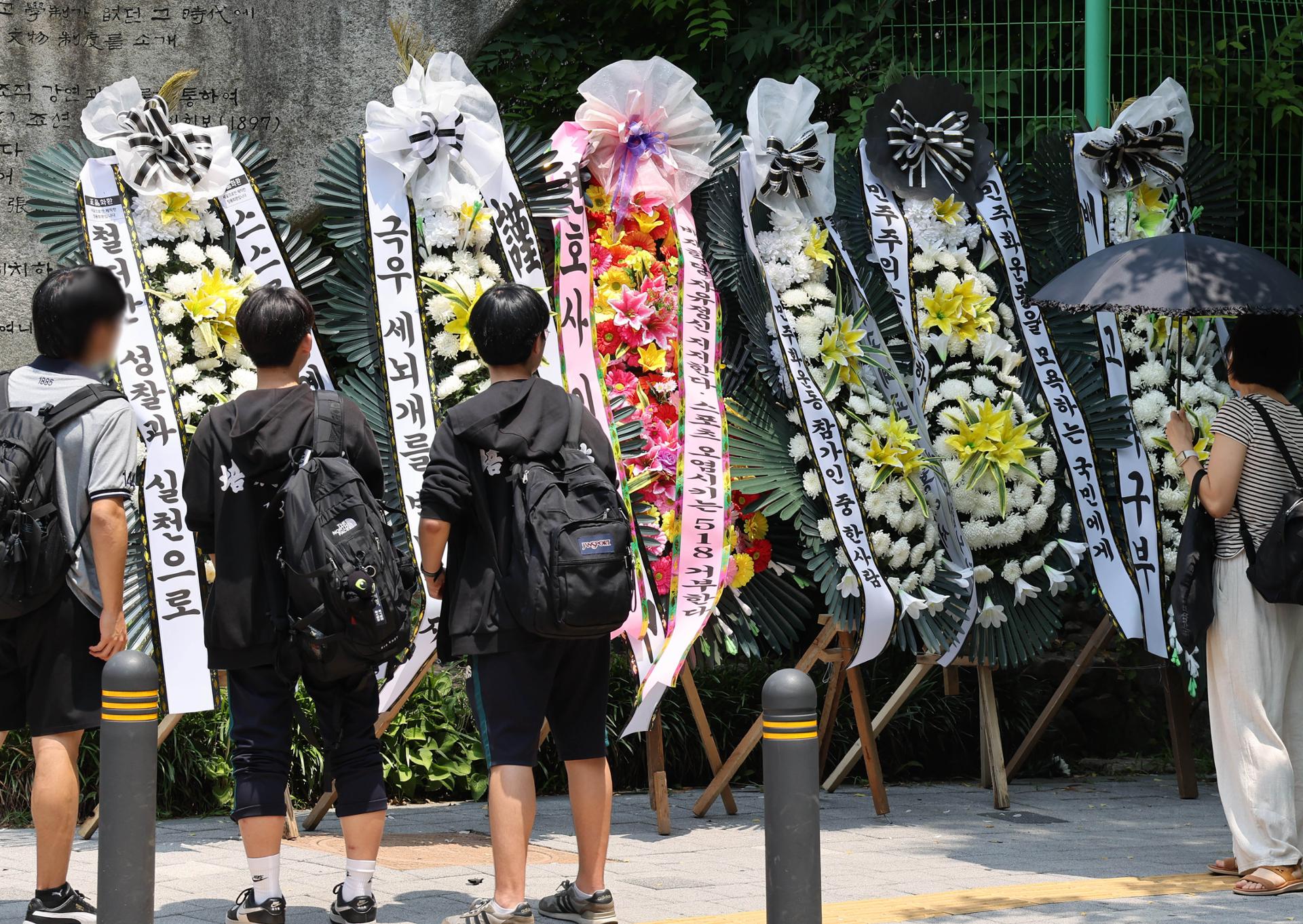
To international observers, these phrases might seem bizarre but harmless. However, in the Korean context, they served as a deliberate dog-whistle. The chants referenced a recent controversy over a Starbucks Korea "Tank Day" promotional event on the anniversary of the May 18th Gwangju Uprising — a tragic 1980 incident in the nation's southwestern region where military tanks were used to brutally suppress civilian pro-democracy protesters. Echoing these phrases was widely condemned as a malicious mockery of historical trauma and regional grief.
While some might misguidedly attempt to defend these remarks under the banner of "freedom of expression," this argument fundamentally misses the mark. True liberty does not encompass the right to weaponize historical grief or exploit the vulnerabilities of a specific region. At the same time, we must critically examine the response of certain intellectuals and politicians. Rather than providing a principled critique, some have offered only token reprimands while largely defending the students, seemingly to align themselves with specific political factions. This approach risks prioritizing partisan safety over genuine moral guidance.