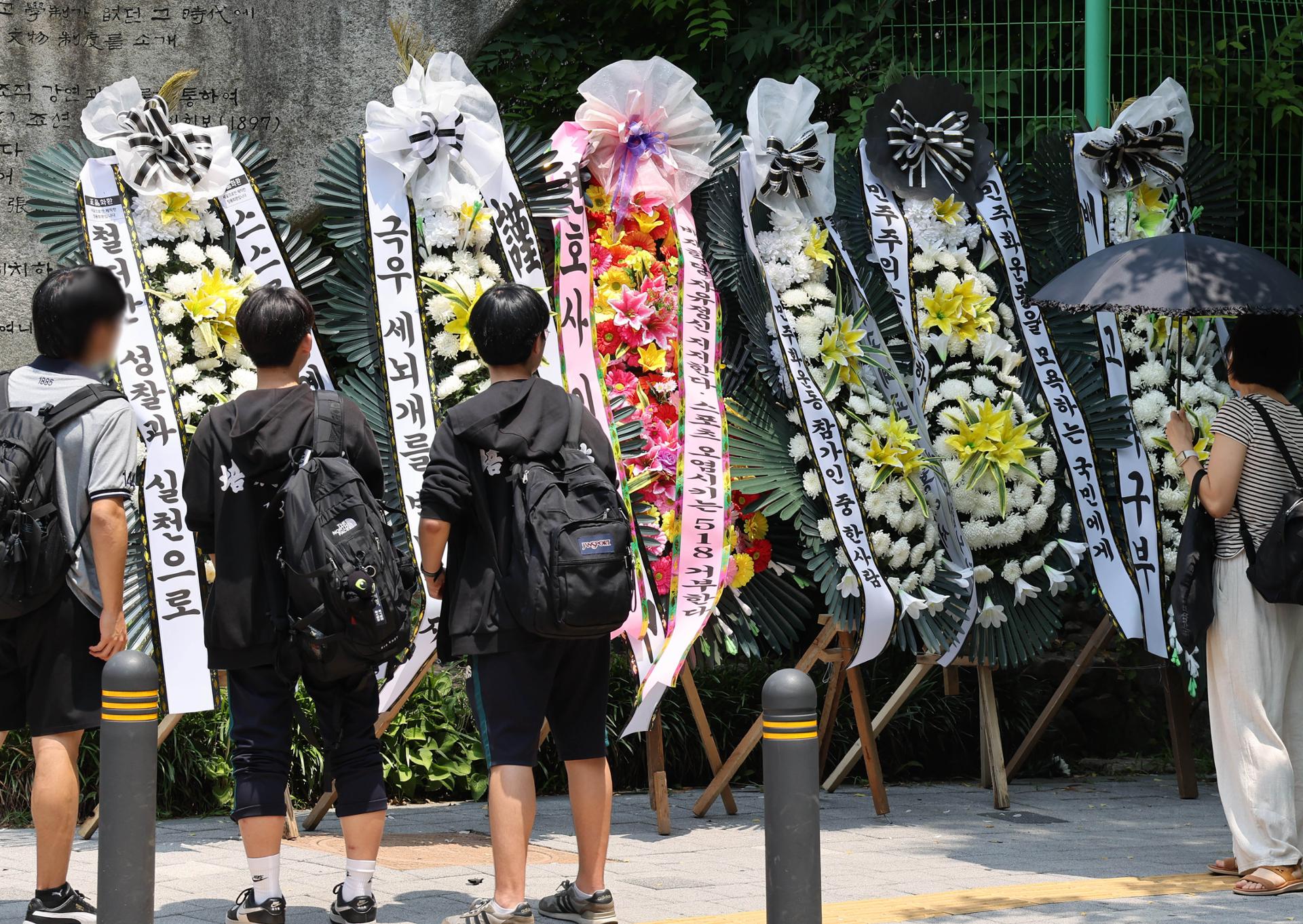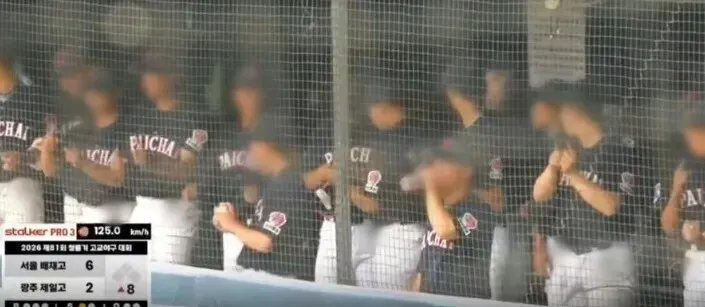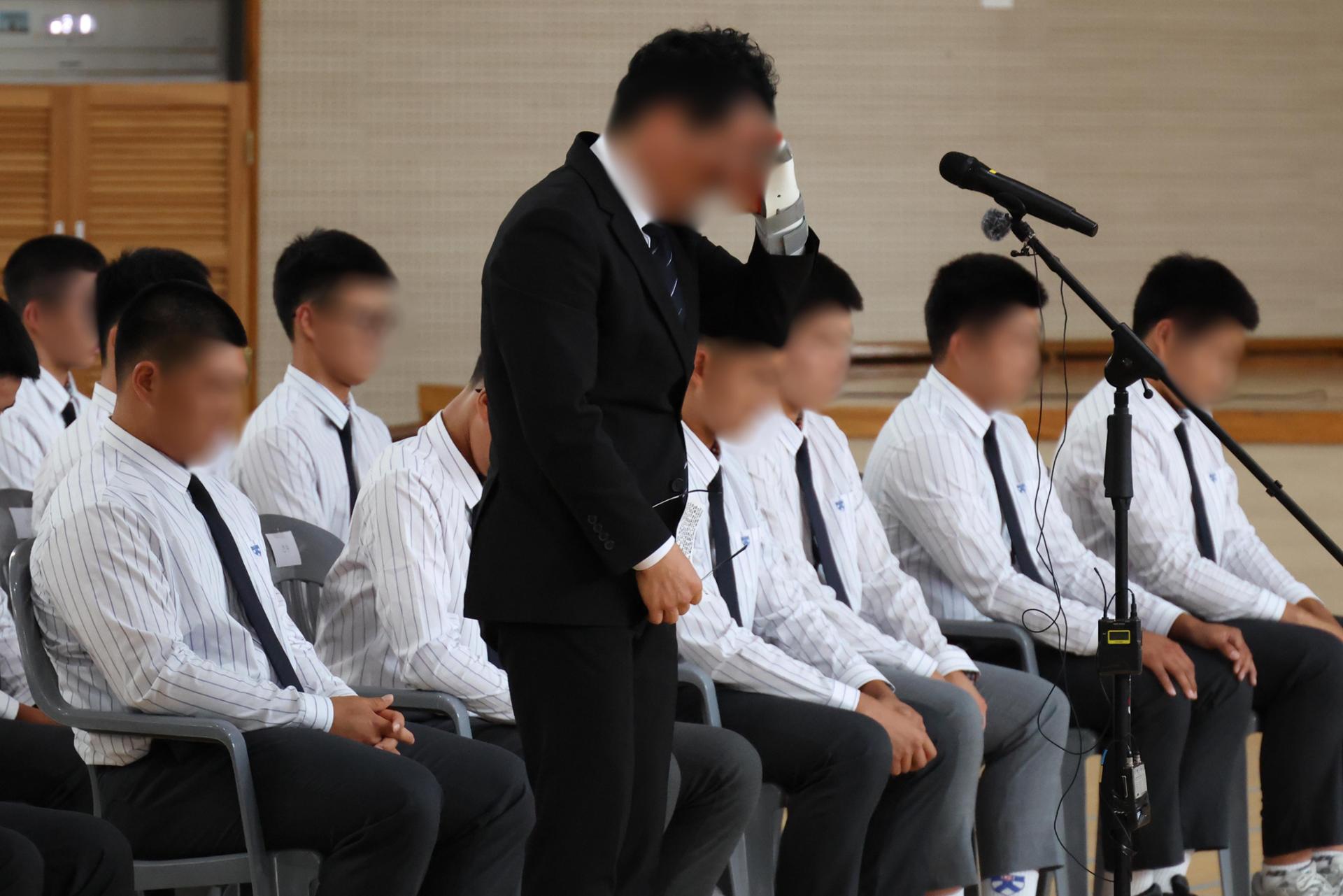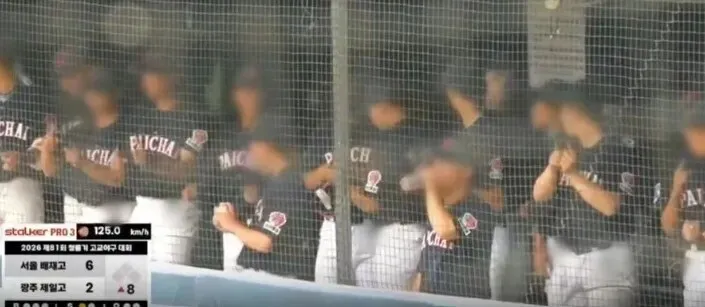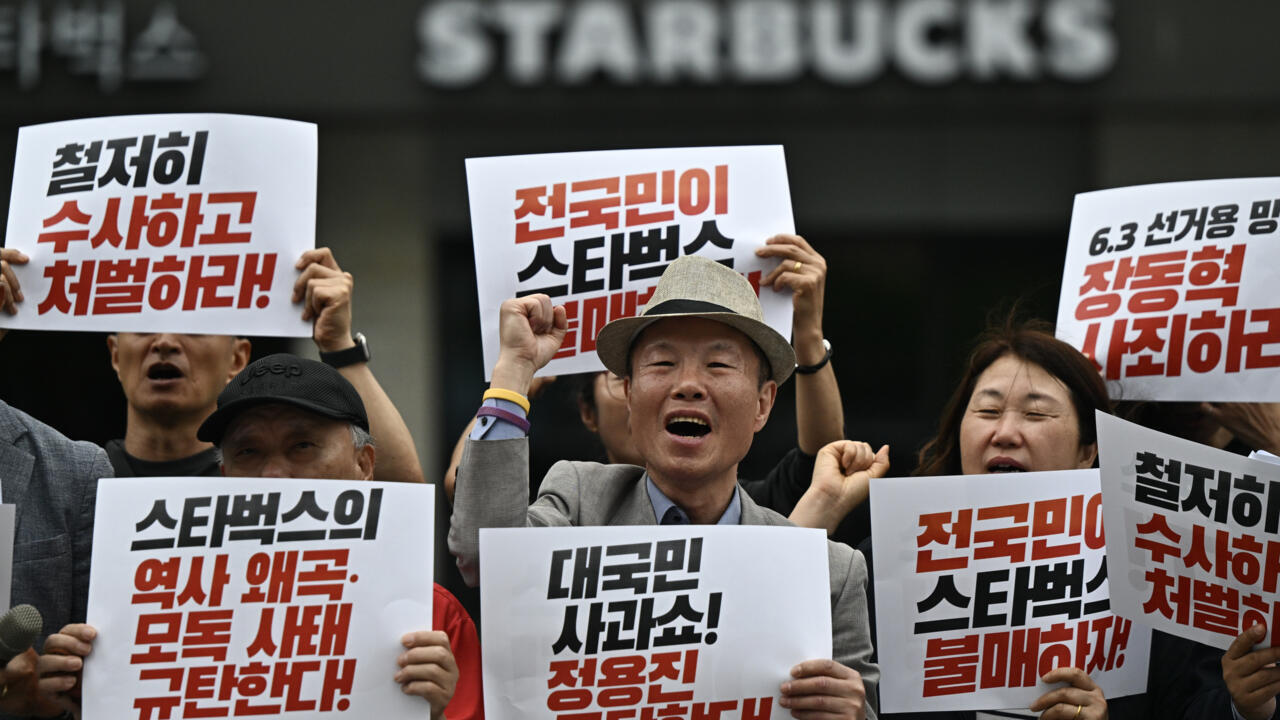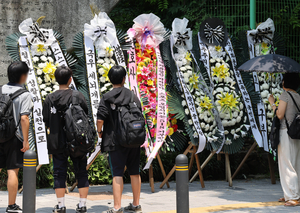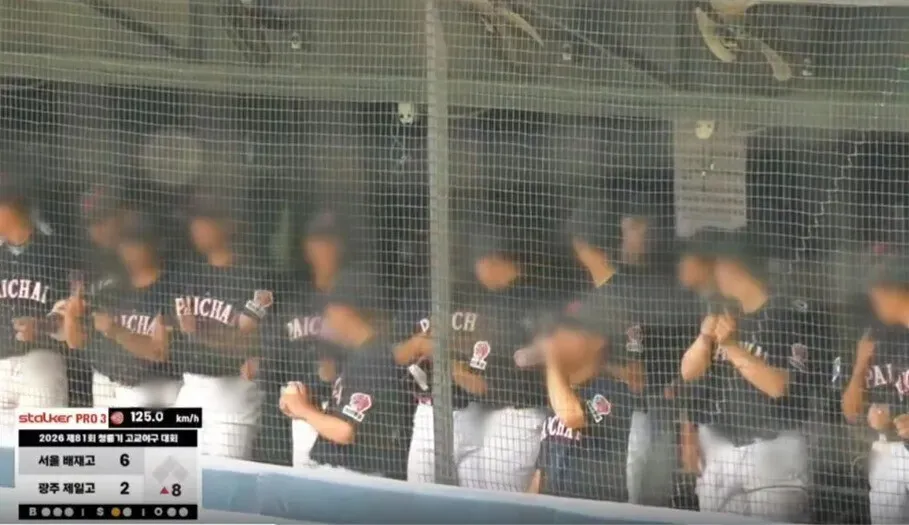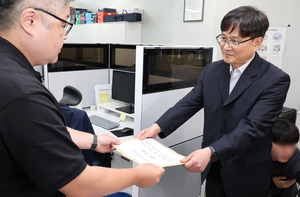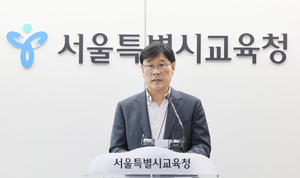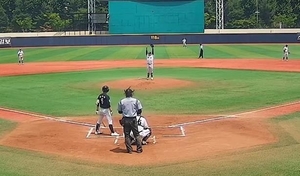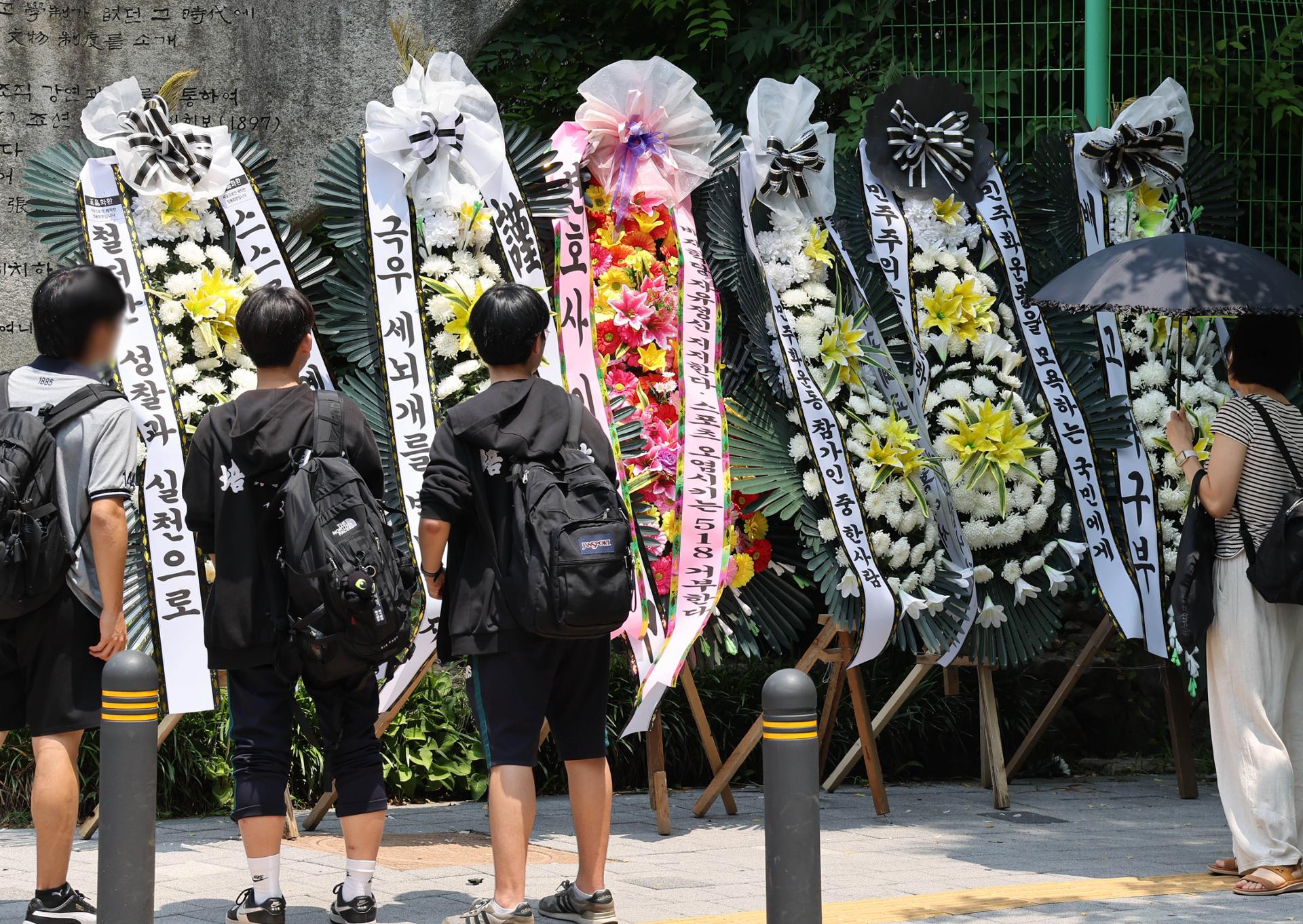
Condolence wreaths are placed in front of Paichai High School in Gangdong District, Seoul, Wednesday. Some members of the school’s baseball team sparked public outrage after chanting phrases such as “Let’s go to Starbucks” and “Tank Day” during a game against Gwangju Jeil High School at Mokdong Stadium in Seoul, Monday. The chants recall a recent controversy involving Starbucks Korea, which earlier this year faced backlash for promoting a tumbler discount event on May 18, the anniversary of the 1980 Gwangju Democratic Uprising, with the slogan “5.18 Tank Day.” Yonhap
Schools should be places where young people learn to think critically, engage respectfully with differing opinions and develop the habits of democratic citizenship. They should never become arenas where political hostility and ideological contempt are normalized.
Yet a recent survey of Korean teachers suggests that precisely such a transformation is taking place — and that the consequences extend far beyond the classroom.
According to a survey conducted by the Korean Teachers and Education Workers Union, nearly 9 in 10 teachers believe that politically charged hate speech in schools has become a serious problem. Additionally, 4 out of 5 reported frequently witnessing students using such language, while more than 70 percent said the phenomenon had intensified following the political turmoil that erupted in December 2024. The expressions cited range from insults directed at current and former presidents to xenophobic rhetoric, misogynistic slurs, historical distortions and disparaging remarks targeting minorities.