Lim Jae-seong
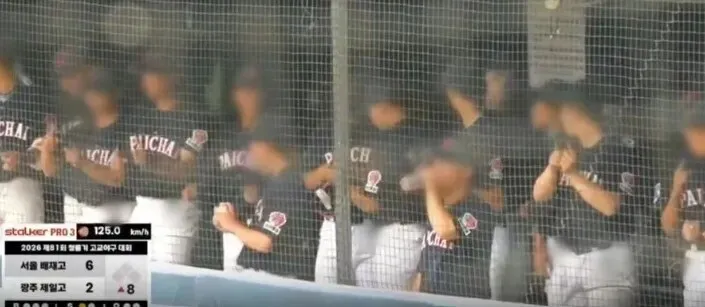
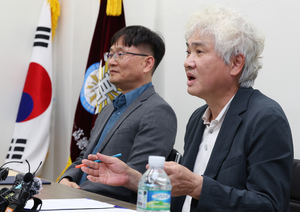
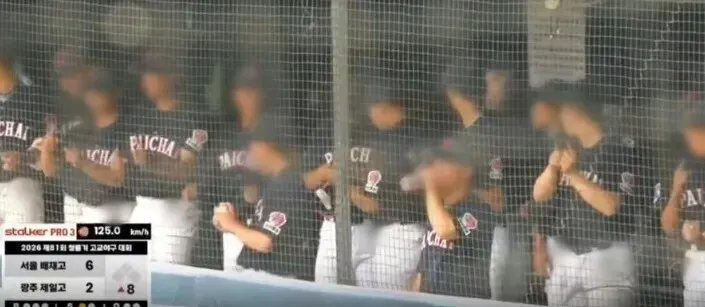
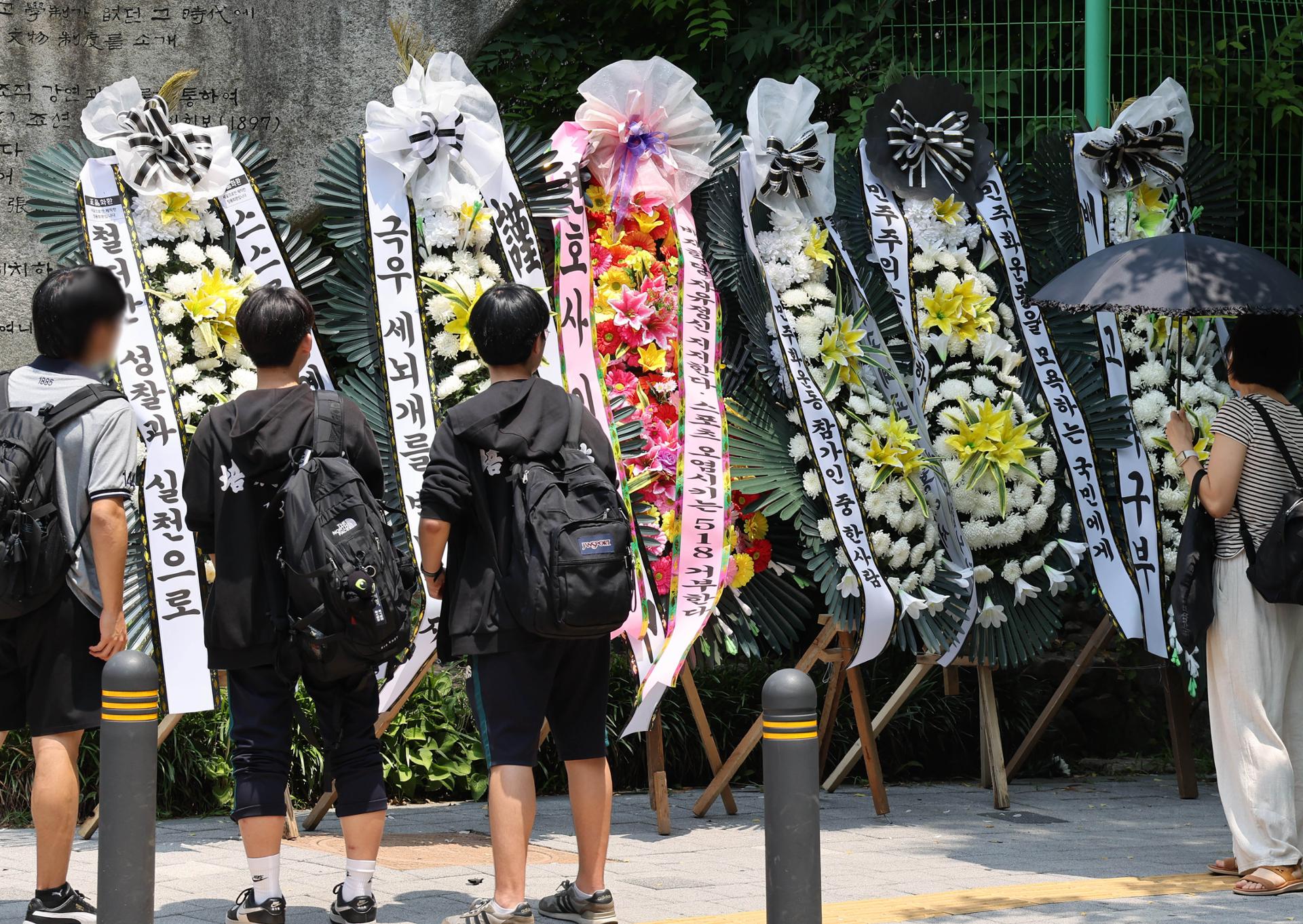
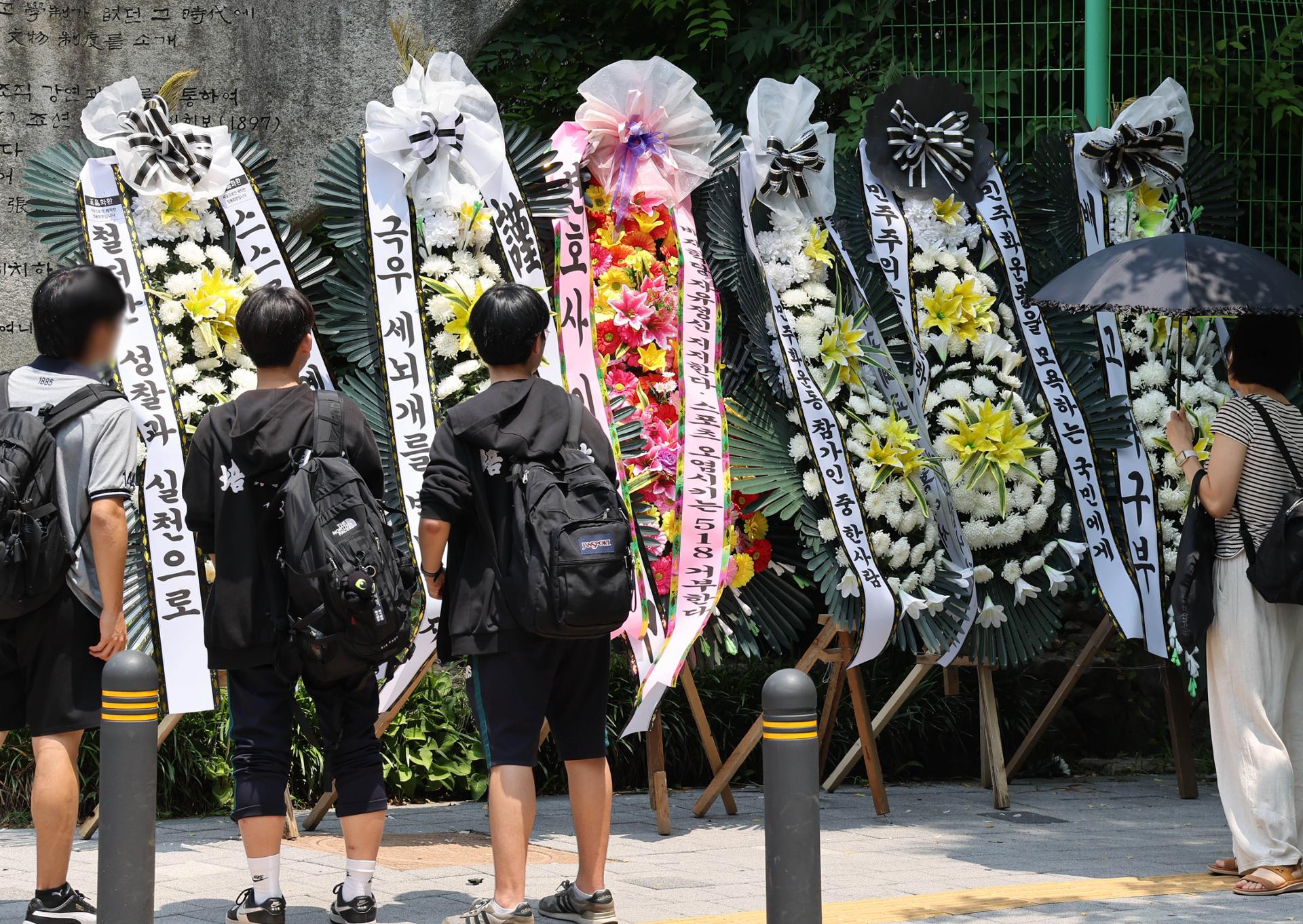
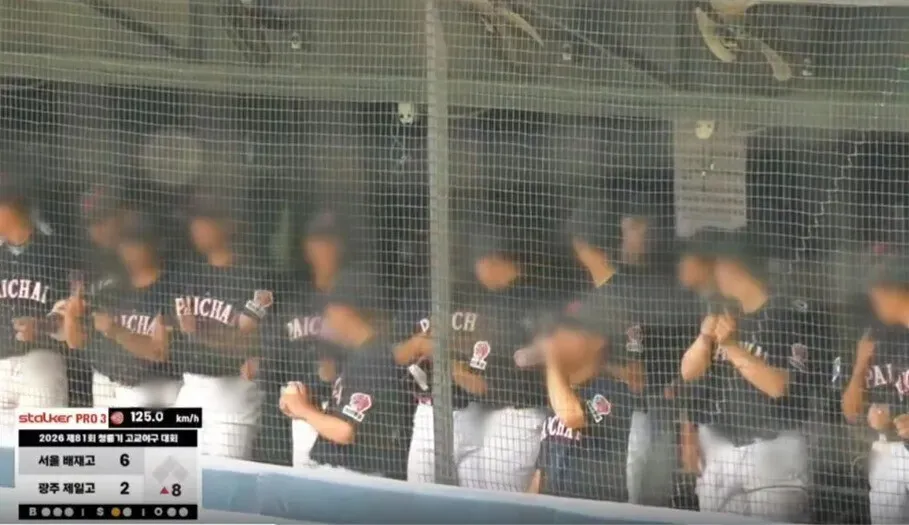
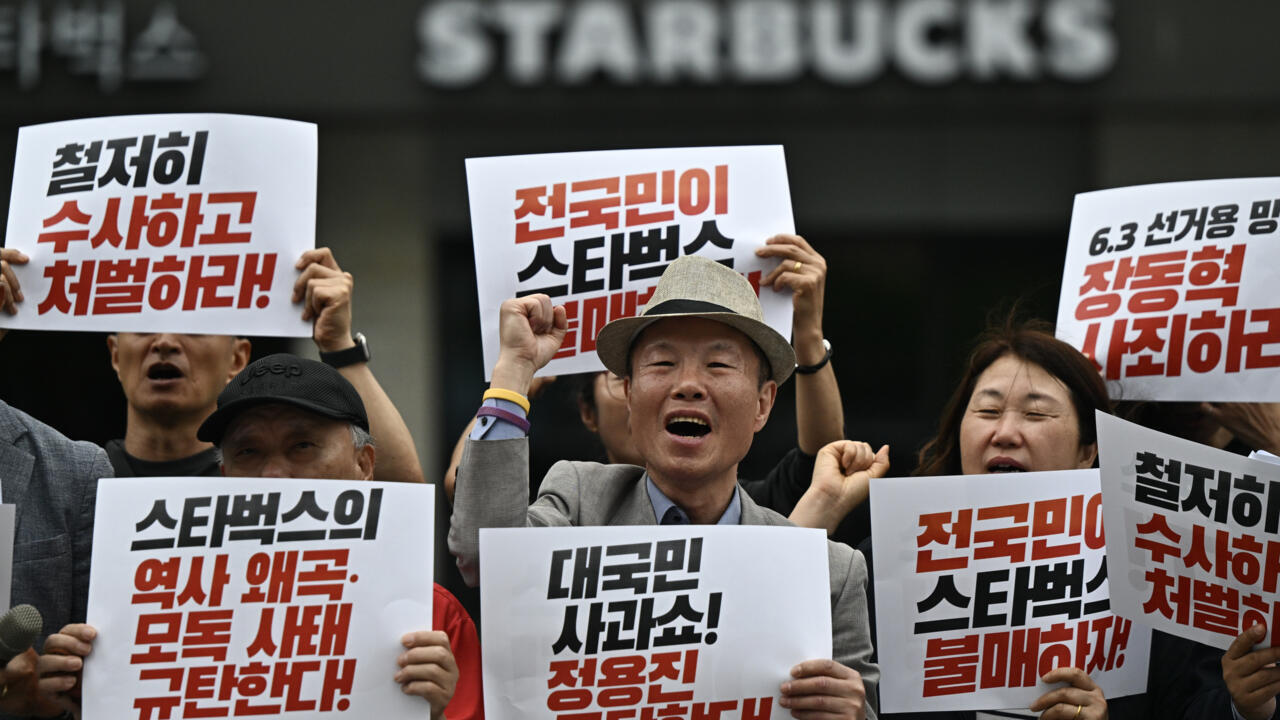
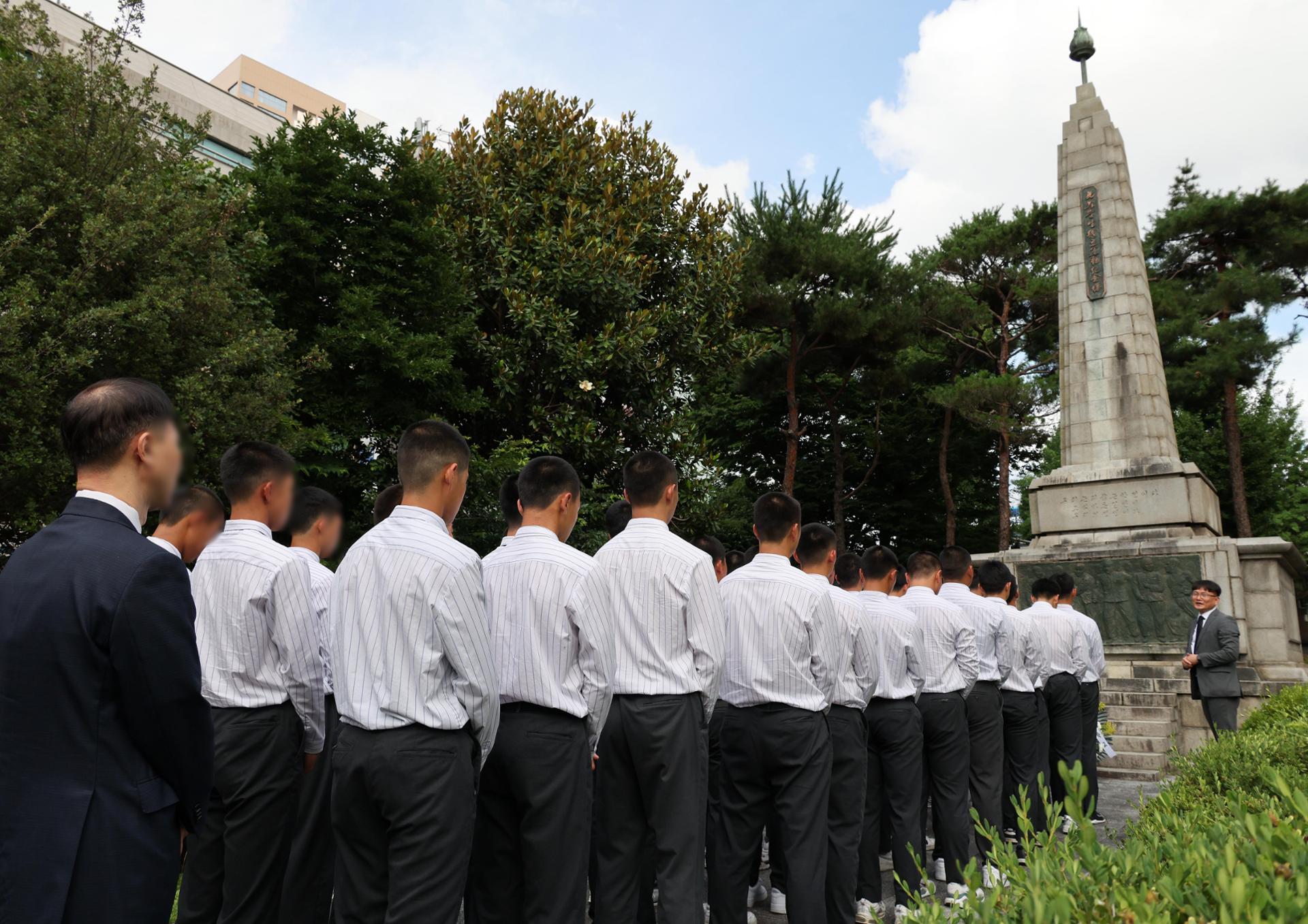
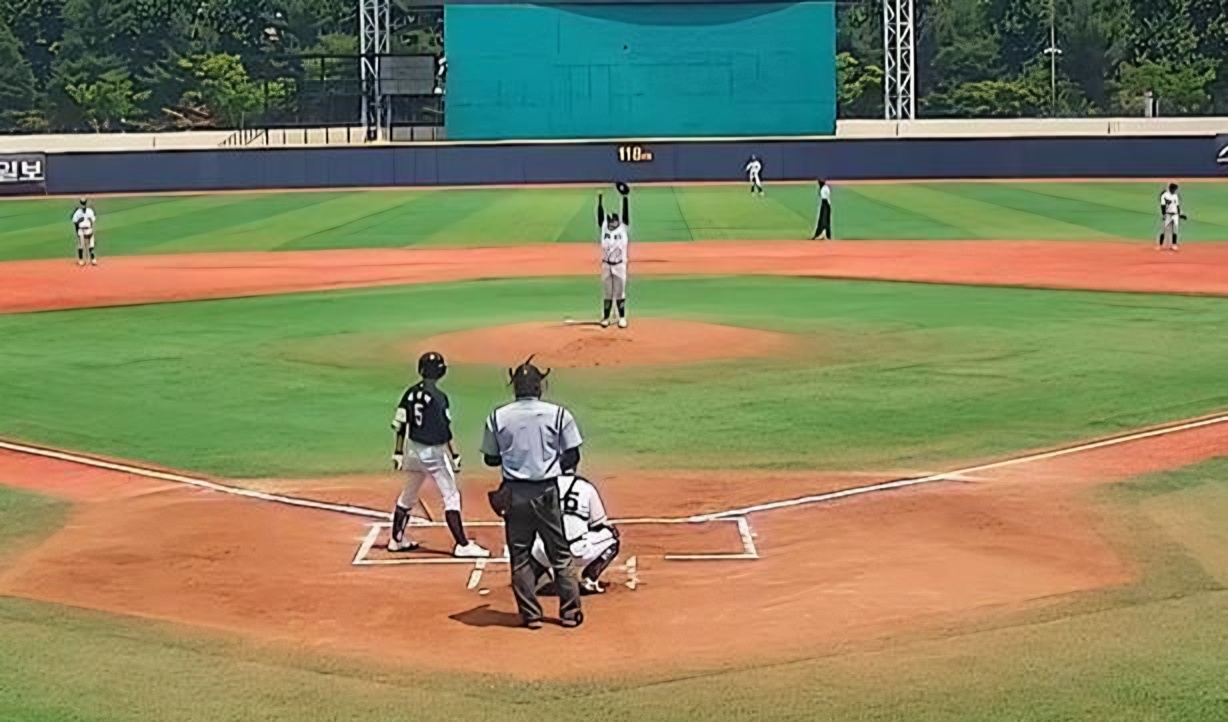
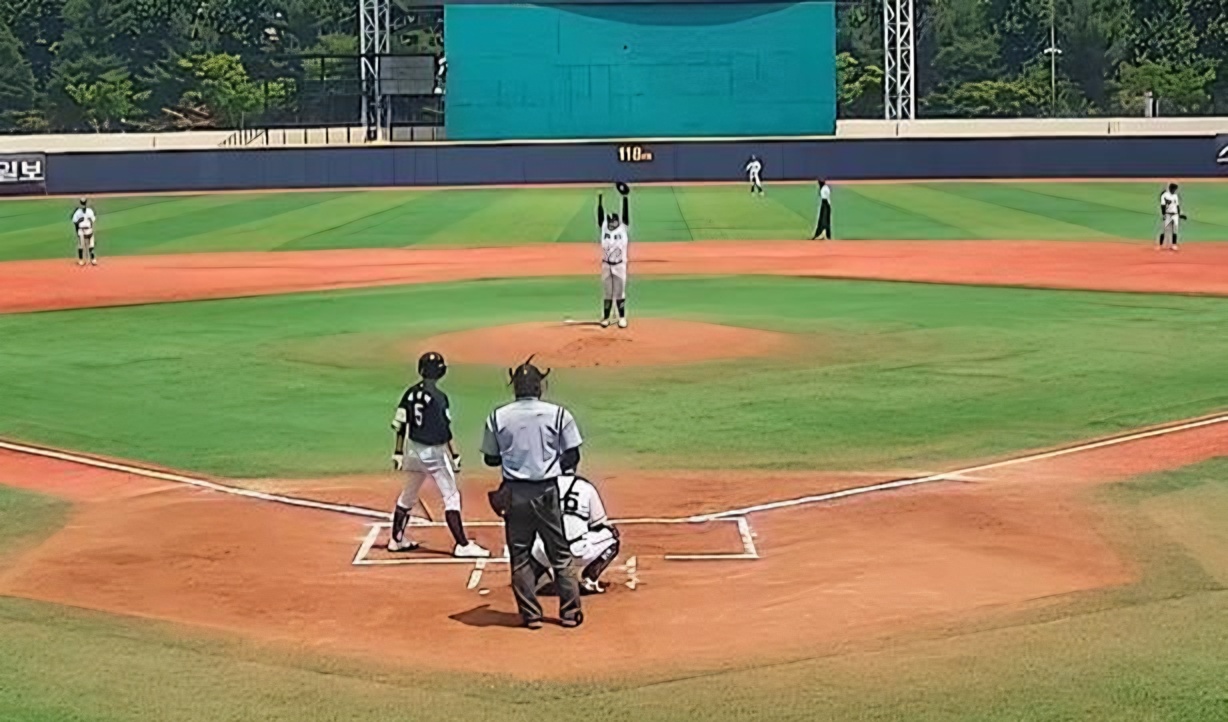
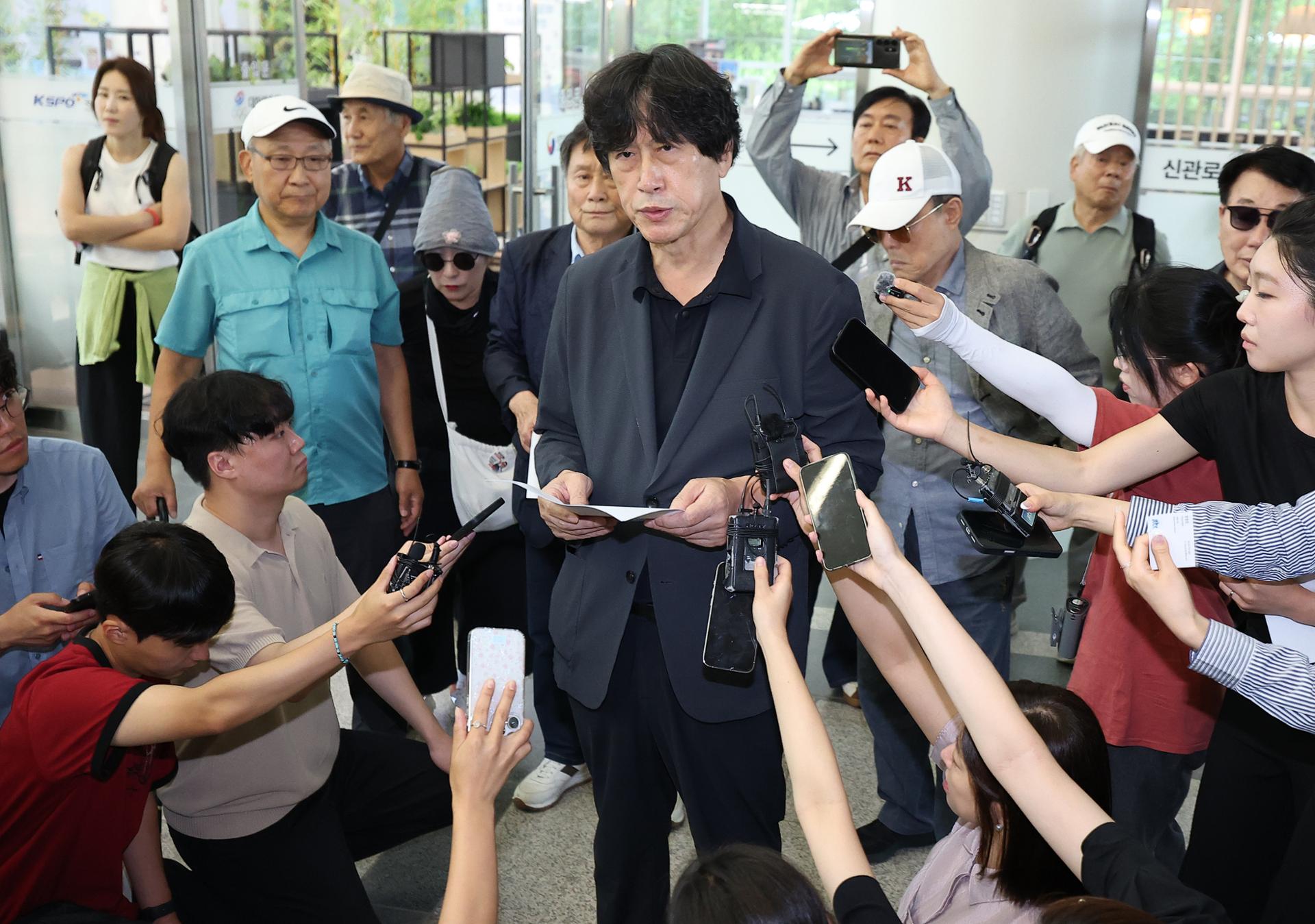
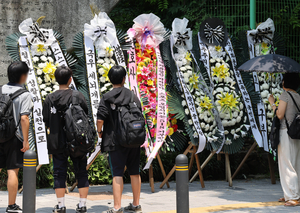
Experts say students should be guided to reflect on their actions, not turned into political symbolsA controversy over high school baseball players chanting slogans mocking the 1980 Gwangju Democratic Uprising has opened a broader debate in South Korea over how schools and sports bodies should respond when students engage in hate speech.The debate is centered on a six-month suspension imposed by the Korea Baseball Softball Association on Seoul’s Paichai High School baseball team after its players chanted at opponents from Gwangju Jeil High School during a game.Gwangju was the site of the military’s bloody crackdown on pro-democracy protesters in May 1980.While the suspension is expected to have significant consequences for the students, whose athletic records can influence college admissions and future professional careers, it has also raised questions about whether punishment should be accompanied by education aimed at preventing similar incidents. Wreaths criticizing and supporting Paichai High School following the cheering controversy are seen in front of the school in eastern Seoul on Wednesday. (Yonhap) Seeking forgivenessOn Monday, Paichai players, parents and school officials traveled to Gwangju to apologize to students of Gwangju Jeil High School and pay their respects at memorial sites commemorating the uprising.The 250-kilometer trip came after Paichai players repeatedly chanted a phrase roughly meaning “Let’s go to Starbucks,” along with “Tank Day,” during a June 29 game against Gwangju Jeil High School.The slogans referred to a Starbucks Korea “Tank Day” tumbler promotion launched on May 18, the anniversary of the uprising, which drew nationwide criticism because many saw it as evoking the tanks used in the military crackdown.The promotion was widely condemned as insensitive to victims of the pro-democracy movement, prompting apologies from both Starbucks Korea and its headquarters.“We know our visit alone cannot erase the hurt we caused, but we are grateful for the opportunity to apologize in person,” a representative of the Paichai players said. “We caused deep emotional pain to the players of Gwangju Jeil High School. As fellow student athletes, we should never have done that.” Kim Dong-yeon, head of the Paichai Academy Alumni Association, reads a petition asking for leniency for Paichai High School students at the Korea Baseball and Softball Association headquarters building in Songpa-gu, Seoul, Friday. (Yonhap) Debate over punishmentTheir apology, however, has done little to settle a broader debate over what consequences the students should face.Following the incident, the KBSA suspended the Paichai team from nationwide competitions for six months. The punishment bars Paichai from participating in the ongoing Blue Dragon Championship as well as two additional tournaments scheduled for July and August.As the suspension could significantly affect the players’ prospects for college admission and future athletic careers, the school’s alumni association submitted a letter asking the association to reconsider the punishment. Some conservative politicians and civic groups have also criticized the suspension as excessive and filed complaints against the association.“The students are still in the process of learning and growing,” Kim Dong-yeon, head of the school’s alumni association, said, declining to comment on whether the punishment itself was excessive.“I sincerely hope they will be shown leniency so they can learn from this experience and grow into mature adults.”The dispute has also spread online, where public opinion remains sharply divided.While some argue that the students’ apology should open the way for reconciliation, others say remorse and punishment are separate issues, reflecting a broader public demand for greater accountability among minors.“An apology may be the beginning of reconciliation, but it does not automatically erase responsibility,” Lee, a woman in her 30s, told The Korea Herald. “People can debate what constitutes a sincere apology, but whether it is accepted should ultimately be for the people of Gwangju to decide.”Beyond punishmentExperts caution that an intense focus on punishing the students could overshadow a broader question of how society can prevent similar incidents from happening again.Koo Jeong-woo, a sociology professor at Sungkyunkwan University, said the nationwide attention surrounding the case risks turning the students into symbols of a wider political conflict rather than helping them understand the consequences of their actions.“What adults should do is not stigmatize children, but figure out how to resolve the situation,” Koo said.“We should recognize that teenagers may lack historical awareness. Our role is to establish educational processes and institutional procedures that help them reflect on their actions, understand why they were wrong and become responsible members of society.”Koo added that disciplinary action should not unnecessarily deprive students of future educational or athletic opportunities, arguing that misconduct by minors should be treated differently from that of adults or professionals.Park Nam-gi, a professor at Gwangju National University of Education, said the discussion should focus more on whether schools have the tools to prevent similar incidents.He argued that teachers have become increasingly reluctant to discuss sensitive historical issues in classrooms as such topics are increasingly drawn into political disputes amid the spread of distorted historical narratives.“For teachers to openly discuss the Gwangju Uprising or other historical events, they should not have to worry that doing so will be dismissed as political or become the subject of complaints,” Park said."South Korea needs a broader discussion about teachers' professional autonomy and whether political neutrality is being interpreted too broadly, preventing teachers from addressing sensitive historical issues in the classroom."