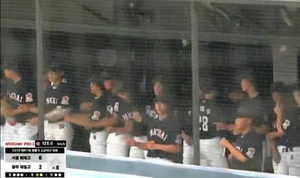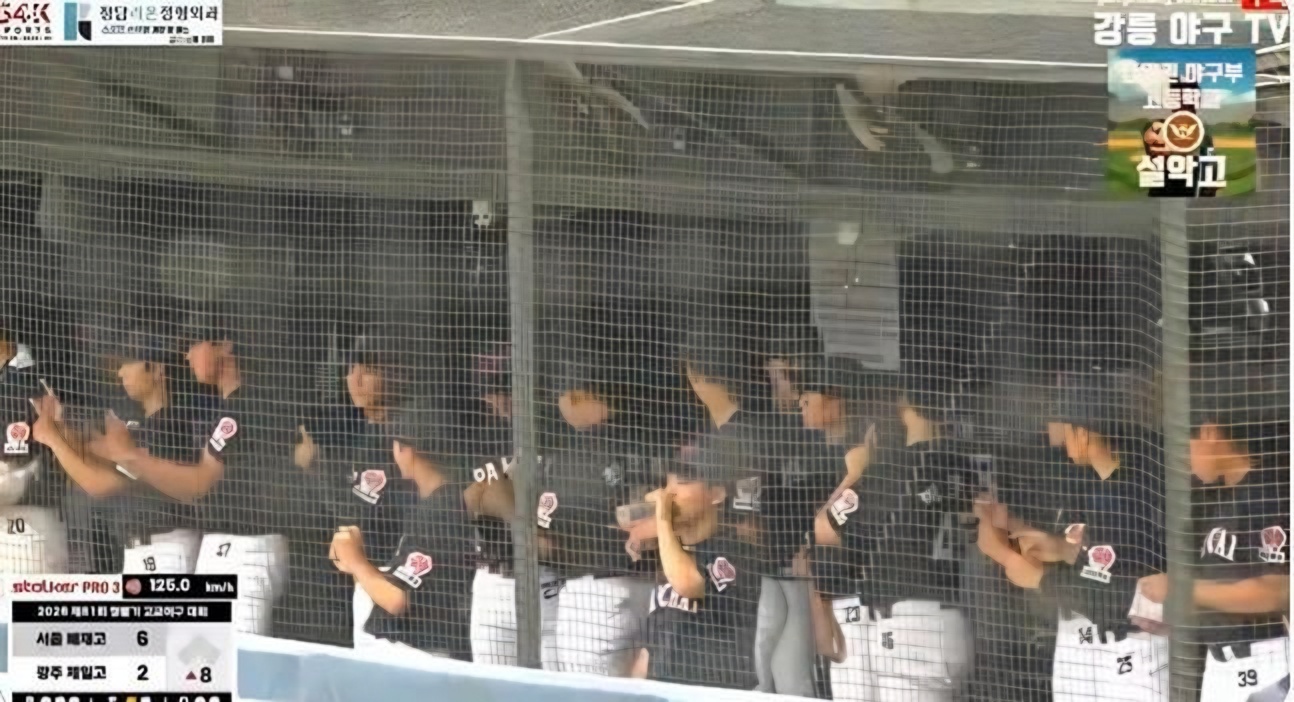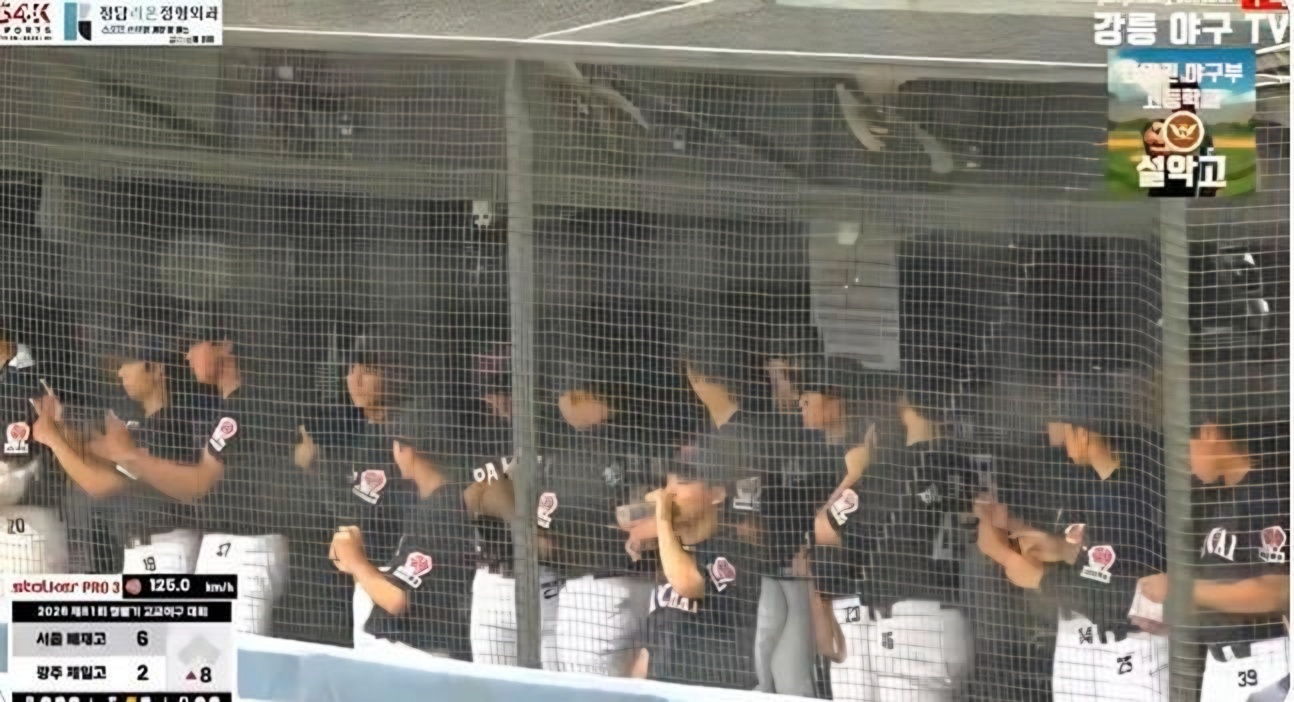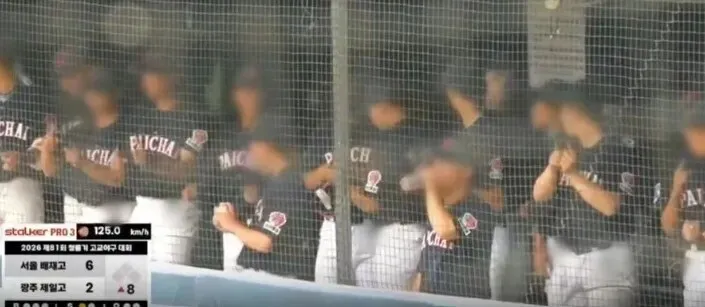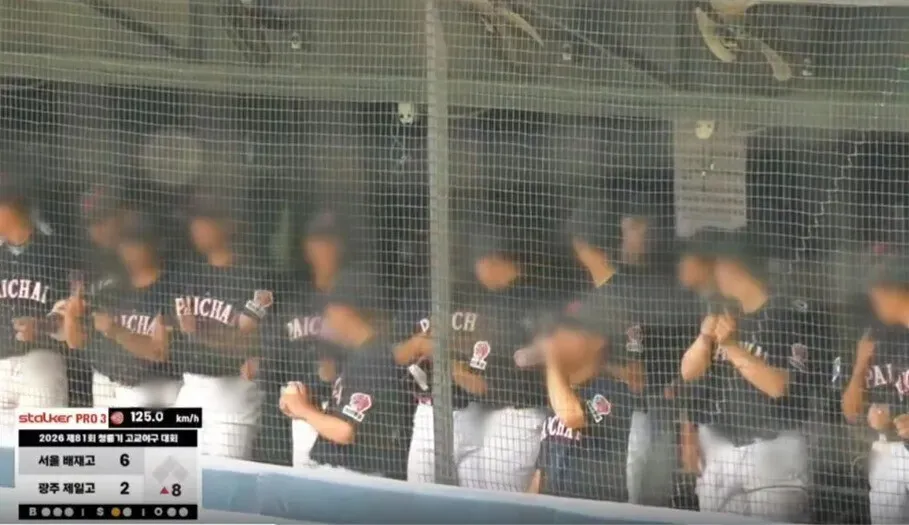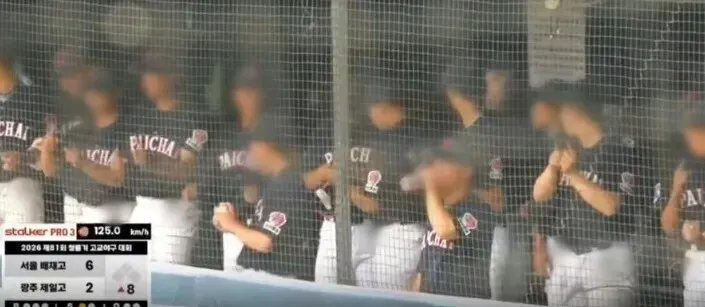
Players from Seoul’s Paichai High School cheer from the dugout during a game in the Cheongryonggi National High School Baseball Championship in Seoul on June 29, 2026. (via social media)
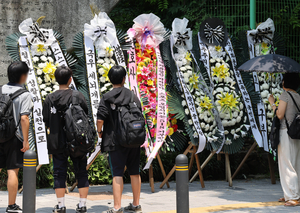
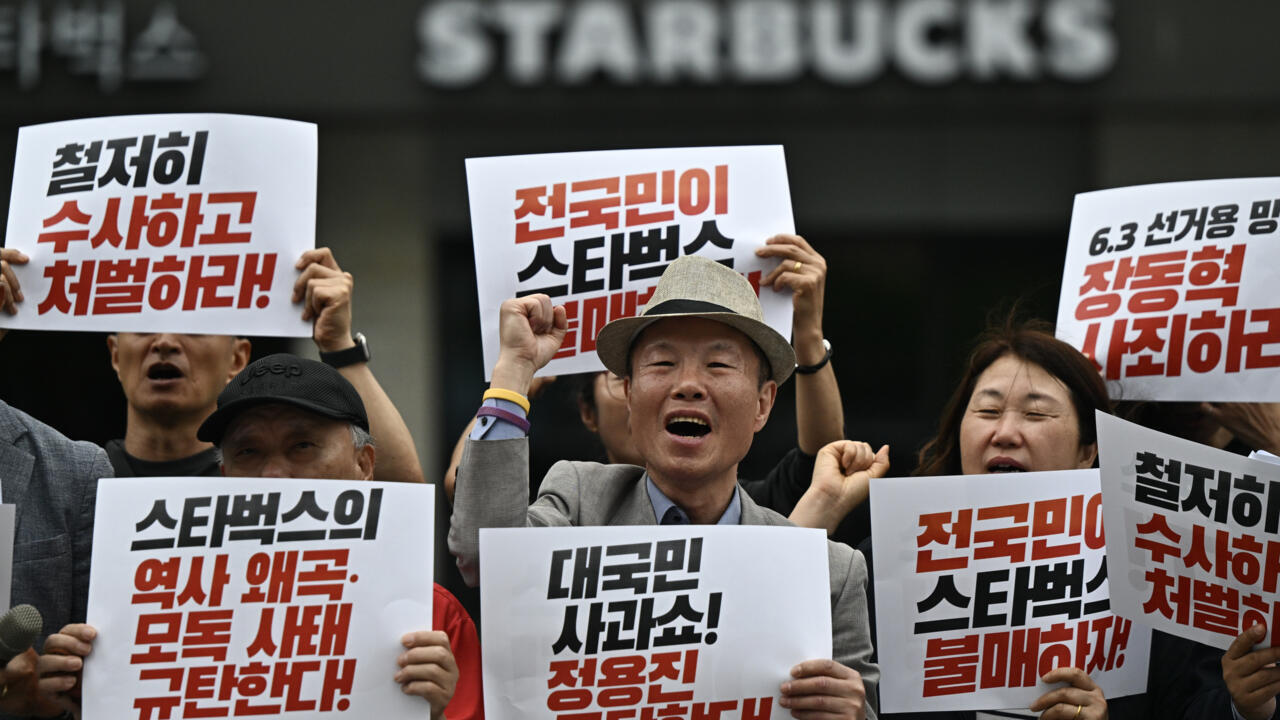
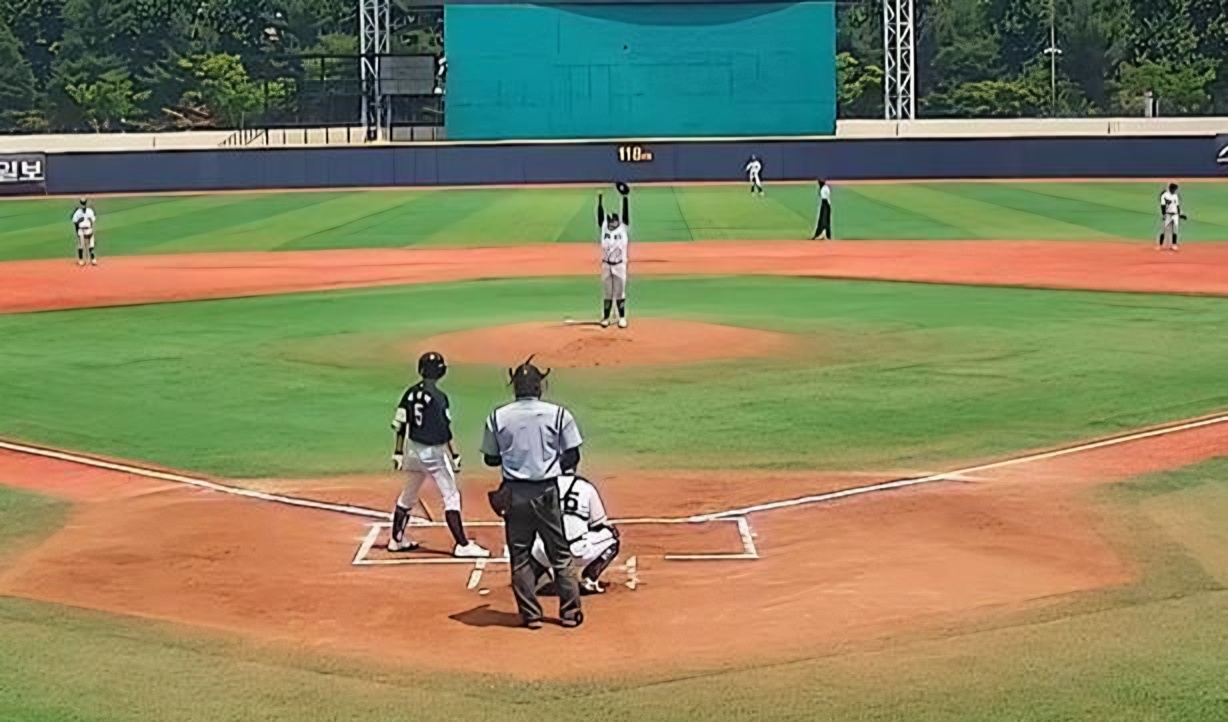
During a high school baseball tournament, athletes from Seoul’s Paichai High School shouted the insulting slogan “Let’s go, go, go to Starbucks” at opponents from Gwangju Jeil High School.After Starbucks Korea came under intense social scrutiny over its “Tank Day” marketing campaign, which was widely seen as mocking the victims of a brutal government crackdown in May 1980, the descendants of Gwangju citizens brutalized by bloodthirsty dictator Chun Doo-hwan are now being subjected to collective mockery. The episode starkly illustrates tweenagers’ twisted attitude toward history and the pervasive cultures of hatred and mockery.Most shockingly, this shameful behavior occurred in the middle of an athletic event. During the 81st Cheongryonggi National High School Baseball Championship at Mokdong Stadium in Seoul on Monday, Paichai High School athletes in the dugout spewed a stream of insulting jeers at the Gwangju athletes. Somebody in the dugout was even heard shouting “Tank Day.”In short, messages blatantly defending Starbucks’ derogatory marketing campaign were lobbed at Gwangju students not in an anonymous forum online, but in a public sporting event. Instead of teaching students the values of fair competition and respect for opponents, the baseball game became a display of bigotry and discrimination.For years now, subjects like the Gwangju massacre and former President Roh Moo-hyun have been made a travesty of and mocked online by teenagers and those in their 20s. During the Lee Myung-bak administration, the National Intelligence Service went so far as to hire “comment squads” to spread bigotry toward and mockery of the democratization movement and certain regions of Korea. That same culture has continued to this day, having turned into a sort of game among teenagers. But with young people now continuously exposed to biased information by algorithmic platforms like YouTube and Instagram, the issue is becoming harder and harder to fix. In a January survey of 177 elementary, middle and high school educators across Korea conducted by the Korean Teachers and Education Workers Union, 80.2% said that they had “frequently” witnessed students using bigoted far-right language at school or in the classroom. This shows that the culture of hate and mockery is not Paichai’s issue alone. But teachers also said in the survey that they couldn’t respond to such incidents as necessary out of “fear of complaint or retaliation.” There needs to be action by the country’s educational agencies to ensure that teachers can actively respond to inappropriate language at school and teach their students about history, politics and media without fear of parental complaints. Discrimination and hate are a slippery slope to violence, and can do damage that tears communities apart. We can no longer afford to sit by and do nothing about this rampant culture of hate among Korea’s teenagers. The government needs to work across ministries and agencies to develop bold measures to address this.Please direct questions or comments to [english@hani.co.kr]