The Roman poet Ovid summed it up in a couplet two millennia ago.
Or what’s the Odyssey except a womanWooed by the suitors while her man’s away?
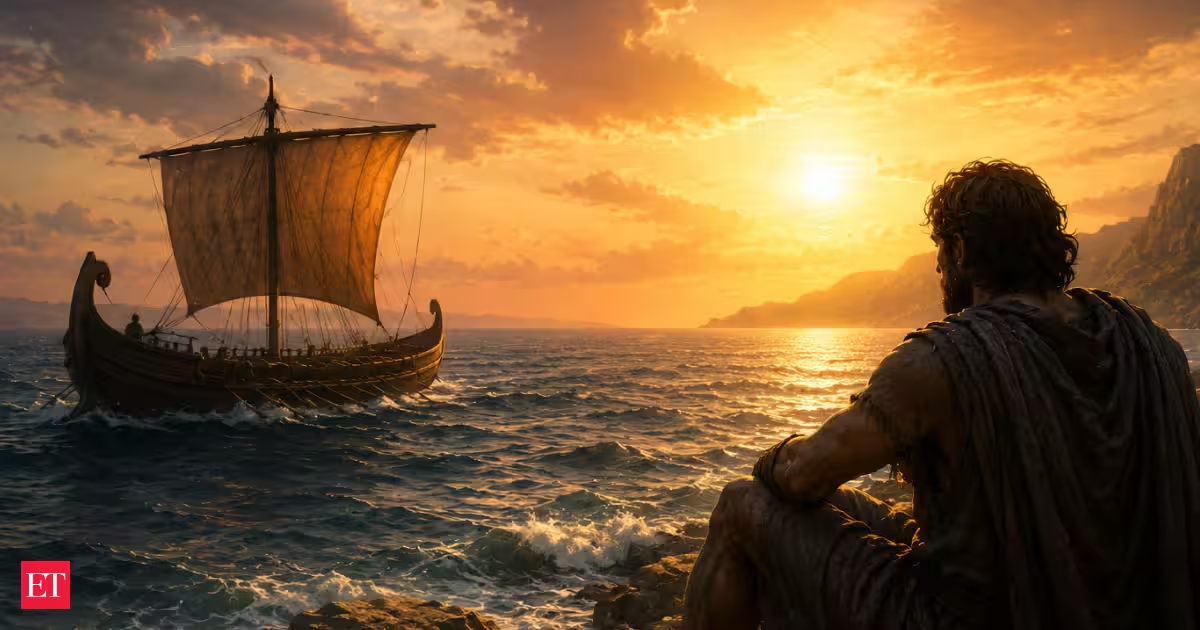
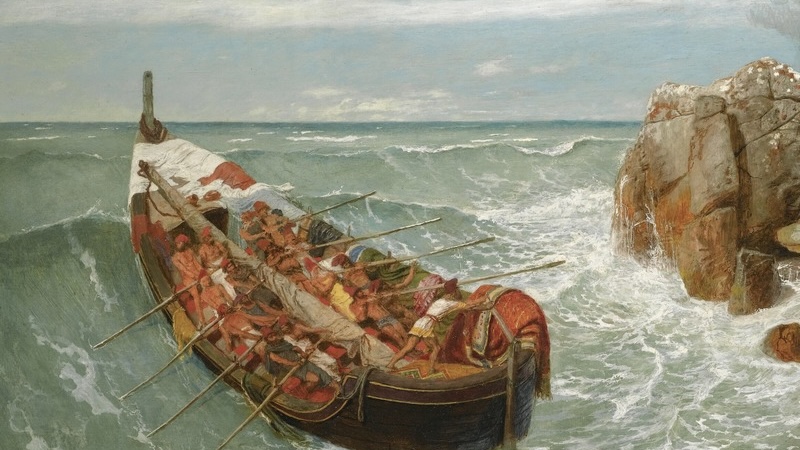
In fact, there are over a hundred suitors who are trying to marry Odysseus’s wife. The main theme of Homer’s Odyssey is homecoming. Ovid lived a life of exile in Tomis on the Black Sea coast and despondently pines for home. The poet was banished from Rome by the Emperor Augustus for what he describes as ‘a poem and a mistake’ but the latter must remain ‘unmentioned’. He feels tormented by what he calls ‘a barbarous tongue that’s ignorant of Latin’. Ovid dearly misses his wife and compares her to a bearing beam that props his ruins. He praises her profusely: ‘Had Fortune given you Homer for your poet’, he writes, ‘Your fame would have outranked Penelope. And he ends one of his poems by telling her that she’ll live for ever in his poetry.
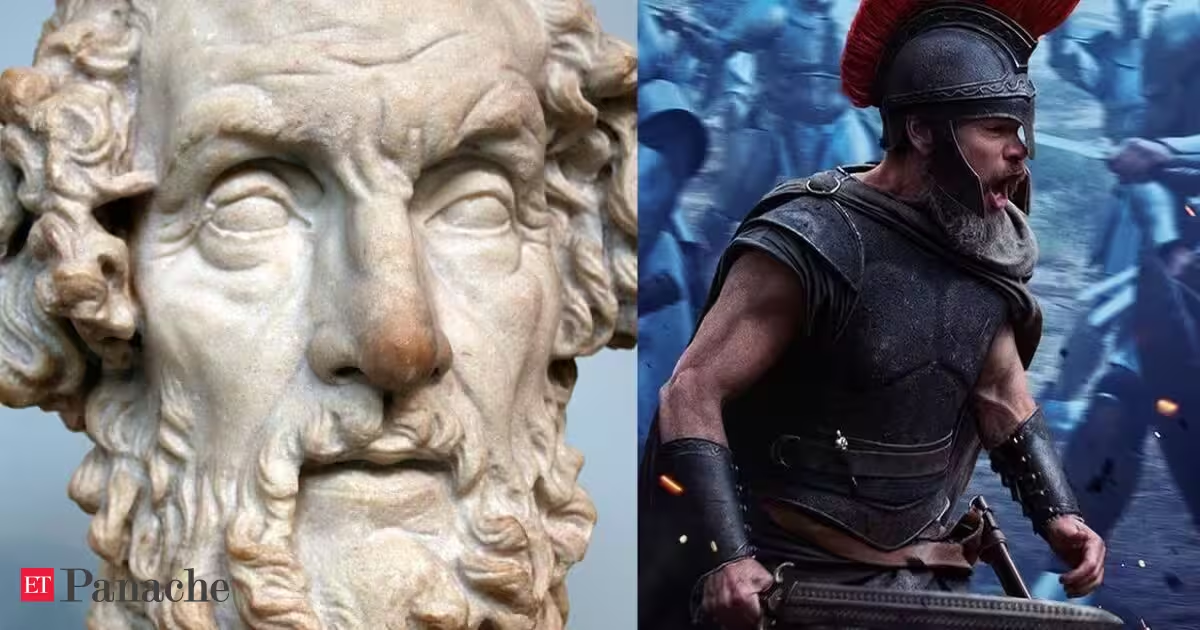
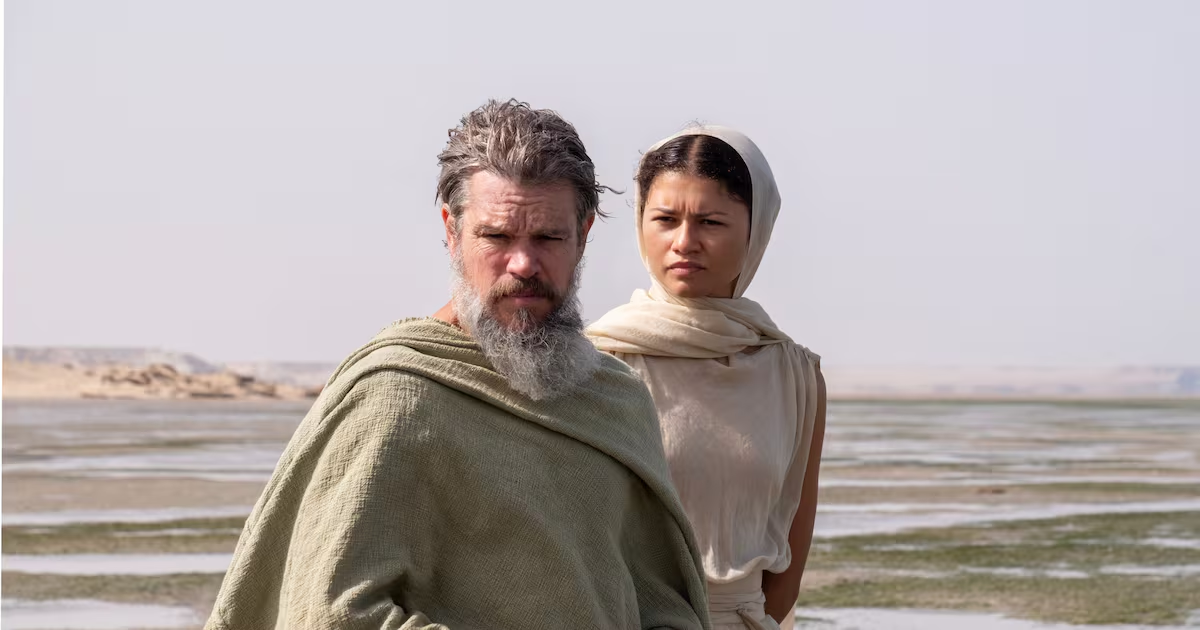
It has taken the director many decades to fulfil his dream of turning The Odyssey into a film
Ovid was scolded by his father for his choice of profession, informing his son that even Homer died a poor man. The poet thinks of Rome in Tomis, of home and haunts he longs for like water trickling down from springtime snow. He prays for death when he arrives at the Black Sea coast, for he couldn’t endure its climate or get used to the water and the soil. Ovid felt that he perished when he lost his country. He spent his final years in Tomis pleading for a pardon but died in banishment. He wished for his bones to be transported in an urn so that in this death he didn’t remain an exile. He’d call Ulysses lucky.