During a pivotal moment in The Odyssey, Circe sends Odysseus to the Kingdom of the Dead to find the soothsayer who can instruct him on how to return home after more than a dozen years away. But to travel to the Kingdom of the Dead, our “complicated” (the most fitting Homeric epithet, introduced only a few years ago in Emily Wilson’s translation) protagonist must traverse the world’s boundary in the form of the Stream of Oceanos and the city Cimmerian, where mortals live in total darkness. Here, the dead speak the truth, but only if you first feed them blood from the living. How’s that for a metaphor?Article continues after advertisement
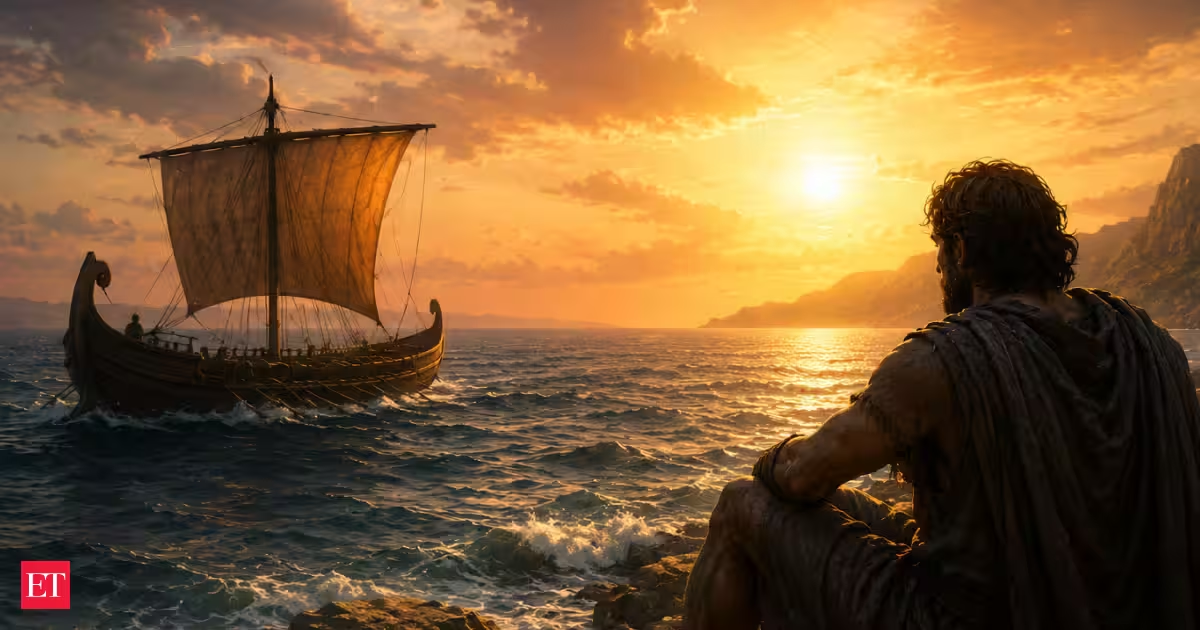
At its heart, The Odyssey is a quest narrative. An adventure story. The hero must leave home—though was it really necessary to go slaughter so many people in a faraway city?—and, after trials and tribulations, return changed.
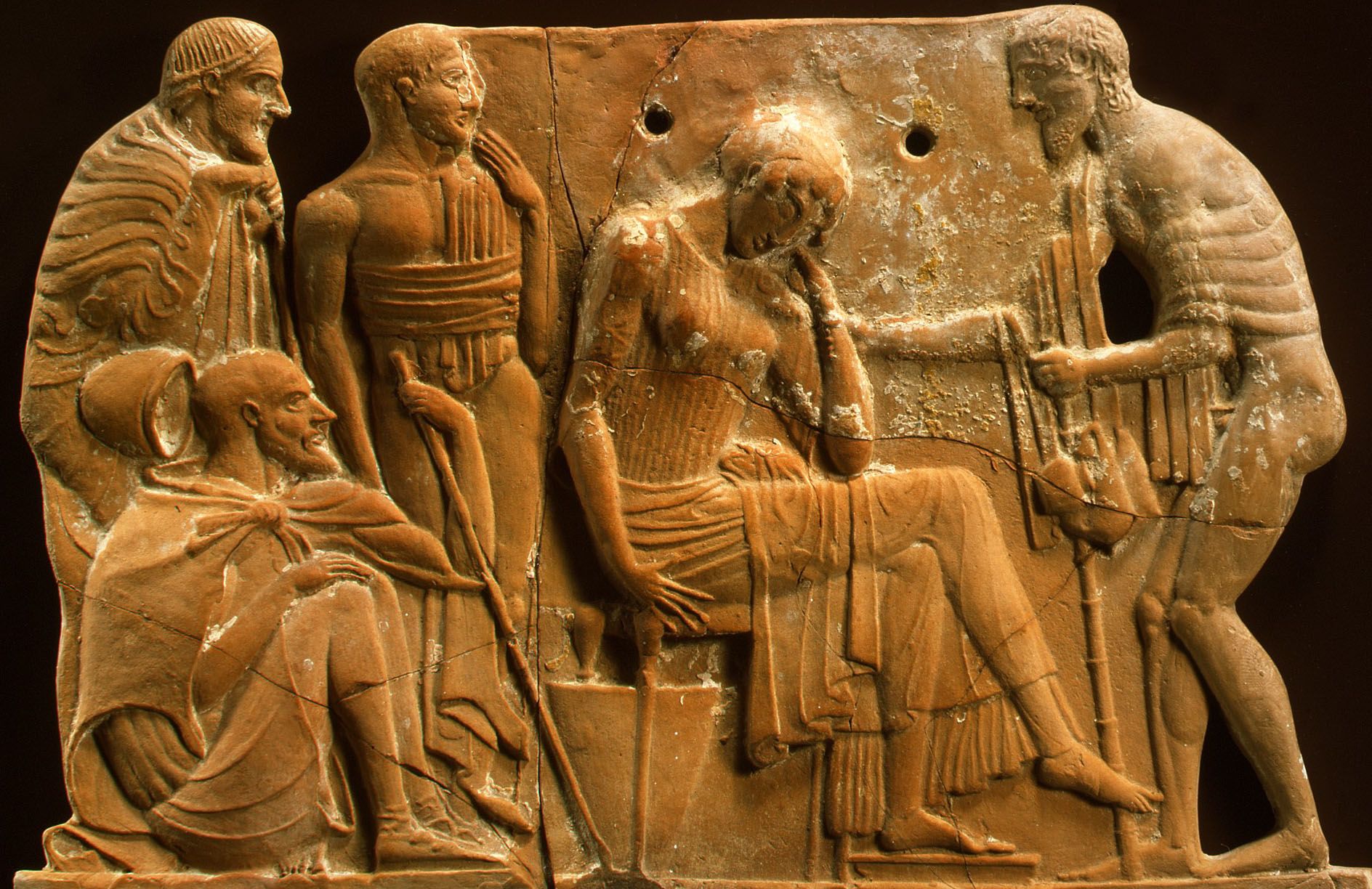
Back home, his wife Penelope wonders: Is Odysseus alive? Will he ever return? We readers know the answers because we are allowed to rove across the text and through the ancient Greek world, but she is stuck in Ithaca with no cell phone and no Internet.
At some point in my recent re-reading of the tale, I began to wonder: Does Penelope even want him to return?