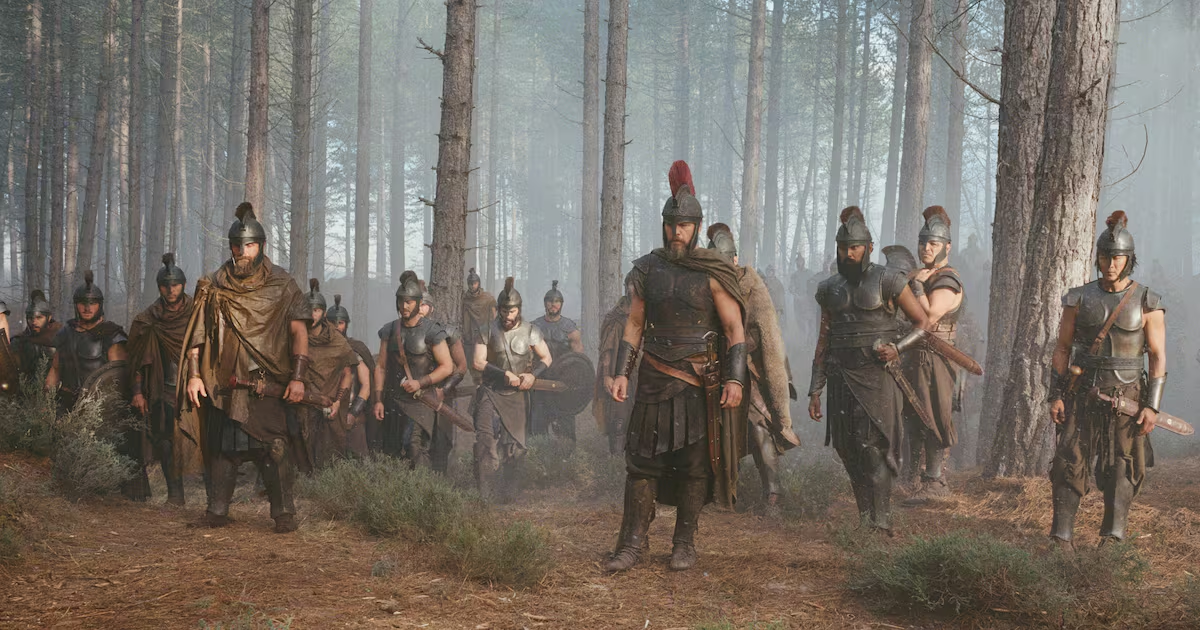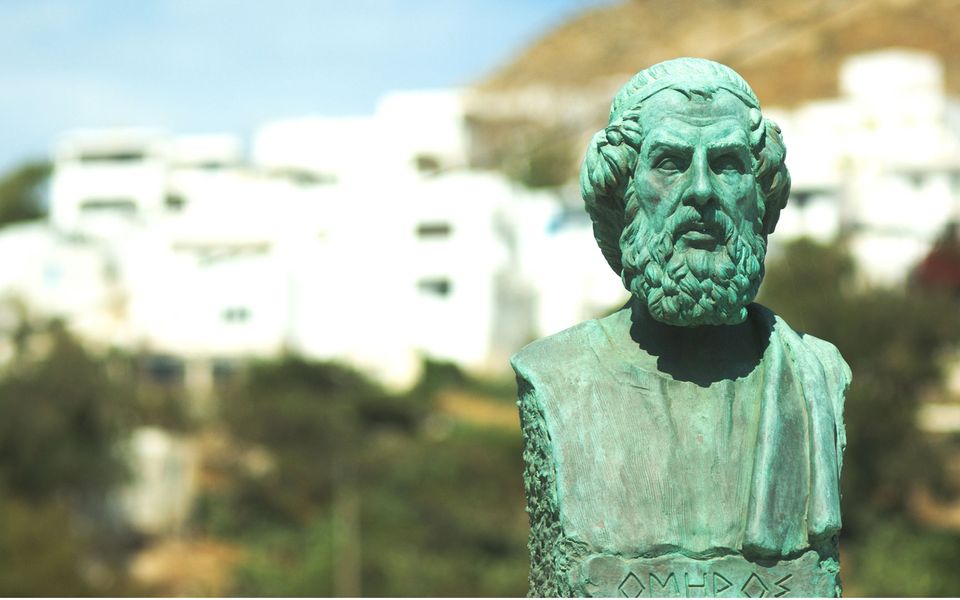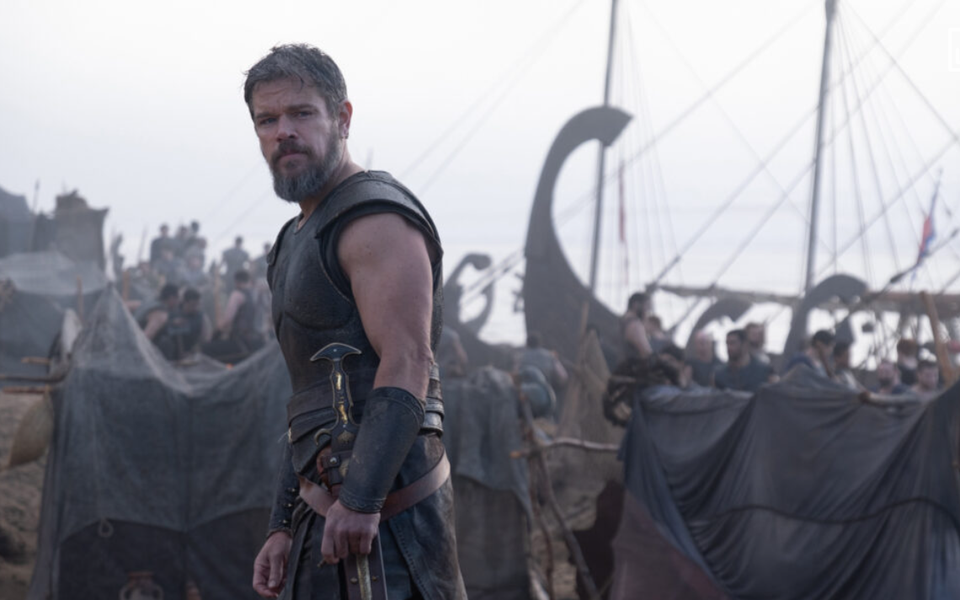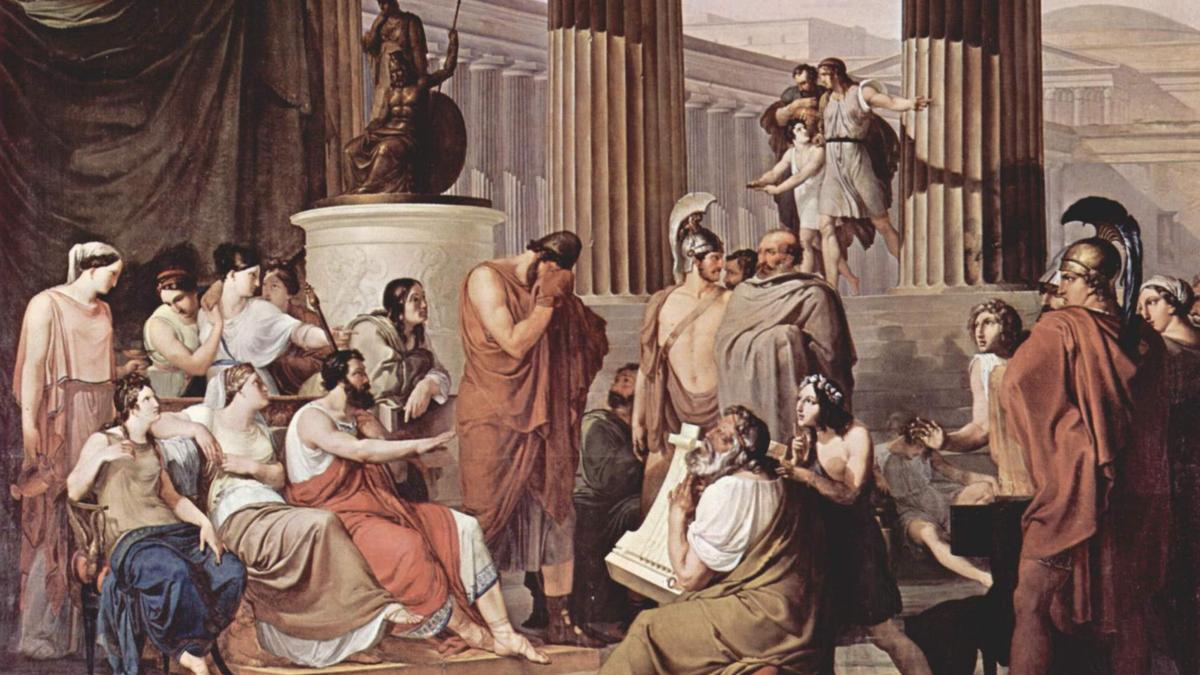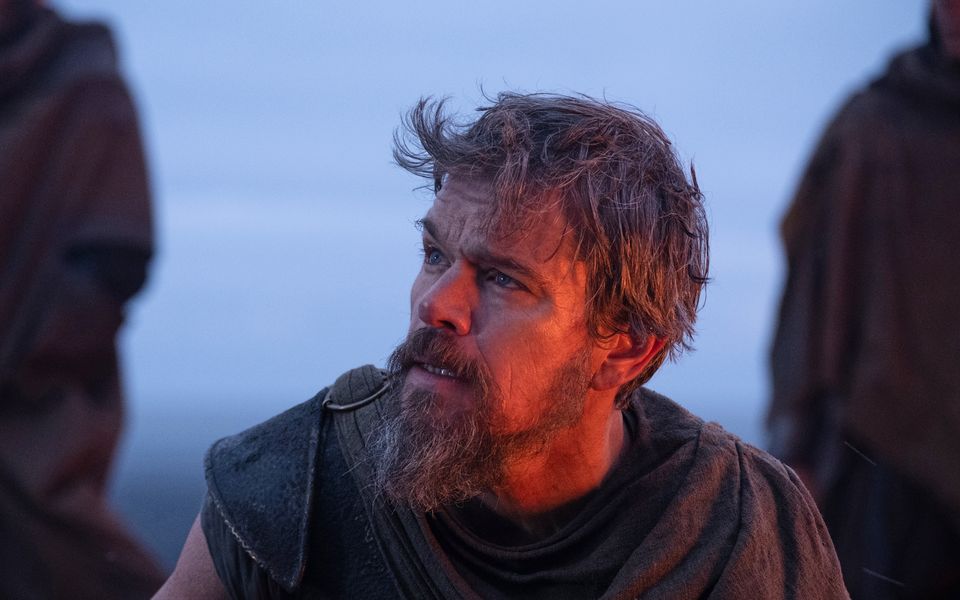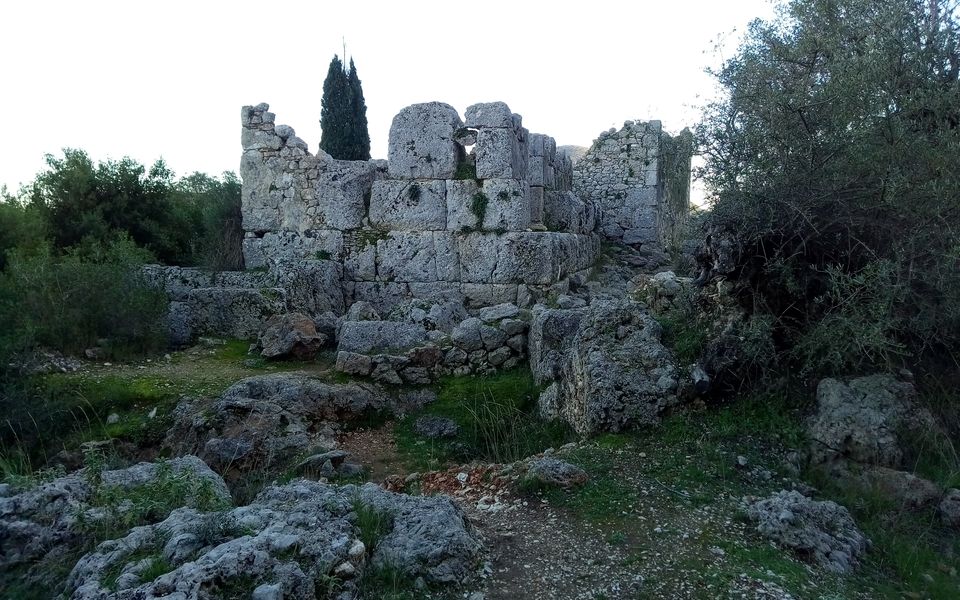
Homer’s Odyssey is a sweeping, layered epic. It reflects the legacy of an oral tradition of singers and storytellers from across the Greek-speaking world, who weaved together elements of myth and half-remembered idealised histories. Its hero, Odysseus, is among the most enduring and complicated figures in literature. Retellings of his journey home to Ithaca after the fall of Troy cast him both as noble hero and manipulative anti-hero. His latest incarnation will soon journey across the screen in Christopher Nolan’s film version, which is released next Friday.
To navigate this world, ‘cunning’ Odysseus displays the characteristics of a good intelligence officer
I feel a connection to Odysseus. Like him, I have lied, deceived, and manipulated. As Odysseus entered Troy disguised as a beggar, hid inside the wooden horse, returned home camouflaged in rags, and manipulated many he encountered, including his own crew, to achieve his mission of homecoming, I donned disguises, used false identities, and exploited others to give me the information I needed as an intelligence officer.
In the Odyssey, lies, exaggerations and tall tales vie with one another in a fractured timeline (it starts ‘in the middle of things’). Unreliable narrators abound. Lightning can strike from a cloudless sky, a sudden storm emerges on a quiet sea. Fate and luck triumph over toil and skill. Homer describes a capricious, ambiguous, and uncertain world. This is a world that spies inhabit too.