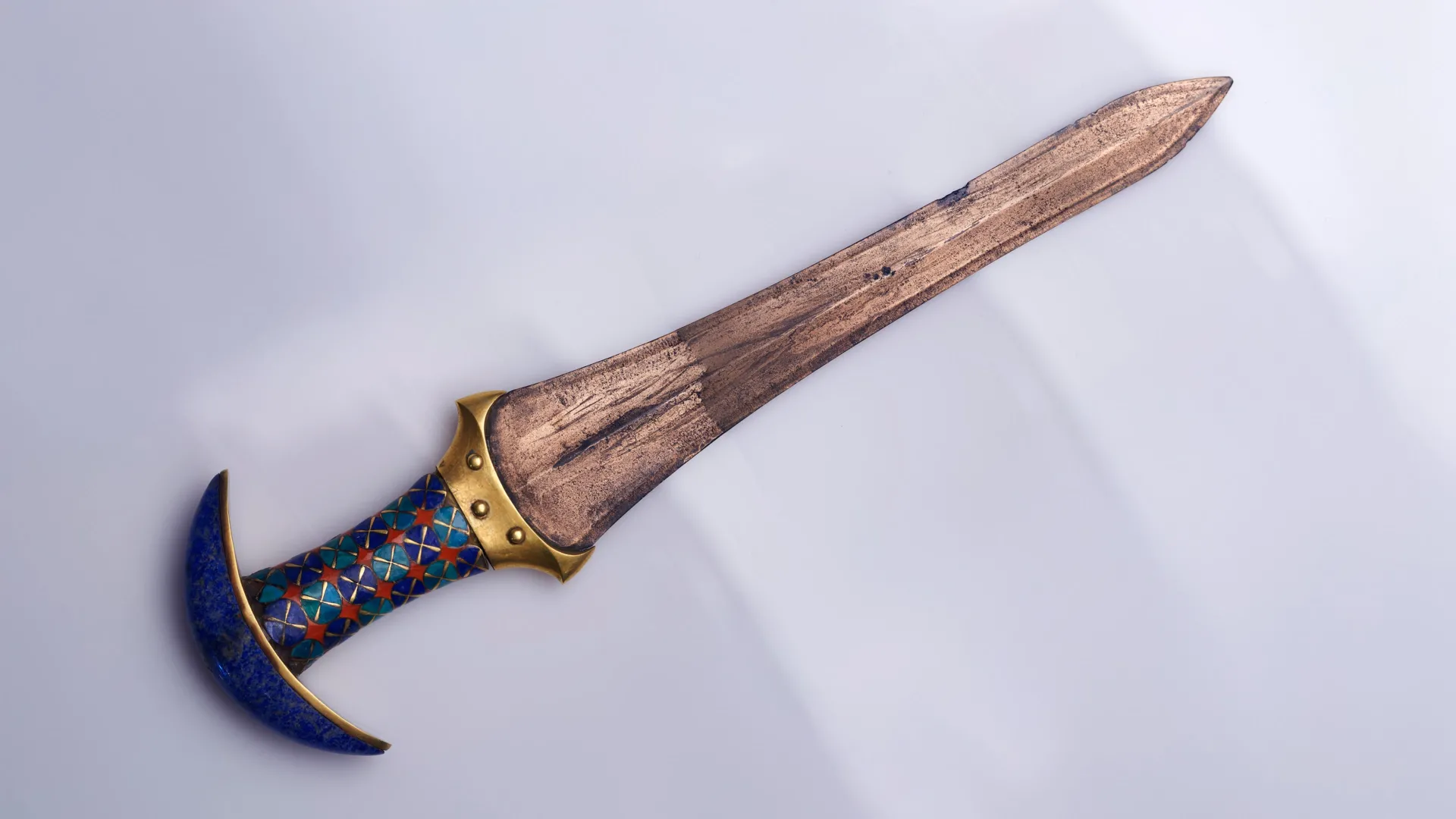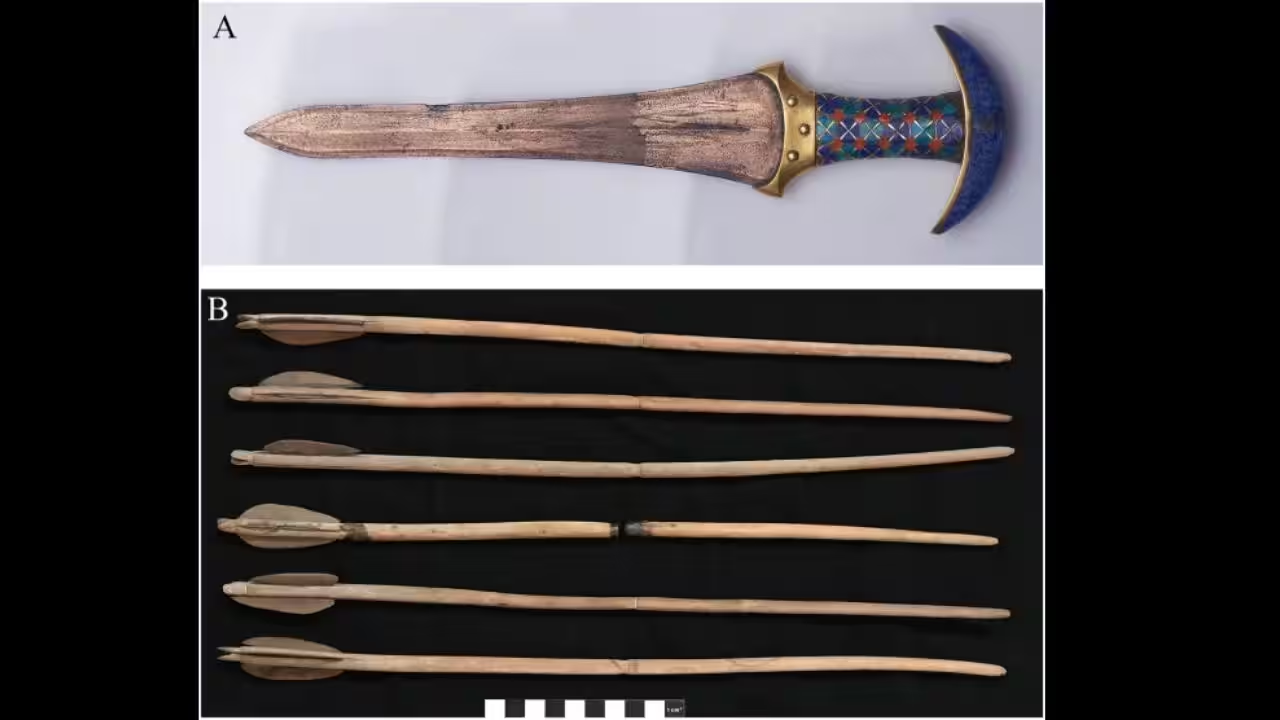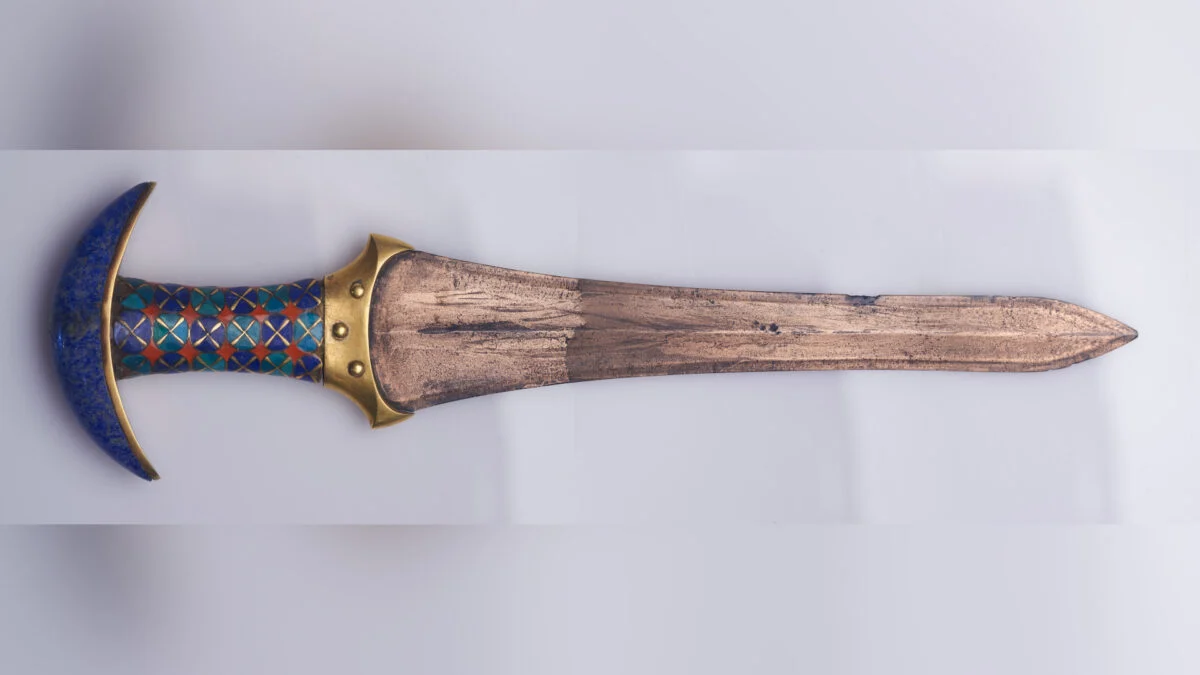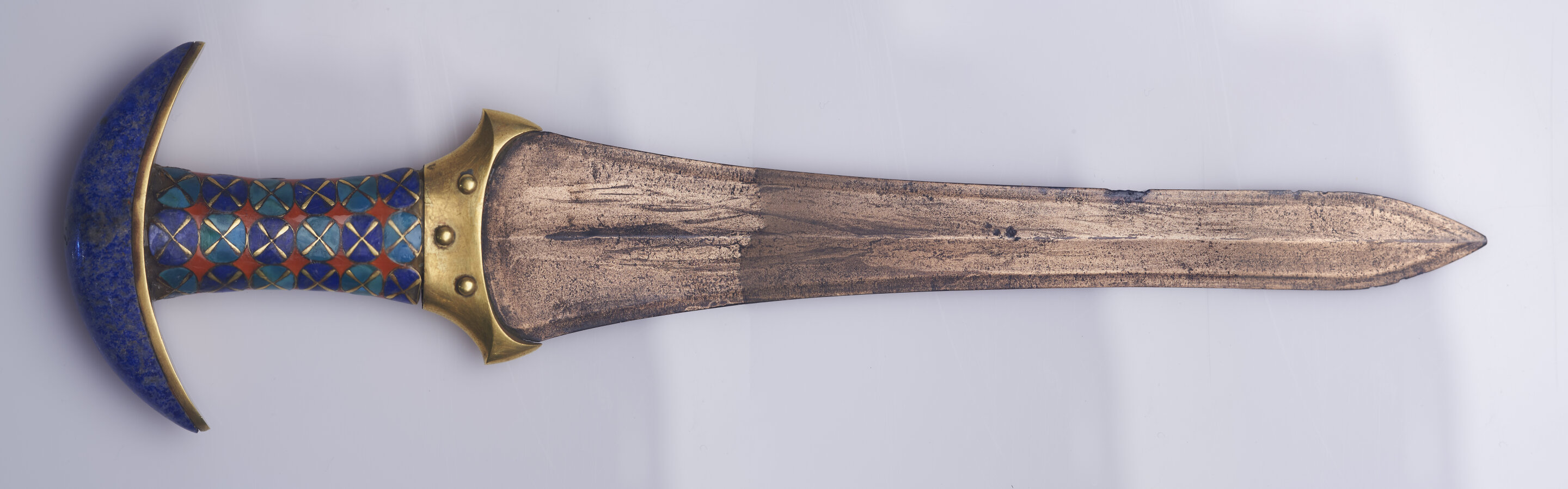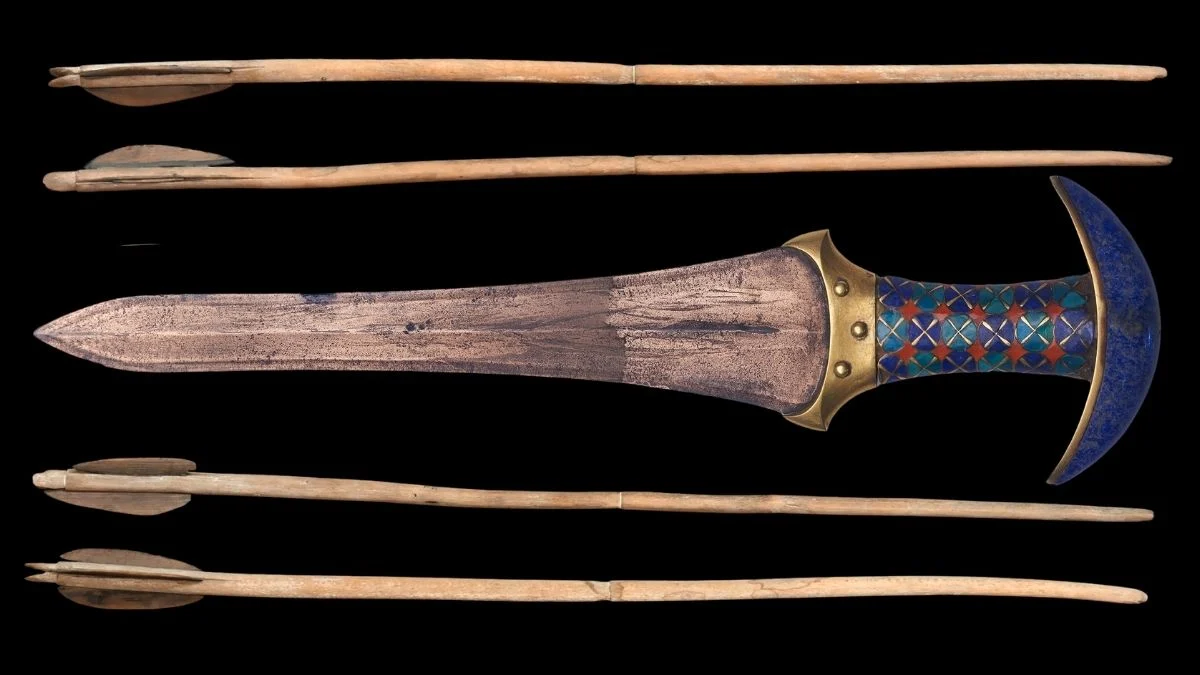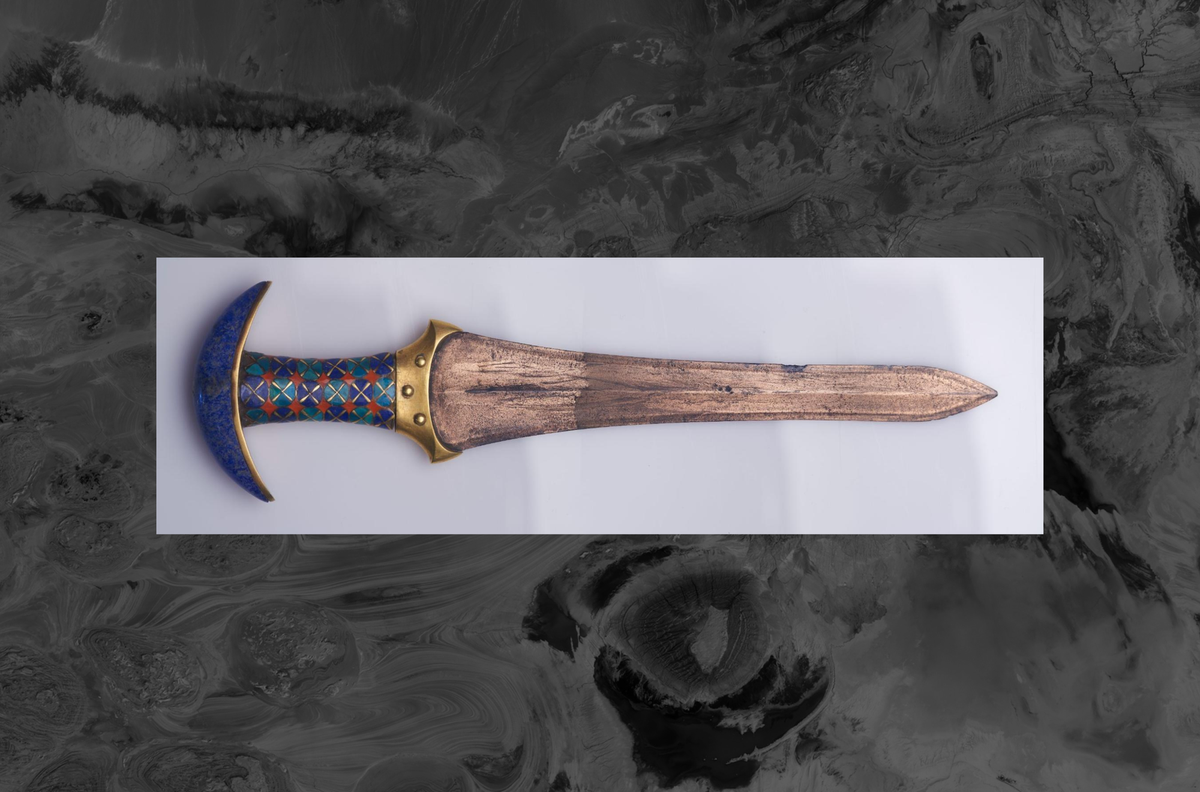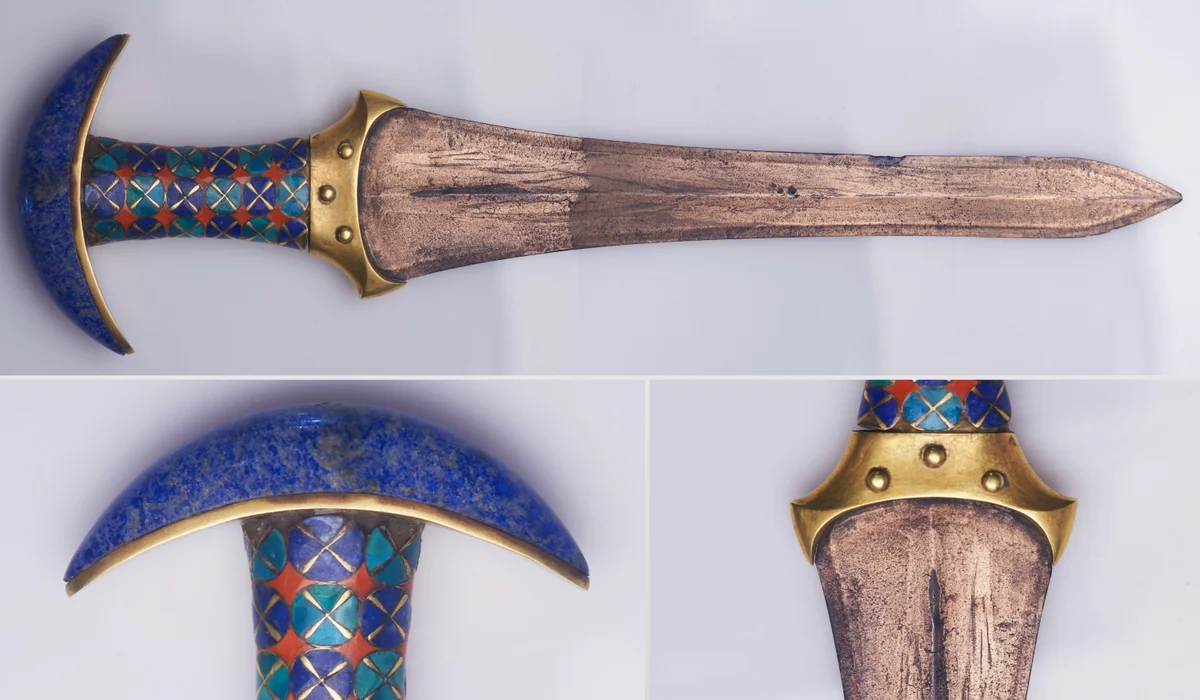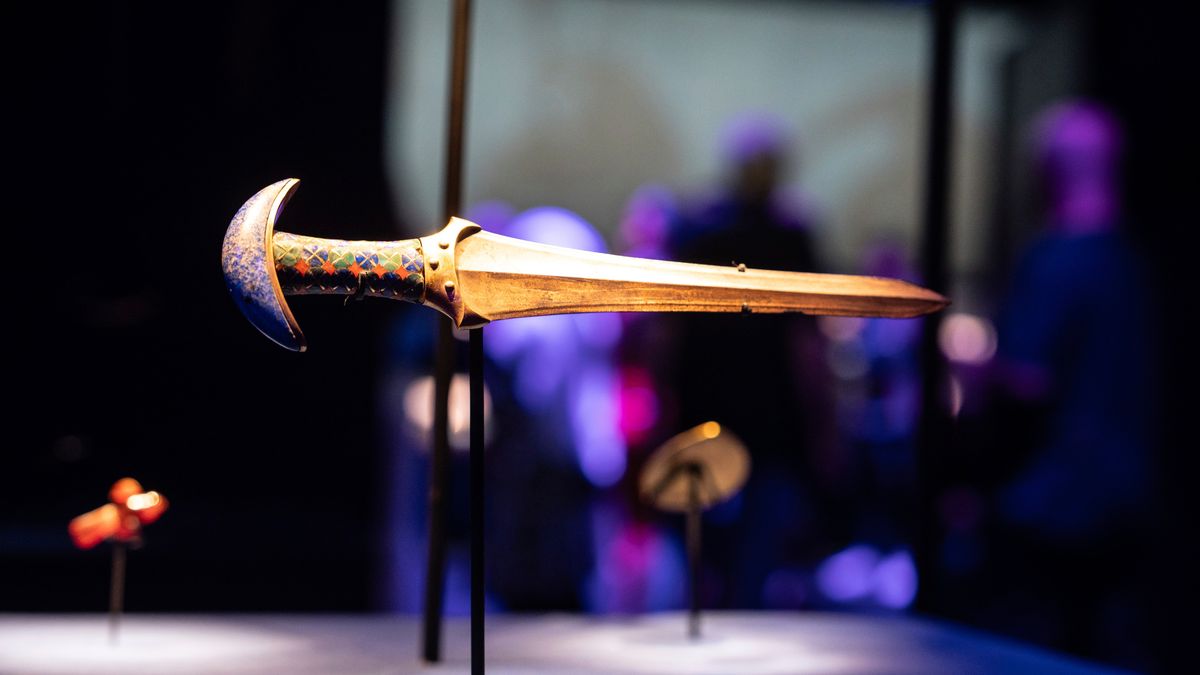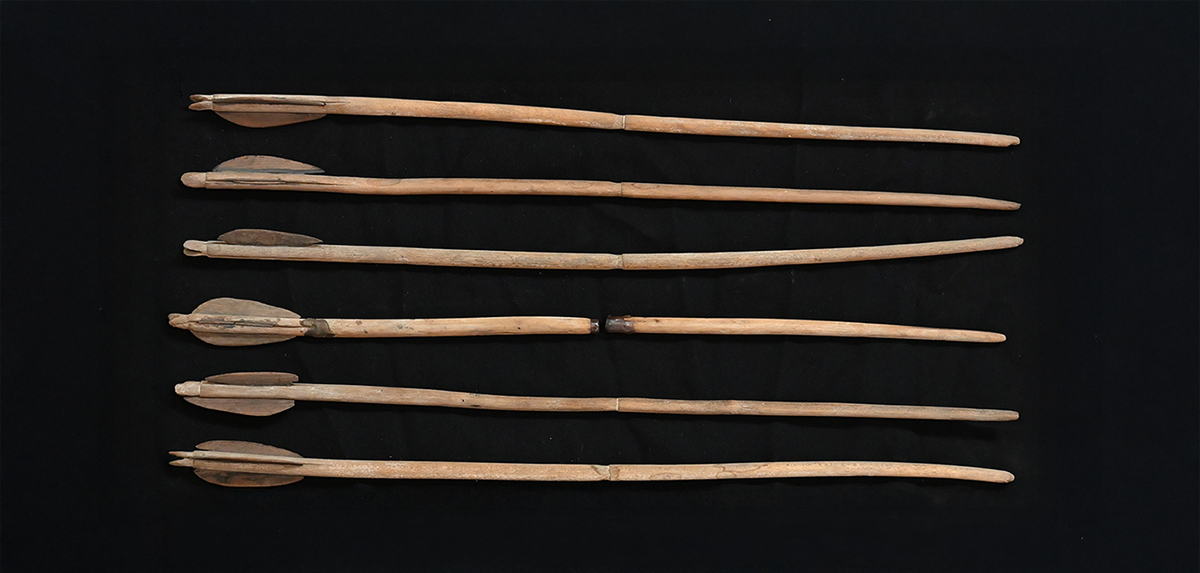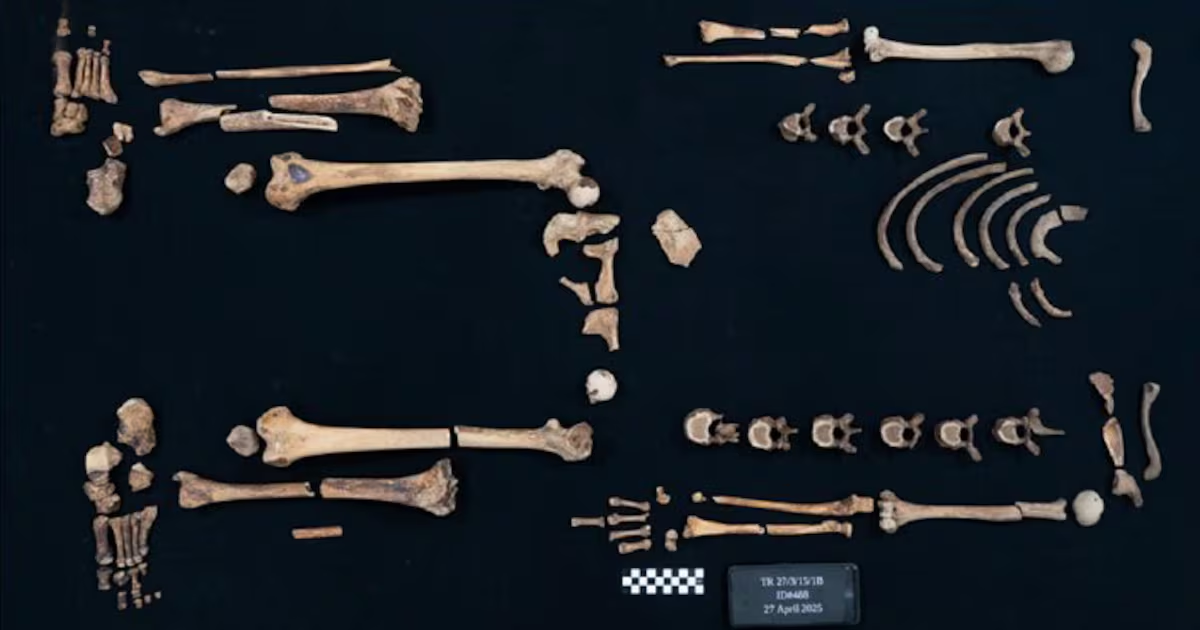
For more than a century, the weapons buried alongside a cluster of ancient Egyptian princesses posed a quiet riddle. Bows, arrows, maces and a jewelled dagger had been laid in the tombs of royal women at Dahshur, south of Cairo. Scientists have wondered whether they were real tools used by these princesses, or merely status symbols placed in the grave to impress the gods. A new study of the women's skeletons offers an emphatic answer: they could use them.Researchers who re-examined the remains of five princesses and a king from the late Middle Kingdom, buried roughly 4,000 years ago, found bones sculpted by years of physical training. The muscle attachments on their arms, shoulders and hands were thickened and asymmetrical in exactly the way archery leaves its mark, with one side of the body more developed than the other and the drawing hand more powerful than the other.That these bones can tell a story at all is a minor miracle. The six royals – four sisters named Ita, Khenmet, Itaweret and, most likely, Sathathormeryt, along with Princess Noub-Hotep and King Hor – were unearthed by the French archaeologist Jacques De Morgan in 1894 and 1895, then largely forgotten. Their skulls were carried off to a Cairo medical museum for study and lost entirely in the early 20th century. The rest of the skeletons drifted into storage, and for more than a century most were never examined at all. They resurfaced only in 2020, when curators working through the Egyptian Museum's basement in Tahrir opened two wooden boxes and found the royal remains inside, some still wrapped in the yellowed 1890s newspaper their excavators had used as packing. The bones were marked in faded ink with hand-scrawled names. “Our findings prove that in the elite sphere of the Middle Kingdom, high social status could effectively redefine what it meant to be a woman,” Dr Zeinab Hashesh of Beni-Suef University, who led the research published in Frontiers in Environmental Archaeology, told The National on Thursday.“These princesses were far from the sedentary, purely decorative figures often depicted in traditional models. Their skeletons tell a story of extraordinary discipline and physical strength, revealing they were trained archers and active ritual agents.”The jewelled dagger buried with Princess Ita, which researchers believe was used by the princesses. Photo: Egyptian MuseumInfoThe evidence is precise. Princess Noub-Hotep's forearm and hand bones carry the telltale wear of repeatedly gripping and drawing a bow, and one of her palm bones is slightly bowed from the strain, a detail that matches the arrows found in her tomb. Princess Itaweret's collarbones and chest muscles show the same archer's signature. Princess Ita's grip was strong enough to suggest she habitually handled a weapon such as the dagger buried with her. Even King Hor, the one man in the group, bears the lopsided arm development of someone who trained with weapons.Privilege and hardshipBut the most striking thread running through the study is not martial prowess. It is what the team calls the “paradox of privilege”, the way royal life both protected these people and exposed them to hardship.Their bones record real suffering. There are signs of childhood metabolic stress, of possible malnutrition, of thinning bone and lingering infection. Several individuals had broken bones, Itaweret survived fractured ribs and injured feet, probably from a fall or a heavy blow. Being born into Egypt's ruling family, in other words, did not spare them the ordinary damage of an active and demanding life, the researchers found.Wooden arrows recovered from the burial site of Princess Noub-Hotep. The weapons' imprint matches wear and tear found on the archer's forearm and hand bones. Photo: Eman ShawkyInfoWhat their status did buy was medical care. Every fracture the researchers examined had healed cleanly, with no infection and no bones left crooked, a standard of treatment that was, for its era, exceptional.“Even the highest royal status did not shield these individuals from the physiological challenges of their time,” Dr Hashesh said, “However, their status provided a critical biological advantage: access to a level of medical treatment that was the best in the ancient world. The perfectly healed fractures we observed, healing without a trace of infection or malalignment, provide skeletal proof of highly effective medical care 4,000 years ago.”The study is also candid about how much has been lost. All but one of the skulls vanished from a Cairo medical museum, and the surviving bones are incomplete after being neglected for over a century. One skeleton had no identifying label at all; the team pieced together, from its build and the objects around it, that it most likely belonged to Princess Sathathormeryt. Planned DNA and chemical tests, still awaiting approval, may firm up the family ties the bones hint at. Already, though, the skeletons carry suggestive clues: several of the royals share the same rare, inherited quirks of the spine. Researchers believe these shared traits suggest a royal line that married within itself to keep power in the family. For Dr Hashesh, the deeper point is a shift in whose story gets told. “Bioarchaeology is the vital key to humanising the past,” she said, “By shifting the focus from tomb treasures to the human remains themselves, we can reconstruct true osteobiographies [told by their skeleton] that reveal the health, movement and standard of care afforded to these people.”
Egypt's warrior princesses: Ancient bones reveal lives of trained female archers | The National
Lost in Egyptian Museum basement for more than 100 years, skeletons of five princesses and a king tell stories of discipline and hardship
885 words~4 min read