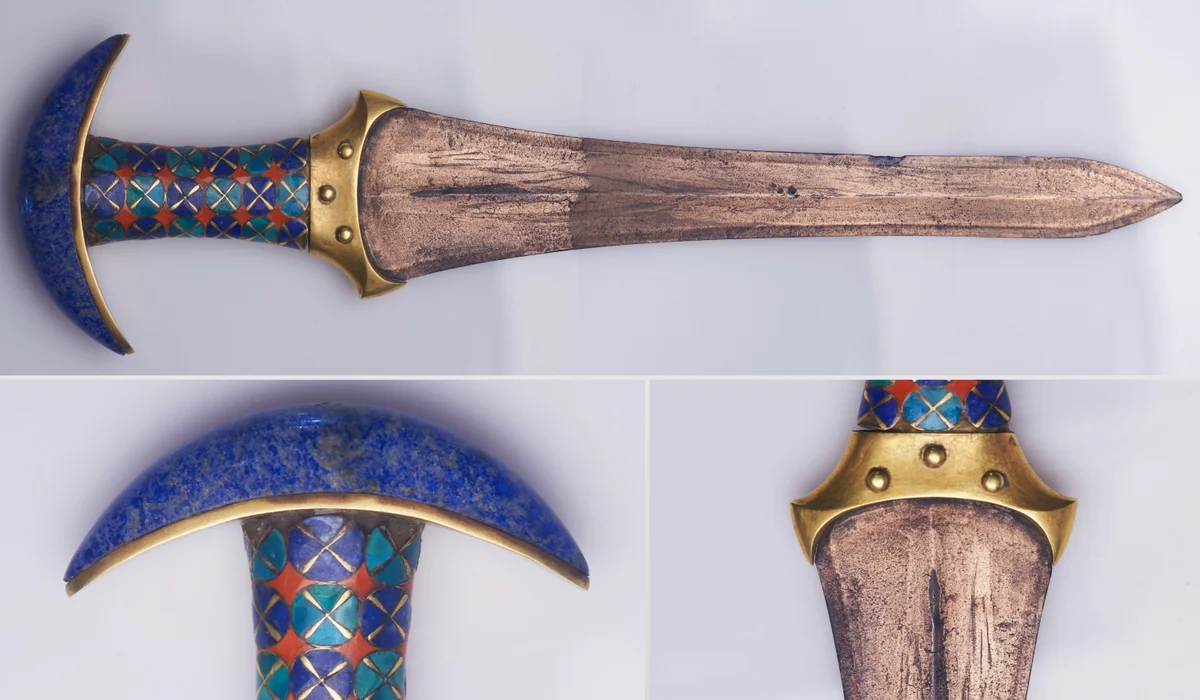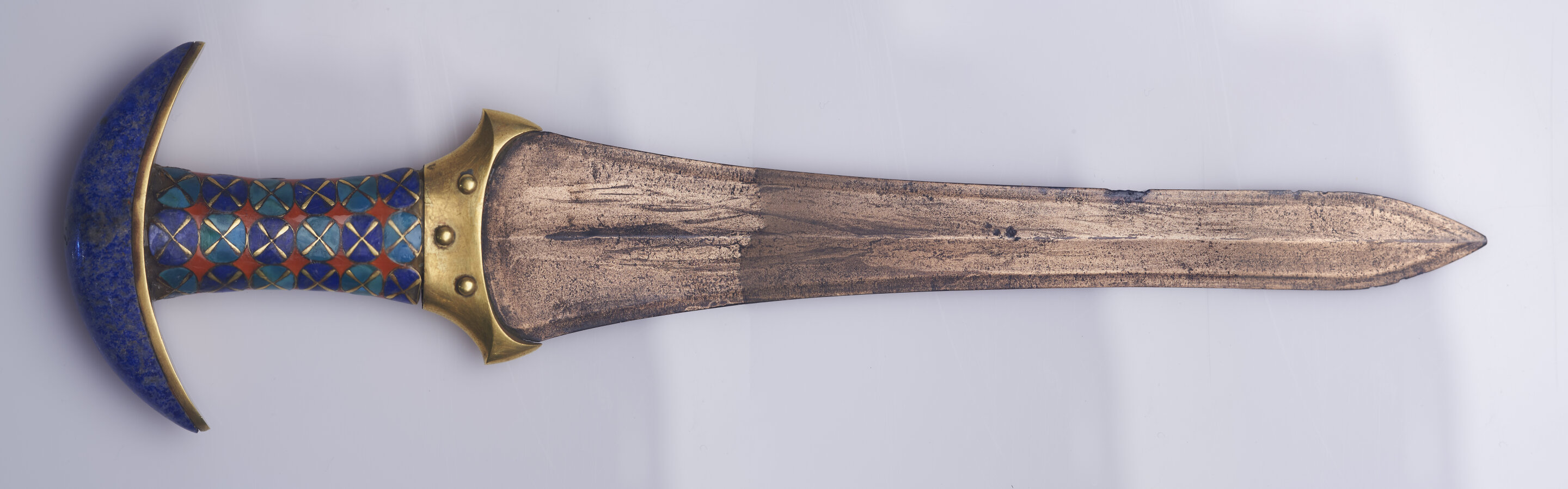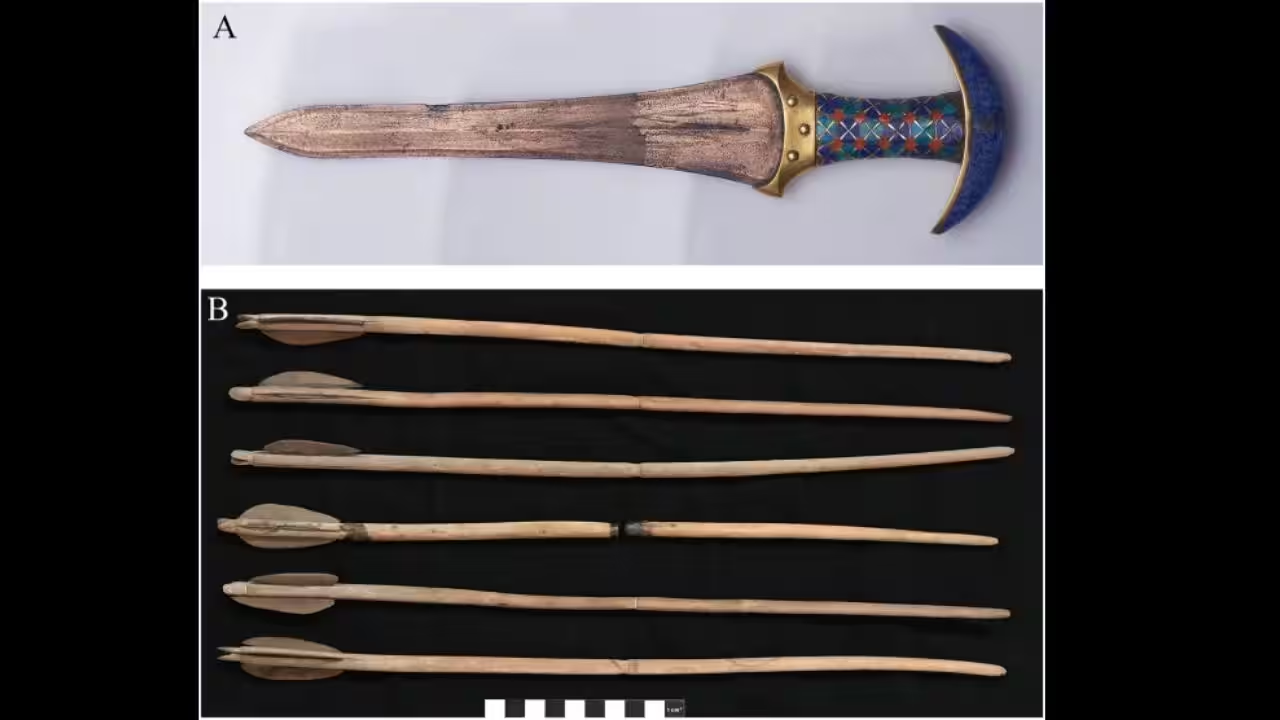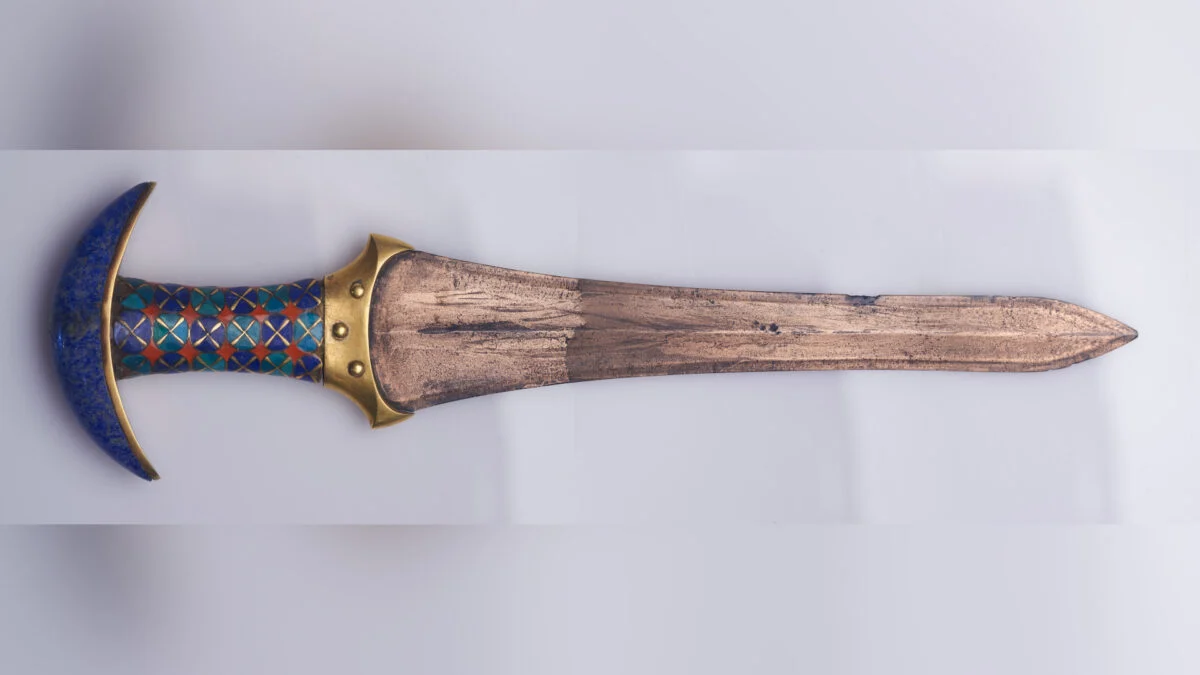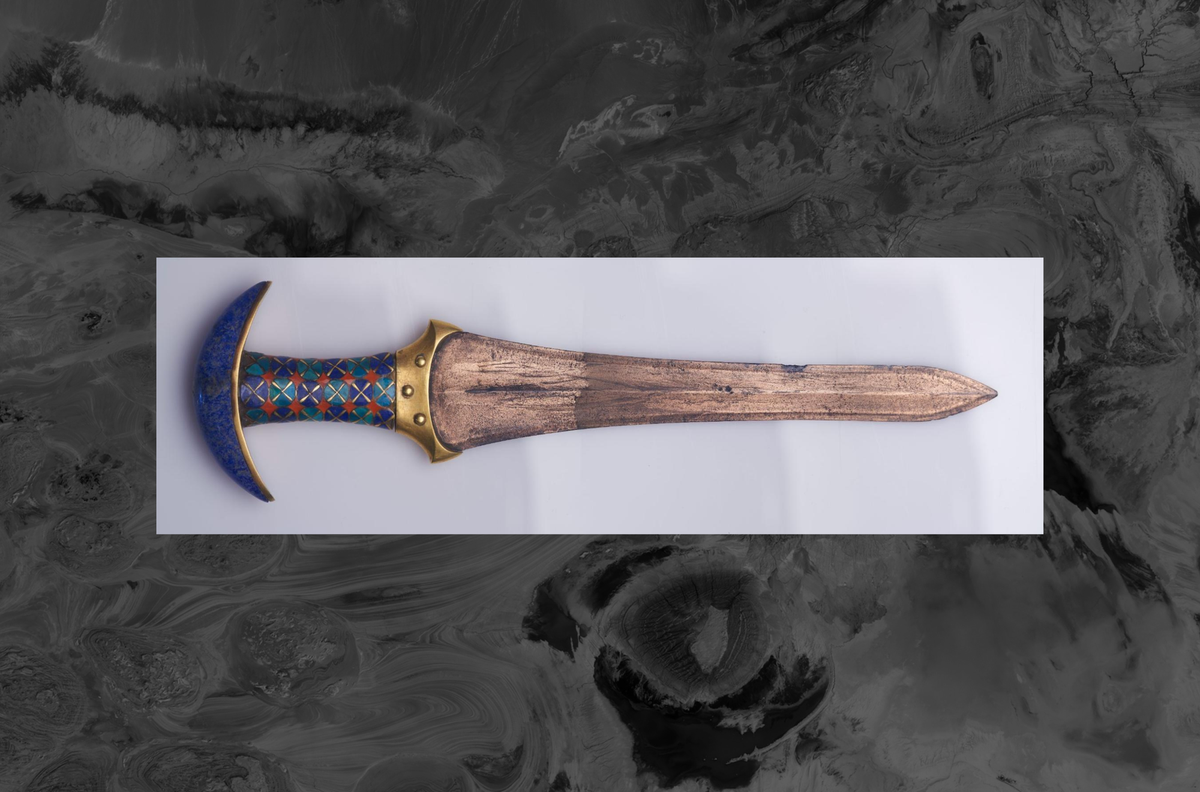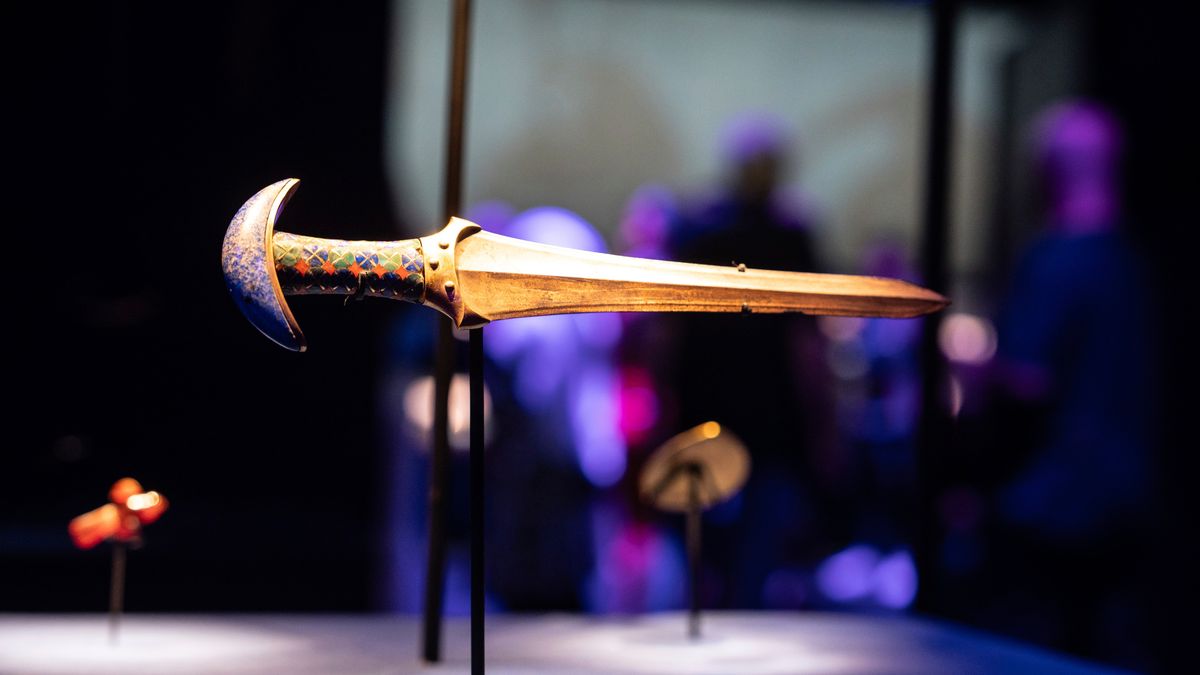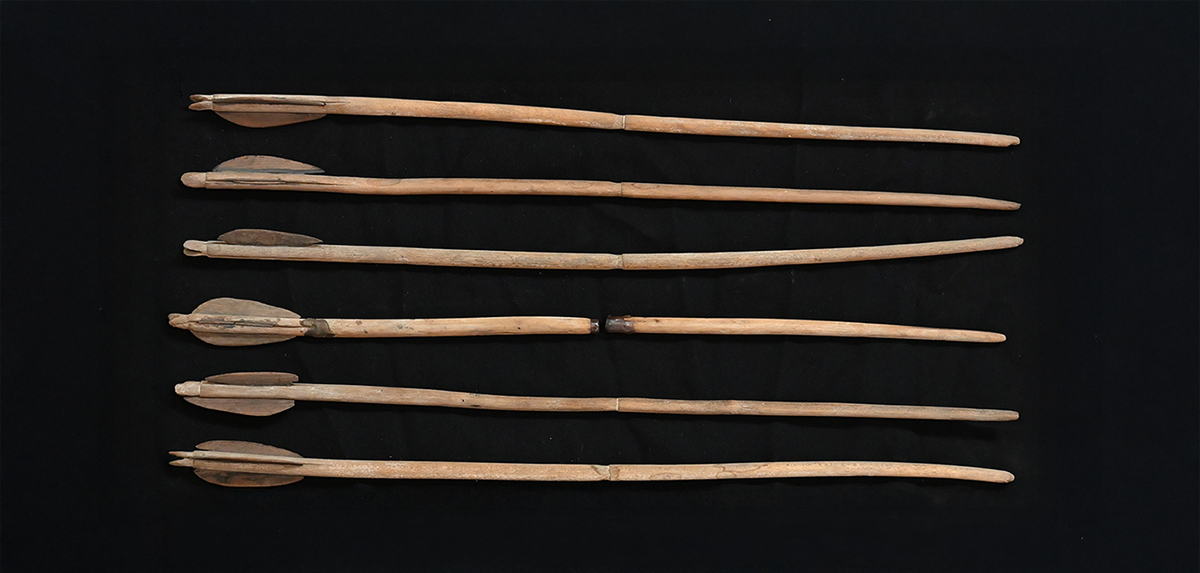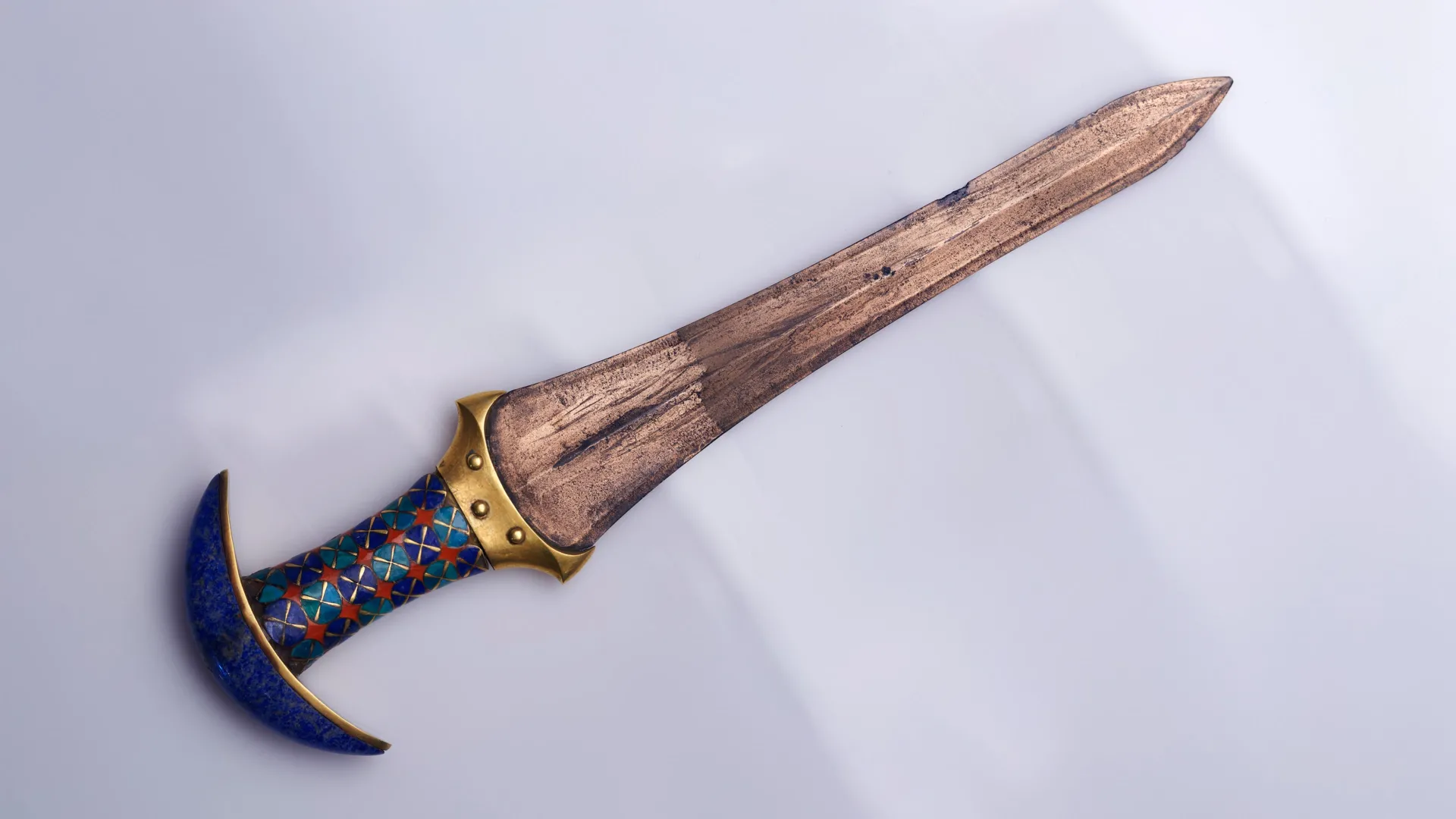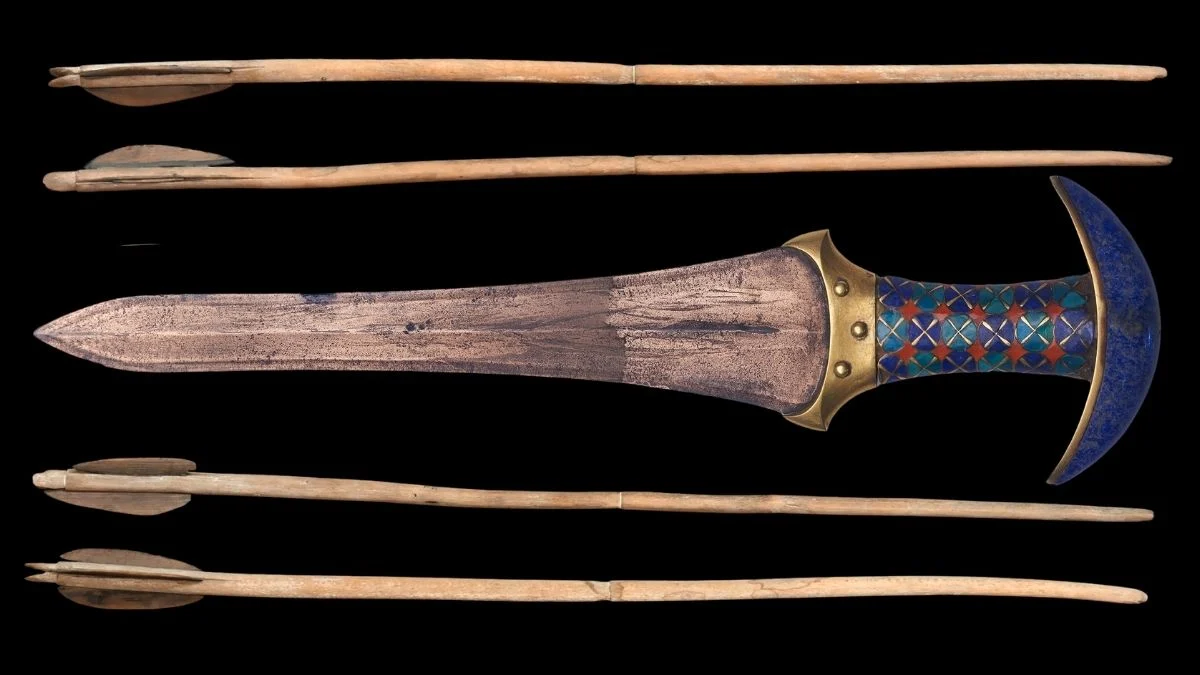
The dagger found buried alongside Princess Ita, courtesy of the Egyptian Museum, and Princess Noub Hotep's arrows, courtesy of Eman Shawky. (Hashesh et al., Front. Environ. Archaeol., 2026)
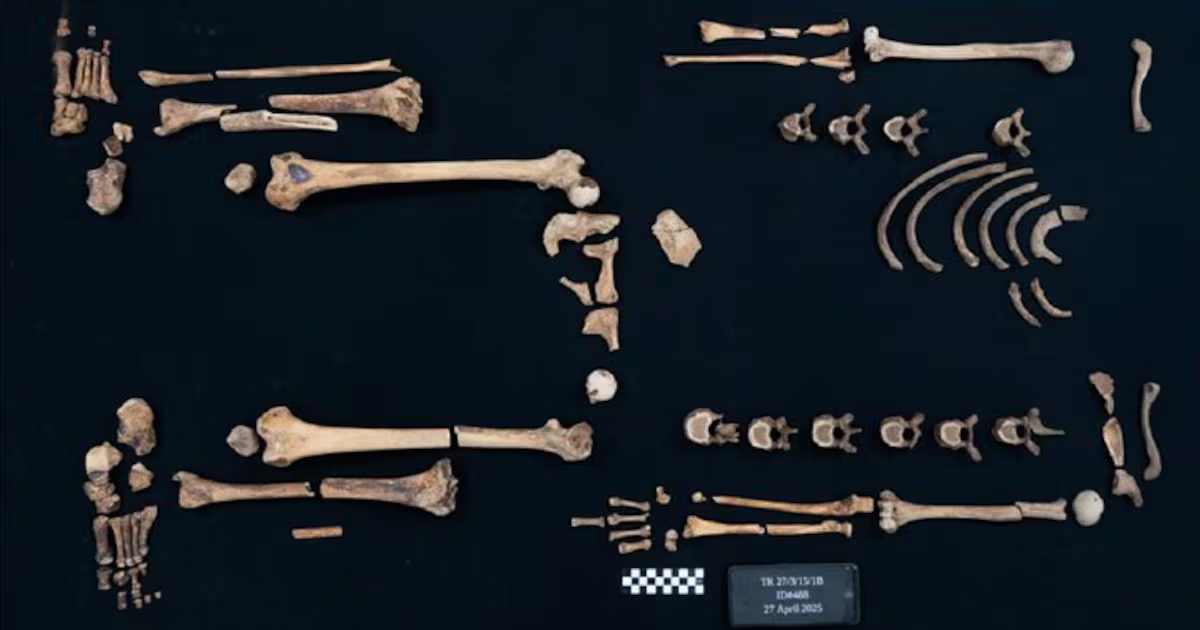
Ancient Egyptian princesses actually knew how to use the weapons they were buried with, according to a new study published in Frontiers in Environmental Archaeology.Any doubts around the women's prowess with the weapons – which include daggers, bows, and maces – have been quashed by a new analysis of the princesses' long-lost mummified remains.At the apex of the 1890s Egyptomania craze, French archeologist Jacques de Morgan discovered the 4,000-year-old bodies within the Dahshur pyramid complex.In 1895, scientific investigations were carried out on the two most high-ranking royals in the burial complex, King Hor and Princess Noub-Hotep.19th-century handwriting is visible on the bones, and the papers they were wrapped with. (Hashesh et al., Front. Environ. Archaeol., 2026)In 1915, the Dahshur bodies were brought to the Egyptian Museum in Tahrir, where they were left in a wooden box and forgotten for over a century.Then, in 2020, Zeinab Hashesh, an archaeologist at Beni-Suef University in Egypt, rediscovered the remains: King Hor and Princess Noub-Hotep, Princess Itaweret, Princess Khenmet, Princess Ita, and another female skeleton whose identity remains unknown."Early curators at the Egyptian museum gave the whole box only one number and described it as 'human remains'. That's it," Hashesh told ScienceAlert.The women's skulls are still nowhere to be seen.The skulls of Noub-Hotep (B) and the other princesses are missing. Only the king's (A) skull remains paired with his body. (Hashesh et al., Front. Environ. Archaeol., 2026)"In 1906, the crania (skulls) were separated from the bodies and sent to the Cairo School of Medicine for examination," Hashesh adds."They were eventually lost, which made a complete assessment of the individuals impossible for later researchers."Now, Hashesh and her colleagues have re-examined the bodies, analyzing bone features along with X-rays to better understand the lives of these ancient people.The dagger found buried alongside Princess Ita. (DCHNwam/Flickr)"Finding and analyzing these skeletons after they had spent 130 years in a box was a profoundly moving experience. As scientists, we felt a sense of responsibility to finally give a 'voice' to these individuals who were central to the Middle Kingdom royal court," Hashesh said."There was a mix of scientific excitement and a sense of historical justice in proving that these women were more than just the silent, decorative figures they had been assumed to be."Turns out, these long-lost women were actually kind of formidable.