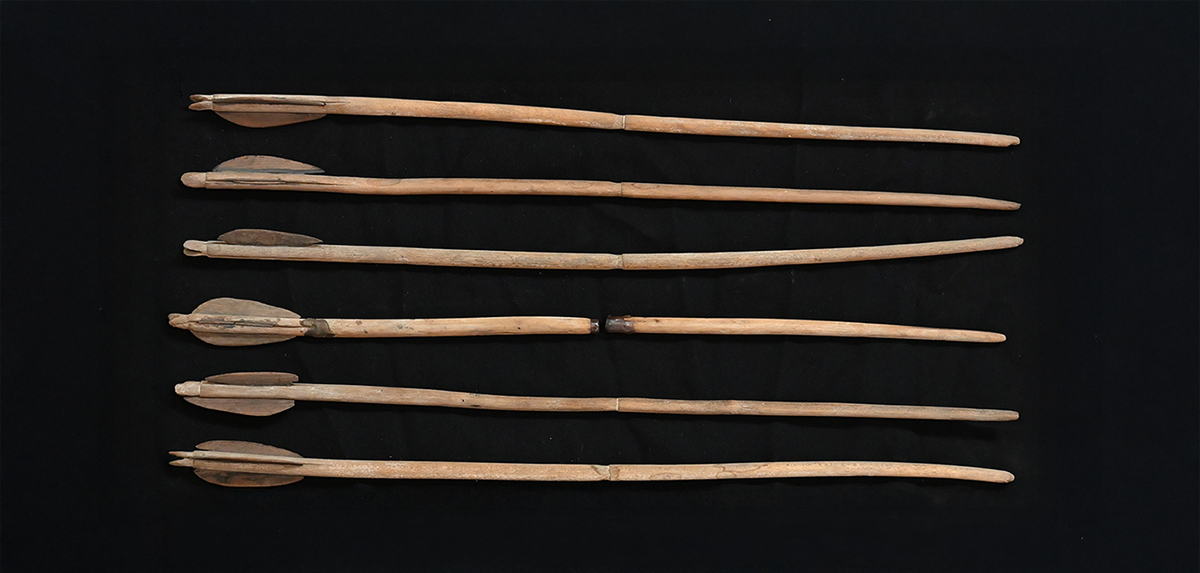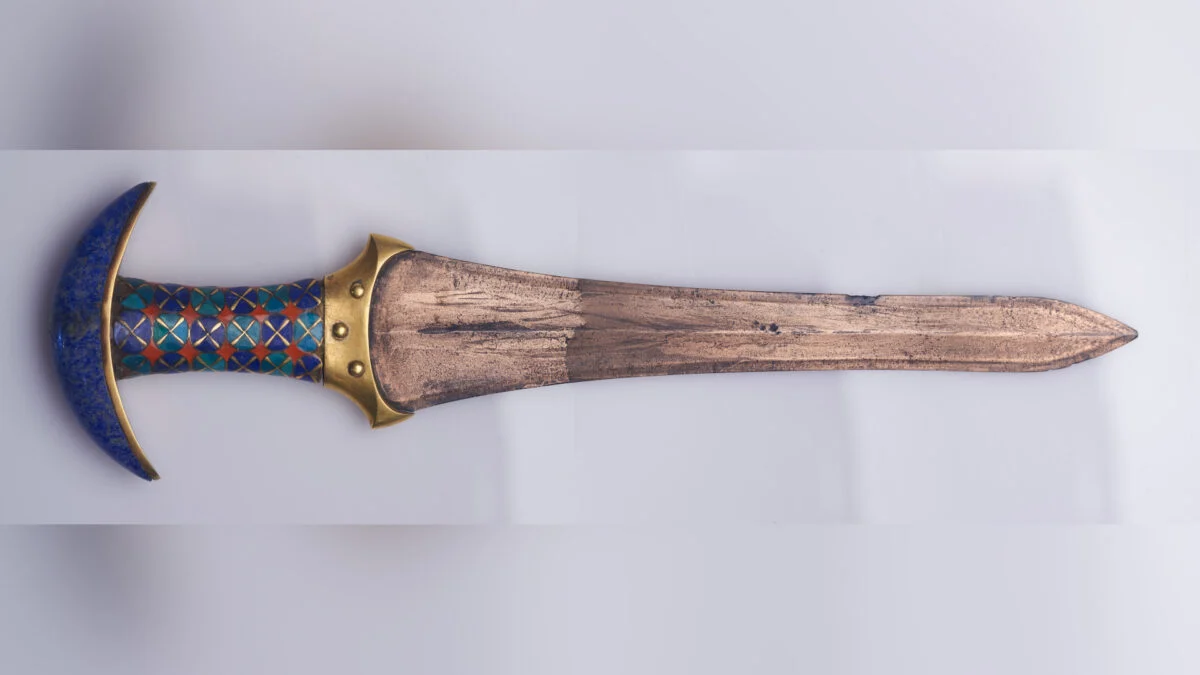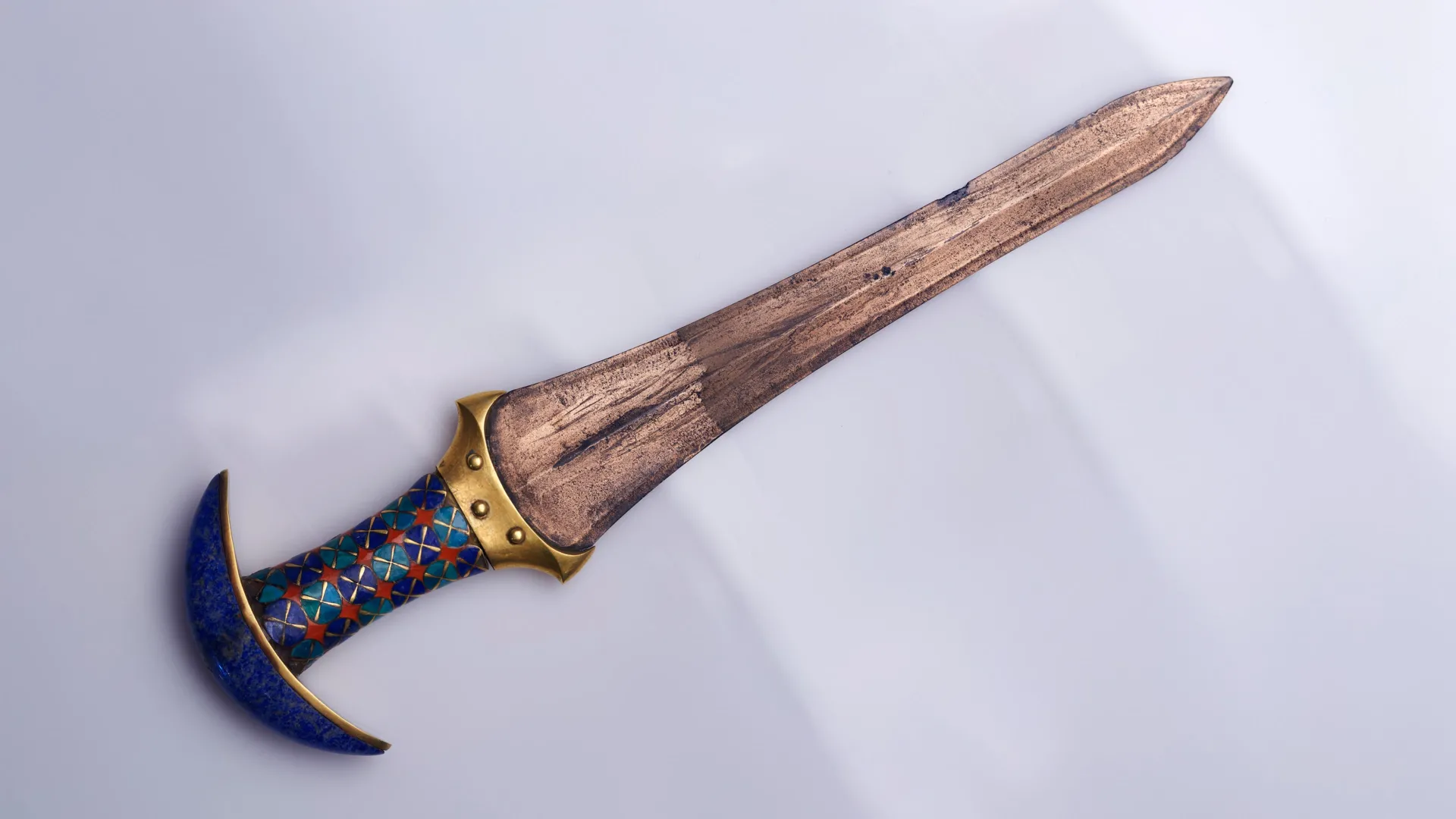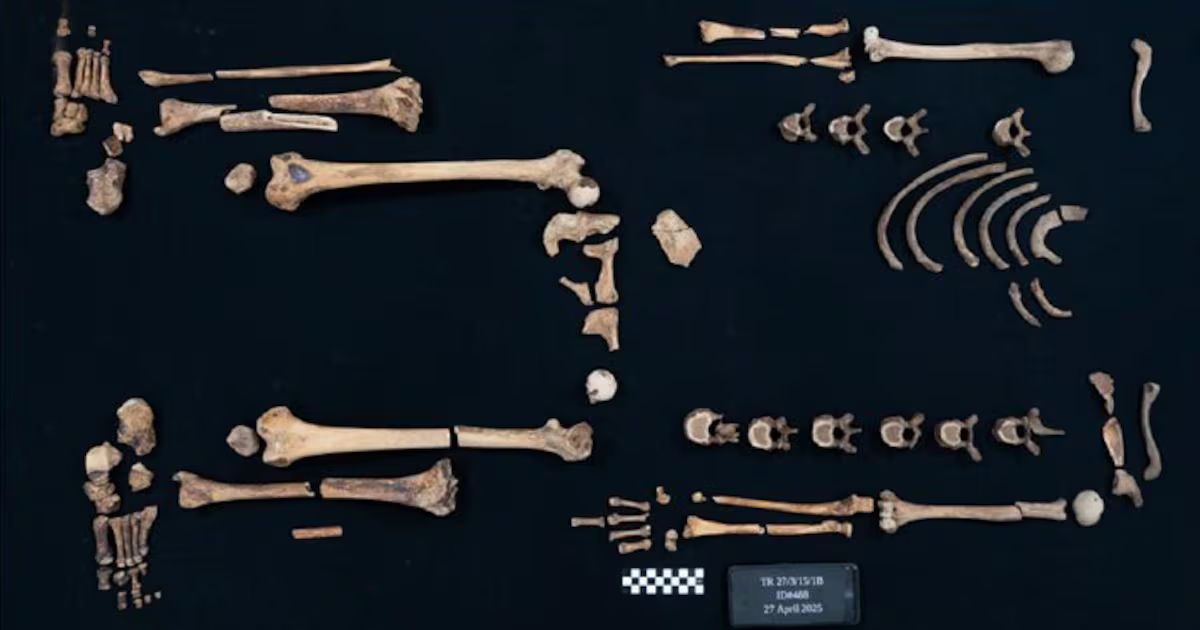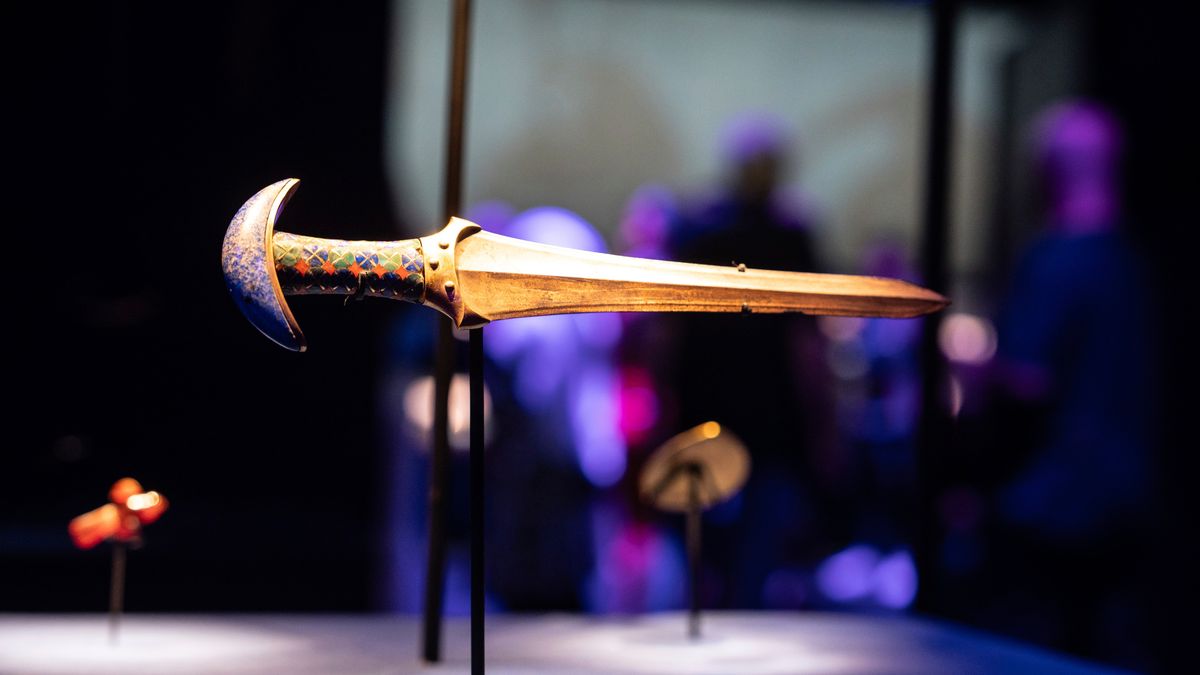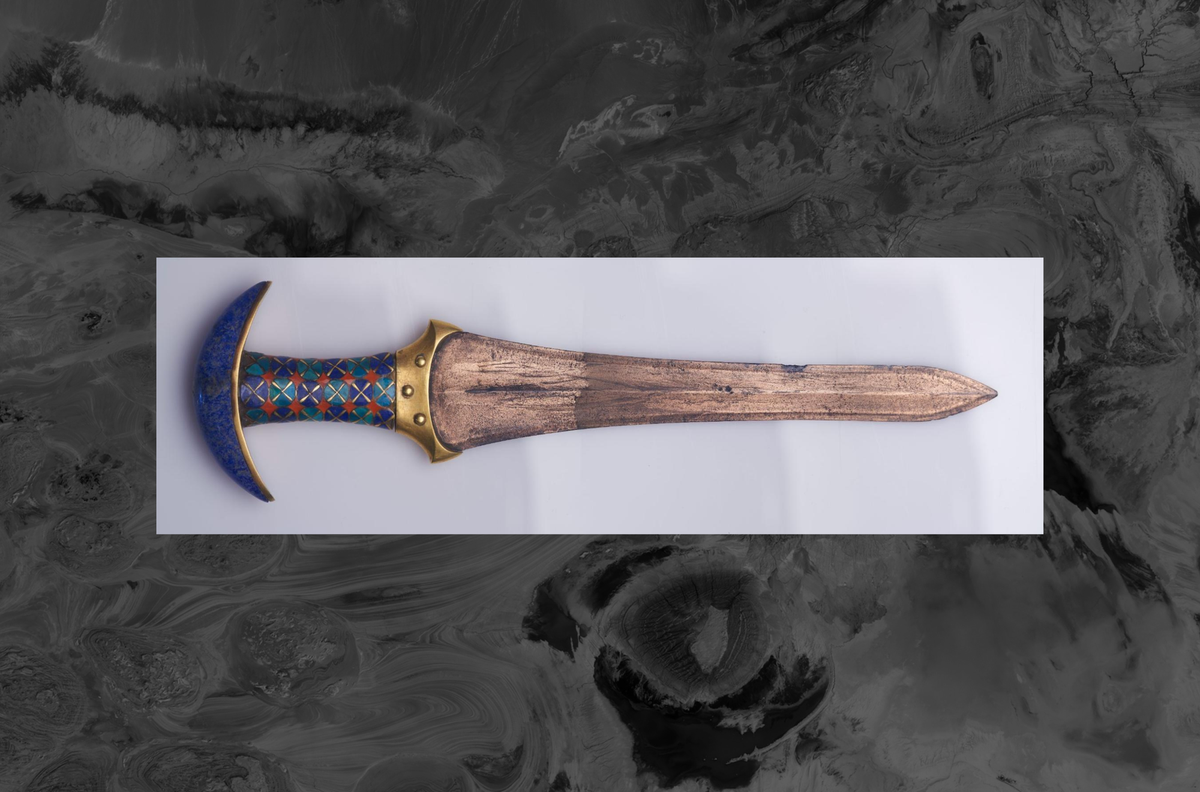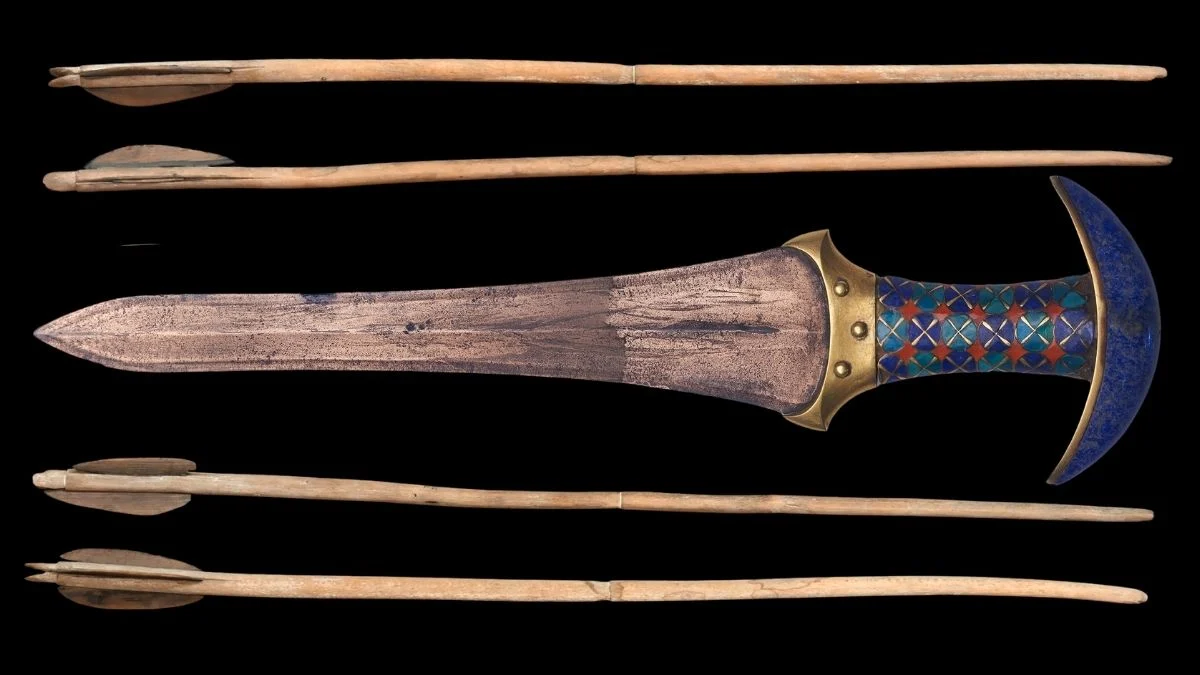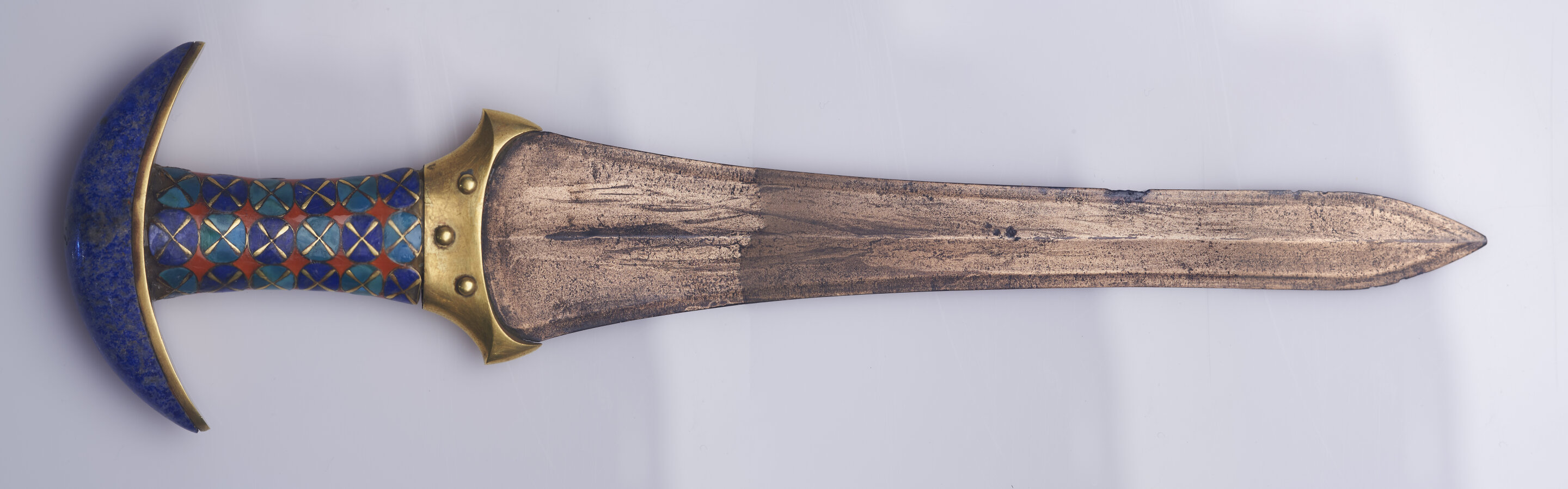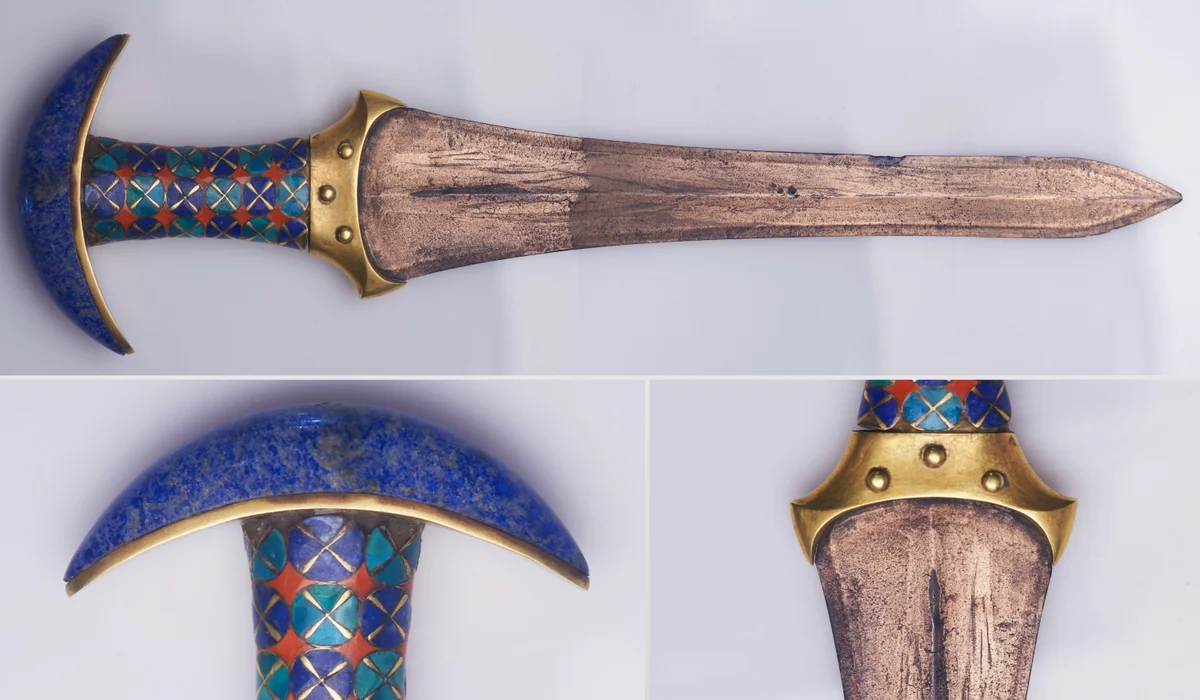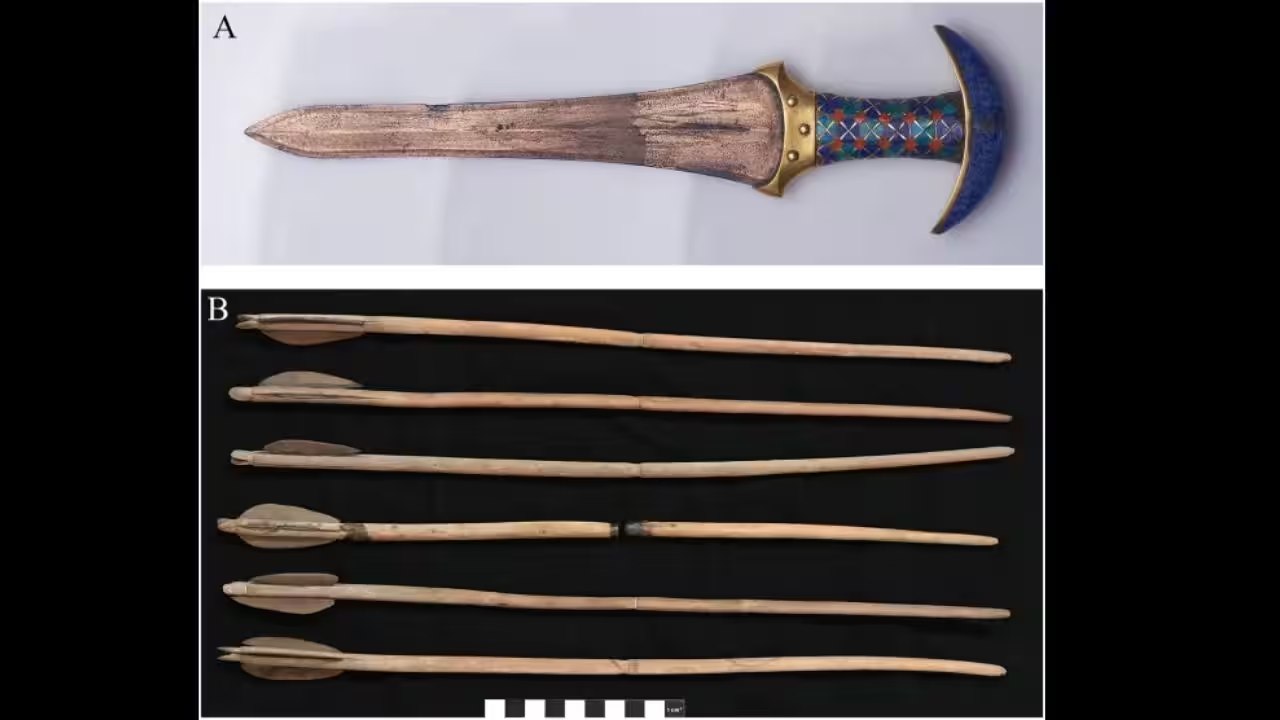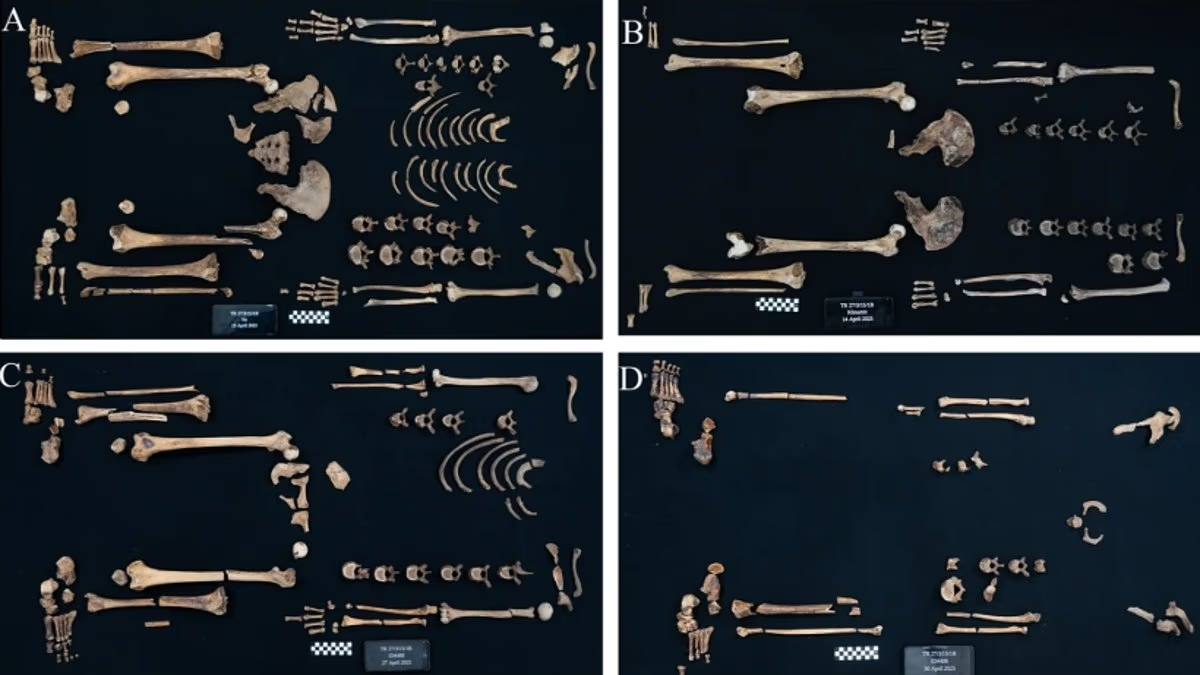
If you were asked to picture a warrior, a vision of a muscular man might spring to mind.But a new study might have you repainting that image in your head. Archaeologists from Beni Suef University say that in Ancient Egypt, it was the princesses who were the most skilled warriors. In their study, the team analysed six royal mummies found in Dahshur – a funerary complex of pyramids and shaft tombs. Their analysis revealed that five of the mummies belonged to princesses, who had been buried alongside bows, arrows and daggers.These items are traditionally associated with men – and could paint a very different story about fighters in Ancient Egypt. 'Members of the royal family, especially the women, were active participants in skilled, physically demanding activities such as archery and hunting,' said Dr Zeinab Hashesh, lead author of the study. 'This conclusion is supported by the way their bones developed to sustain heavy muscle use, which corresponds directly to the weapons discovered in their tombs.' Five of mummies belonged to princesses, who had been buried alongside bows, arrows and daggers Four of the princesses in the tombs were daughters of pharaoh Amenemhat – Princess Khenmet, Princess Itaweret, Princess Ita, Princess SathathormerytFour of the princesses in the tombs were daughters of pharaoh Amenemhat – Princess Khenmet, Princess Itaweret, Princess Ita, Princess Sathathormeryt.The other two tombs analysed also belonged to royalty – Princess Noub–Hotep and King Hor – and contained similar regalia. While the mummies' soft tissue had turned to powder long ago, several bones remained – allowing the archaeologists to estimate the individuals' age at death, height, sex, and illnesses or injuries.'Princess Ita was a young woman aged between 28 and 34 with strong upper–body muscle attachments, suggesting she habitually used weapons like maces or daggers,' said Dr Hashesh. 'Princess Khenmet was a woman in her late 30s or 40s who showed signs of thinning bones, but had very robust ligament attachments. 'Princess Itaweret was a young woman aged between 20 and 34 who survived broken ribs and foot fractures; her skeleton shows she was a skilled archer.' The sisters' bones had 'robust muscle attachments', indicating they were highly physical, according to the researchers. Dr Hashesh said: 'We found pronounced development in the upper limbs of these individuals, which correlates to repetitive, high–intensity actions like pulling a bowstring or stabilizing a weapon, proving these activities were habitual throughout their lives. The sistes' bones had 'robust muscle attachments', indicating they were highly physical, according to the reseachers Pictured: the arrows found buried alongside Princess Noub Hotep'This directly explains the presence of bows, arrows, and maces in the women’s tombs; these were not just symbolic gifts but tools they actively used.'What's more, several of the individuals had evidence of injuries. Dr Hashesh explained: 'These injuries were most likely caused by accidents, falls, hard blows, or other impacts linked to an active lifestyle, whether through hunting, military training, or other demanding activities.'What is remarkable is that the injuries healed well, which suggests they had access to advanced medical care for their time.'Unfortunately, the princesses' skulls were lost in the early 1900s, which somewhat limits the analysis. Dr Hashesh added: 'Our dream would be to go far beyond simply identifying the Dahshur royals.'We would try to tell their full life stories, their families, health, and even their political roles, with as much detail as possible. 'Beyond the science, we would preserve the remains, create 3D prints for teaching and virtual exhibitions, and display them alongside their jewelry, weapons, and funerary objects. 'All of this would be done with respect, ensuring the remains are presented ethically, just as they were originally buried.'Their objects and jewelry are truly fascinating, breathtaking in their craftsmanship. 'Yet, while archaeologists have long focused on preserving these treasures, the people themselves were often forgotten. Our study seeks to change that.'KING TUTANKHAMUN: THE PHARAOH WHO RULED EGYPT MORE THAN 3,000 YEARS AGOThe face of Tutankhamun was an Egyptian pharaoh of the 18th dynasty, and ruled between 1332 BC and 1323 BC. Right, his famous gold funeral maskTutankhamun was an Egyptian pharaoh of the 18th dynasty, and ruled between 1332 BC and 1323 BC.He was the son of Akhenaten and took to the throne at the age of nine or ten.When he became king, he married his half-sister, Ankhesenpaaten.He died at around the age of 18 and his cause of death is unknown.In 1907, Lord Carnarvon George Herbert asked English archaeologist and Egyptologist Howard Carter to supervise excavations in the Valley of the Kings.On 4 November 1922, Carter's group found steps that led to Tutankhamun's tomb.He spent several months cataloguing the antechamber before opening the burial chamber and discovering the sarcophagus in February 1923.When the tomb was discovered in 1922 by archaeologist Howard Carter, under the patronage of Lord Carnarvon, the media frenzy that followed was unprecedented.Carter and his team took 10 years to clear the tomb of its treasure because of the multitude of objects found within it. For many, Tut embodies ancient Egypt's glory because his tomb was packed with the glittering wealth of the rich 18th Dynasty from 1569 to 1315 BC. Egypt's antiquities chief Zahi Hawass (3rd L) supervises the removal of the lid of the sarcophagus of King Tutankhamun in his underground tomb in the famed Valley of the Kings in 2007.
Forget the male warrior: Ancient Egyptian PRINCESSES were hunters
If you were asked to picture a warrior, a vision of a muscular man might spring to mind. But a new study might have you repainting that image in your head.
883 words~4 min read