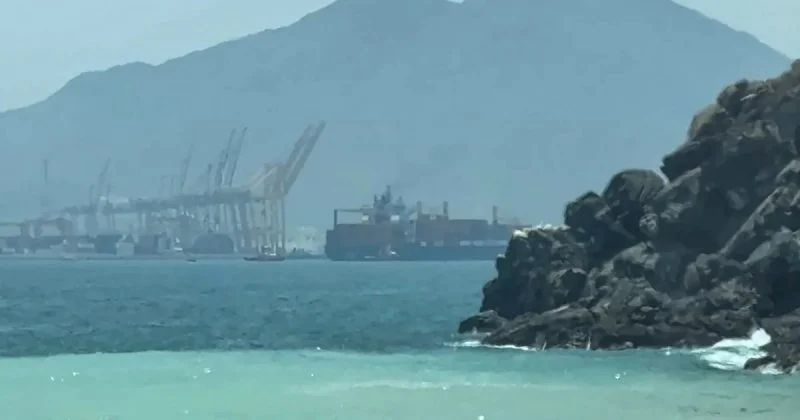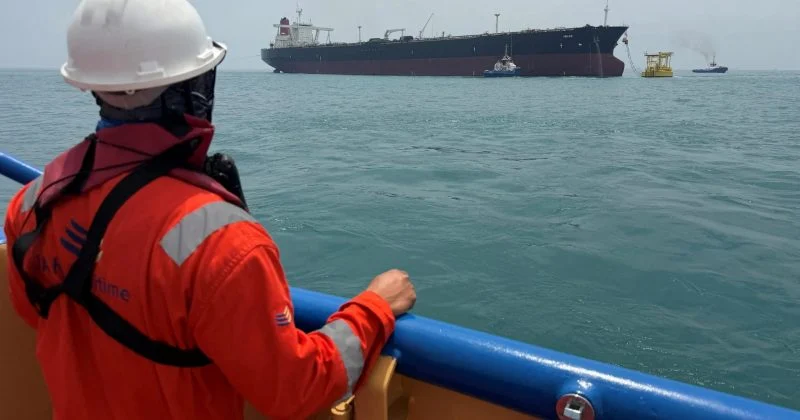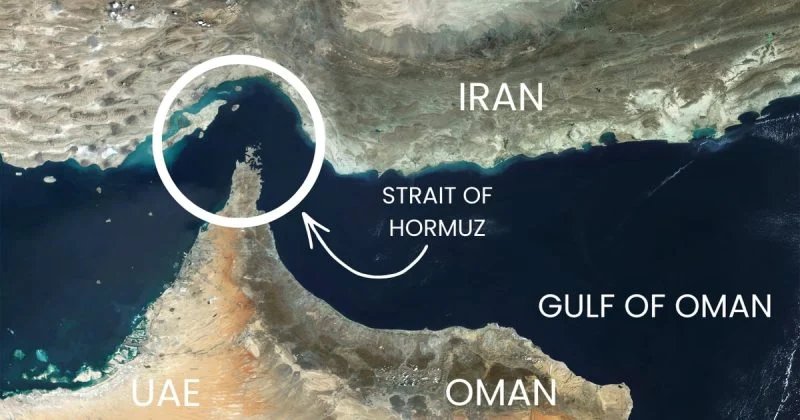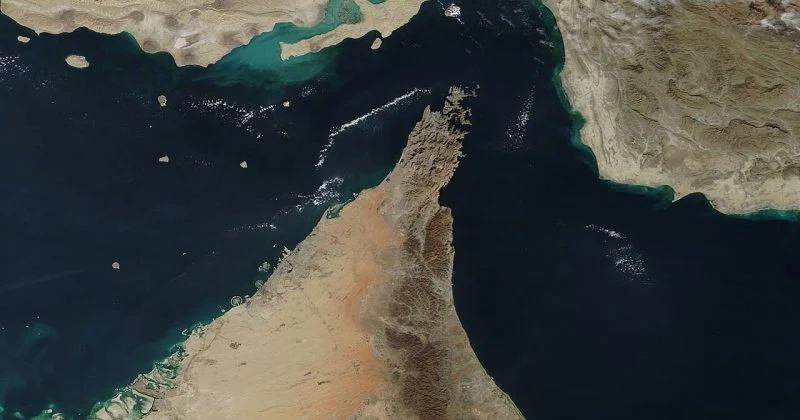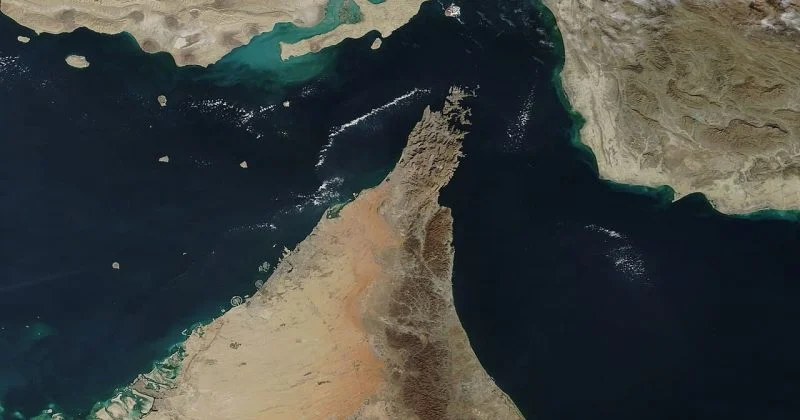
International Energy Agency (IEA) chief Fatih Birol has issued a warning about the potential threats to global oil and gas security, citing worsening conditions in the Strait of Hormuz and the ongoing war involving Iran. The IEA has referred to the disruption as the “largest supply disruption in the history of the global oil market,” affecting a significant portion of worldwide crude and gas supply. The Strait of Hormuz, a critical chokepoint for the global oil trade, has seen fluctuating traffic levels due to Iranian actions, with recent slowdowns following a temporary rebound in June.
Markets appear to interpret Birol’s warning as an indication of continued risk to oil supply stability. This perspective is reflected in the pricing of WTI crude oil markets, where the likelihood of WTI reaching $130 in July is seen as having increased risk. Current market data show a range of probabilities for different price targets being hit, with some sub-markets indicating significant increases in perceived risk over recent days.
Despite the release of emergency oil reserves by the IEA and OECD nations, the geopolitical environment continues to influence market sentiment. Key actors in this context include the U.S. President, Iranian leadership, and OPEC+ members, whose decisions could further impact global oil prices.