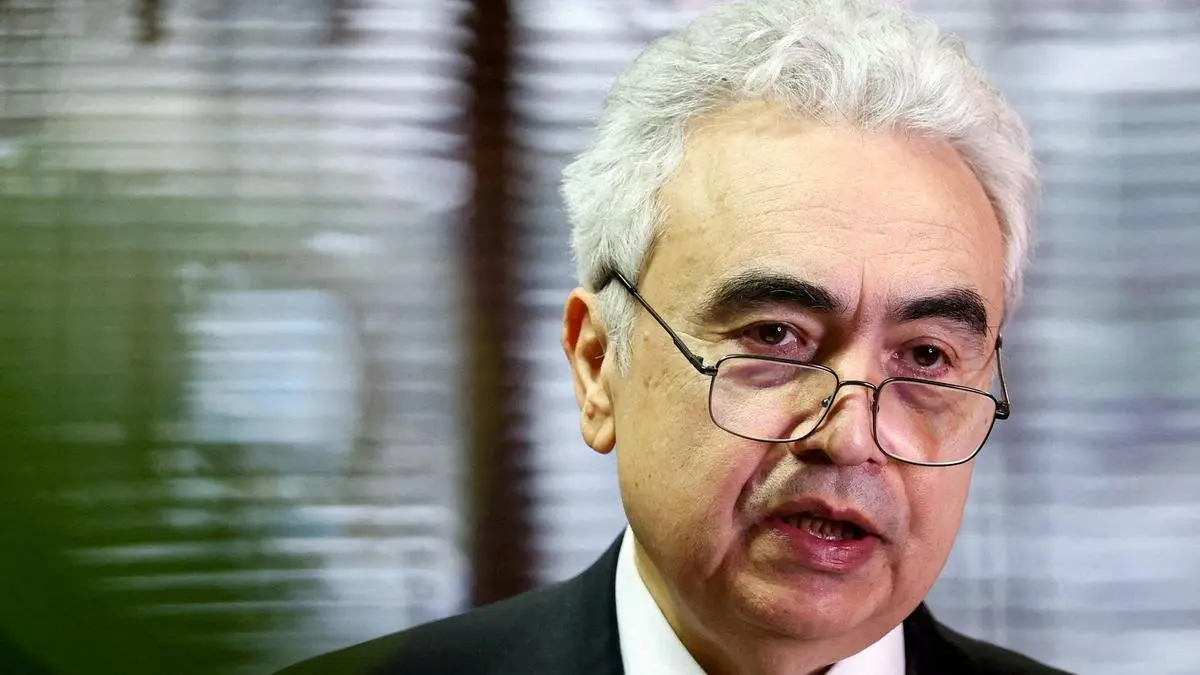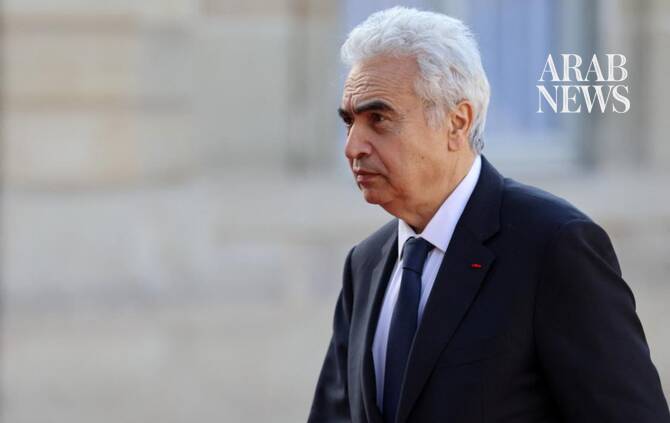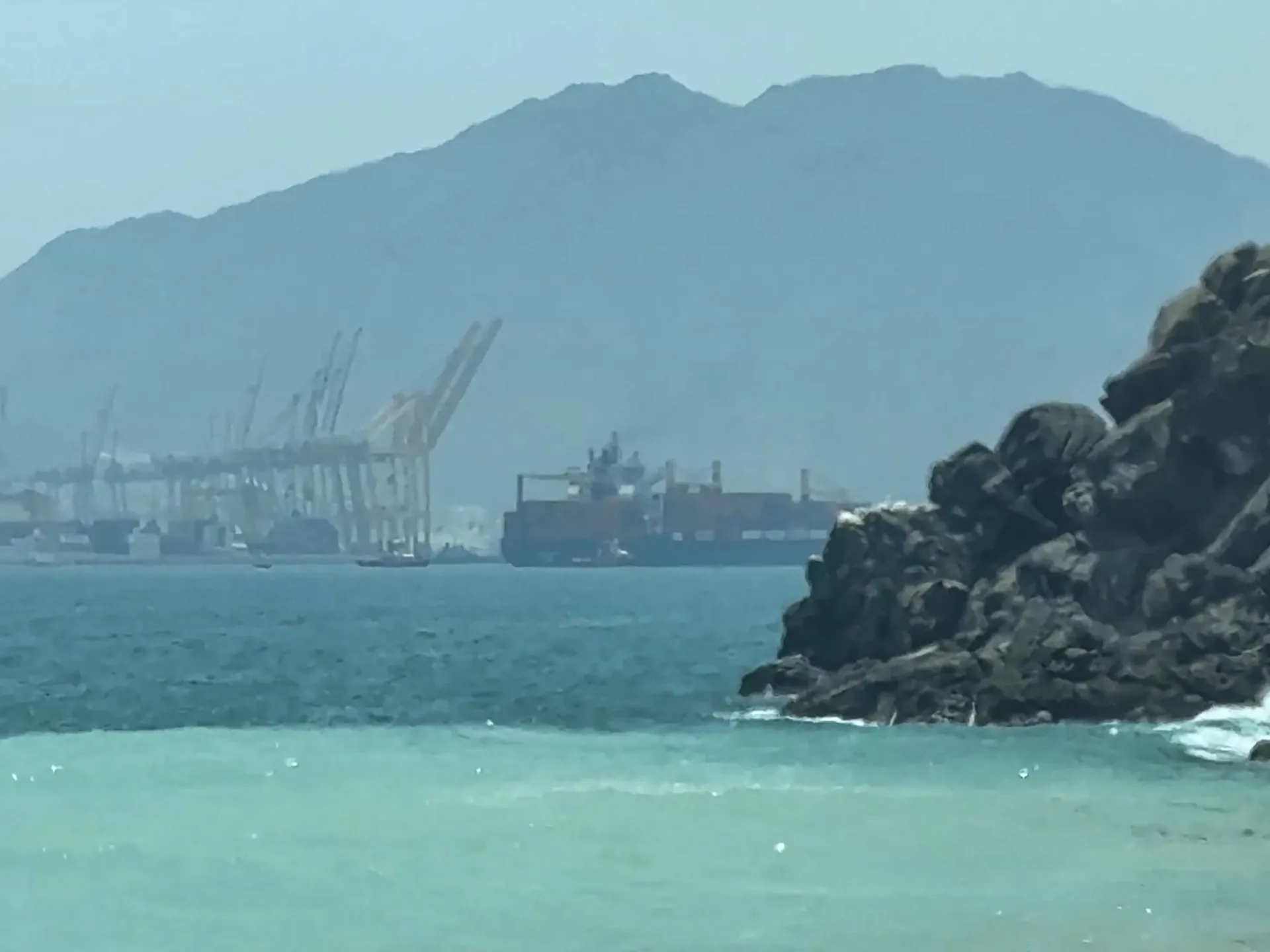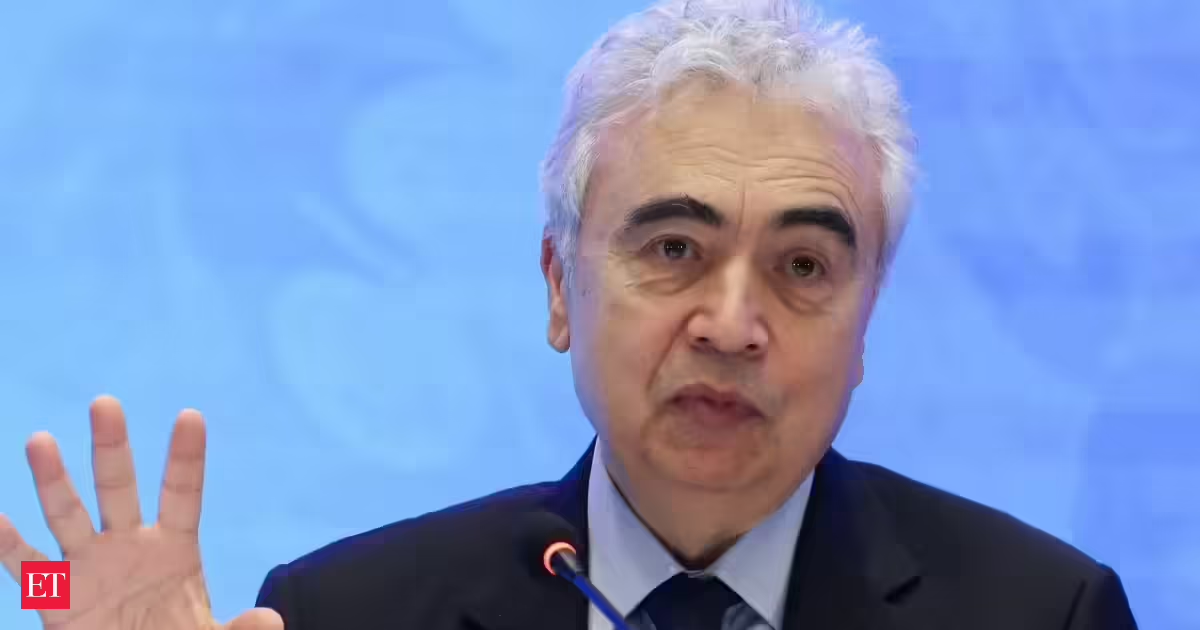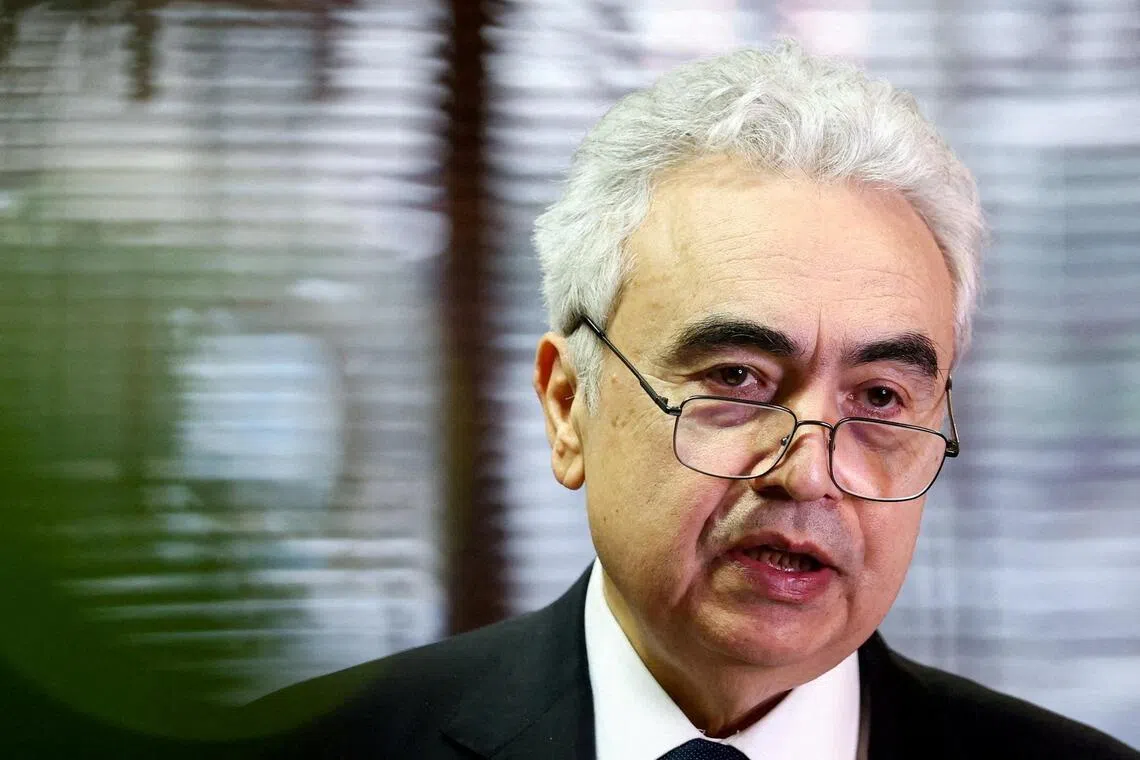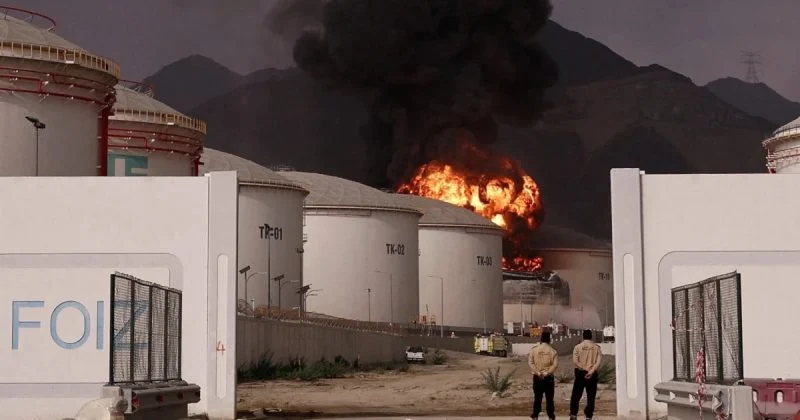
International Energy Agency (IEA) Executive Director Fatih Birol has issued a warning regarding the ongoing crisis in the Strait of Hormuz, emphasizing the significant threat it poses to global energy security. Birol stressed the necessity of reopening the crucial oil passage within weeks to prevent further disruptions in the global oil supply. The warning comes amid a backdrop of conflict between the U.S. and Iran, which has already reduced global oil supply by approximately 12.8 million barrels per day. The current geopolitical tensions are impacting market perceptions, with potential implications for oil prices.
The Strait of Hormuz is a vital chokepoint through which around 20% of the world’s oil is transported. Although there was a Memorandum of Understanding signed between the U.S. and Iran on June 17, which called for the reopening of the strait and a lift of the U.S. naval blockade by July 19, shipping traffic remains unpredictable. This uncertainty has led to fluctuating market expectations, with WTI crude oil futures reflecting the potential for price increases.
Market pricing suggests that participants are considering the possibility of significant disruptions to oil supply due to the ongoing crisis. Current market activity indicates an increase in the probability of higher WTI crude oil prices, with notable movements in related prediction markets.