view more
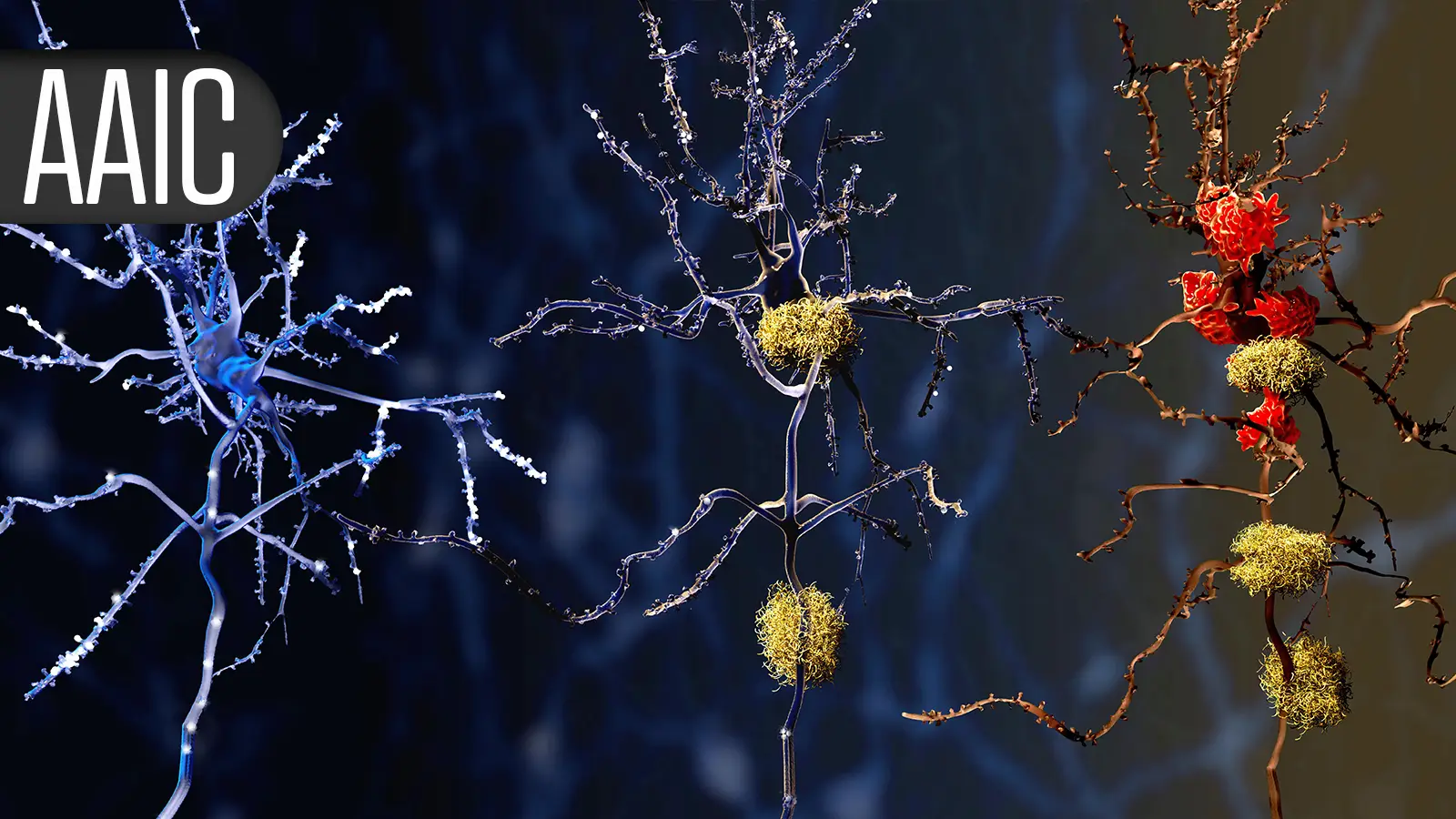
Image source link: https://openverse.org/image/2f788c98-049d-4671-9310-c1877457ed3a?q=astrocytes&p=5
Chronic traumatic encephalopathy (CTE) is a progressive neurodegenerative disease linked to repetitive head impacts and traumatic brain injuries. It has been most commonly identified in contact-sport athletes, military personnel, and others exposed to repeated brain trauma. Traditionally, researchers have viewed CTE primarily as a neuron-centered disease characterized by the accumulation of abnormal tau proteins in the brain. However, a new scoping review from Kansas City University School of Medicine, USA, suggests that another type of brain cell, astrocytes, may play a much larger role in the disease process than previously recognized.
Now, a review led by Dr. Kameron Hahn and his team, examined 40 studies spanning postmortem human brain analyses, experimental models, molecular investigations, and biomarker research. This review was published in Volume 12 of the Chinese Neurosurgical Journal on May 21, 2026. Together, these studies provide growing evidence that astrocytes may be key contributors to both the initiation and progression of CTE, potentially reshaping how researchers understand and approach the disease. Astrocytes are star-shaped glial cells that perform a variety of critical functions in the brain. They help maintain the blood-brain barrier, regulate communication between neurons, support metabolic processes, and participate in the removal of waste products from brain tissue. “We studied the role of astrocytes in the pathogenesis of CTE, and to what extent astrocytic mechanisms contribute to disease initiation, propagation, and clinical manifestation relative to neuronal pathology,” says Dr. Hahn.