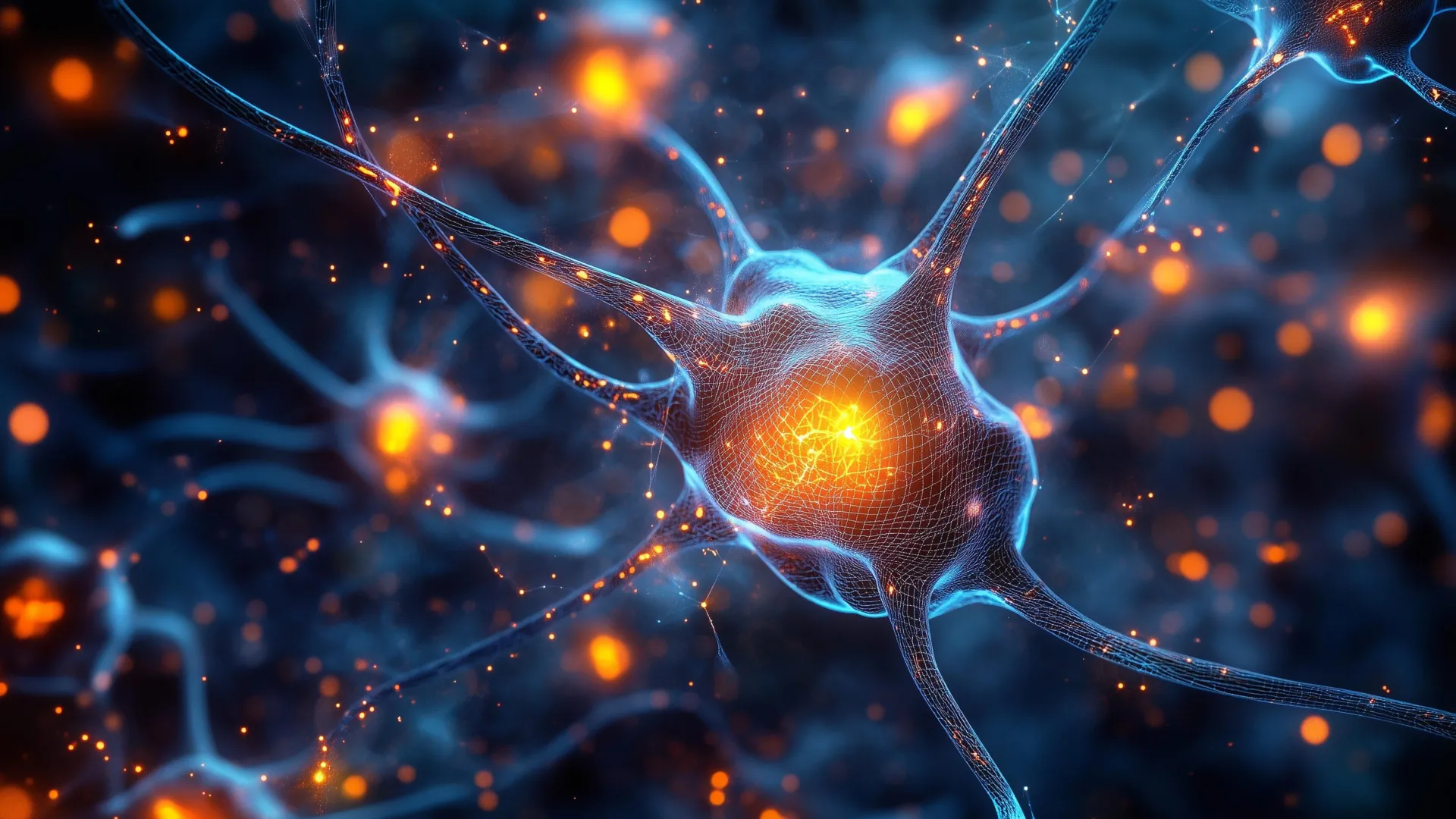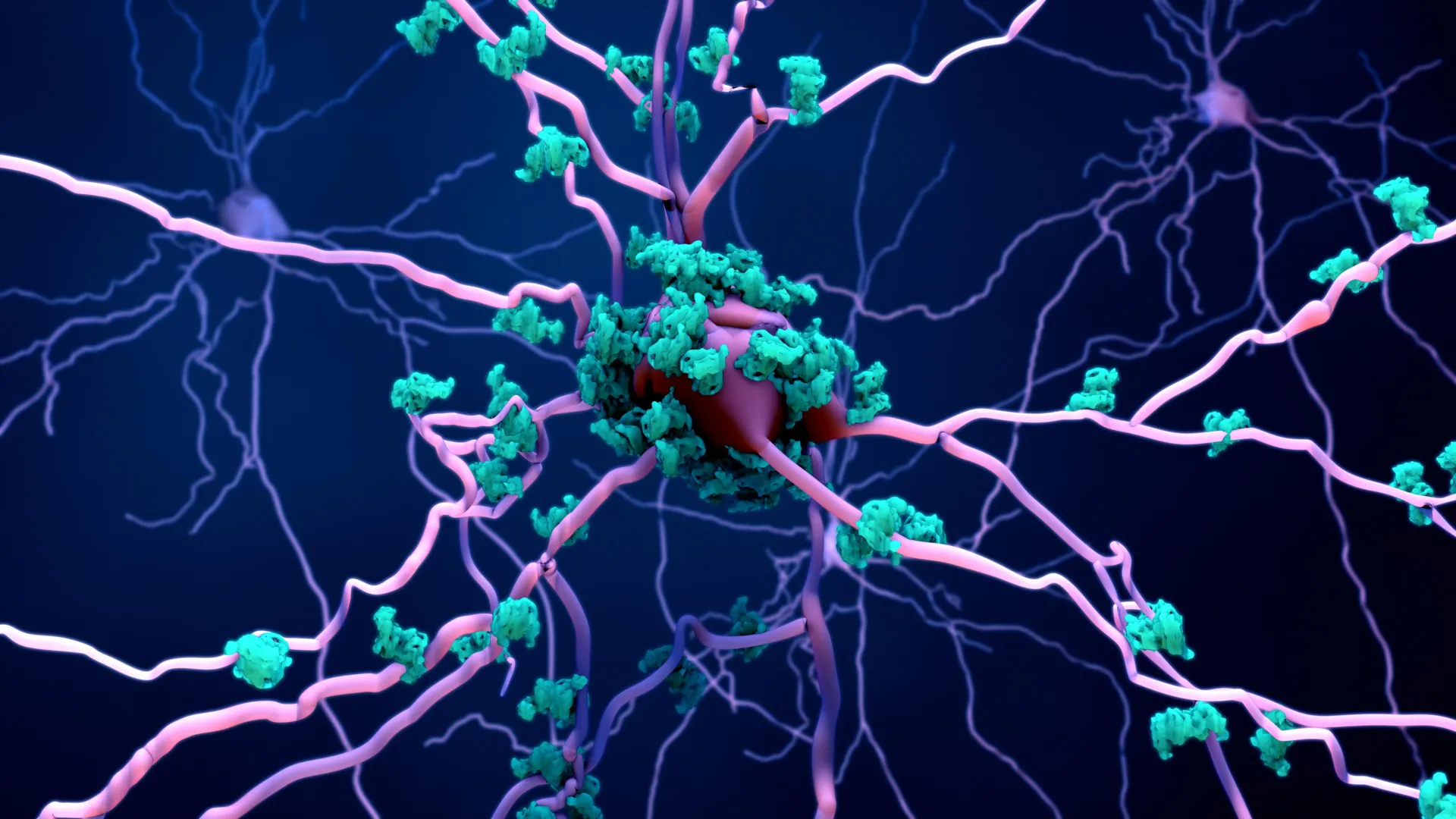
Scientists at Penn State have identified a previously overlooked structure inside brain cells that may play a much bigger role in brain health than previously believed. The discovery shows that this tiny internal skeleton regulates how neurons absorb nutrients and proteins. Researchers say the finding could eventually point toward new ways to slow the cellular changes linked to Alzheimer's disease.Published in Science Advances, the study focuses on the membrane-associated periodic skeleton (MPS), a lattice-like structure located just beneath the surface of neurons. While it was previously known for helping brain cells maintain their shape, the new research suggests it also acts as a gatekeeper that controls how substances enter the cell, as per a report by Science Daily.What is the hidden gatekeeper inside neurons?Brain cells constantly absorb nutrients, signaling molecules, and fragments from their surroundings through a process called endocytosis. This process supports learning, memory, and the day-to-day maintenance of neurons.You Might Also Like:Using advanced super-resolution microscopy, researchers observed neurons grown in laboratory dishes and tracked how different molecules entered the cells. They found that the MPS regulates nearly every major form of endocytosis, determining when and where materials are allowed inside."For many, many years we have been trying to understand this molecular mechanism, what kind of machinery will help to facilitate this process, because it's connected to neurodegenerative diseases," said Ruobo Zhou, assistant professor at Penn State and the study's corresponding author. "When endocytosis -- this nutrient uptake and regulation -- goes wrong, then there's protein aggregation that will build up in the brain, which is the hallmark of neurodegenerative diseases such as Alzheimer's and Parkinson's."The researchers discovered that disrupting the MPS caused neurons to absorb material much more rapidly. This showed that the structure normally acts as a physical barrier that slows excessive uptake."We discovered that this membrane skeleton is actively regulating the nutrient uptake process of neurons," Zhou said. "You can think of it as a gatekeeper, guarding this physical barrier to not allow nutrient uptake to happen. When a neuron needs to take in a specific nutrient, this gatekeeper will open the gates and let it in."You Might Also Like:How could it influence Alzheimer's disease?To understand whether this mechanism plays a role in Alzheimer's disease, the team created laboratory models that mimicked the early stages of the condition by increasing levels of amyloid precursor protein (APP).You Might Also Like:When the MPS was weakened, neurons absorbed APP more quickly. Once inside the cells, APP was converted into amyloid-B42, a toxic protein fragment strongly linked to Alzheimer's disease. Those neurons accumulated higher levels of the harmful molecule and showed increased signs of cell death."We created a model which is very much like Alzheimer's disease and found that in some aging neurons, or neurons under pathologic conditions, the endocytosis of toxic proteins was enhanced, which caused stressing conditions, ultimately leading to neuron deaths," said Jinyu Fei, graduate student at Penn State and lead author of the study.Why does this discovery matter?The researchers believe the MPS may serve as a protective barrier by limiting the entry of harmful proteins into neurons. Because the structure naturally weakens during aging and neurodegenerative disease, its deterioration may trigger a cycle of increased toxic protein buildup and further damage to brain cells."We think this could open the door for future therapies such as a protein target for neurodegenerative disease treatment," Fei said. "Preserving or stabilizing the MPS might offer a way to slow the early, hidden cellular changes that precede Alzheimer's symptoms."The study was conducted by researchers from Penn State, published in Science Advances, and funded by the National Institutes of Health.FAQsWhat is the membrane-associated periodic skeleton (MPS)?It is a lattice-like structure beneath neurons that helps regulate what enters brain cells.Why is this discovery important for Alzheimer's research?Researchers believe protecting the MPS could help slow harmful protein buildup linked to Alzheimer's disease.You Might Also Like:
Could a newly discovered brain cell structure hold the secret to slowing Alzheimer's disease progression? Scientists uncover a hidden gatekeeper with shocking implications
Penn State scientists discovered a hidden structure within brain cells. This structure acts as a gatekeeper controlling what enters neurons. It regulates nutrient and protein uptake, which is vital for brain health. Disrupting this structure accelerates the absorption of harmful proteins linked to Alzheimer's. Preserving this cellular gatekeeper may offer new therapeutic avenues for neurodegenerative diseases.
641 words~3 min read