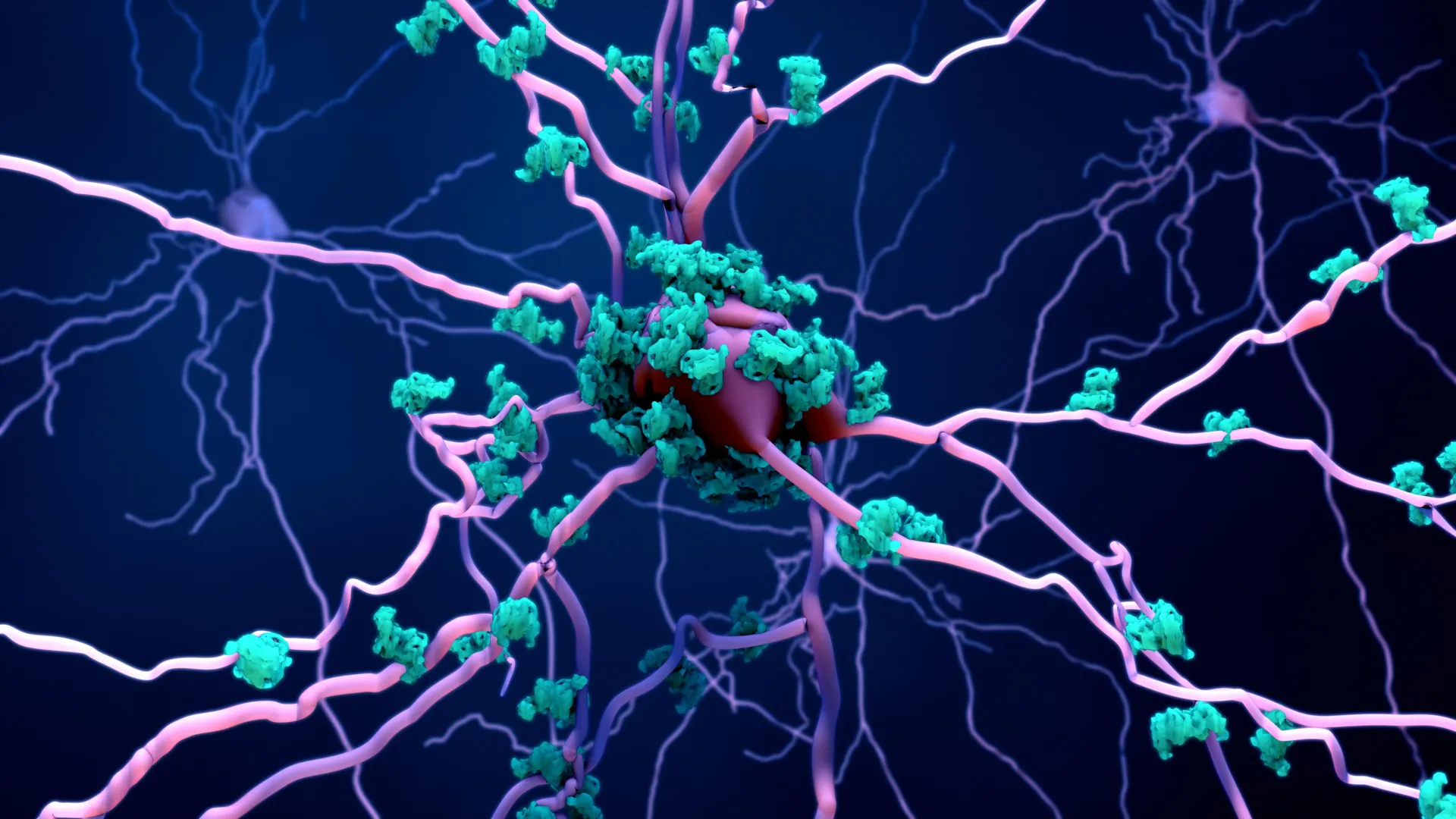
Brain cells continually pull material from the fluid around them, including nutrients, signaling molecules, and fragments of their own outer surfaces. This process, called endocytosis, supports learning, memory, and the routine maintenance of neurons.
Penn State researchers have now identified a previously unrecognized structure that may control much of this activity. The structure is a lattice located just beneath the surface of neurons and is known as the membrane-associated periodic skeleton, or MPS.
A Hidden Gatekeeper Inside Neurons
In findings published in Science Advances, the team showed that the MPS acts as a physical gatekeeper for nearly every major type of endocytosis. Built from repeating rings of proteins, the structure was already known to help neurons retain their shape. The new results indicate that it also plays a much more active role by controlling where and when substances enter the cell.
"For many, many years we have been trying to understand this molecular mechanism, what kind of machinery will help to facilitate this process, because it's connected to neurodegenerative diseases," said Ruobo Zhou, assistant professor of chemistry, of biochemistry and molecular biology, and of biomedical engineering, at Penn State and corresponding author on the study. "When endocytosis -- this nutrient uptake and regulation -- goes wrong, then there's protein aggregation that will build up in the brain, which is the hallmark of neurodegenerative diseases such as Alzheimer's and Parkinson's."