Researchers have been looking into the causes of neuron death in dementia. (Ktsimage/iStock/Getty Images Plus)
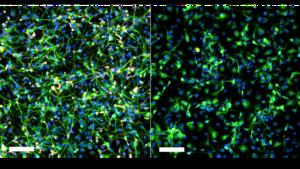
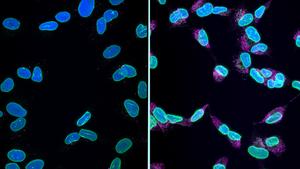
To help cure Alzheimer's disease and other types of dementia, we need to understand the mechanisms through which it damages the brain – including how the toxic build-up of proteins inside neurons eventually causes their death.There are multiple ways that cells can die – including a self-destructive mechanism known as apoptosis, that the body uses to clear out waste – but none of them fully account for what's seen in neurodegenerative diseases.In a new study, reported in Nature Communications and led by a team from King's College London, researchers have documented the role of a potentially crucial contributor, called karyoptosis, which is when the nucleus of a cell degenerates.Nuclei that show signs of karyoptosis (right) are more shriveled. (King's College London)Building on previous research, the team found that karyoptosis happens when harmful waste substances build up faster than cells can clear them out. What's more, they identified key components of the process that could be targeted by treatments."The death and loss of cells in the brain drives many symptoms experienced by people living with dementia," says neuroscientist Rebecca Casterton from King's College London."Our study uncovers a new series of chemical events which can coordinate cell death in brain cells."We have started to lay out the road map of how karyoptosis works, and I'm excited to see future breakthroughs this may drive in the dementia research community and beyond."Through a lab analysis of brain cells from humans and rats, the researchers found that blocking the trash removal processes inside the neurons – to trigger protein build-up – causes a specific chemical chain reaction to occur.