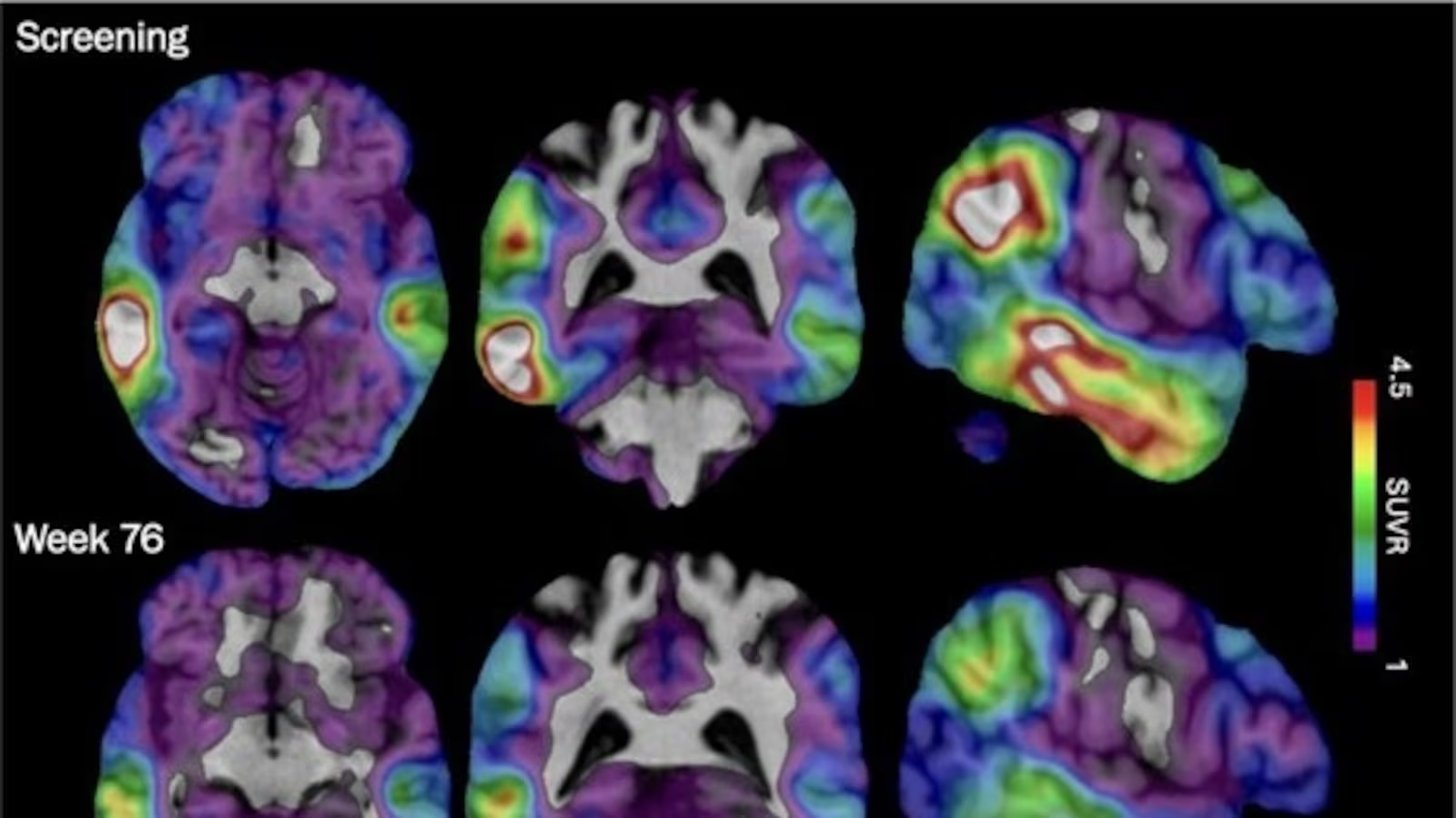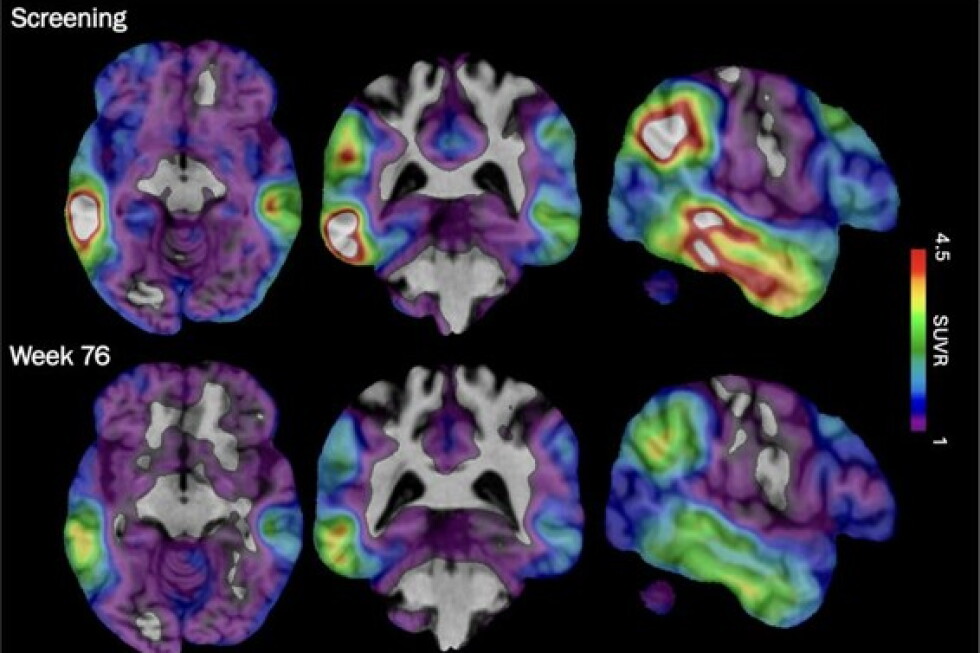
Autopsy data from an Alzheimer's patient revealed that brain regions with extensive amyloid clearance after treatment had less downstream tau accumulation and brain degeneration.
Amyloid clearance also appeared to preferentially occur in the gyral crests, reported Edward Lee, MD, PhD, of the University of Pennsylvania in Philadelphia, who discussed the findings at the Alzheimer's Association International Conference.
The case report was published in JAMA. It helps connect amyloid clearance to downstream biological benefits, not just a lower amyloid PET signal, Lee noted.
"The study suggests that where and how completely amyloid is cleared matters," Lee told MedPage Today. "Regions with near-complete amyloid clearance had less tau accumulation and slower atrophy, whereas regions with residual amyloid looked much more like untreated Alzheimer disease. It also suggests amyloid may clear more effectively from gyral crests than from sulcal depths," he added.
"Although this is only a single-patient case report, it offers important proof-of-concept that extensive amyloid clearance may be necessary to achieve meaningful downstream effects on tau pathology and neurodegeneration," Lee pointed out. "The findings also raise new questions about brain clearance pathways that could help improve future anti-amyloid therapies."