For early humans living nearly 800,000 years ago, access to fire may have influenced where they chose to settle. New research suggests these ancient communities relied on an abundant and dependable source of fuel: driftwood that naturally accumulated along a lakeshore. Rather than spending time searching for particular types of wood, they appear to have made practical use of materials that were readily available.
That steady supply of firewood likely helped them maintain fires for cooking and other daily activities. Researchers believe it may also explain why generations of people repeatedly returned to the same location. The site offered more than food and water. It also provided an easy way to keep fire burning.
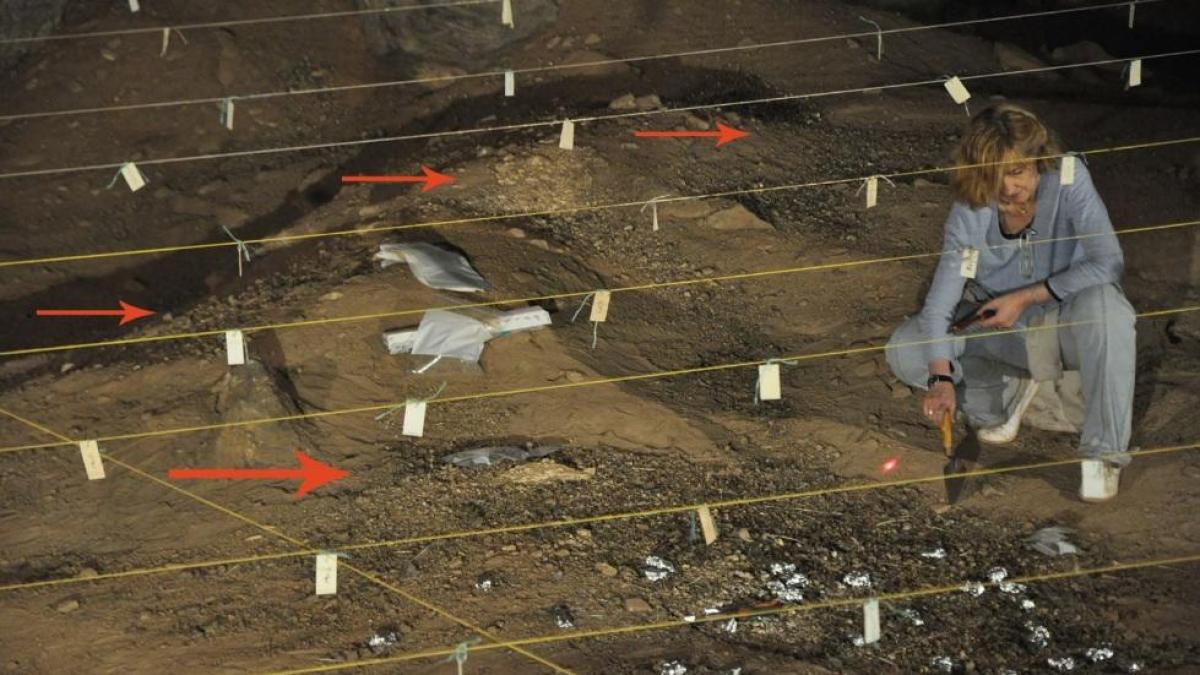
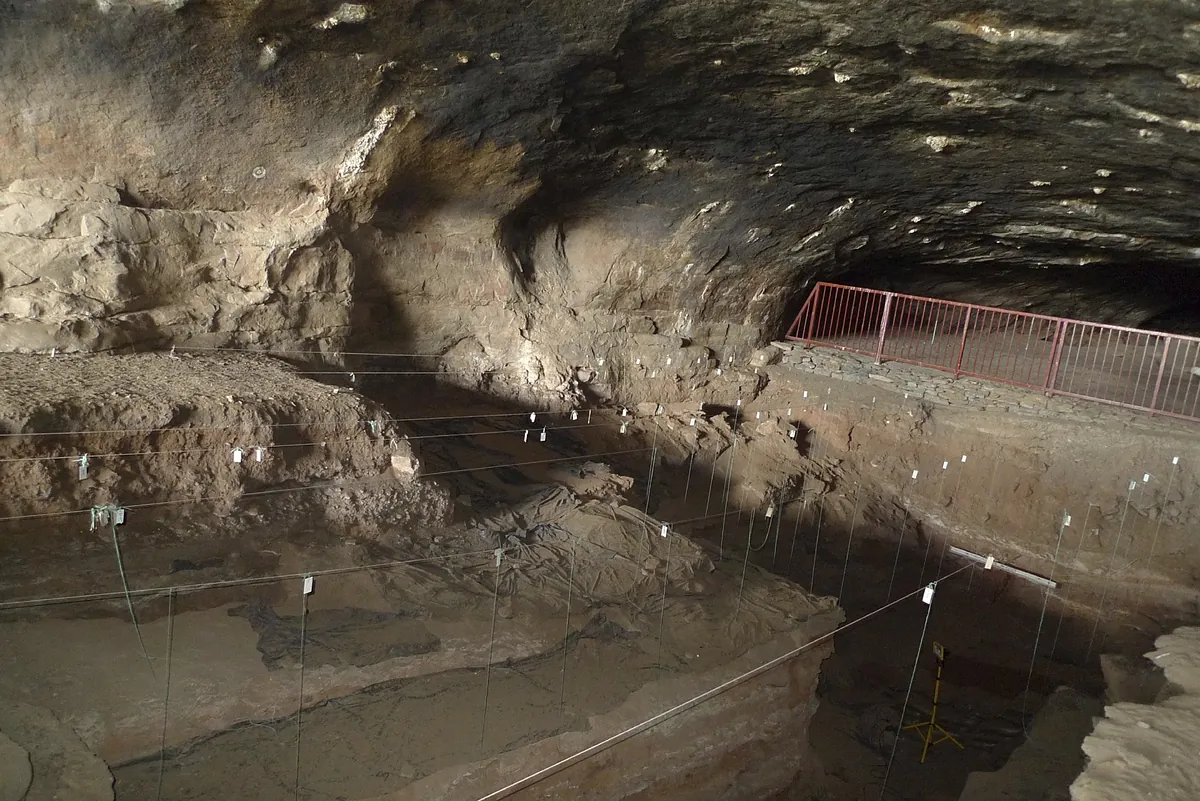
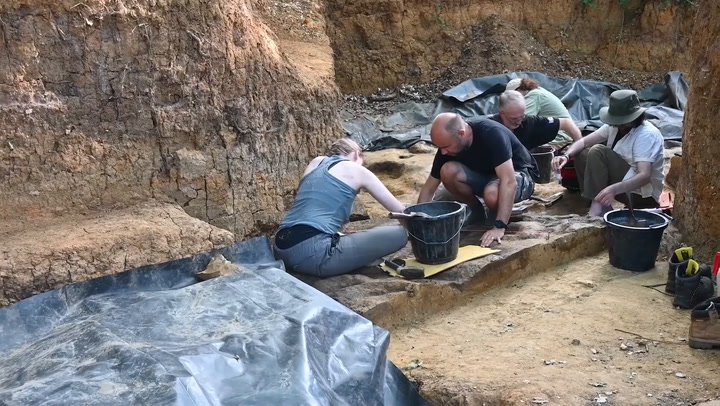
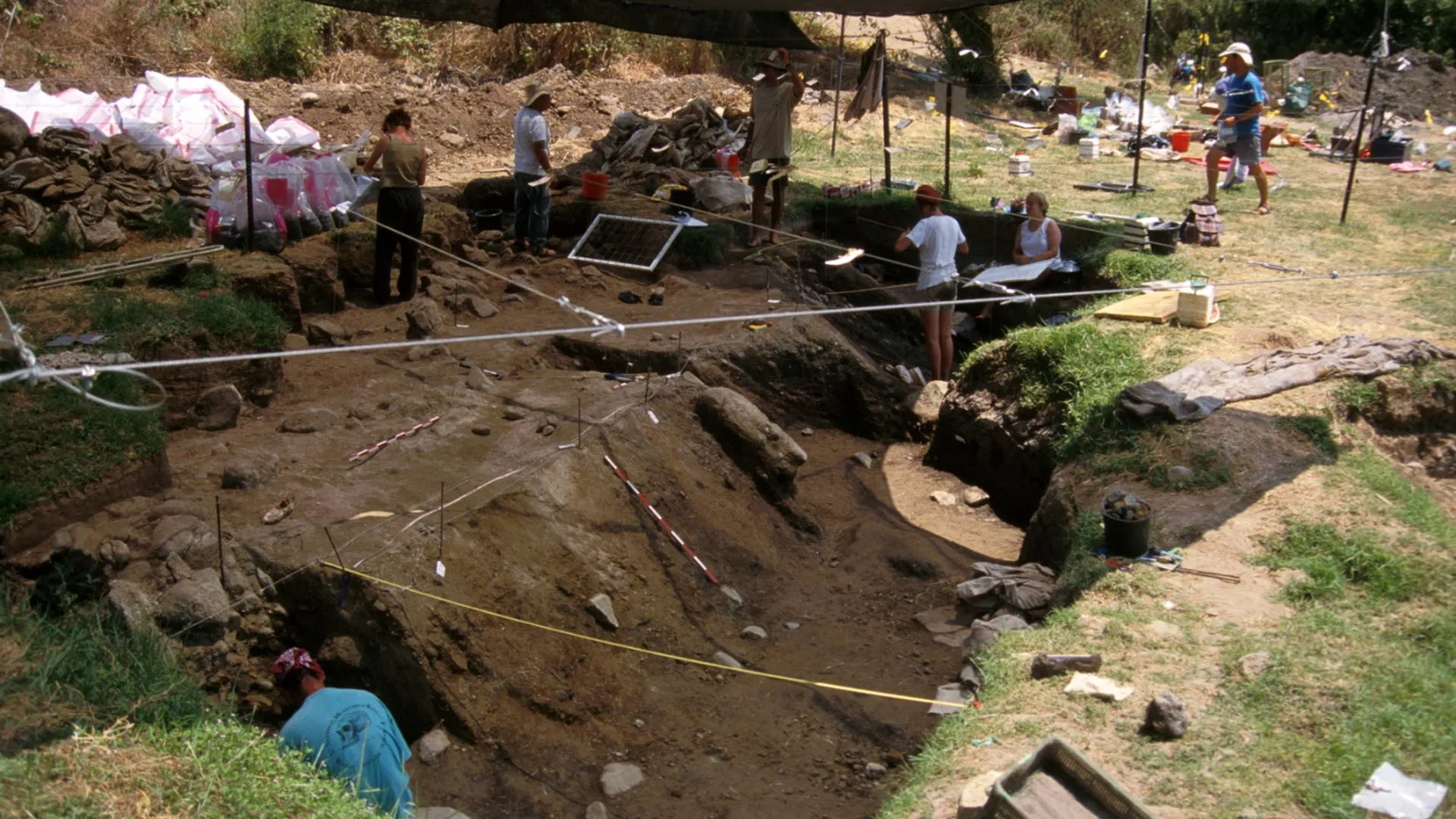
Nearly 800,000 years ago, groups of early humans gathered along the shores of a large lake in what is now northern Israel. They hunted large animals, cooked fish using controlled fire, and organized many aspects of daily life around communal hearths. According to a new study, even tiny pieces of charcoal left behind from those fires can reveal important details about how these people interacted with their environment.
Published in Quaternary Science Reviews, the study reconstructs life at the Acheulian archaeological site of Gesher Benot Ya'aqov (GBY). An international team of researchers from Israel, Spain, and Germany examined an unusually rich collection of ancient charcoal preserved at the site. The team included Prof. Naama Goren-Inbar (Hebrew University), Prof. Nira Alperson-Afil and Dr. Yoel Melamed (Bar-Ilan University), Prof. Ethel Allué (Universitat Rovira i Virgili and Institut Català de Paleoecologia), and Prof. Brigitte Urban (Leuphana University). Their findings provide new insight into how early hominins gathered fuel and managed fire, suggesting a level of environmental awareness and planning more advanced than previously recognized.