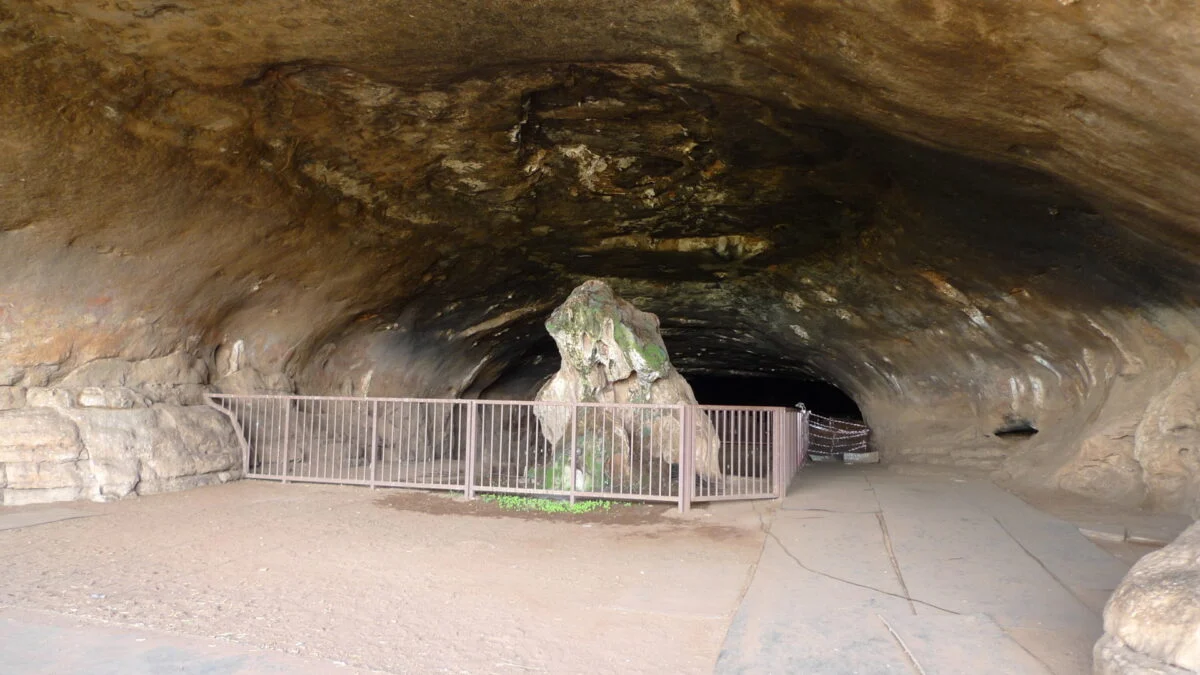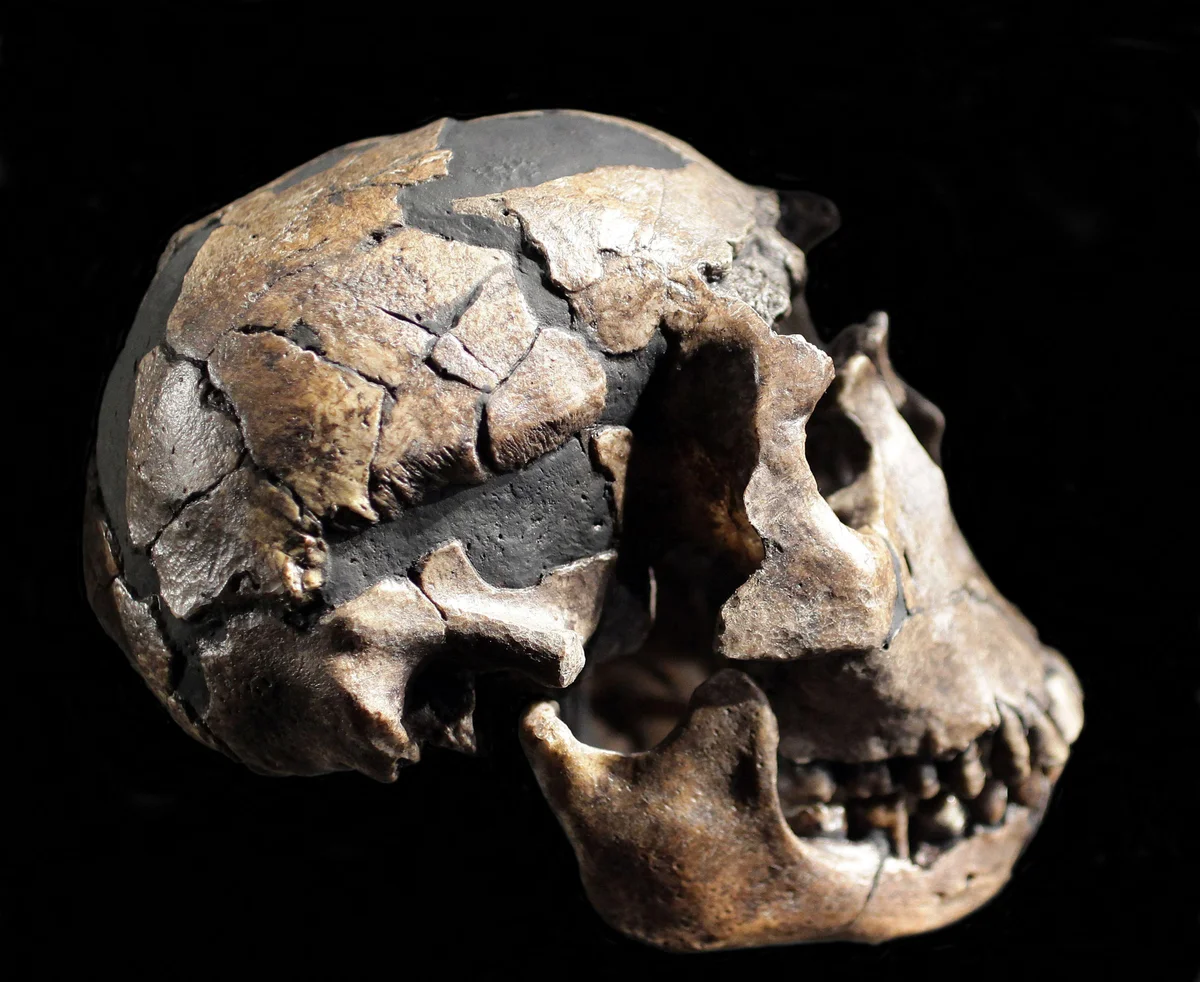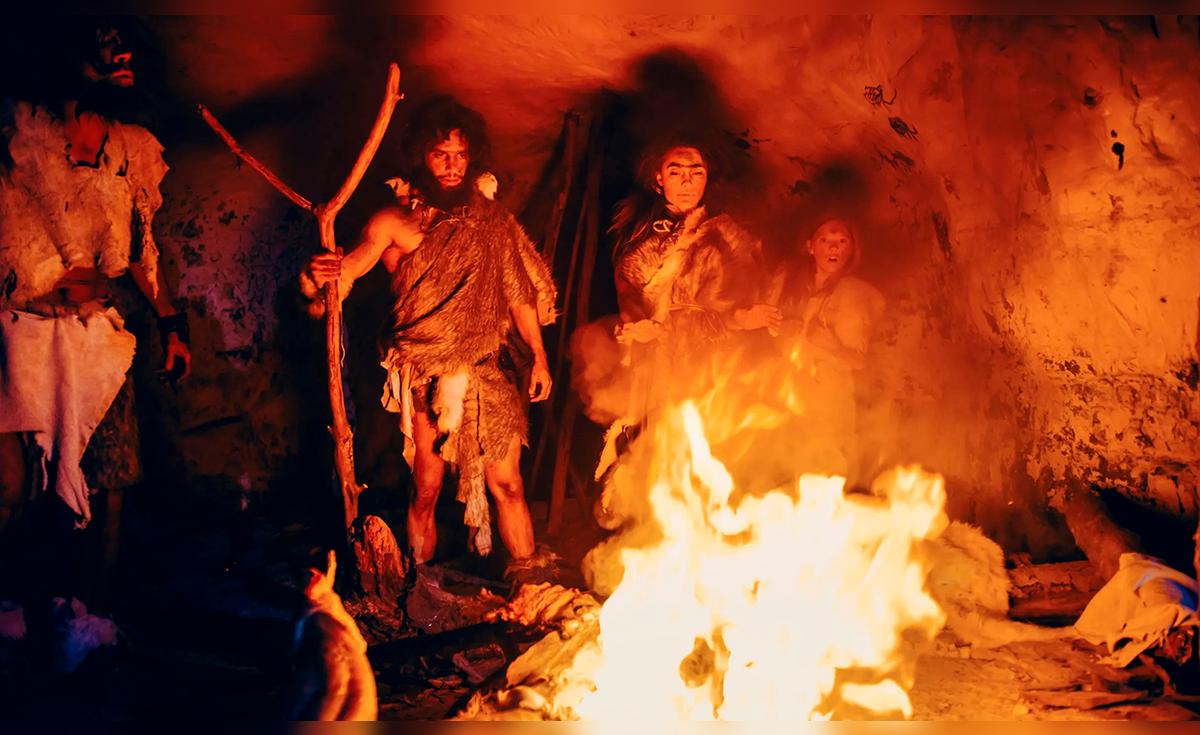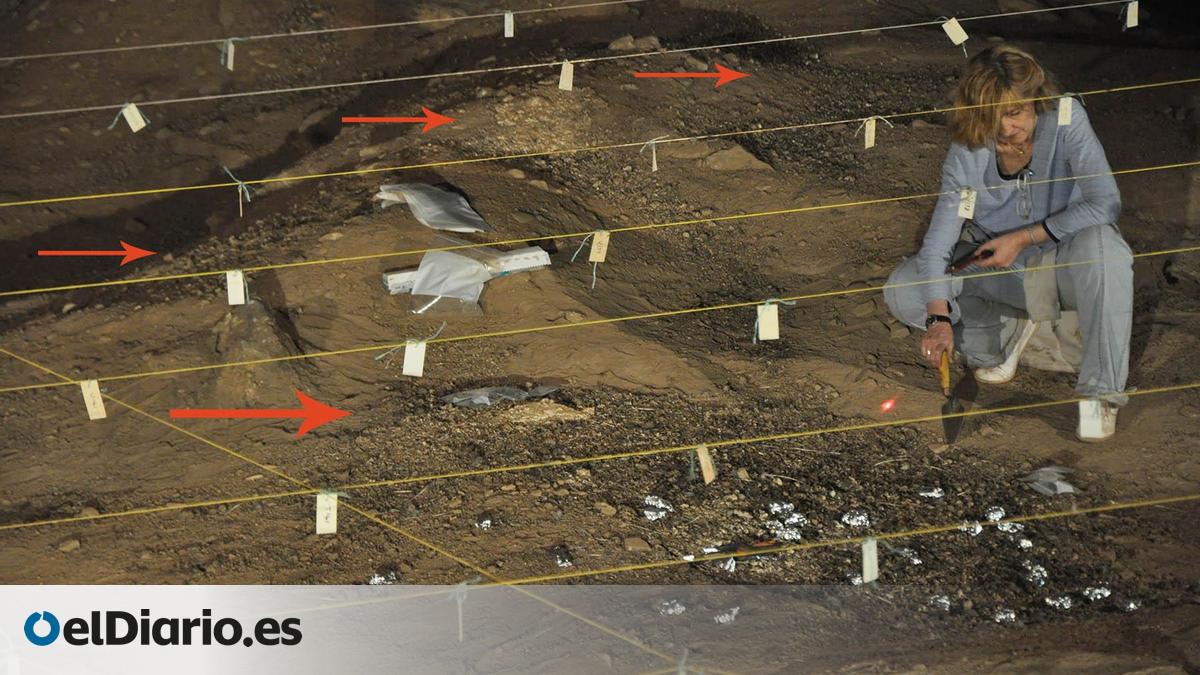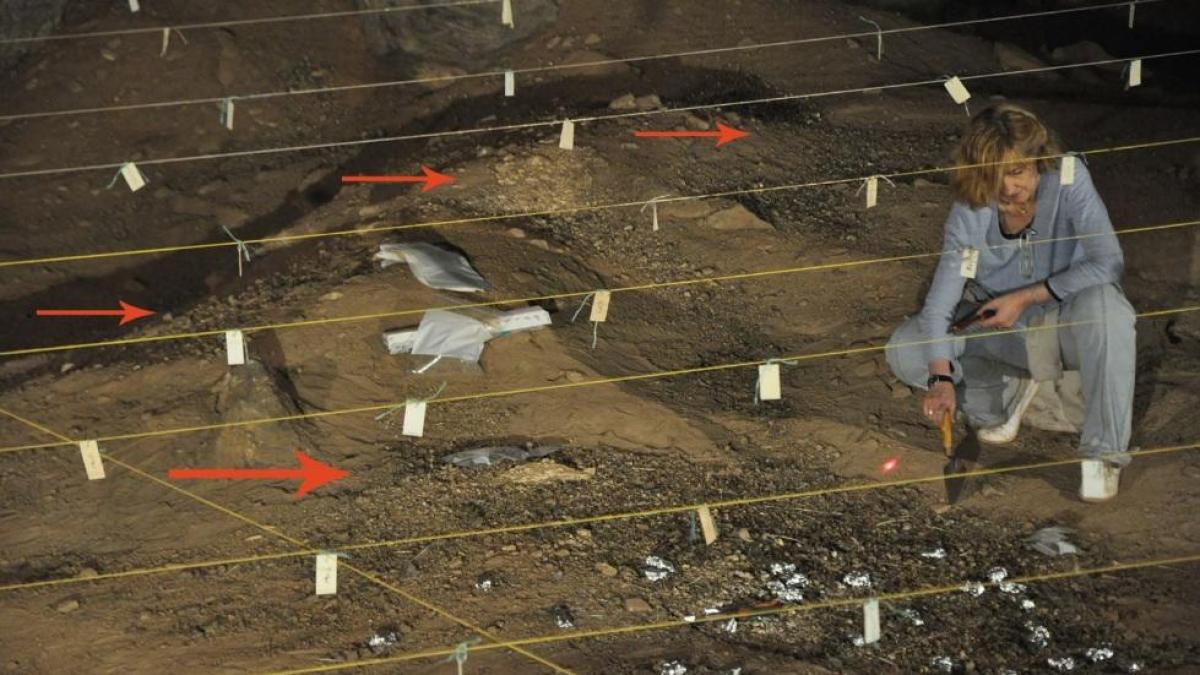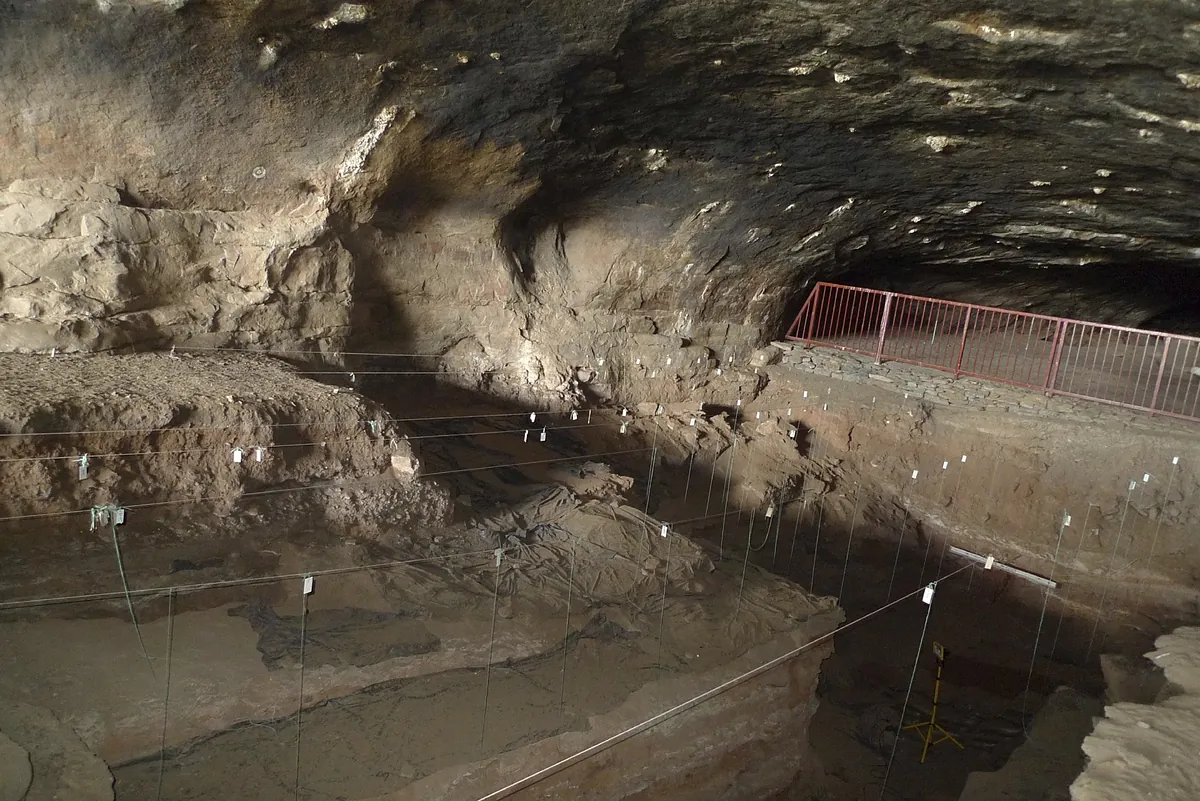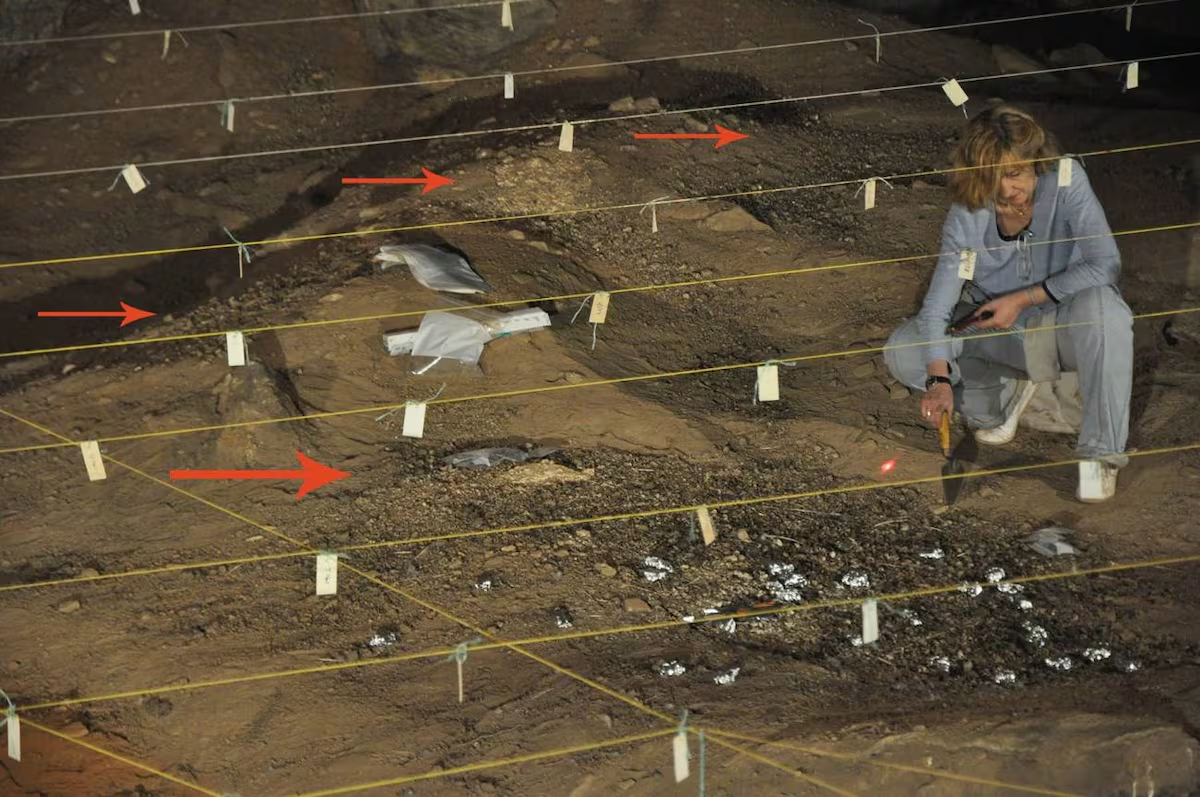
Scientists have uncovered new evidence that early human ancestors were using fire in South Africa's Wonderwerk Cave between 1.07 and 1.79 million years ago. The discovery pushes back one of the earliest known records of fire use linked to hominins and offers fresh clues about how our ancestors first learned to harness fire.
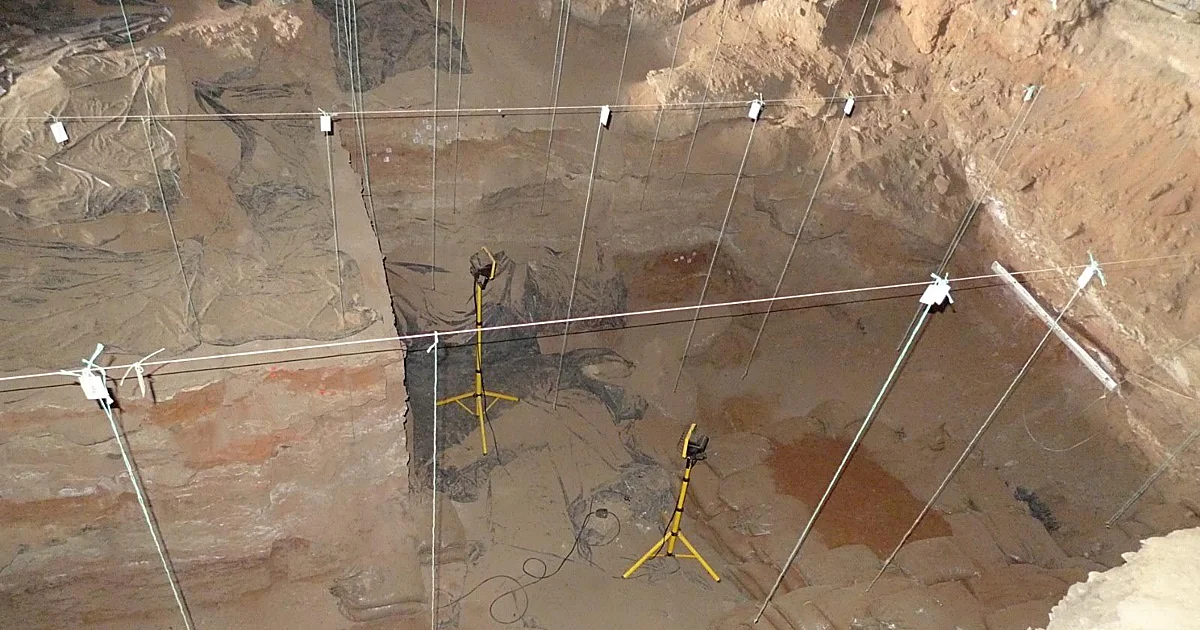
Using a newly developed technique that can detect signs of burning in fossilized bones, researchers identified repeated evidence of fire deep inside the cave. Because these traces were found far beyond the reach of natural wildfires, the findings suggest that early humans were deliberately bringing naturally occurring fire into the cave and keeping it burning.
The research was carried out through an ongoing collaboration led by Dr. Liora Kolska Horwitz of the Hebrew University of Jerusalem's National Natural History Collections (co-director of the Wonderwerk Cave project with Prof Michael Chazan, University of Toronto) together with an international team of scientists from Spain, Argentina, Canada, USA, South Africa, Portugal and Israel. The project combines archaeology, paleontology, geology, and other scientific approaches to investigate one of the most important developments in human evolution: the use of fire.