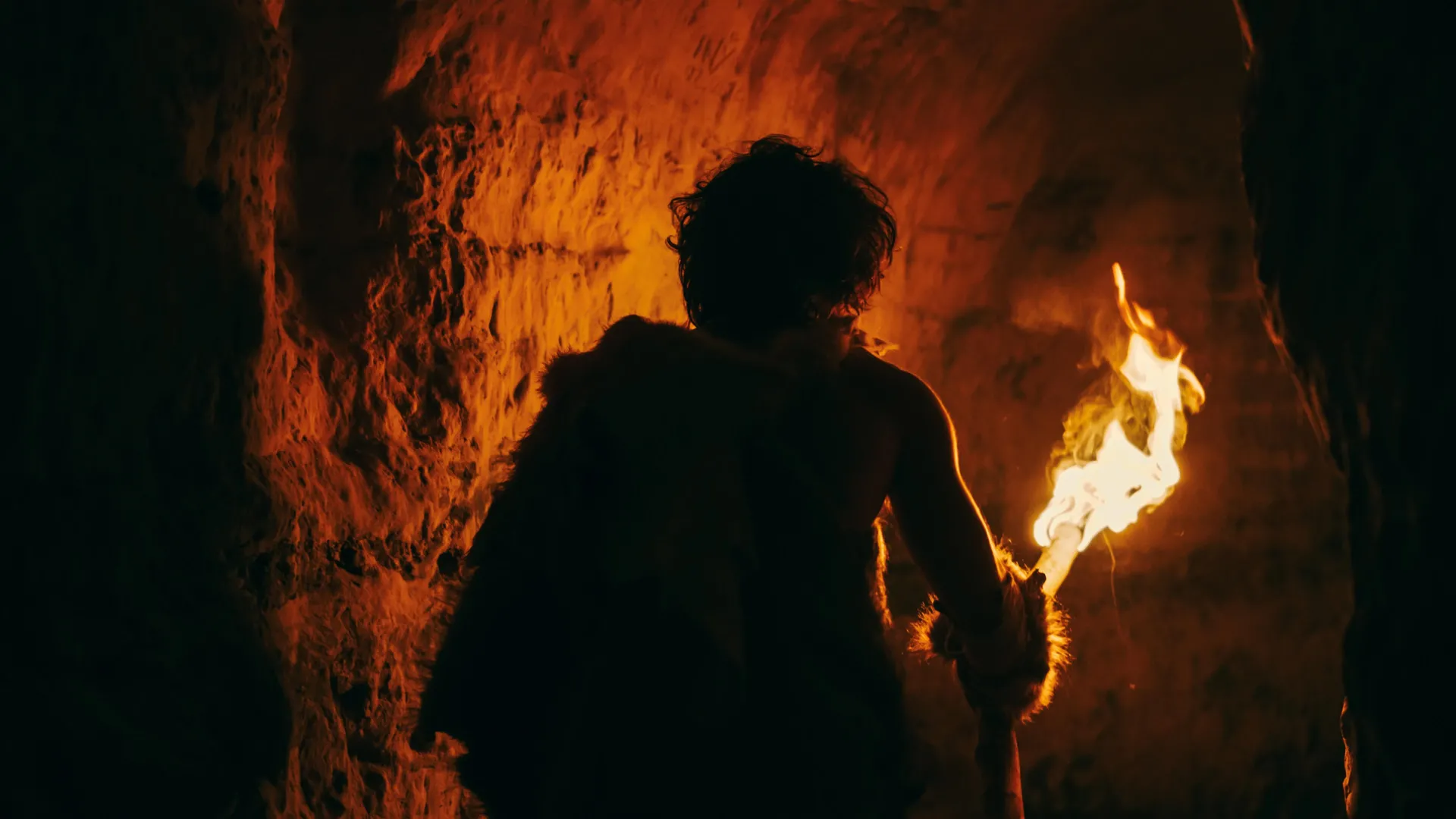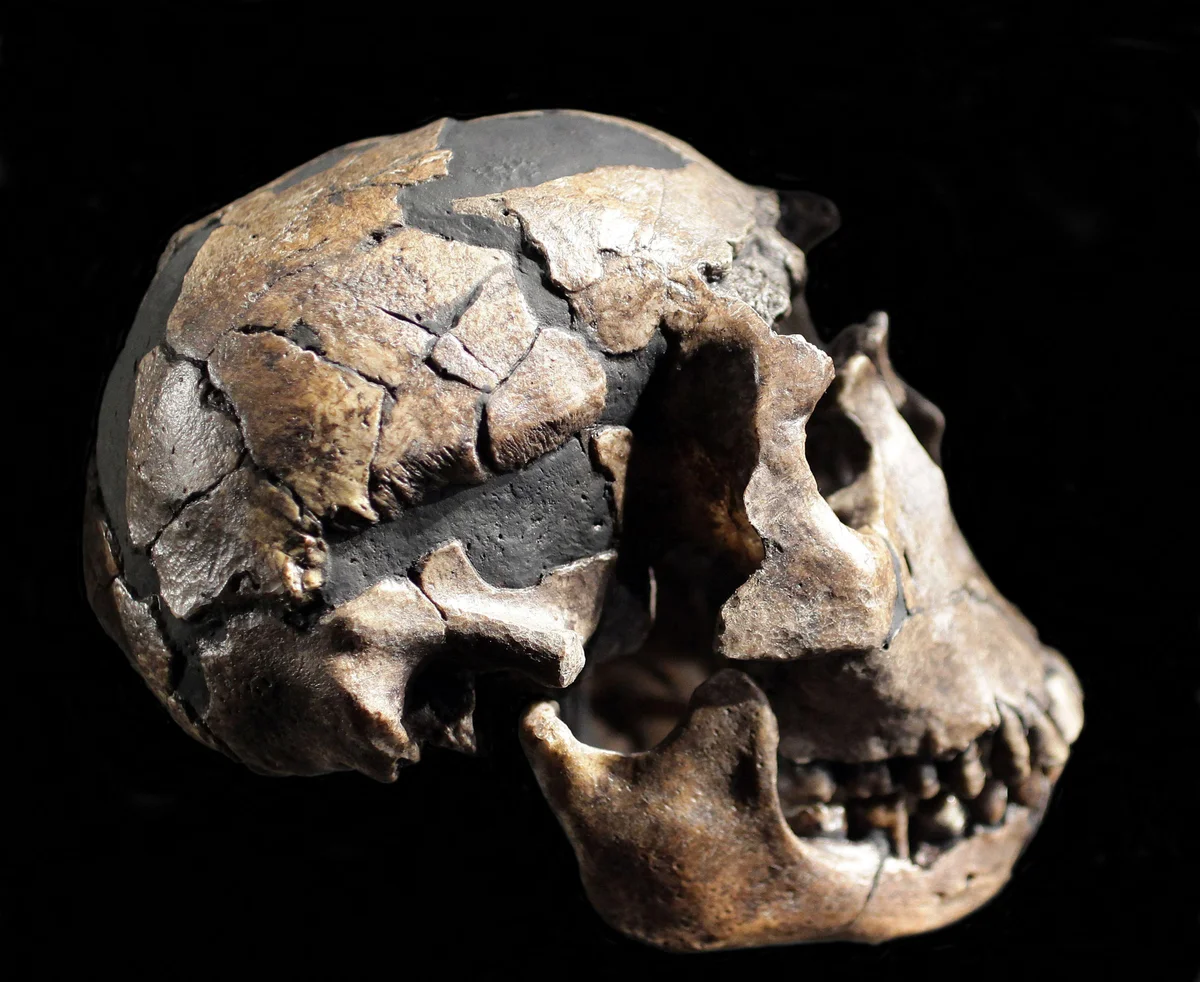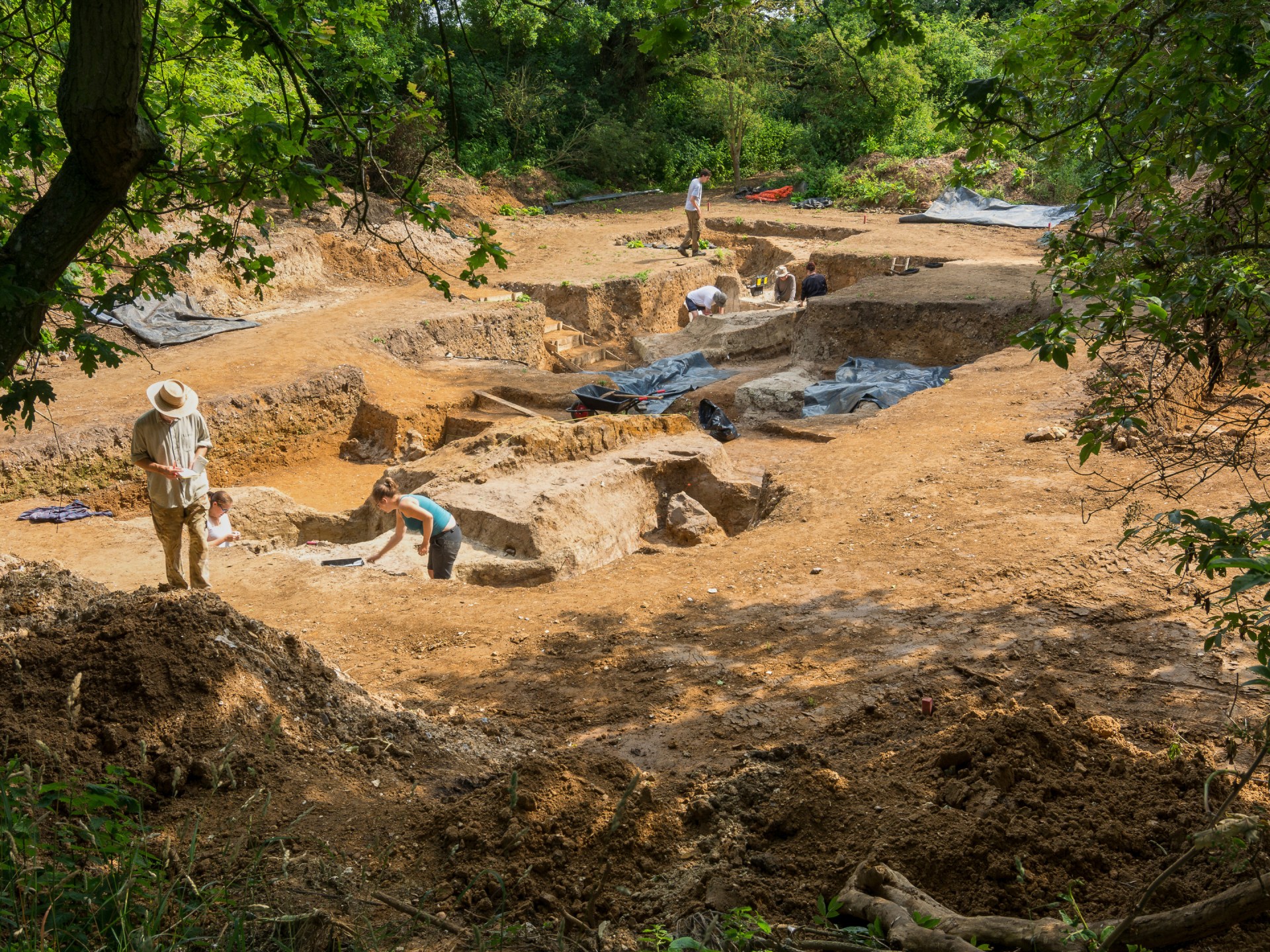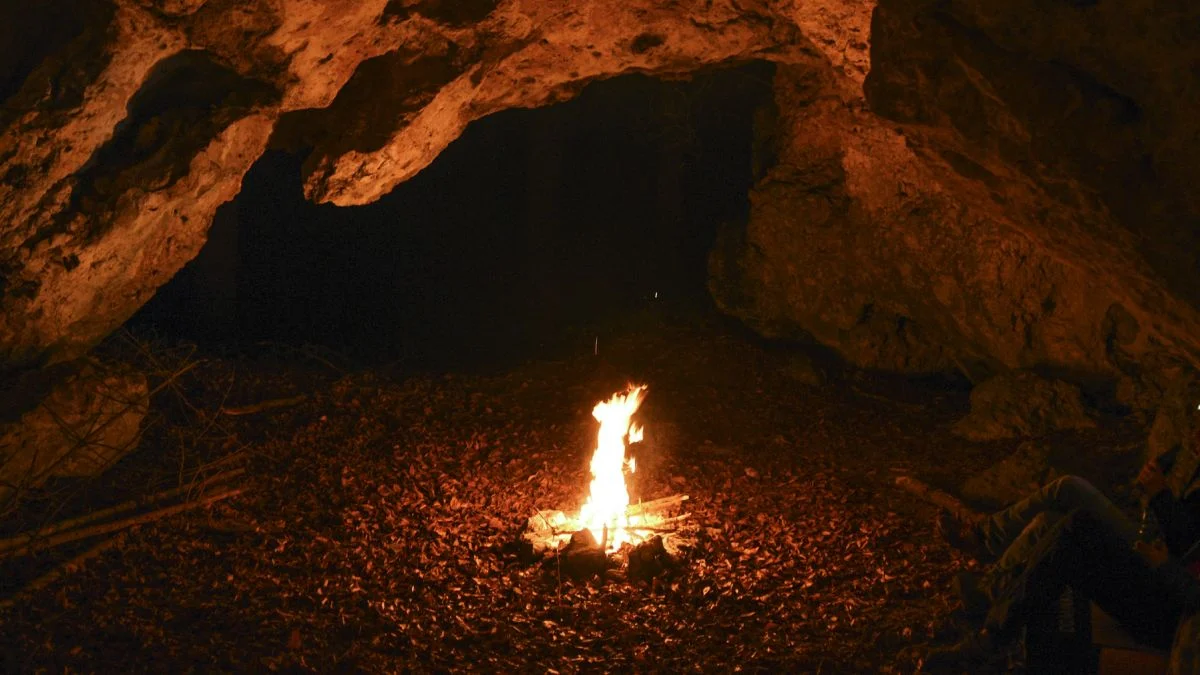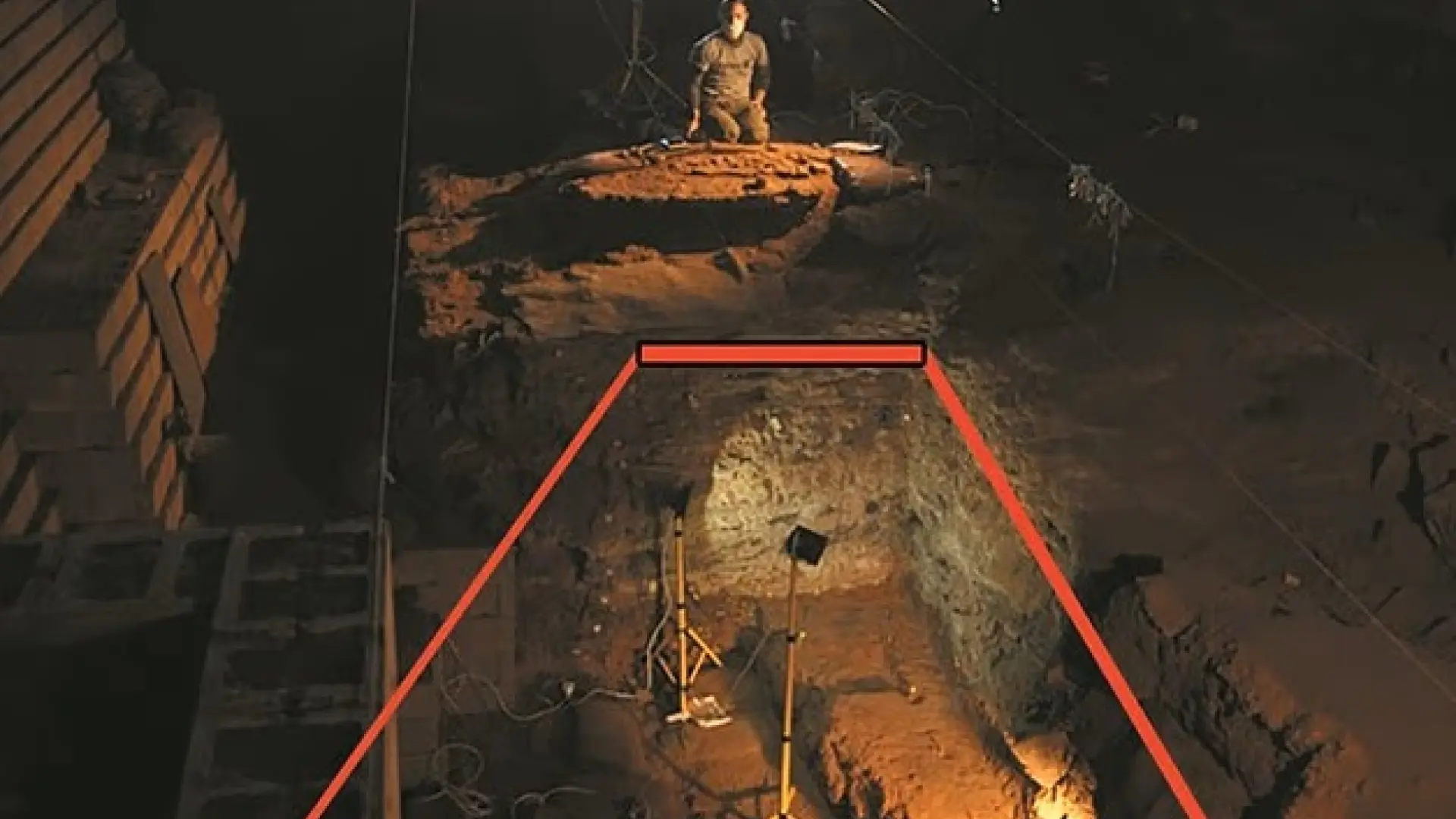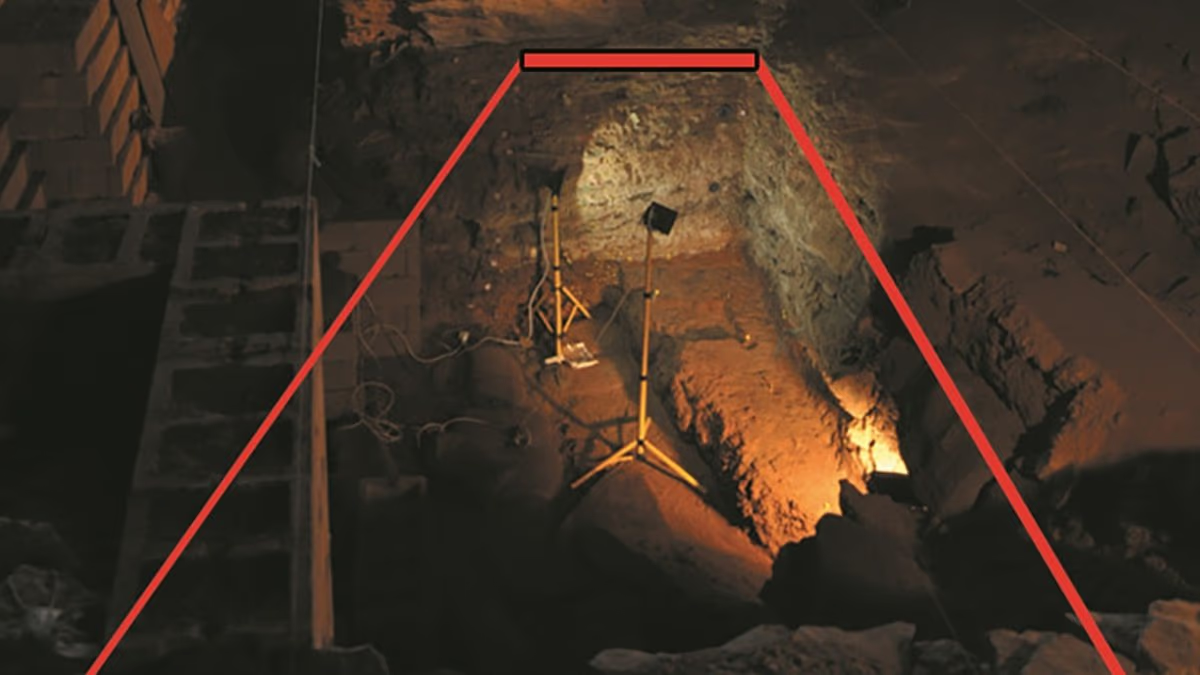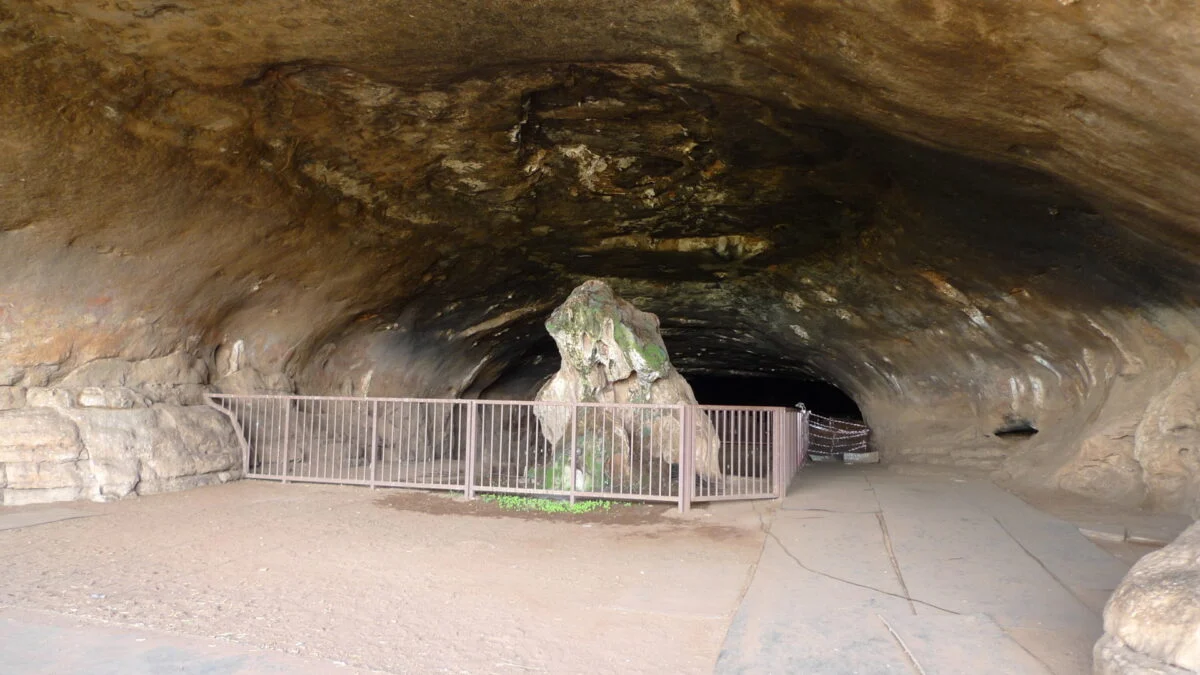
Researchers have been excavating for clues on human prehistory inside Wonderwerk Cave below South Africa’s Kuruman Hills since the 1940s. But that work has really started to heat up (no pun intended, I swear) ever since the site started to show evidence of our ancestors’ earliest known use of fire back in 2012. Now a sprawling international team of archaeologists, paleontologists, geologists, and others say that they have documented compelling evidence that our ancestors’ first known use of fire dates back 700,000 years earlier than prior estimates. Employing a new luminescence technique to date burnt bone fossils, the researchers estimate that ancient hominids inhabiting the cave were likely fueling their fires with animal droppings as far back as 1.07 to 1.79 million years ago. “This is intentional use of fire, which doesn’t mean that people started it; they are two separate things,” as zooarchaeologist Liora Kolska Horwitz, co-director of the Wonderwerk Cave project, emphasized to The Times of Israel.
“We can say that it’s not a natural fire, because the fire is at least 30 meters [98 feet] in from the entrance of the cave, so it was not a wildfire that crept in,” Kolska Horwitz, who has worked the site for over two decades, noted. “There is also nothing in this layer that could have caused what we call spontaneous combustion, like guano [the highly flammable excrement of bats, seabirds, and some other animals].”