ASEAN Beat | Economy | Southeast Asia
The region has shown real evidence of resilience.
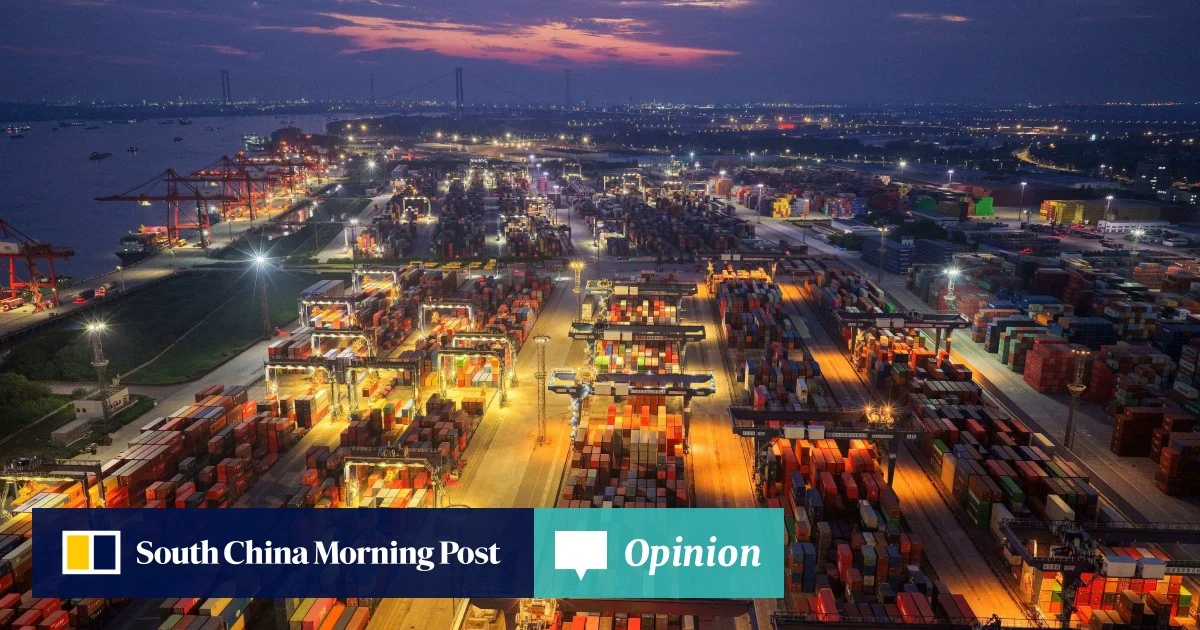
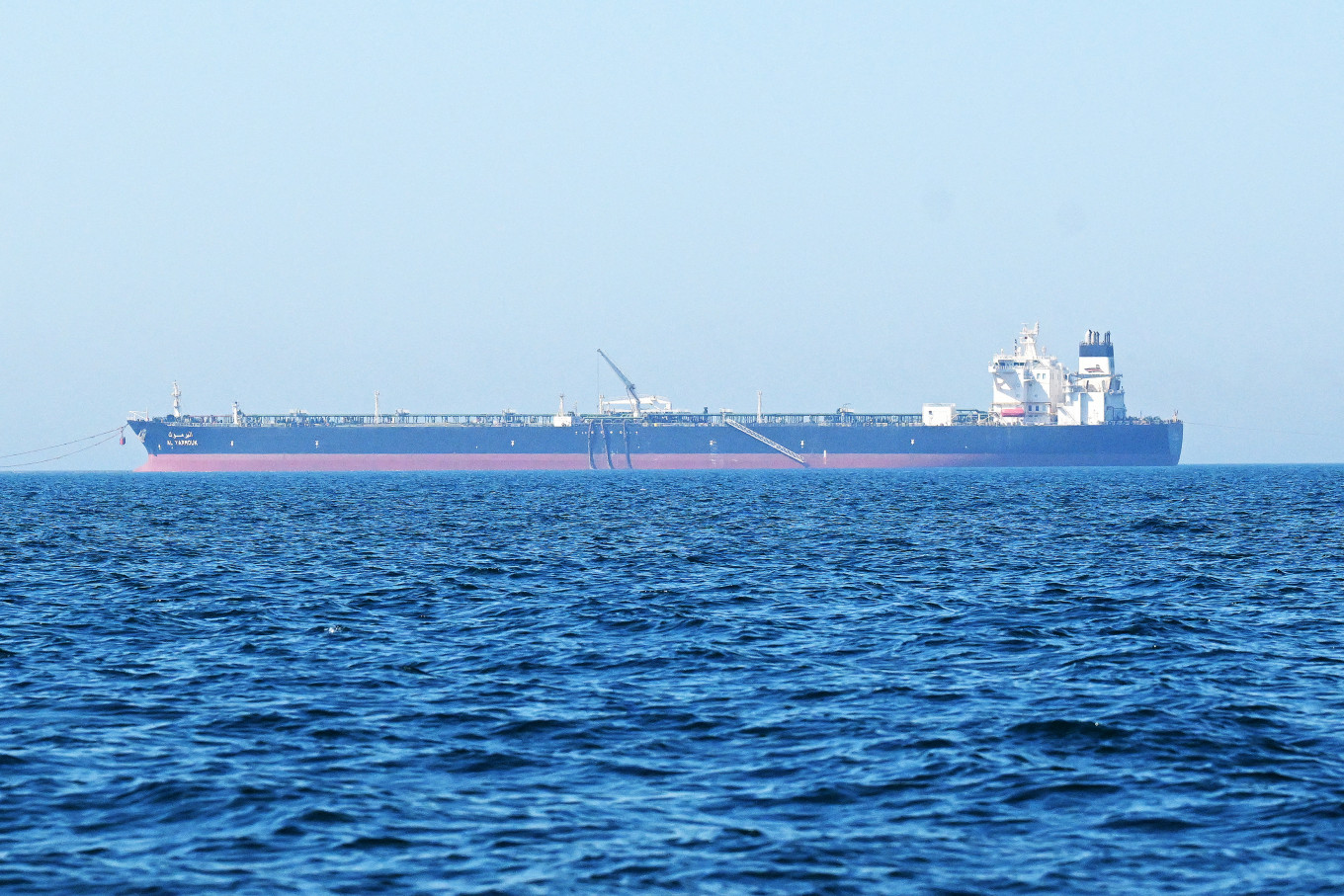
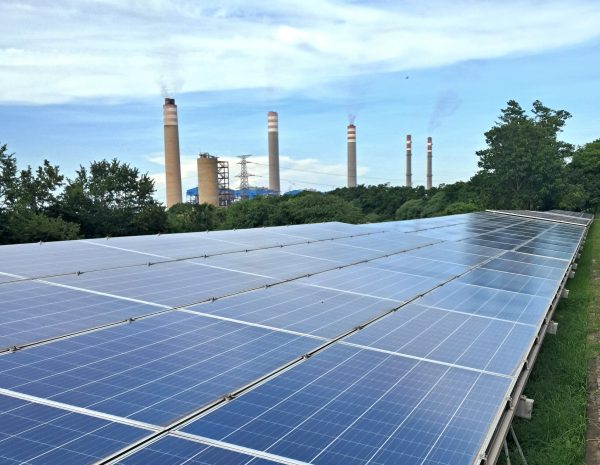
East Asian manufacturing hubs from the Pearl River Delta and Yangtze to the Pacific Belt along the coast of Japan have driven global growth, producing the majority of the world’s goods and accounting for 17 percent of global trade. Global consumer demand has increased output, which in turn has required greater procurement. East Asia is the world’s largest oil-importing region and brings in massive amounts of raw materials for refinement and manufacturing. But dynamics are changing. The powerhouses of production are slowly moving from East Asia to the south. The supply chain is reconfiguring, empowered by ASEAN and China’s slowing growth. Energy logistics companies like BGN Group and Glenfarne Group tangibly reveal the changing nature of supply and demand, as they reroute the underlying sources of power to the region to support increases in industrial output. “Expanding our LNG business is an important part of BGN’s global growth strategy, and we are pleased to have signed this HoA with Glenfarne Global Commodities,” said Wael Amer, BGN Group’s chief operating officer, after striking the deal in early July.