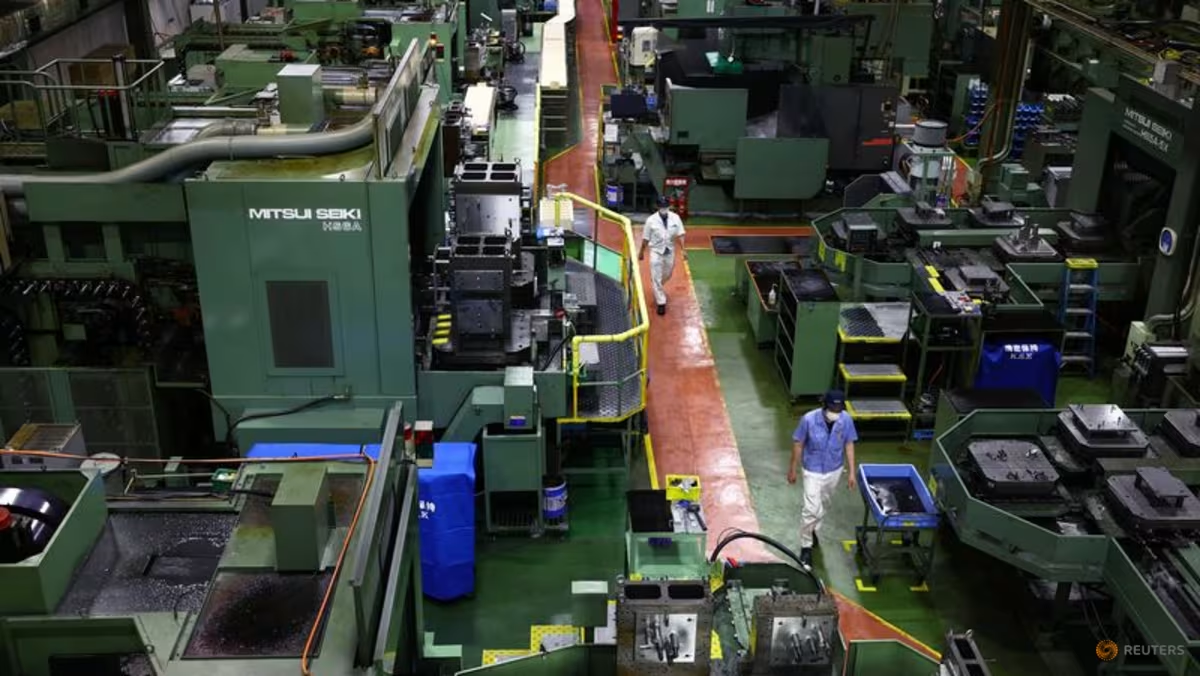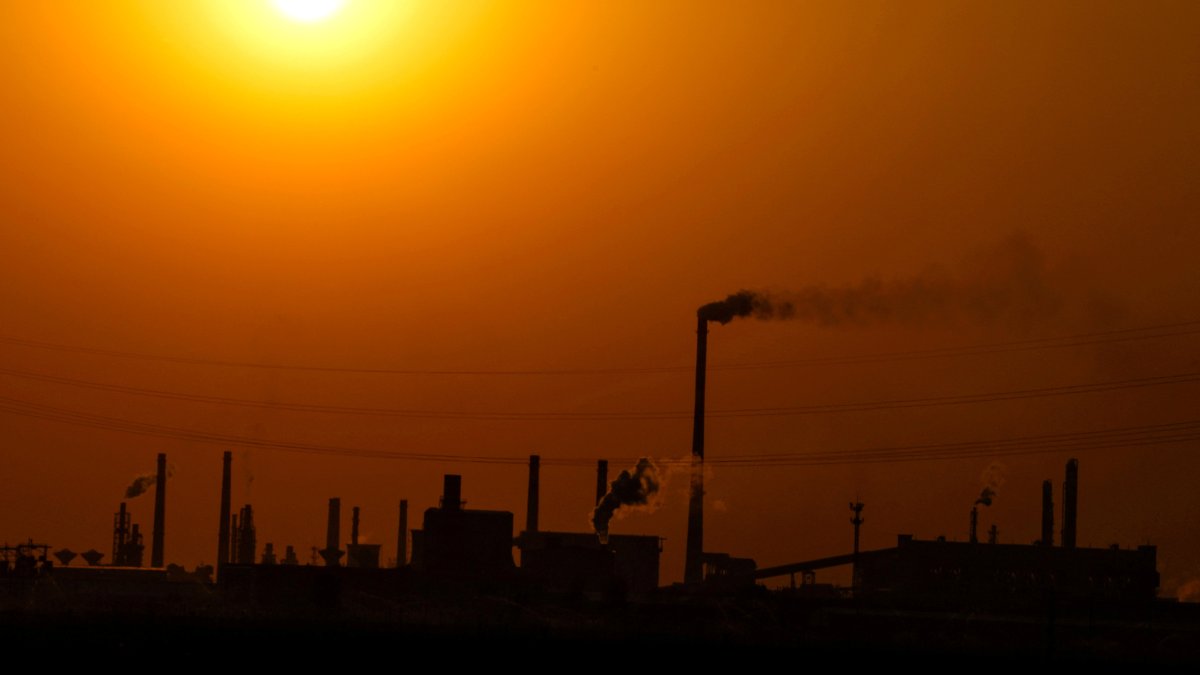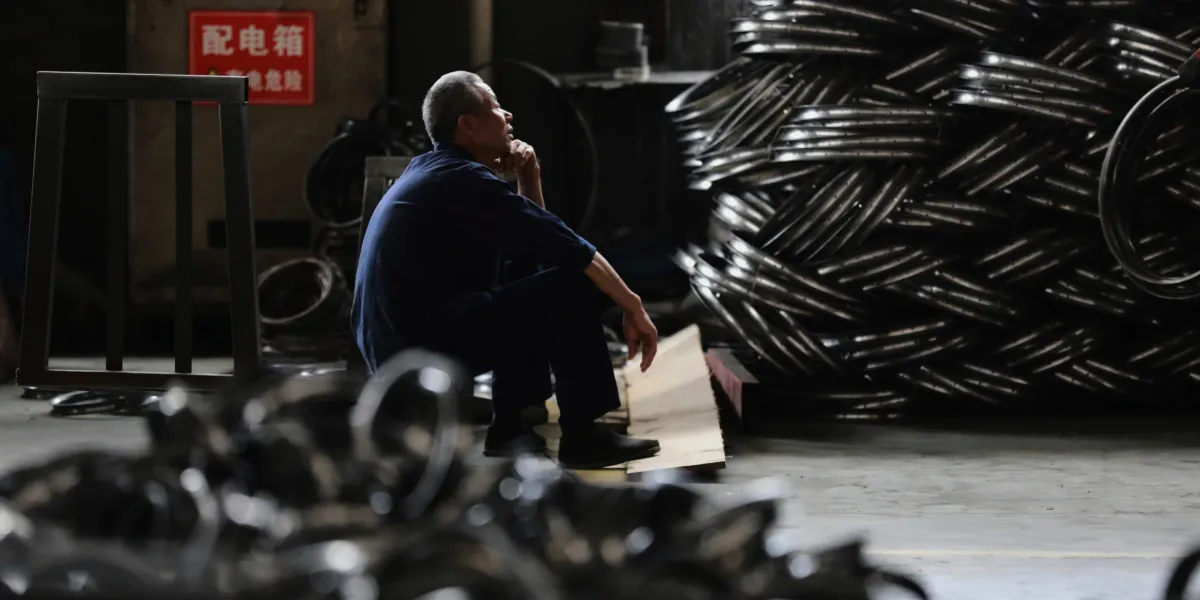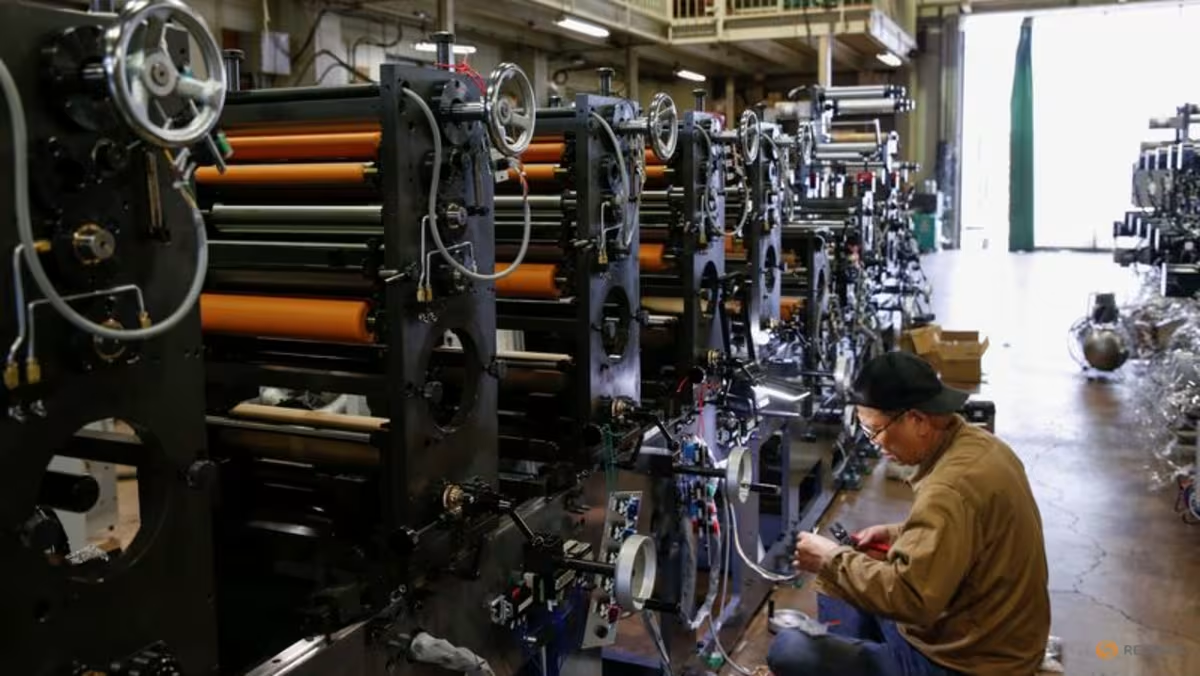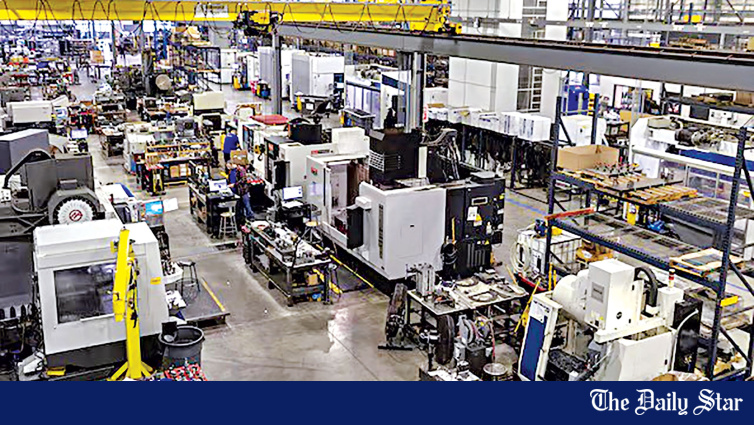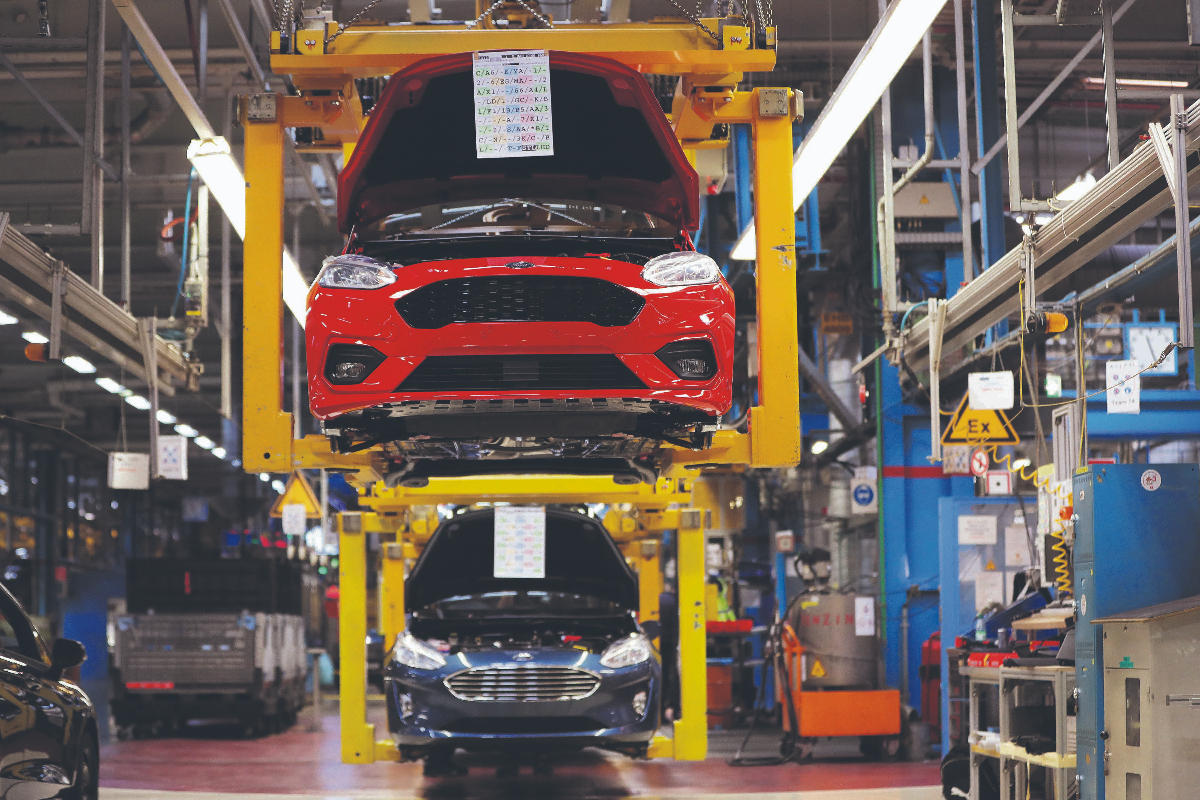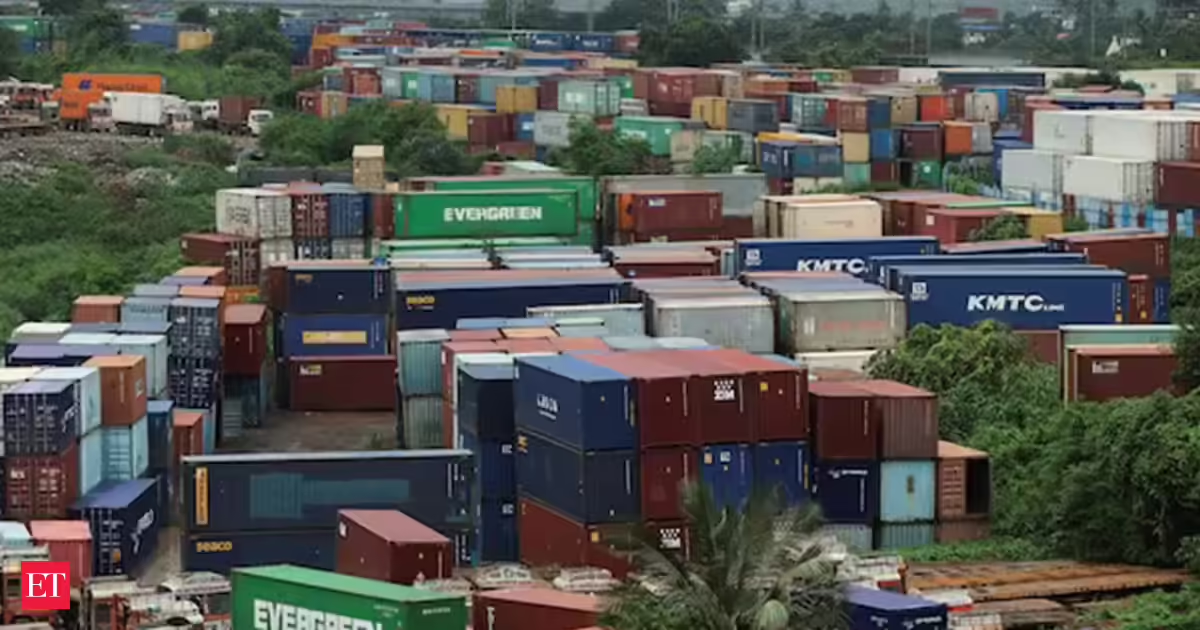
Tokyo: Asia's factory activity expanded steadily in May on stockpiling by some companies to get ahead of supply shocks from the Middle East conflict, private surveys showed on Monday, a sign that the war's economic fallout is broadening across the region.The surveys came after the heads of the International Energy Agency, International Monetary Fund, World Bank and World Trade Organization warned the war in the Middle East was straining global energy supplies and hitting vulnerable economies hardest.Also read: Global Market Today: Asian stocks count on AI boom to offset Gulf risksFactory activity expanded in most Asian economies. China's private sector gauge grew for a sixth straight month and South Korea's hit the fastest pace in five years, highlighting a region-wide push to build buffers against potential conflict-led disruptions.The RatingDog China General Manufacturing Purchasing Managers' Index (PMI), compiled by S&P Global, fell to 51.8 in May from 52.2 in April, but was slightly better than analysts' forecast of 51.6 and above the 50.0 level that signals expansion from contraction.The outcome contrasted with an official survey showing factory activity in the world's second-largest economy stalled last month as new orders contracted and input costs kept rising.Japan's factory activity also expanded with the PMI at 54.5 in May, slowing from April's more than four-year high of 55.1, though firms there reported the sharpest rise in input costs since September 2022 due to higher raw material prices driven by the Middle East war."The current period of expansion is being partly driven by stock building among manufacturers and their clients, as companies looked to safeguard against product shortages and mitigate price risks driven by the war in the Middle East," said Annabel Fiddes, Economics Associate Director at S&P Global Market Intelligence.Also read: Consumer goods companies chart new manufacturing and sourcing course as West Asia crisis hits supply chainSouth Korea's PMI rose to its highest since March 2021 at 54.8 in May, up from 53.6 in April, again underlining firms' drive to lock in supplies as shipping disruptions tied to the Iran war jolt global trade.The U.S.-Israeli war on Iran, which began late in February, has upended trade, rattled financial markets and raised concerns over global energy supplies, particularly through the Strait of Hormuz, a key route for oil and gas shipments.In Vietnam, the factory PMI gauge rose to 52.8 from 50.5 in April, while that for Taiwan rose to 56.1 from 55.3, the surveys showed. The index for the Philippines also rose to 50.8 from 48.3 in April.
Asia's factory output expands as firms stockpile buffers over Iran war risks
Asian factories saw steady growth in May. Companies built up stocks to counter potential supply disruptions from the Middle East conflict. China's manufacturing expanded for the sixth month, while South Korea's activity reached a five-year high. Japan also reported expansion despite rising input costs. This regional push highlights efforts to secure supplies amidst global trade jitters.
Asia's factory PMI expanded across China (51.8), South Korea (54.8, five-year high), Japan (54.5), and Vietnam (52.8) in May, driven by precautionary stockpiling ahead of supply shocks from the Iran war. For supply chain and procurement managers, this signals a regional inventory build-up cycle that is masking underlying demand softness — shipping disruptions through the Strait of Hormuz are repricing sourcing risk and accelerating dual-sourcing strategies.