Monday 01 June 2026 10:26 am
| Updated:
Monday 01 June 2026 10:27 am
Manufacturing costs soared in May.
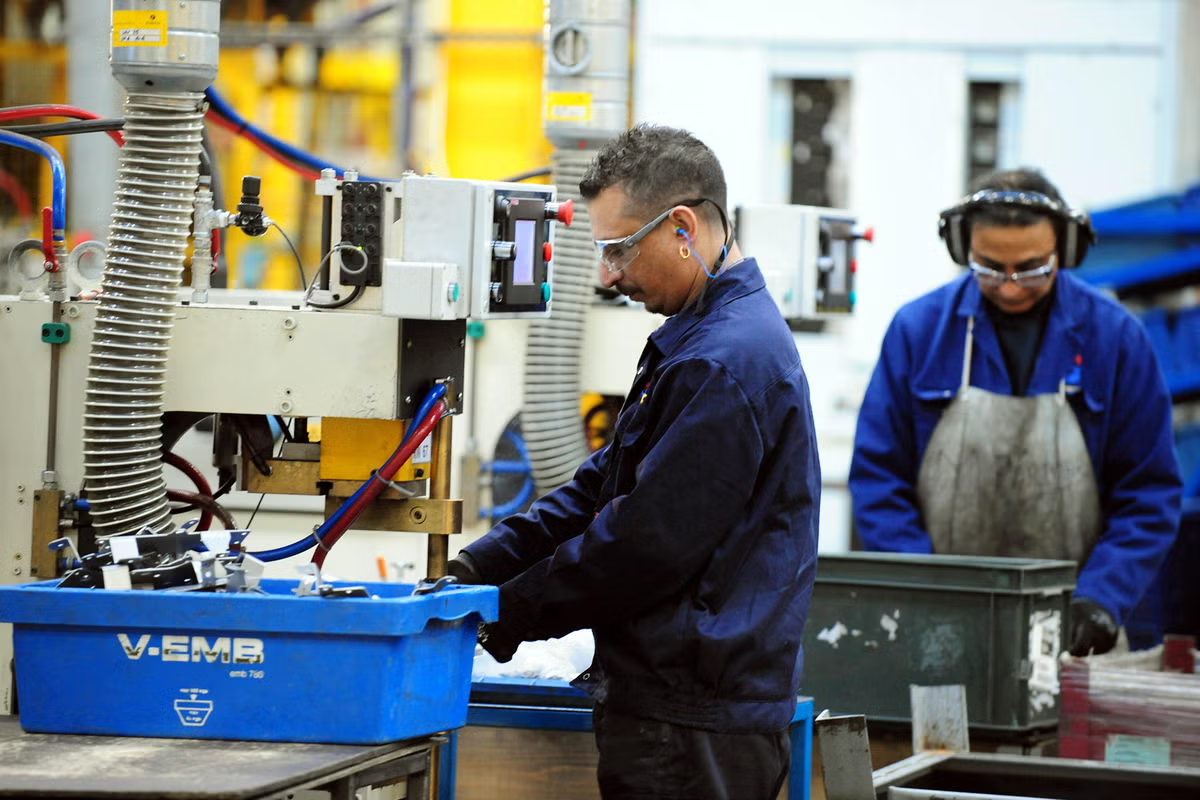
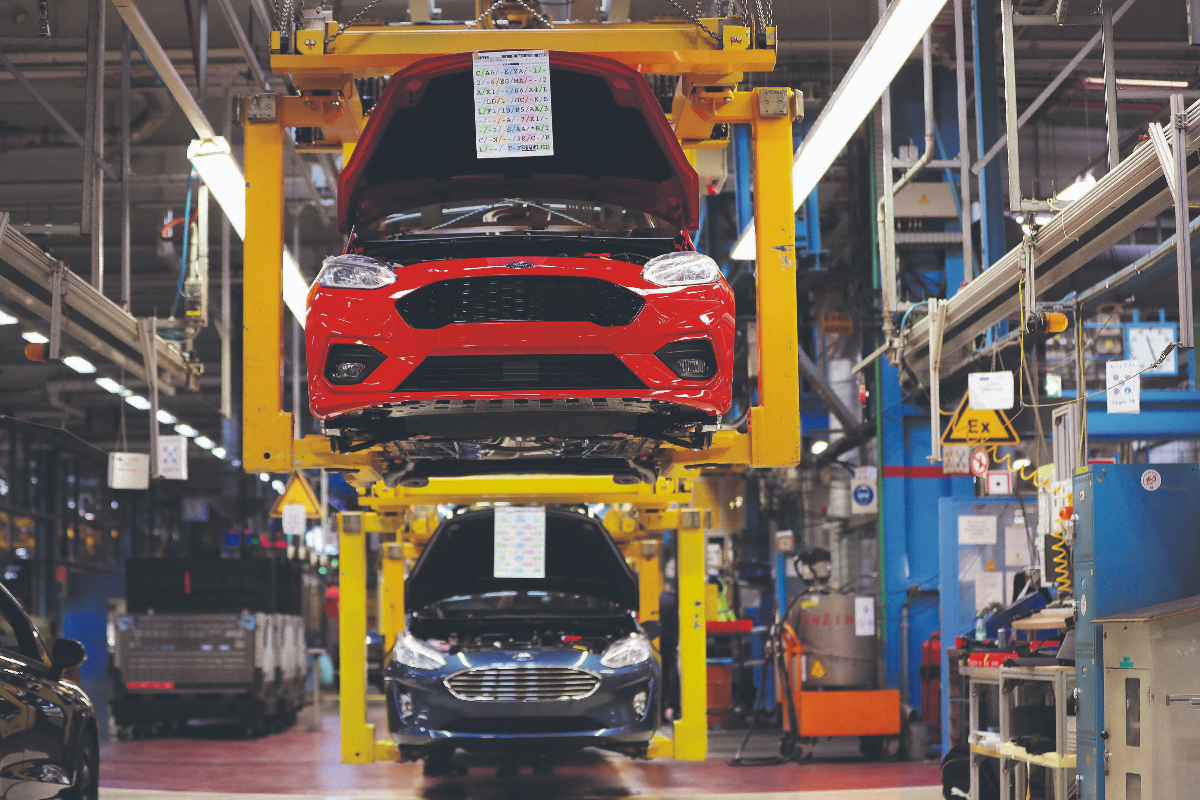
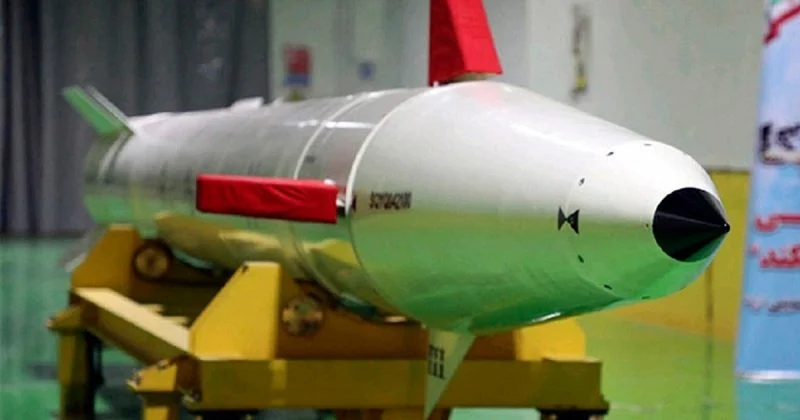
The UK’s manufacturing sector appeared to survive the immediate impact of the Iran war in May, new data has suggested, as researchers suggested that production rose to a four-year high. S&P Global’s purchasing managers’ index (PMI) for the sector hit 53.9 in May, well above the neutrality figure of 50 and higher than April’s recording of 53.7.Researchers said that all data points relating to output, employment and purchasing simultaneously improved for the first time since May 2022. Business optimism in the survey of around 650 manufacturers also hit a three-month high although S&P Global director Rob Dobson said the upswing in results may not be maintained in the upcoming months. “The recent upturn in new order intakes that is driving the expansion in output is heavily reliant on both manufacturers and their clients front-loading purchases to mitigate expected war-related price increases and supply chain disruption,” Dobson said. “This bounce will fade once customers have built up sufficient safety stocks.”Front-loading due to a prolonged Iran war may mirror a similar pattern last year when companies bought stocks early to get ahead of President Trump’s tariffs. In turn, the UK economy grew by 0.7 per cent in the first half of the year before slowing down considerably in the second half. The UK economy expanded by 0.6 per cent in the first quarter of this year though analysts have warned that growth is set to ease in the middle of this year due to higher cost pressures and lower levels of consumer confidence. Manufacturing data ‘subverting expectations’The manufacturing PMI showed that the rate of increase in purchasing prices surged to a four-year high, with firms now having to weigh up whether to pass on significant chunks of costs to consumers. Respondents to the survey said prices for plastics, metals and electronics had risen while a high tax burden and wage pressures were also squeezing budgets. James Brougham, a senior economist at Make UK, said the latest results showed performances across the industry were “subverting expectations” although he warned rising costs could still hamper businesses. Martin Beck, chief economist at WPI Strategy, said: “If May’s resilience in the PMI is sustained, it could be another sign, alongside stronger-than-expected growth in the first quarter and lower-than-expected inflation in April, that the economy may prove less exposed to overseas headwinds than some fear.”