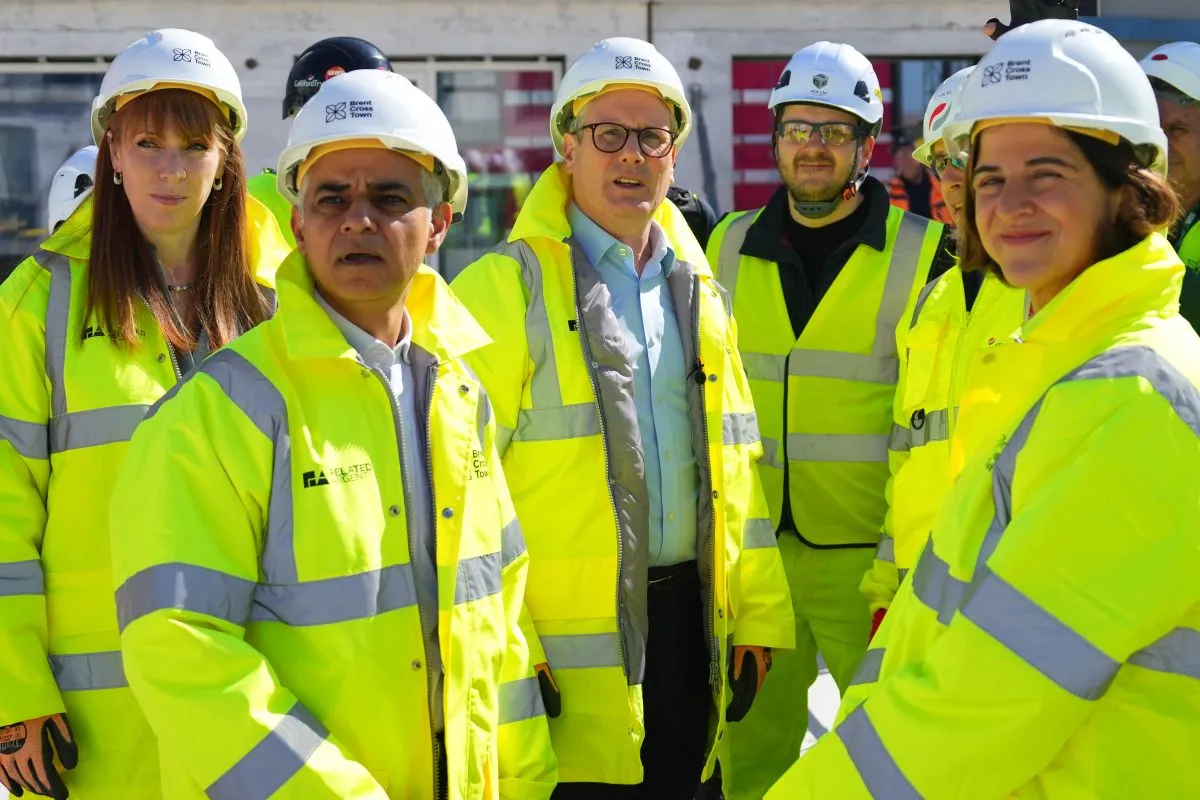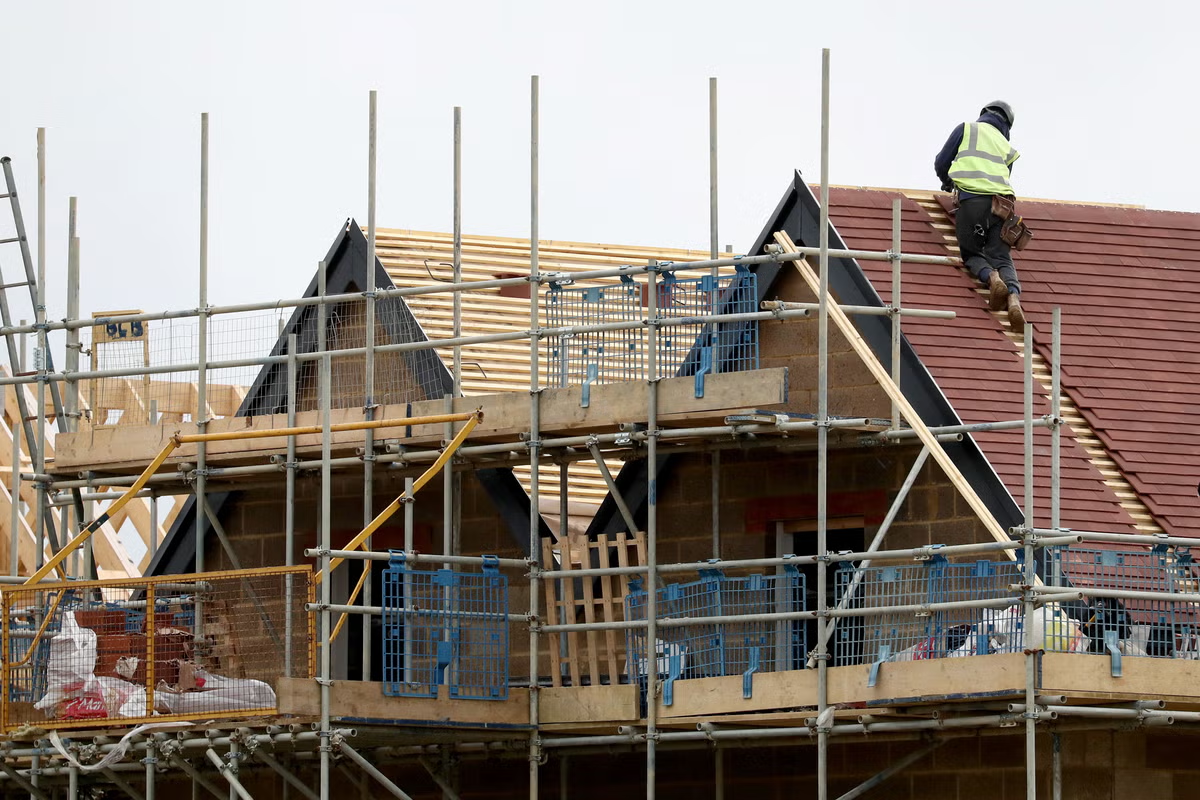
Output from the UK’s construction industry has declined at the fastest rate since the height of the Covid-19 pandemic as opportunities for work dried up, new figures show.Worries about the Iran war as well as political uncertainty in the UK were weighing on demand for building work last month.The S&P Global UK construction PMI showed a reading of 38.2 in May, down from 39.7 in April and indicating a steep drop in overall business activity.Any reading above the 50.0 threshold indicates that activity in the industry is increasing while anything below means it is contracting.The latest score was the lowest since May 2020, while construction output has been in decline for about a year-and-a-half.Construction firms – incorporating housebuilding, office and commercial building, and civil engineering – have faced fresh challenges in recent months following the start of the US-Israel’s conflict with Iran.Political uncertainty amid threats to Sir Keir Starmer’s leadership was also weighing on the construction industry in May, the PMI survey found (James Manning/PA) (PA Wire)The elevated uncertainty about the economic and political climate was dampening demand, while firms were grappling with rising energy, fuel and transportation costs, the survey found.Builders surveyed suggested that project delays and pushing back big investment decisions, as well as general cutbacks to their customers’ budgets, had resulted in fewer opportunities for work last month.Some also pointed to political uncertainty in the UK having an impact on demand conditions, after Sir Keir Starmer fought to stay on as Prime Minister amid calls from Labour MPs for his resignation.Tim Moore, economics director for S&P Global Market Intelligence, said: “Anecdotal evidence suggested that economic uncertainty and rising inflation in the wake of the Middle East conflict had triggered the steepest drop in new work since the beginning of the pandemic.“Elevated borrowing costs were also reported to have impacted market conditions.“Fuel surcharges and rapid increases in prices for energy-intensive raw materials continued to be felt across the construction supply chain.”Almost two-thirds of the businesses surveyed said they experienced a rise in prices charged by suppliers during May, which was mostly linked to fuel, energy costs and higher transport bills.There were also widespread reports of international shipping delays and some shortages of raw materials.Despite this, the survey revealed that upcoming energy sector and power network projects were viewed as a bright spot for infrastructure work.Max Jones, head of construction at Lloyds, said: “May’s fall shows the UK’s construction sector is still facing pressures, with elevated energy and fuel costs impacting projects.“But below the headline figure, demand is still being supported by a pipeline of infrastructure work in areas like energy, road and rail, and water.“While ongoing uncertainty weighs on output, many firms are staying focused on current work and planning for future growth.“Companies are also continuing to invest in skills, so they are ready for new opportunities linked to cleaner energy and growing areas of importance such as defence.”
UK construction output declines at fastest rate since pandemic, survey finds
Worries about the Iran war as well as political uncertainty in the UK were weighing on demand for building work last month.
481 words~2 min read