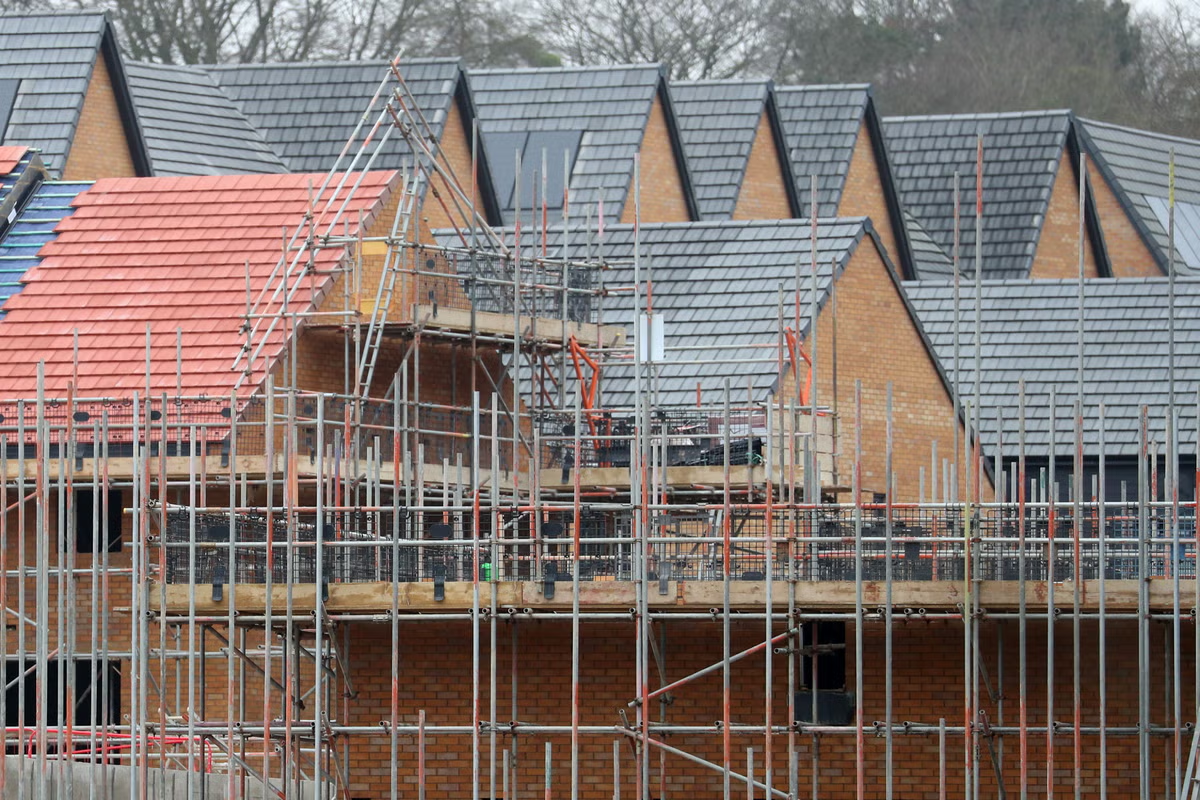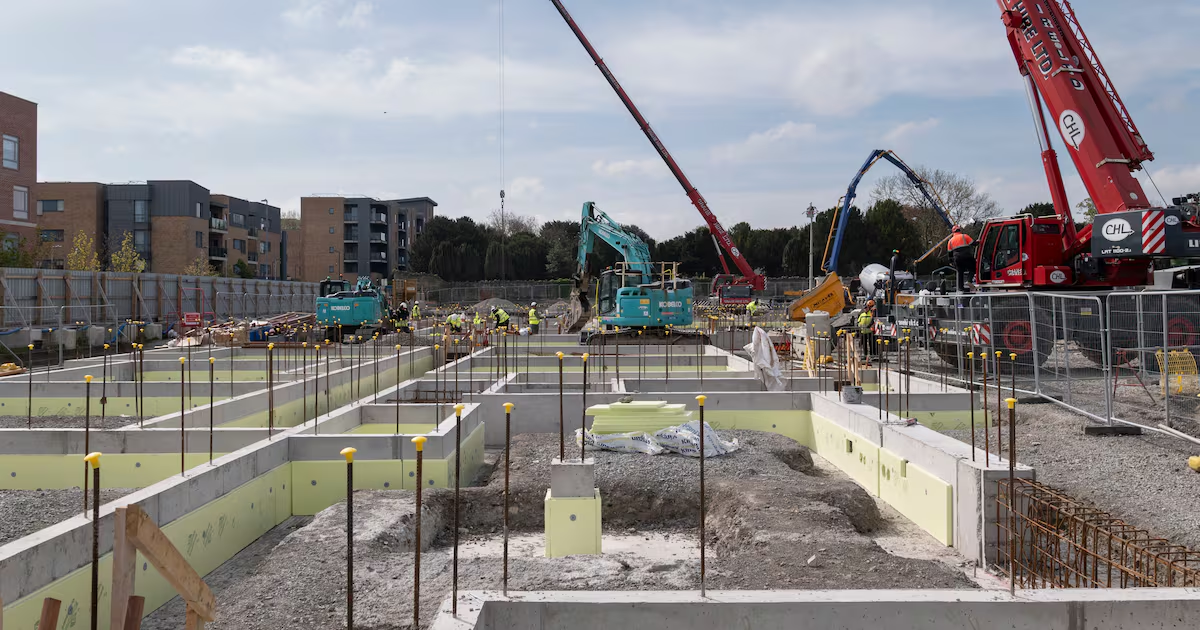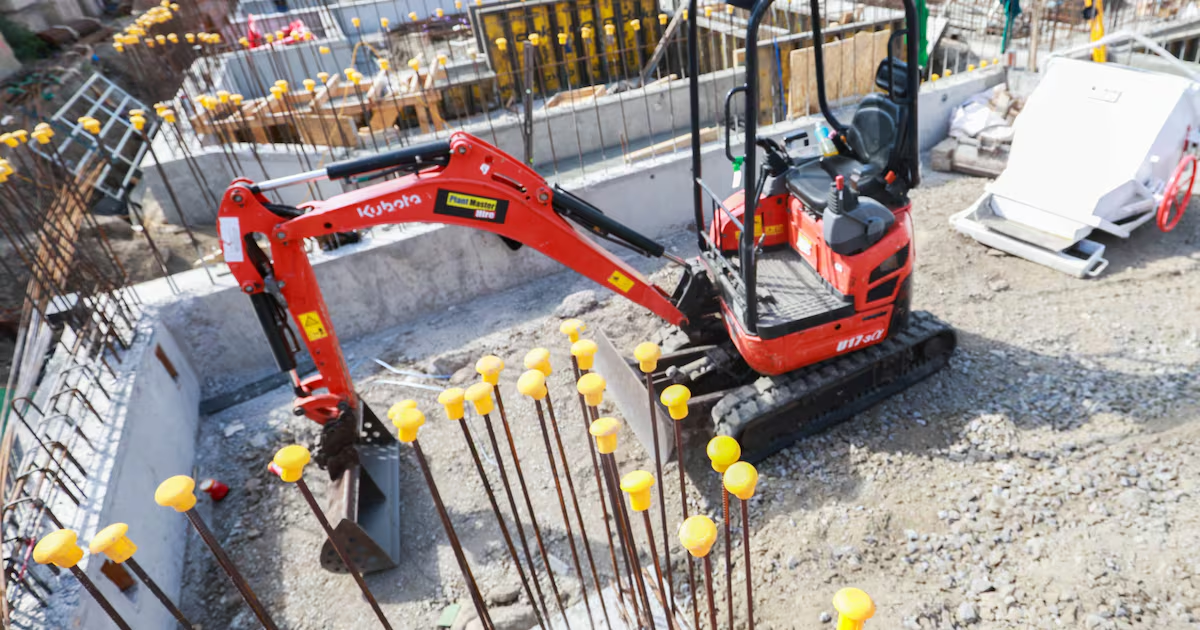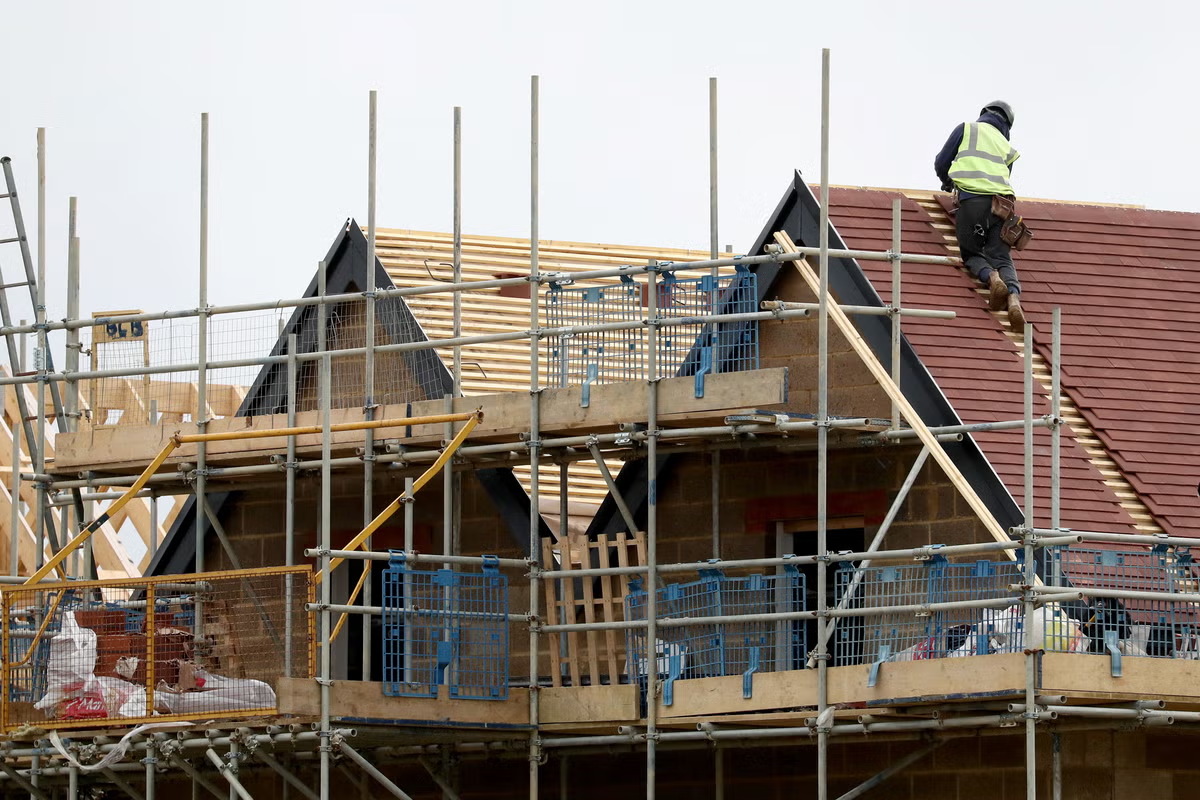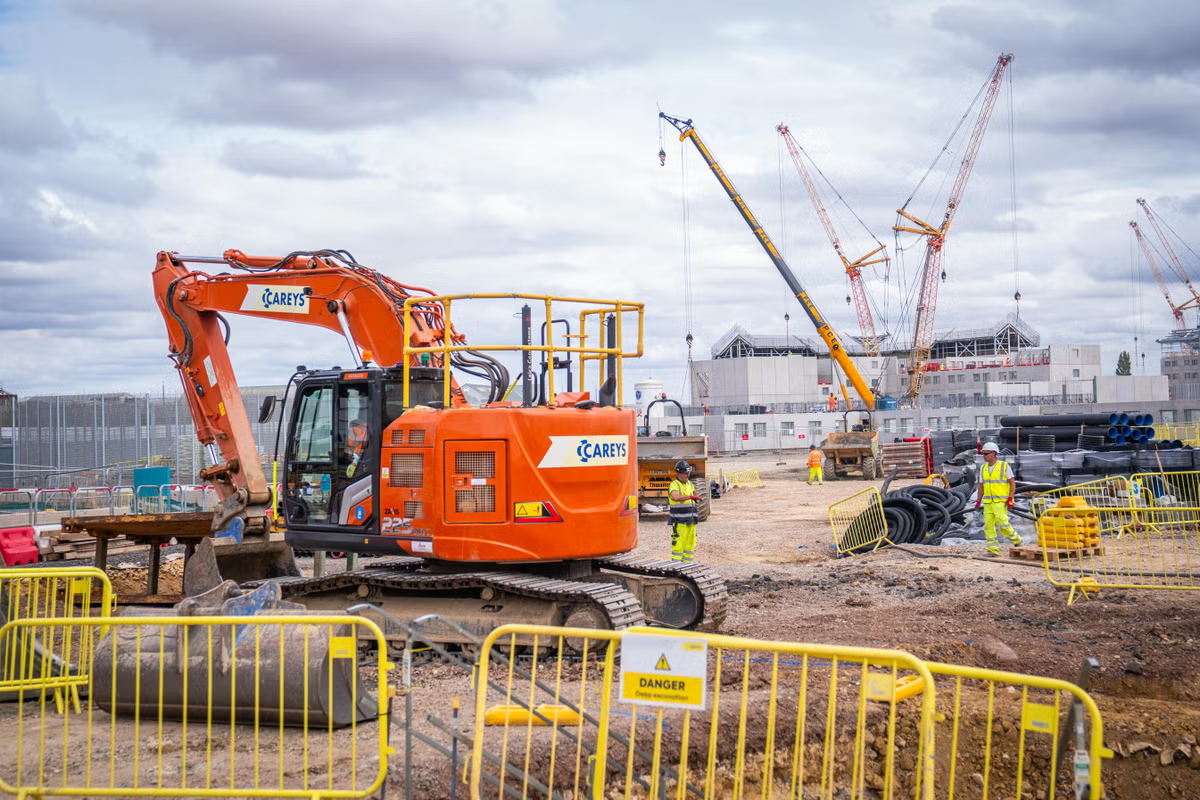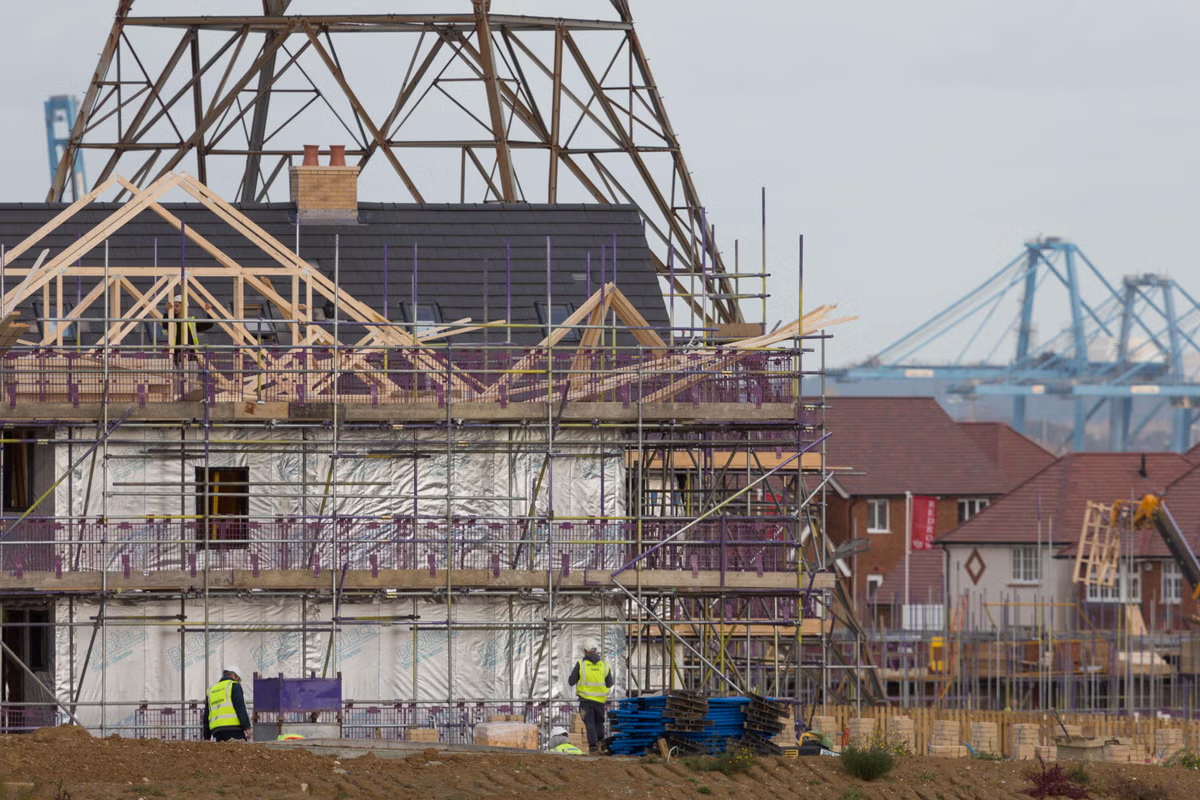
There was a “sharp rate of decline” in home-building last month that accelerated to its fastest rate since October, Irish construction companies have said.AIB’s latest PMI report for the construction sector said May was the second consecutive month in which there was a fall in residential building activity.Housing activity was scored 43.2 in the month, well below the 50 mark that separates growth from contraction.The report also showed that although house prices continued to increase sharply midway through the second quarter, the rate of inflation softened for the second successive month and was the weakest in the year to date. Similarly, charges for work on apartments rose at a slightly slower pace in May, but were still “substantial overall”.In line with the picture for residential selling prices, charges for work on commercial property increased, but at softer rates in May. The sharpest pace of inflation was seen in retail, with the slowest for offices.Overall, the headline seasonally-adjusted PMI figure signalled a return to growth for the construction sector in the month, climbing to 50.2 from 47.1 in April. The report suggested the expansion was centred on commercial work where activity increased sharply, with the rate of 56.4 at its fastest in more than four years. It extended its current sequence of expansion to four months.Meanwhile, a score of 43.1 pointed to a 13th consecutive monthly reduction in civil engineering activity among Irish construction firms. The latest fall was described as “marked” and the sharpest since last November.The report also showed employment in the construction sector increased for the seventh month running. The rate of job creation remained solid as companies reportedly took on extra staff in line with higher new orders. A number of companies indicated they had hired workers on a full-time basis.A “steep rise” in input prices was also reported, with the rate of inflation only slightly weaker than April’s recent peak. Companies largely attributed higher input costs to increases in fuel and oil prices due to the war in the Middle East.More than 57 per cent of companies indicated their input costs had risen over the month. The rate of inflation therefore “remained substantial”, easing only slightly from the near four-year high posted in April. No items were recorded as having come down in price, while the list of items that showed an increase included bricks, cement, copper, concrete, glass, paint, steel, timber, and windows. Insulation was said to be in “short supply”.However, expectations of further improvements in new orders over the coming months supported optimism in the year-ahead outlook for construction activity. Some firms said an end to the war in the Middle East would lead to an improvement in business conditions.Companies remained confident on balance that output will increase over the next 12 months, with sentiment improving from the 41-month low seen in April. That said, the level of optimism remained “relatively muted”, the report said.As has now been the case in six successive months, Irish construction firms increased their use of subcontractors. The latest rise was “solid and slightly sharper” than that seen in April. However, subcontractor availability continued to fall, although the rate of decline was weaker than in the previous month. Subcontractors in short supply were block layers, concrete crews, ecologists, electricians, ground workers and plasterers.
Home-building slowed sharply last month, Irish construction firms say
The rate of decline accelerated to its fastest rate since October, report from AIB shows
544 words~2 min read