Thursday 04 June 2026 10:19 am
Labour's construction pledges have faltered.
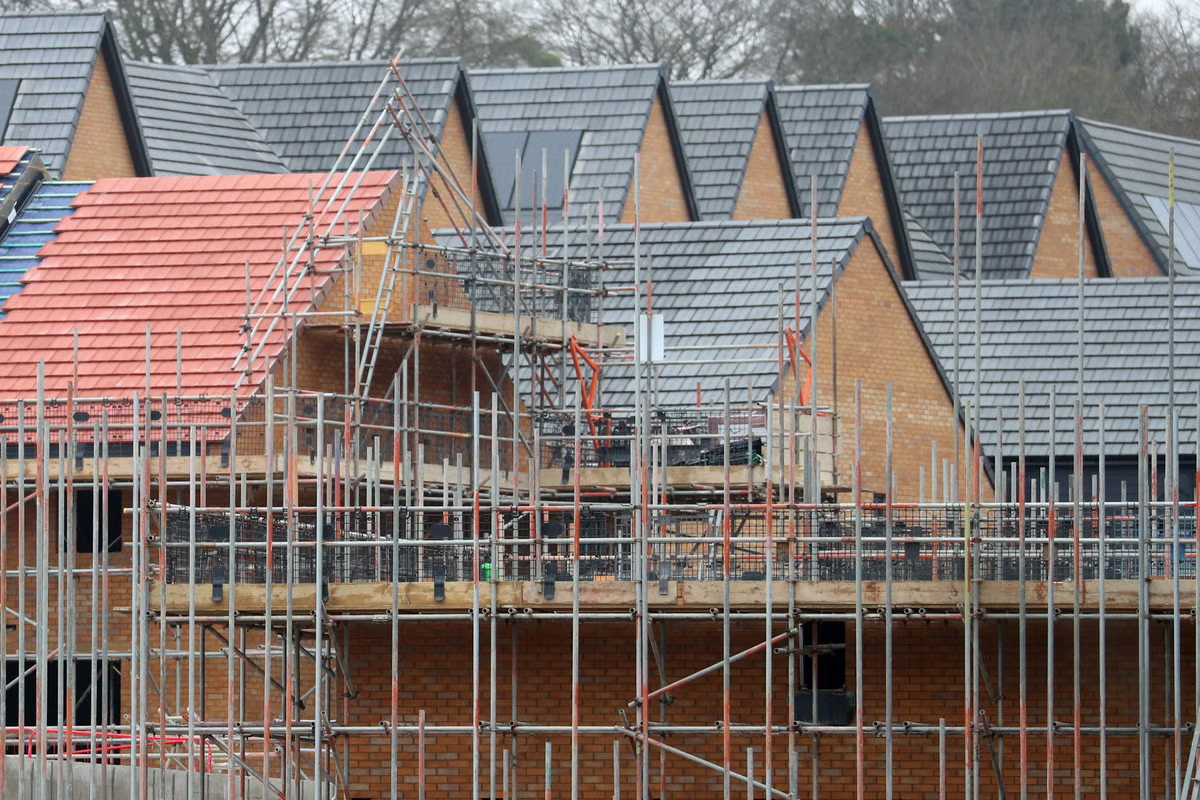
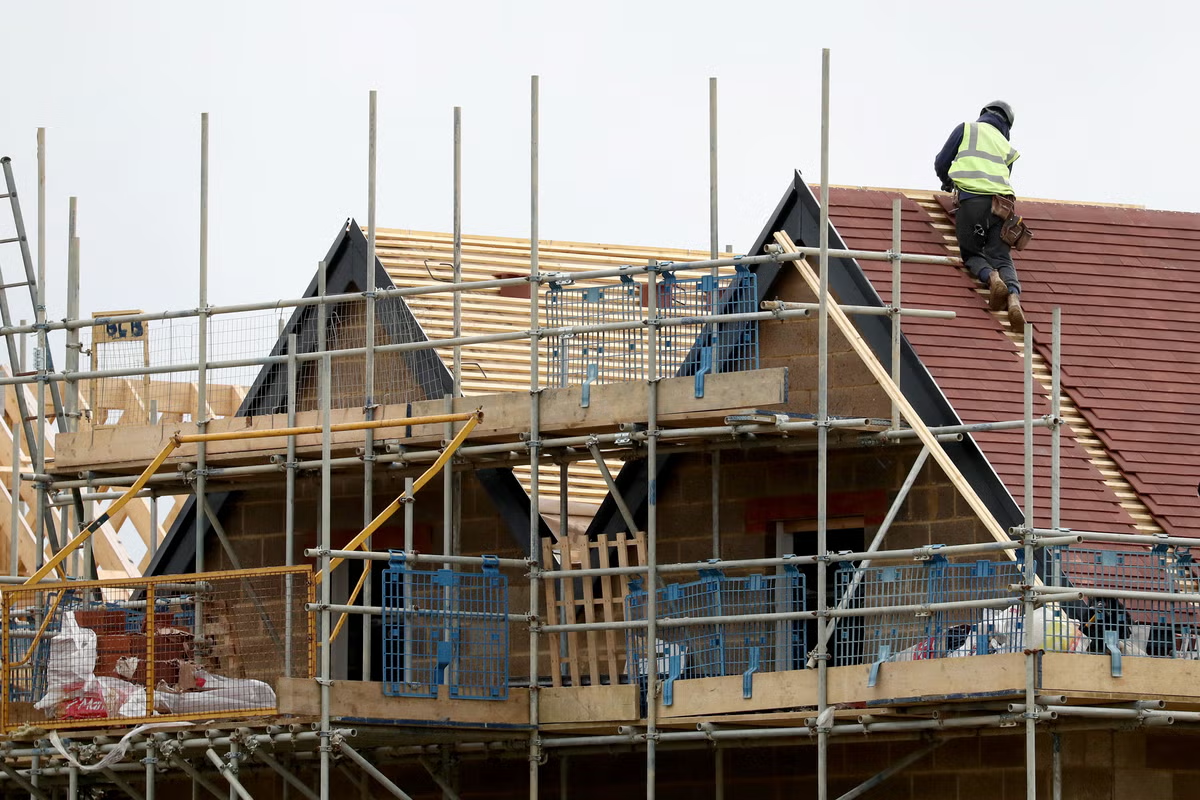
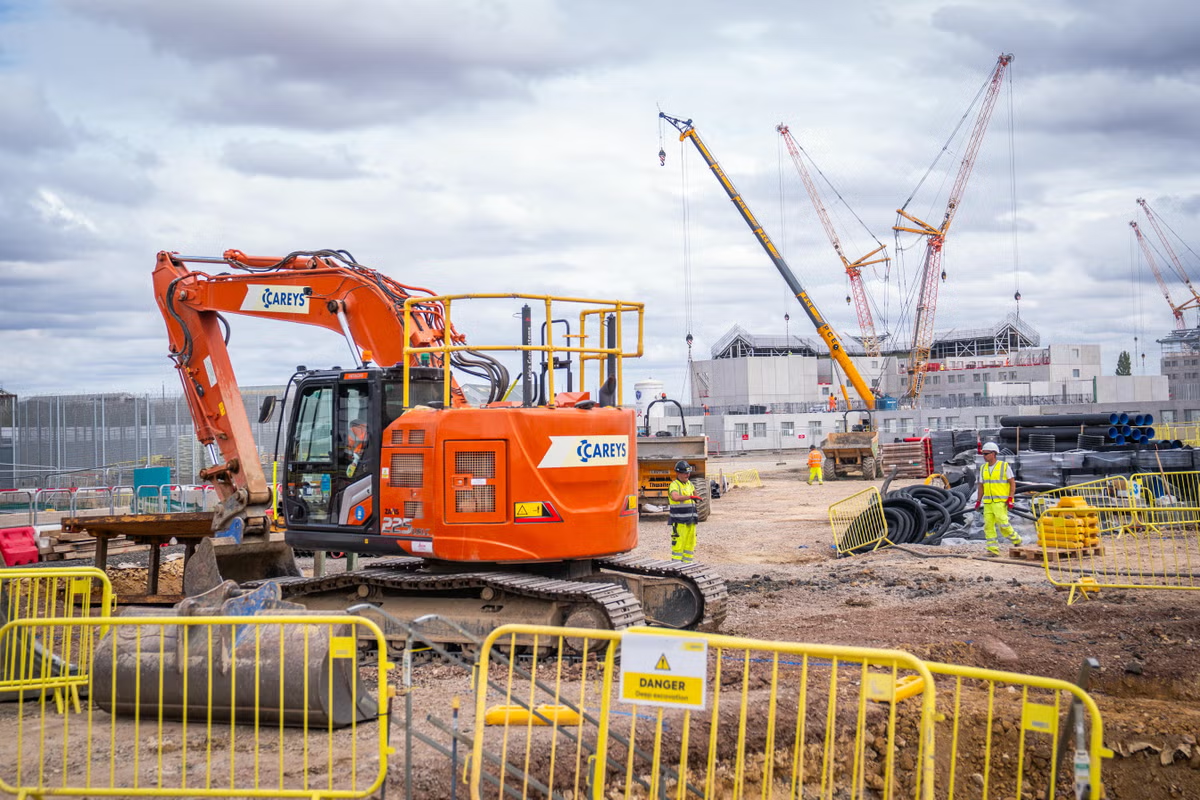
A rapid decline in construction companies’ activity has forced bosses to cut employment, according to new data. S&P Global’s construction purchasing managers’ index (PMI) showed that business activity declined at the fastest pace for six years. Putting the pandemic aside, the decline in construction output was the lowest since March 2009. The PMI reading was 38.2 in May, well below the 50-figure threshold for no change in activity. Researchers said housebuilding was “especially subdued” even as the government has remained committed to building 1.5m homes by 2030 and allocated £39bn towards building affordable homes. Researchers said that a lack of new orders for construction had led to further job losses while concerns around energy prices and government policy had dampened investment. “May’s fall shows the UK’s construction sector is still facing pressures, with elevated energy and fuel costs impacting projects,” said Max Jones, director of construction at Lloyds Bank. “Below the headline figure, demand is still being supported by a pipeline of infrastructure work in areas like energy, road and rail, and water.”Shadow business secretary hit out at the Labour government’s pledges to trigger a boom in construction as he blamed the party’s leadership contests for stalling growth. “Instead of ‘build, build, build’ it is ‘dire, dire, dire’,” Griffith said. “It’s the worst housing market confidence for six years with sub-zero levels of confidence.”Construction firms hit by surging pricesFirms in the survey also complained about cutbacks in budgets, deferred investment decisions and project delays, although researchers said energy infrastructure construction was a “bright spot”. The survey laid bare the impact of the oil and gas price surge since the start of the Iran war. The input prices index pointed to the fastest pace of inflation since June 2022, months after the start of Russia’s invasion of Ukraine. Firms said that transportation and energy costs had sharply risen while subcontractor charges increased by the highest level for more than three years. Economists at Pantheon Macroeconomics suggested that S&P Global data had recently been a “poor predictor” of output growth across the construction sector, having been “too downbeat” in comparison to hard data. “Such a pace of decline is usually only seen in deep recessions,” economists at the consultancy said.