Academia
As the Middle East forcedly rewires its economy and security amid conflict, Indonesia faces an urgent wake-up call to overhaul its own structural vulnerabilities before its demographic window slams shut.
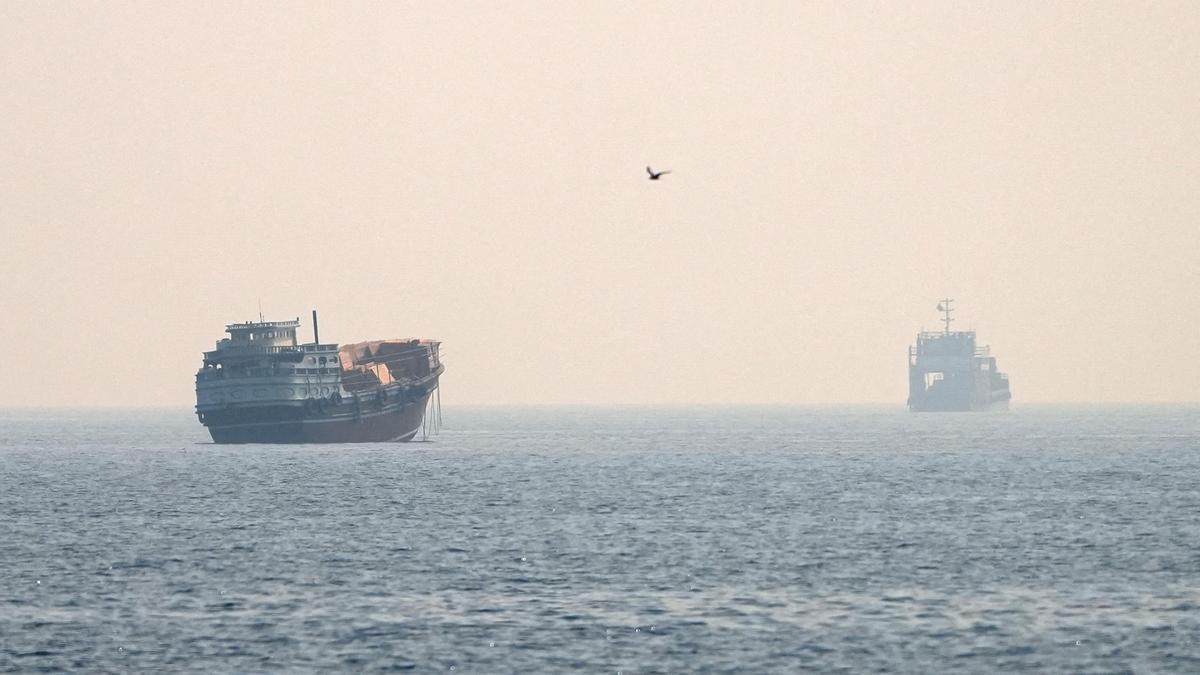
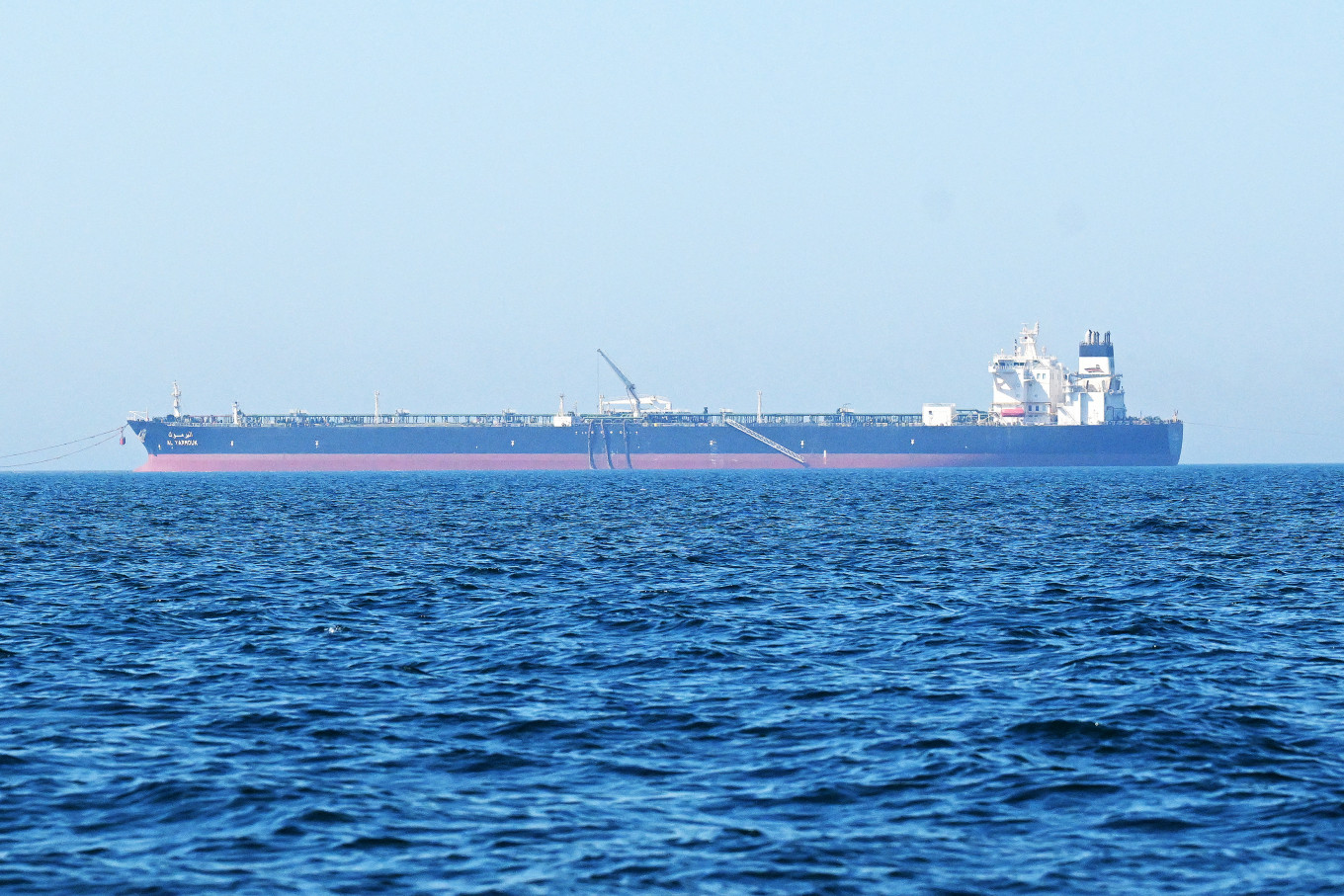
The 'Al-Yarmouk' oil tanker sails on June 27 in the Arabian Gulf waters, off the coast of Kuwait City. (AFP/Yasser al-Zayyat )
The storm of conflict sweeping through the Middle East since early 2026 has become a catalyst for profound structural transformation. Two decades of fiscal preparation by Gulf Cooperation Council (GCC) nations—including aggressive economic diversification that elevated non-oil sectors to 69 percent of GDP, substantial fiscal buffers and more than US$110 billion in defense spending—helped absorb the initial shock without systemic collapse.Yet, under the pressure of kinetic disruptions, Gulf nations are being forced out of their traditional reliance on external security guarantees to build independent, sovereign defense and economic architectures.
Beyond immediate crisis management, the region is rewriting the rulebook on national resilience and regional integration. This shifting Middle Eastern landscape offers urgent lessons for emerging economies like Indonesia, particularly in navigating supply chain vulnerabilities, trade protectionism and dynamic global technology challenges.