Academia
Energy transition is no longer only a climate imperative, but also a strategic tool to reduce import dependence and protect the economy from geopolitical shocks.
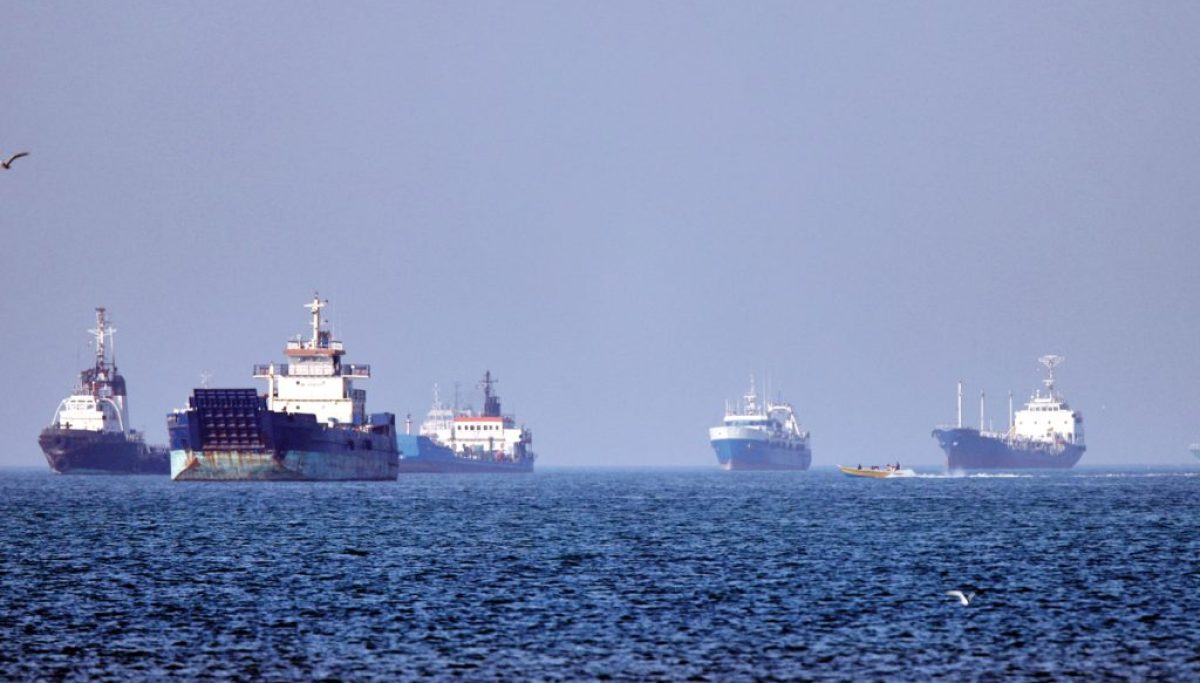
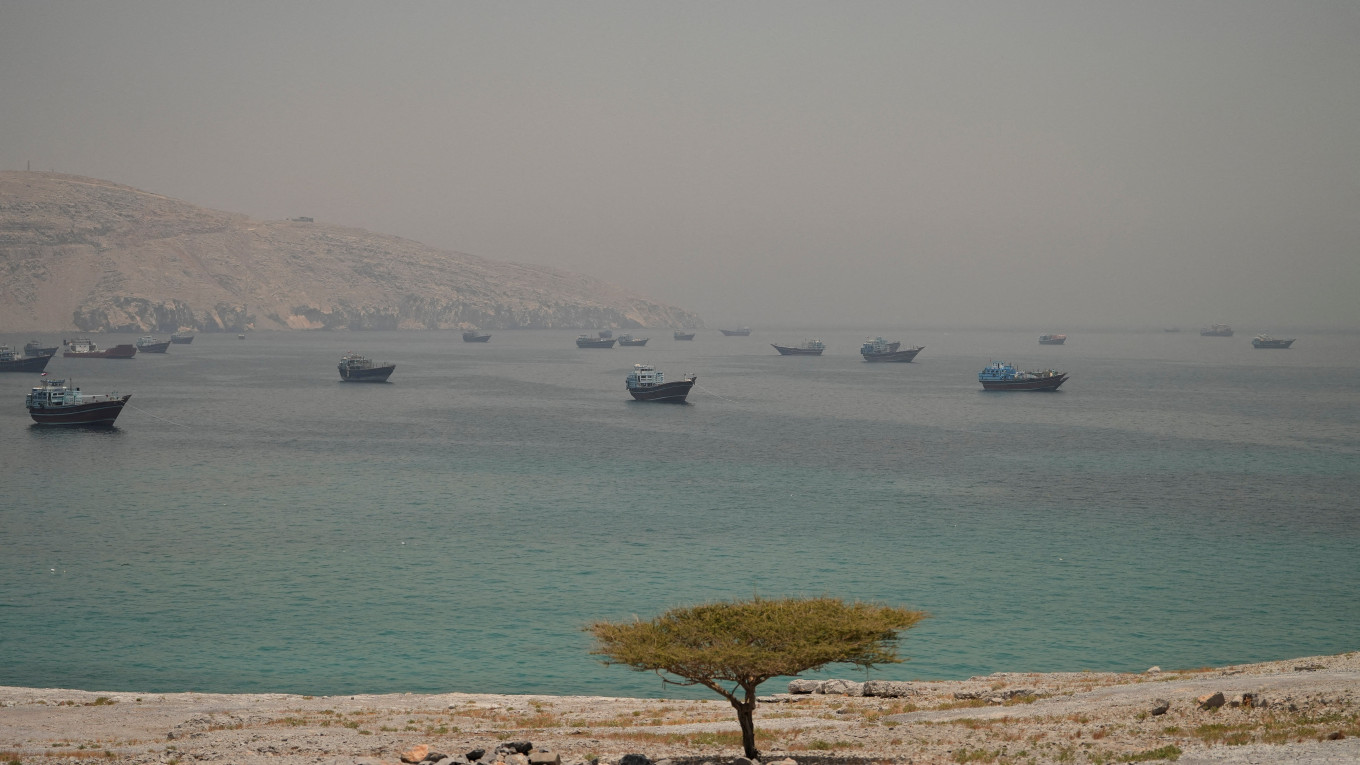
Vessels are anchored on June 11 in the Strait of Hormuz, as seen from Musandam, Oman. (Reuters/0)
The disruption in the Middle East has exposed the fragility of global energy systems. The Strait of Hormuz, one of the world’s most critical energy chokepoints, has become a reminder of how concentrated supply routes can trigger widespread price volatility and supply risk. For import-dependent economies such as Indonesia, this translates into immediate price increases, fiscal pressure and heightened energy insecurity.As a result, the traditional energy trilemma is being redefined. Security and affordability now take precedence, while sustainability is increasingly valued for its role in strengthening resilience. In this context, the energy transition is no longer only a climate imperative. It is also a strategic tool to reduce import dependence and protect the economy from geopolitical shocks.
The Strait of Hormuz handled nearly 30 percent of global seaborne trade of oil and petroleum product flows. The strait is also a key transit route for fertilizer inputs such as sulfur, ammonia and urea; petrochemicals and industrial commodities; and critical materials including celestite, helium and aluminum.