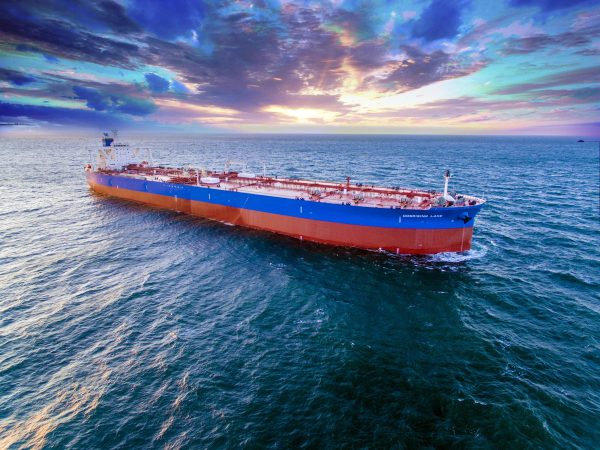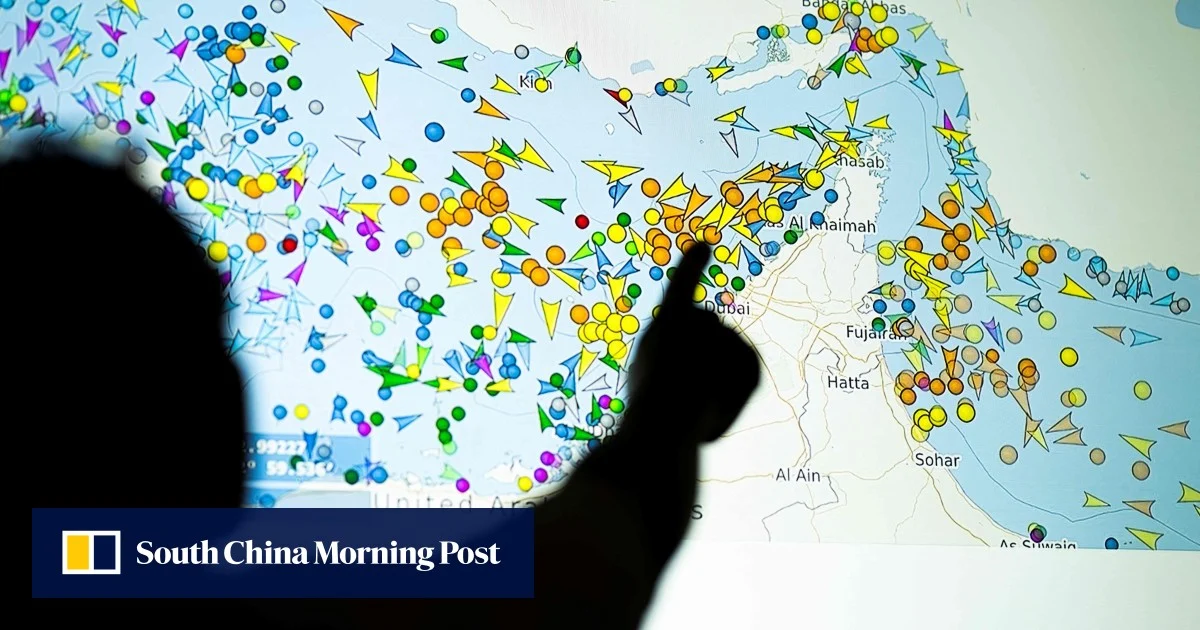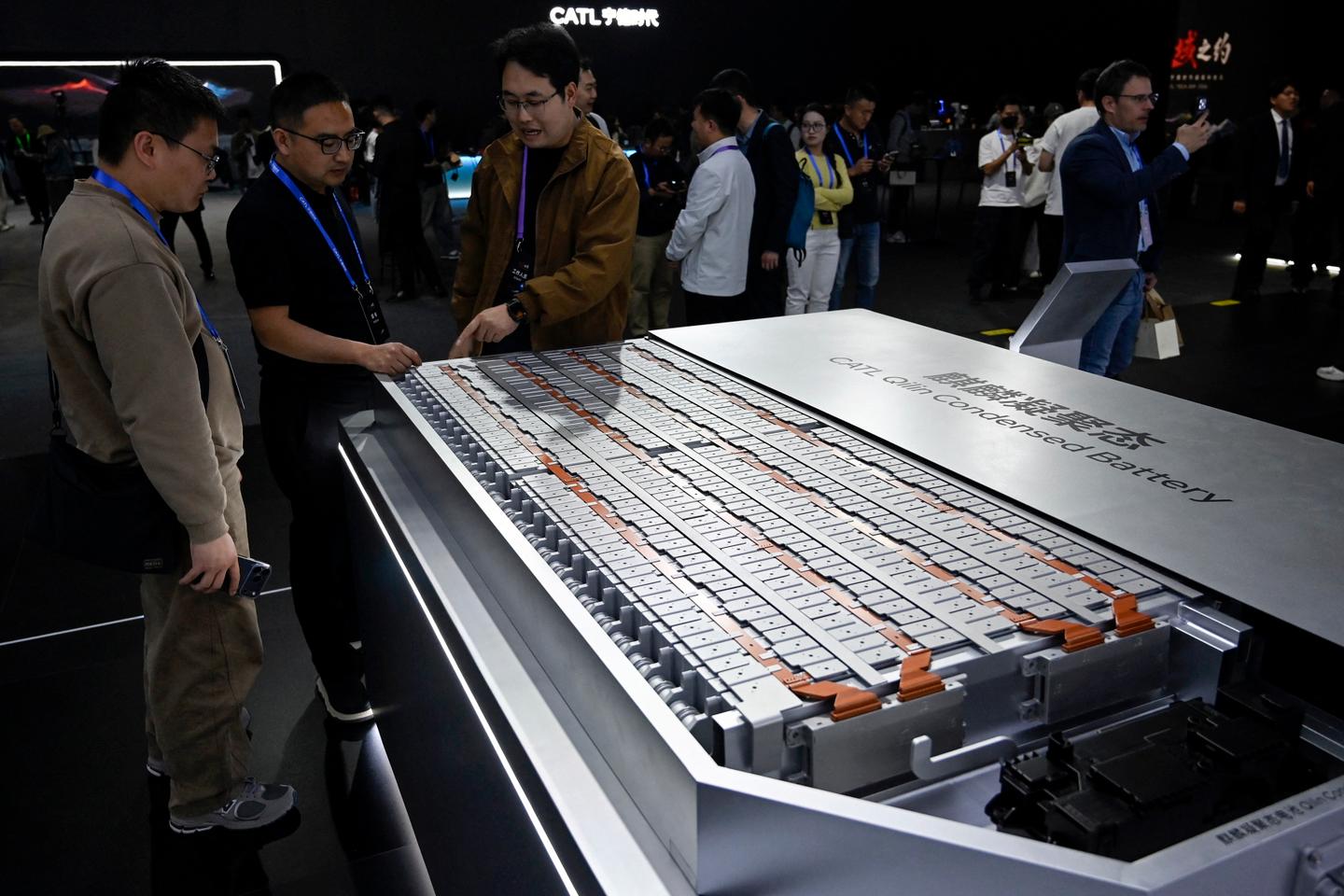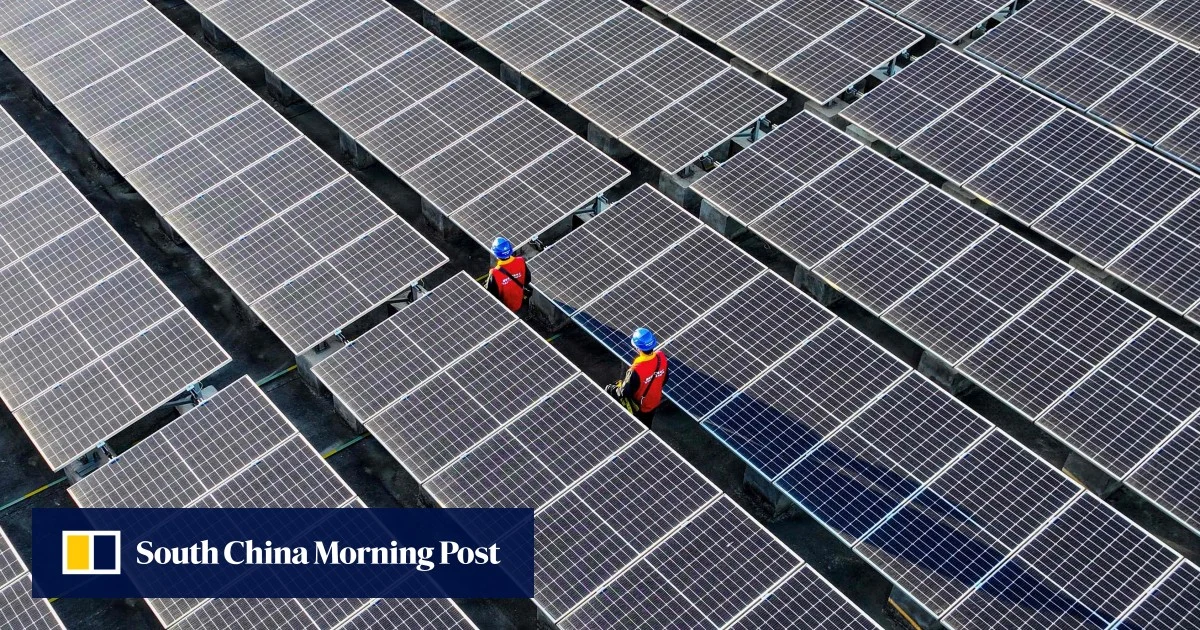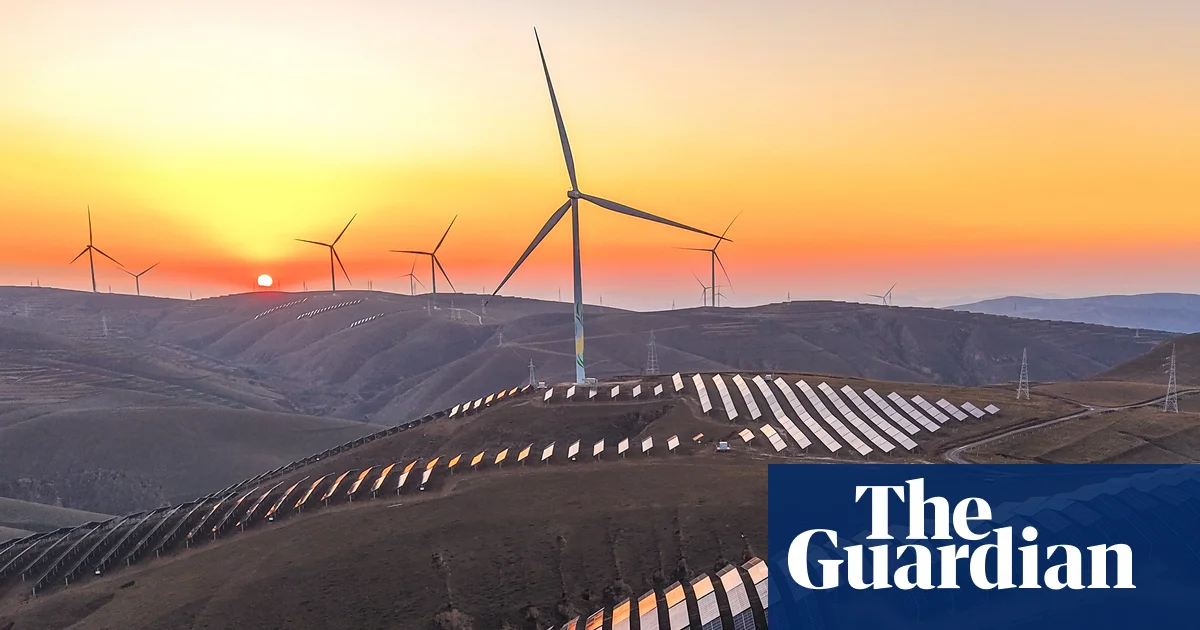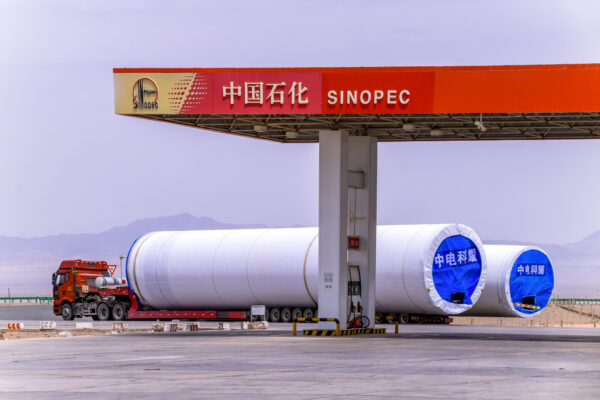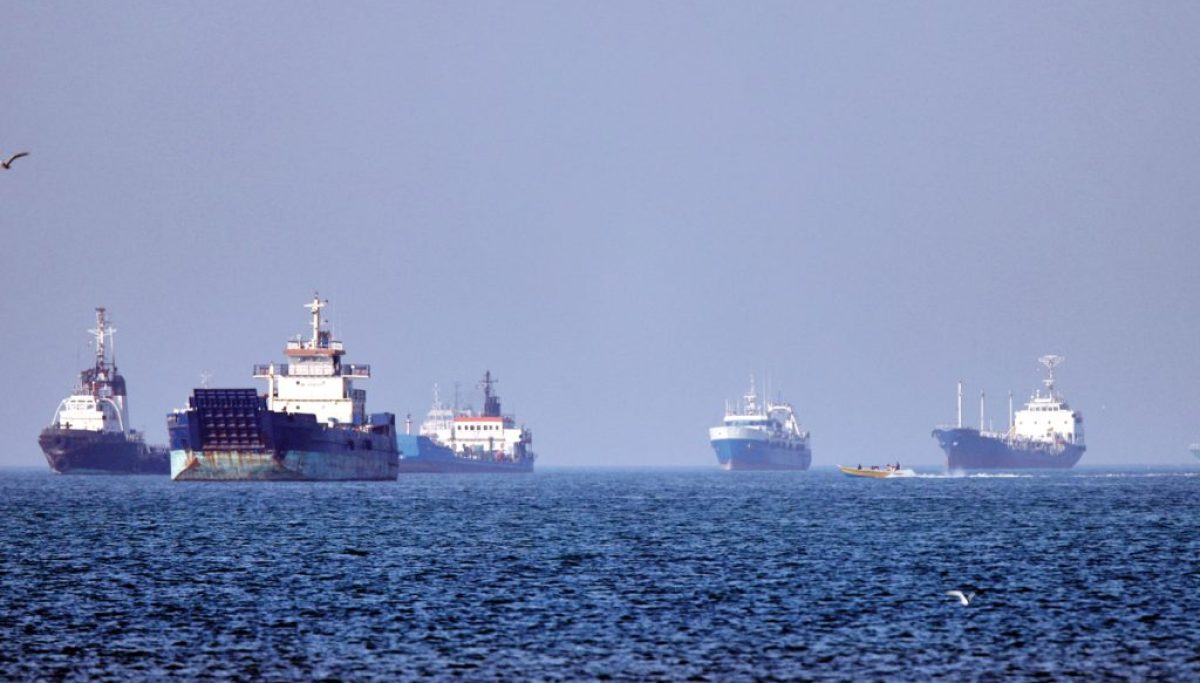
As conflict in the Middle East rattles global oil markets and exposes critical shipping routes, China’s long-term investment in an “all of the above” energy policy, including renewables like solar, is beginning to bear fruit. With countries searching for alternative ways to produce energy that are less prone to wars, political tensions, embargoes, and other potential vulnerabilities, solar power has emerged as a smart solution, providing an efficient, low-cost, and abundant source of energy.Unlike oil tankers or liquefied natural gas shipments, solar panels and battery systems cannot be blockaded in the Strait of Hormuz. Once deployed domestically, they are far less vulnerable to wars, sanctions, piracy, or instability in the Middle East. Countries around the world have started treating these technologies as a hedge against disruptions in traditional forms of energy, which dependence on one source risks creating.For years, China invested heavily in dominating the manufacturing supply chain for solar panels, batteries, critical minerals, transformers, and other technologies that are rapidly becoming central to the global economy. From 2019 to 2025, it accounted for more than half of the world’s $1.1 trillion in clean energy investment, more than doubling spending levels by the United States. Significantly, Beijing has also used industrial policy, dumping, and unfair trade practices to help undermine U.S. domestic capacity in these areas.
China’s energy strategy exposed by the Strait of Hormuz crisis
Beijing could weaponize America’s reliance on China's critical mineral processing and other manufacturing sectors during future geopolitical confrontations.
794 words~4 min read