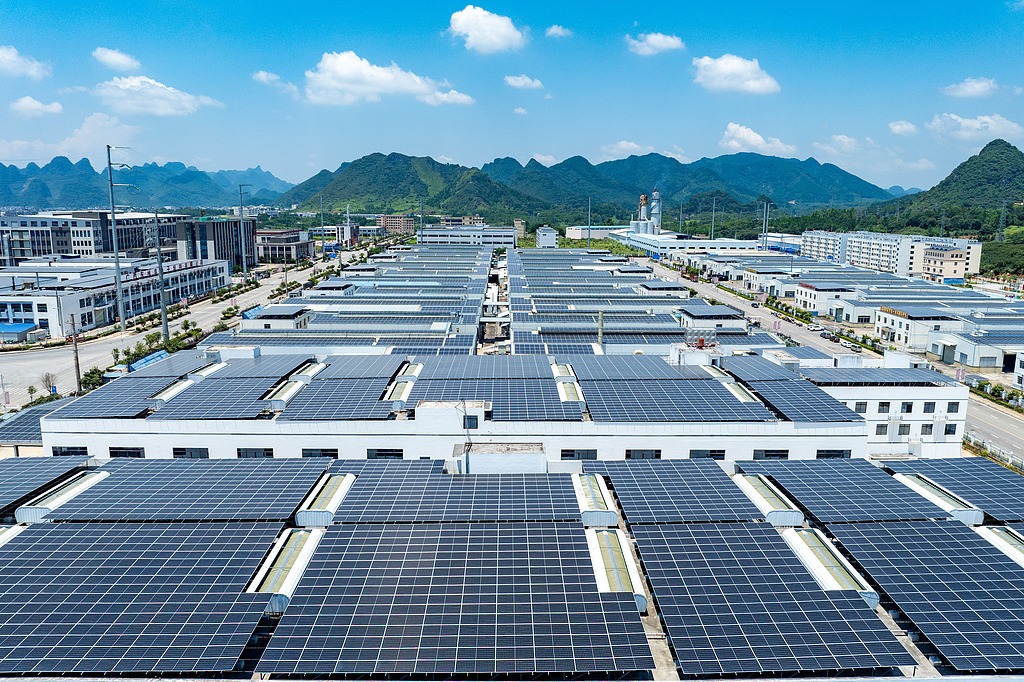
The current energy crisis has revealed a paradox at the heart of China’s rise. Over the past two decades, China has built the world’s largest energy system. It has become the leading producer of electricity, the dominant manufacturer of renewable energy technologies, the world’s largest electric vehicle market, the largest consumer of oil and importer of liquefied natural gas (LNG), and one of the principal drivers of global energy investment. Yet despite this extraordinary transformation, China has become more vulnerable to external energy shocks.
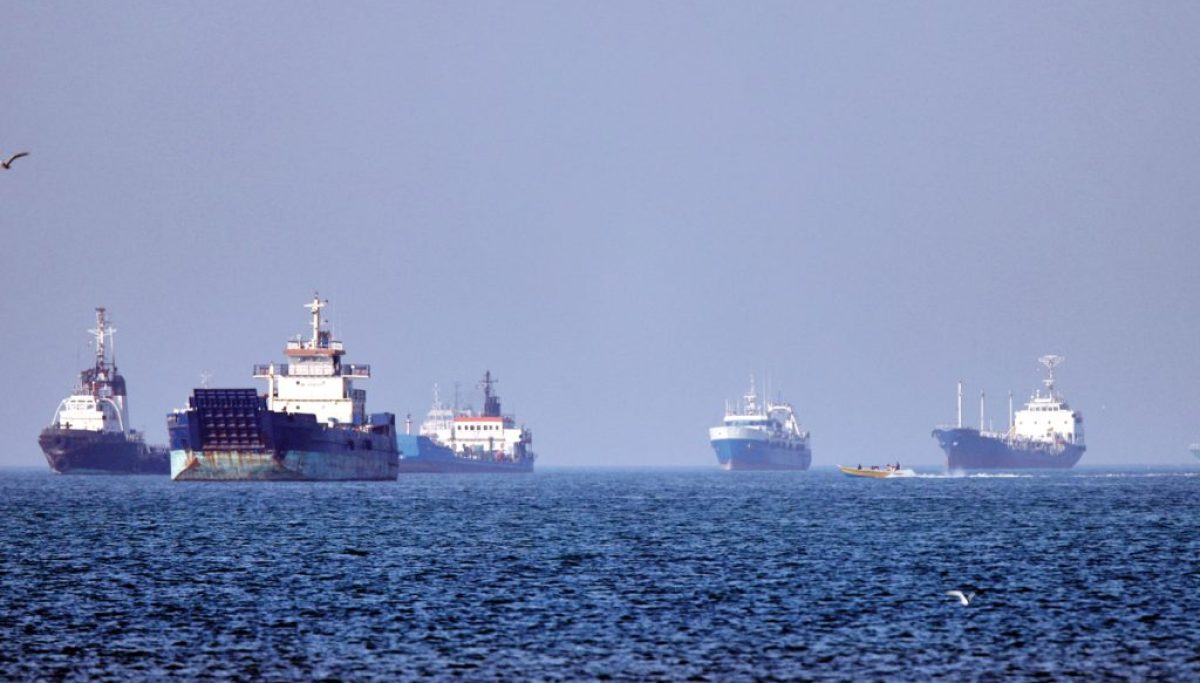
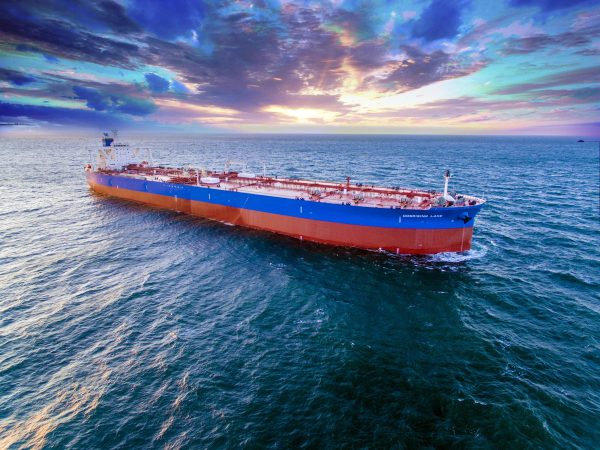
More than 70 percent of its oil consumption depends on imports. Significant portions of its natural gas supply originate abroad. Even the rapid expansion of its nuclear sector increasingly relies on foreign uranium. The Hormuz crisis has therefore exposed a weak point in China’s development model: a continued dependence on energy resources and supply chains beyond its control. It has also revealed once again that when confronted with external energy shocks, China ultimately falls back on its vast domestic coal resources as its ultimate energy security insurance policy.
When one looks at Russia and natural gas, China’s exposure to Middle Eastern oil, or raw uranium supplies, from Kazakhstan notably, these appear to be separate issues. In reality, they tell the same story. Together, they reveal the central organizing principle of China’s energy strategy, which is the persistent effort to reduce strategic vulnerability in an increasingly unstable world.