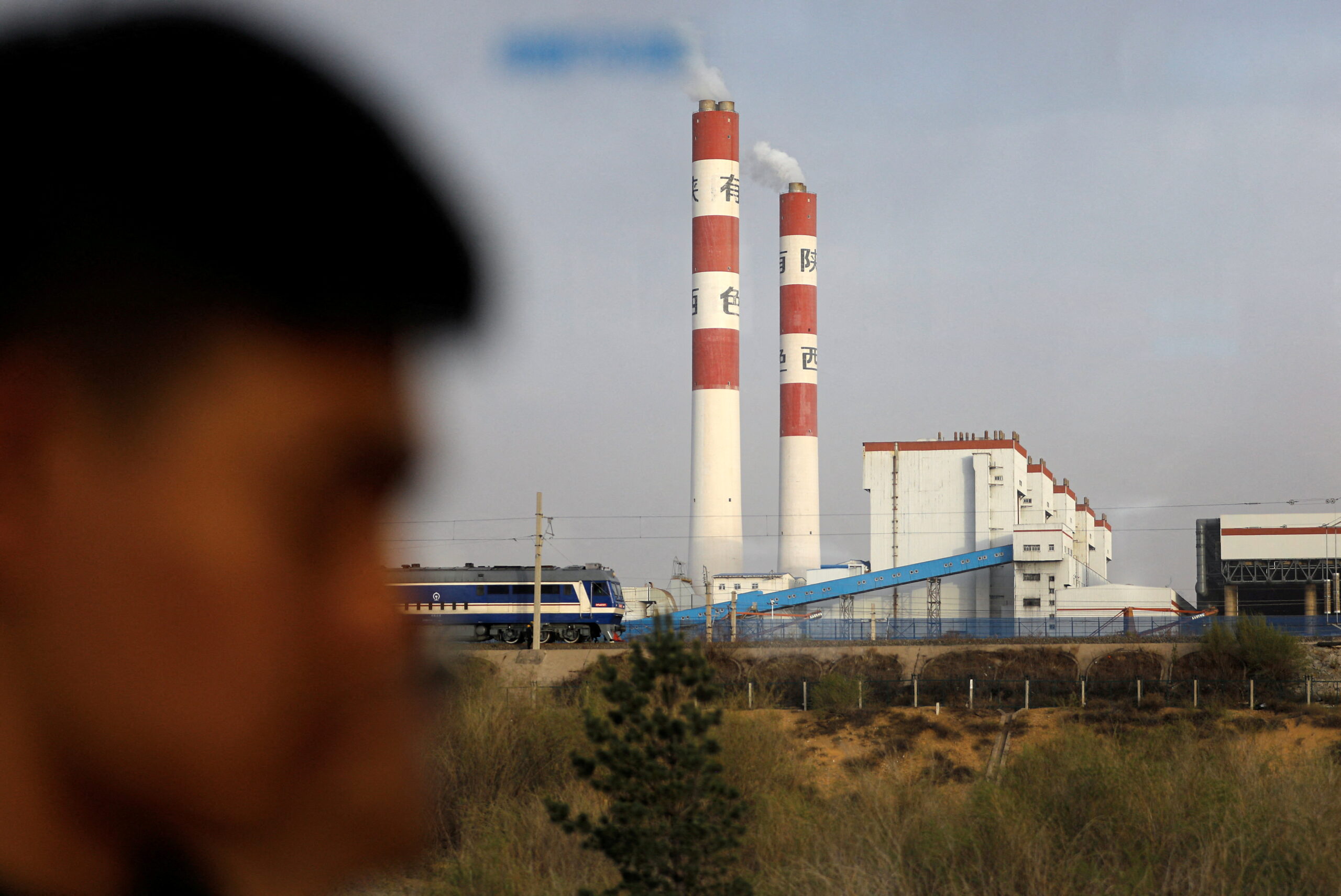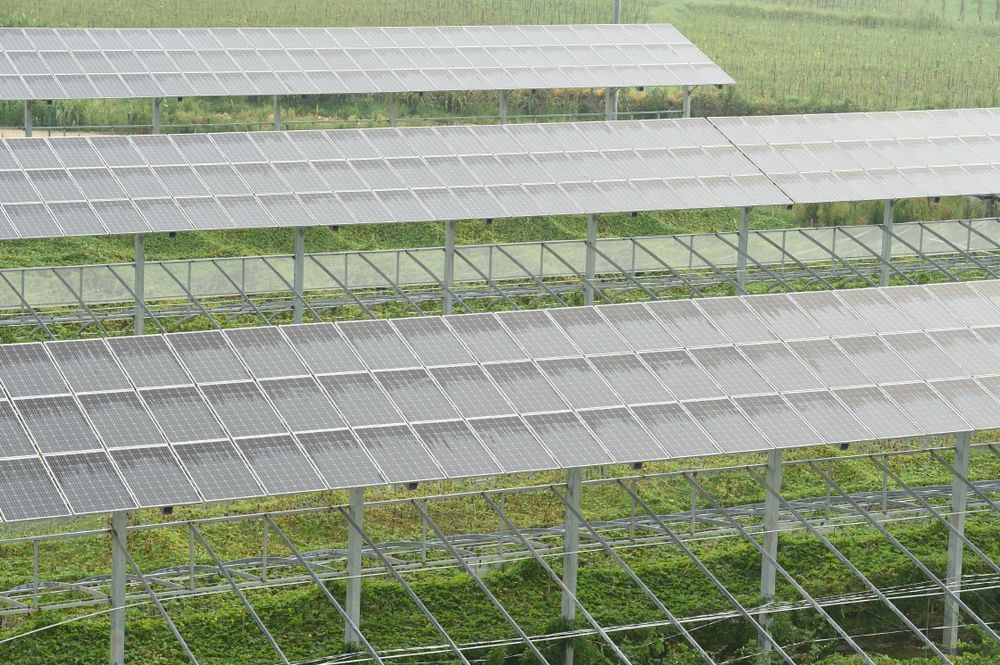
China's systematic approach to energy development and massive infrastructure investment has provided a compelling example of strategic foresight for the international community amid growing global uncertainties, a senior Russian executive said.
Over the past few decades, the world primarily viewed energy as a matter of resources, technology and markets. However, recent events have demonstrated that geopolitical conflicts, disrupted trade routes, surging power demand, and accelerating technological competition have made energy security a critical pillar of national resilience, said Igor Sechin, CEO of Rosneft.
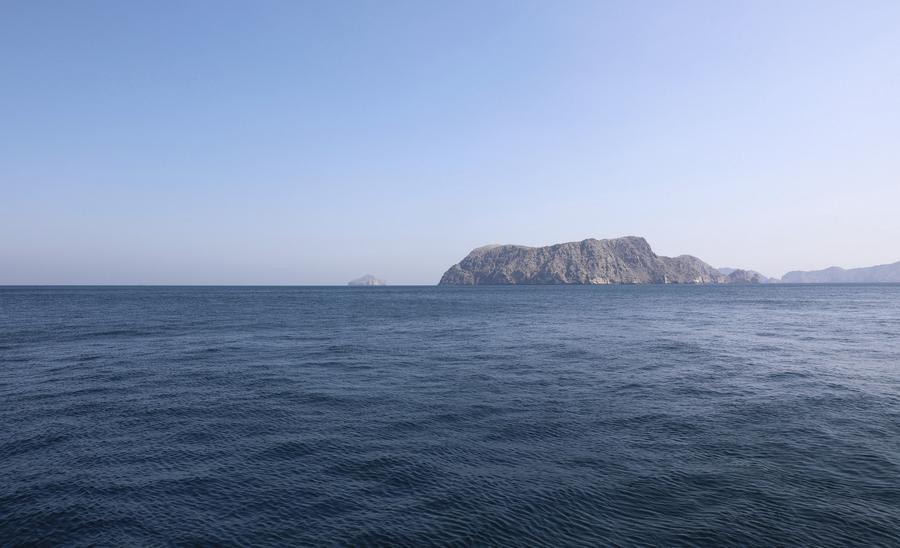
The vulnerability of global energy markets has been starkly exposed by recent tensions in the Strait of Hormuz. Serving as a veritable "artery" in the global shipping system, the strait plays a crucial role in global oil and liquefied natural gas supplies.
According to the US Energy Information Administration, the daily transport volume of crude oil and petroleum products through the strait is estimated to have been around 20 million barrels in 2025, with an annual energy trade value approaching $600 billion.
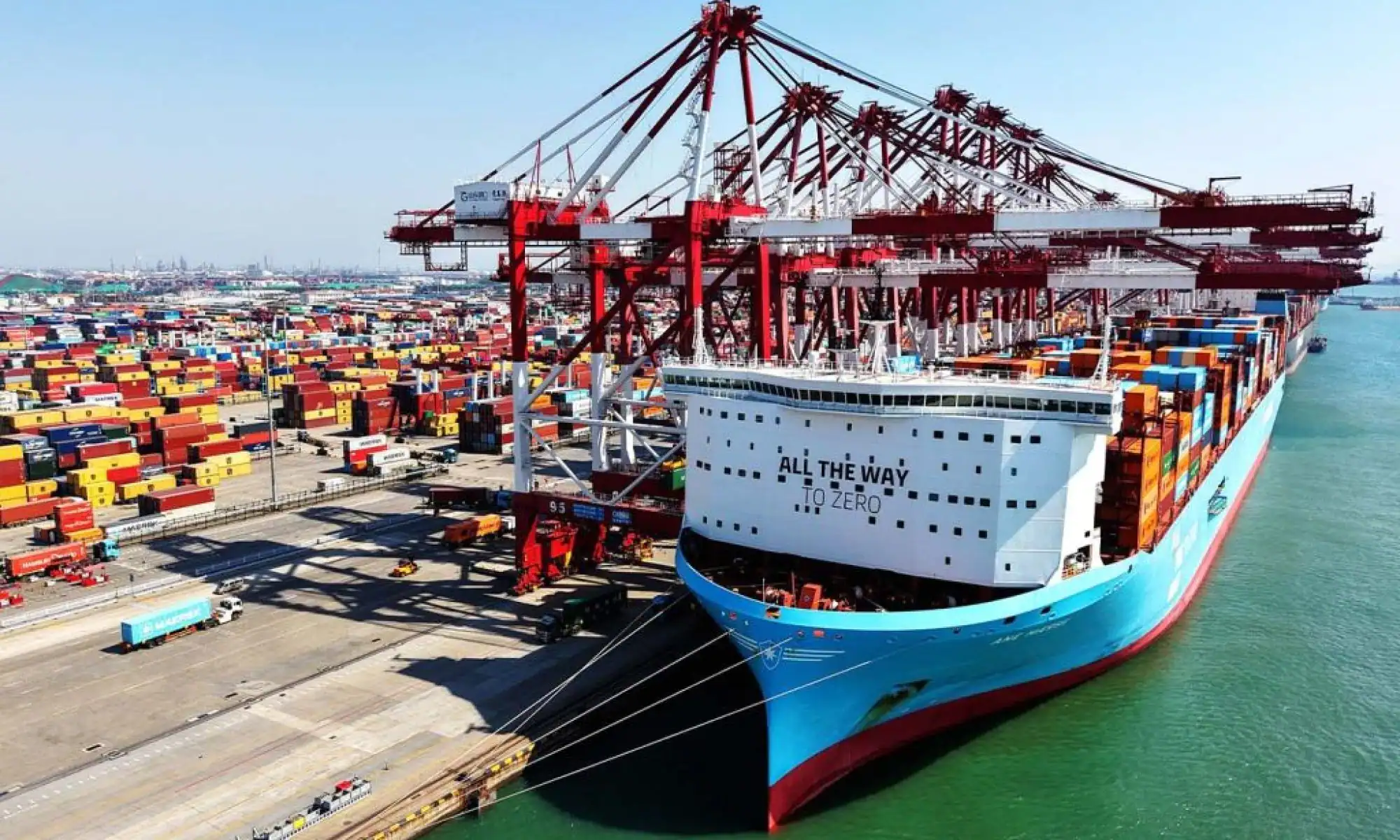
However, following recent military strikes by the United States and Israel on Iran, the security of this strategic chokepoint has dropped to freezing point. Surging fuel prices have directly driven up operating costs worldwide. Vincent Clerc, CEO of Danish shipping giant Maersk, warned that these price hikes "will be passed on to our customers and to consumers".