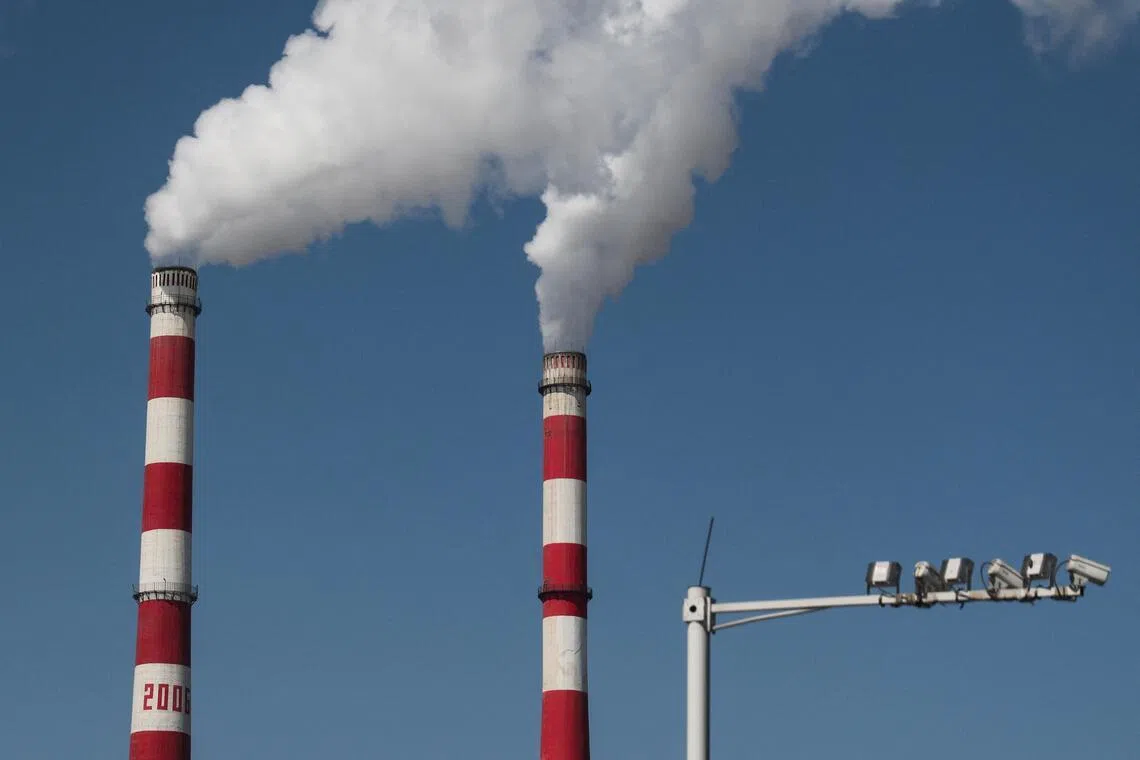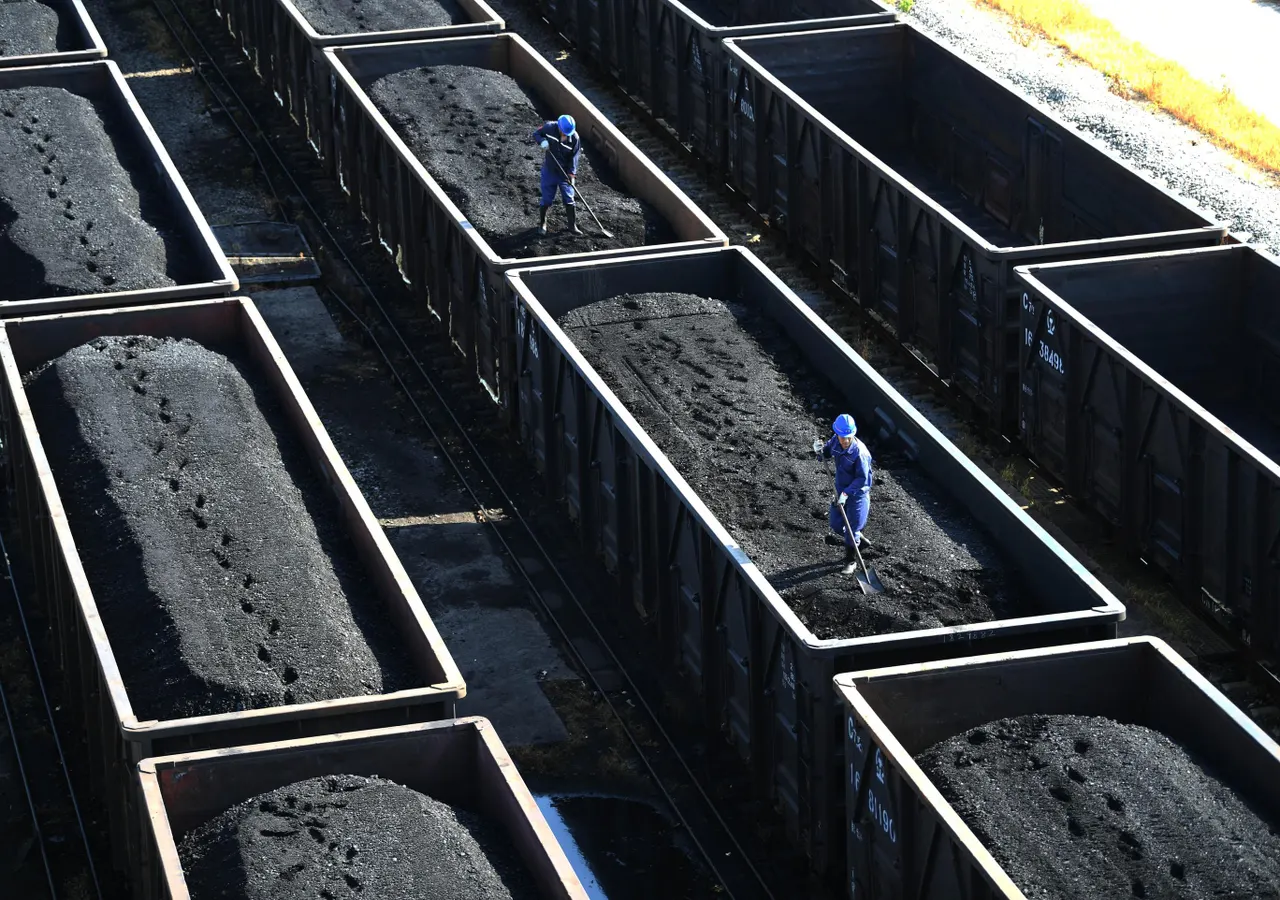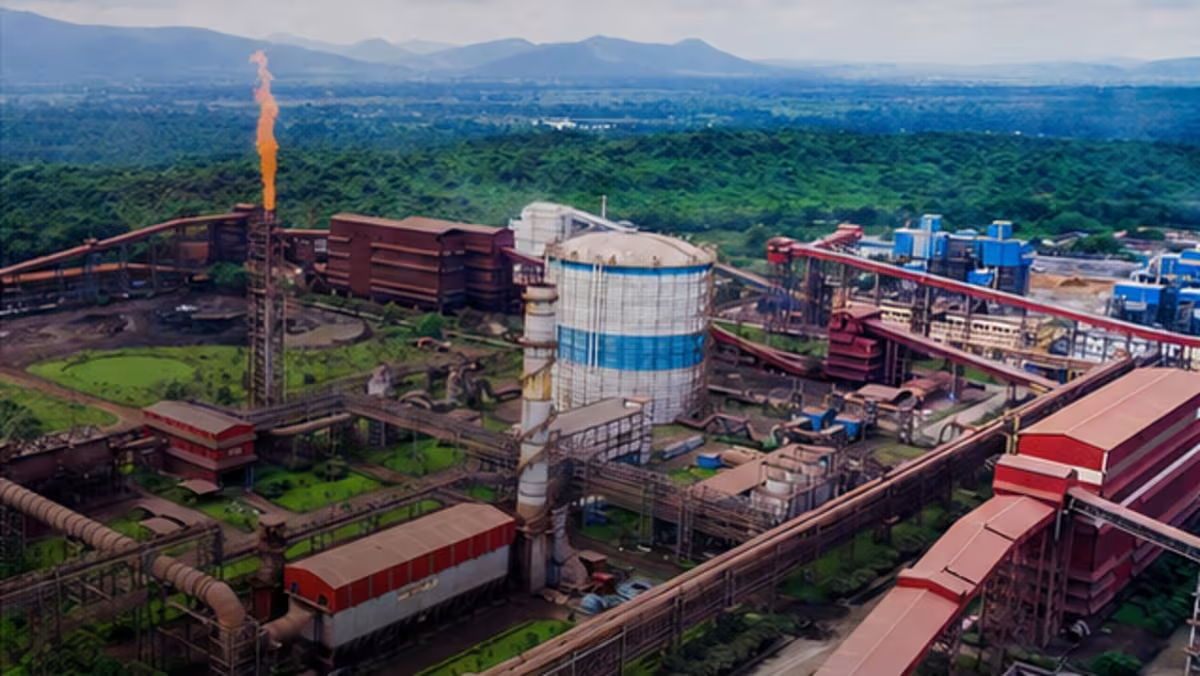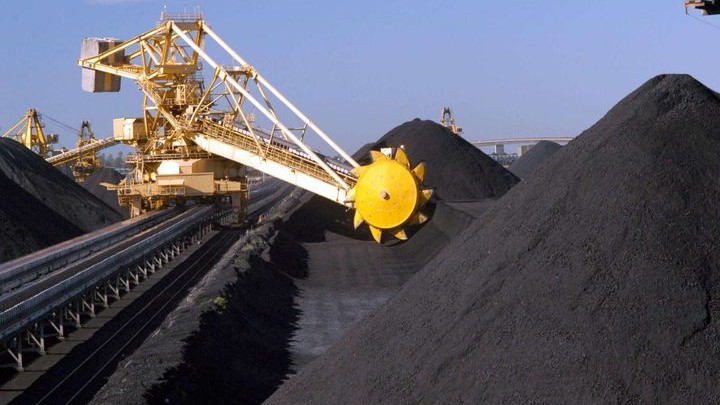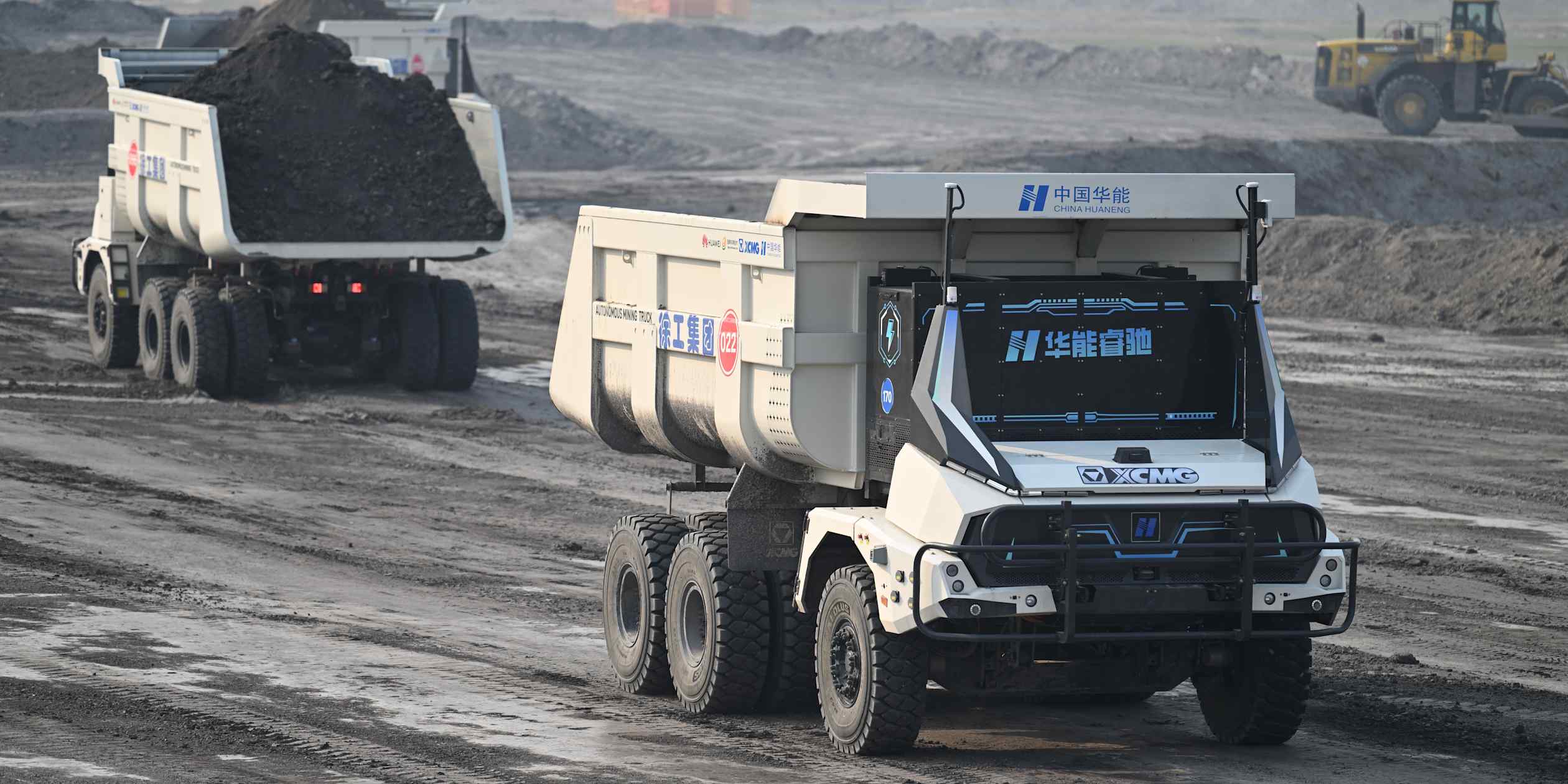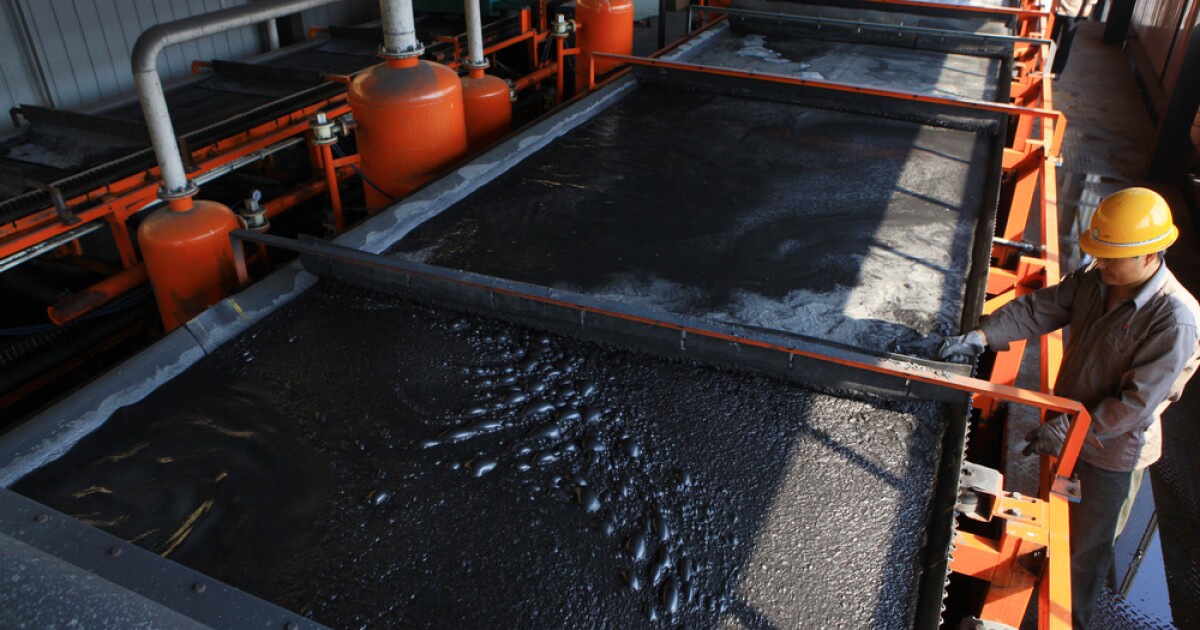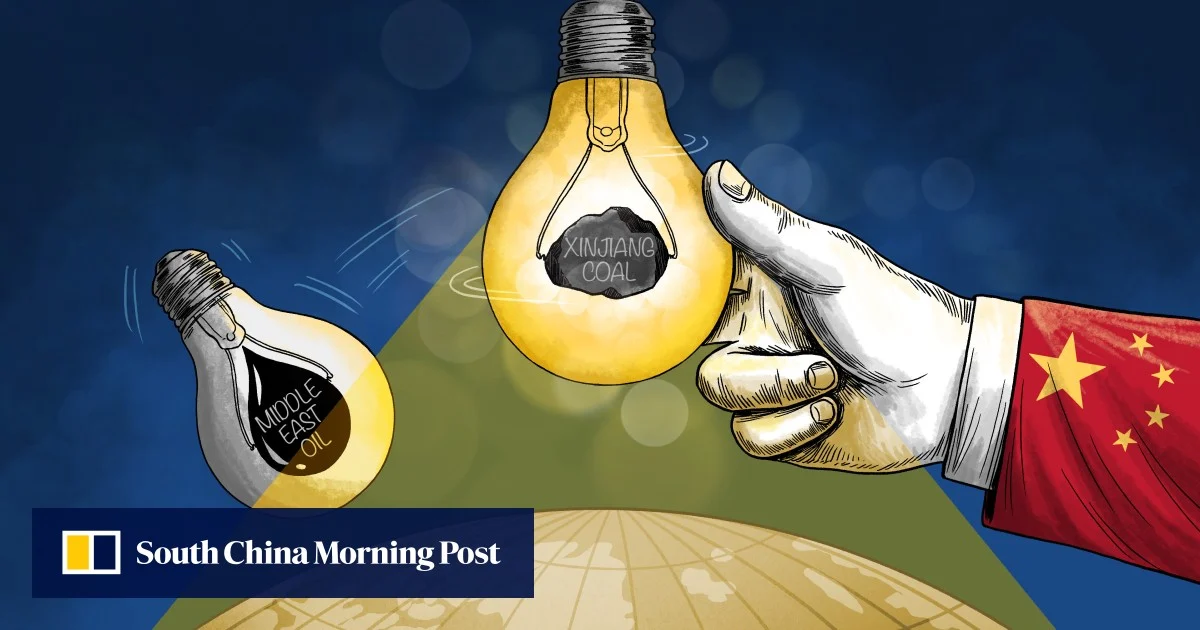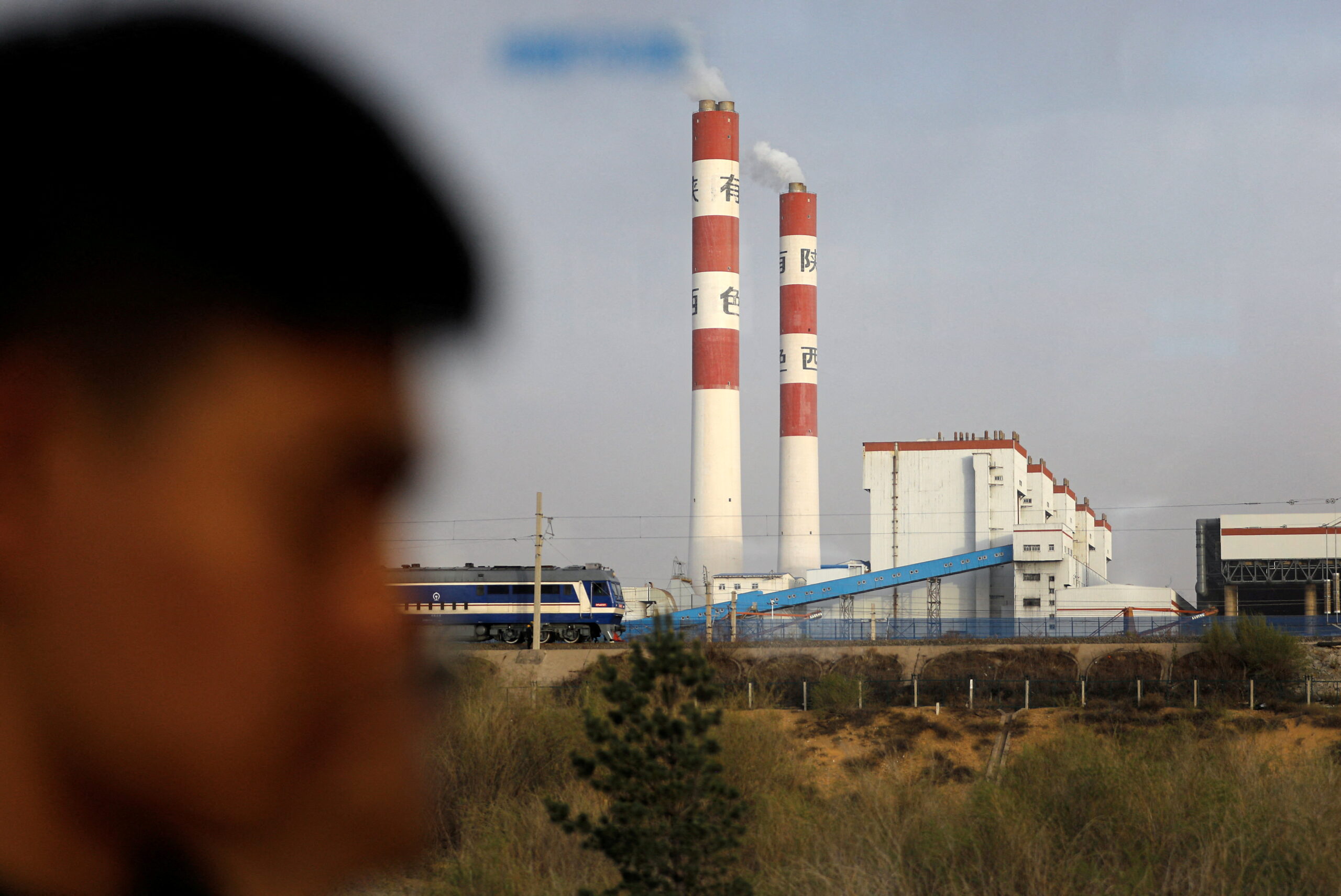
Aiqun Yu, Christine Shearer and Joe Hittinger work at Global Energy Monitor, a US-based organisation that seeks to provide the worldwide energy transition with transparent data and analysis.With global oil and gas prices soaring at the start of the Iran war, China quietly broke ground on three major coal-to-gas and coal-to-chemical projects worth roughly $10 billion in two regions with abundant coal resources.But as a Chinese saying goes, “three feet of ice does not form in a single day”. China’s push to use coal as a substitute for imported oil and gas has been gathering momentum since the Russia-Ukraine war began in 2022, prompting a recalibration of energy security priorities in Beijing and beyond.The policy raises new concerns, threatening China’s climate goals and growing reputation as a global clean energy leader by creating renewed demand for coal.A new expansion waveOver the past three years, China has entered a new cycle of investment in so-called "modern coal chemicals", differentiated from conventional coal chemicals. Four pathways - coal-to-gas, coal-to-liquids, coal-to-olefins, and coal-to-ethylene glycol - account for the bulk of new modern coal-chemical capacity under development.
China's coal-chemicals boom risks repeating the mistakes of the past
By reviving the problematic industry in the name of energy security, China runs the risk of higher emissions, stranded assets and setting back its ambitions as a clean energy leader
TL;DRAI
China began three $10B coal-to-chemicals projects to hedge energy security, rolling back climate commitments amid geopolitical pressure. Asia's rising energy costs will inflate data-center budgets and increase supply volatility for tech enterprises.
183 words~1 min read