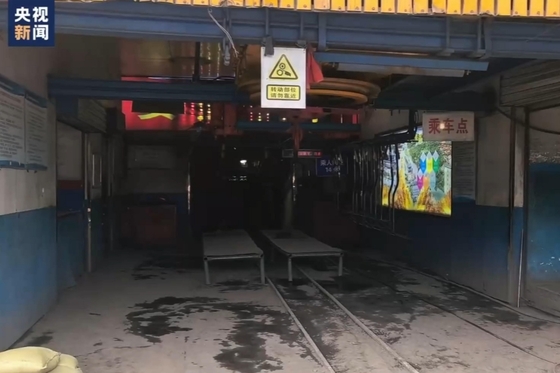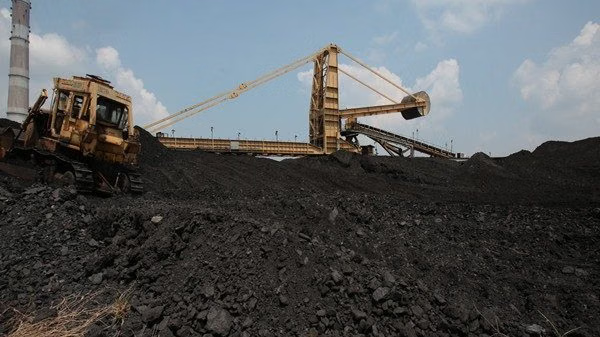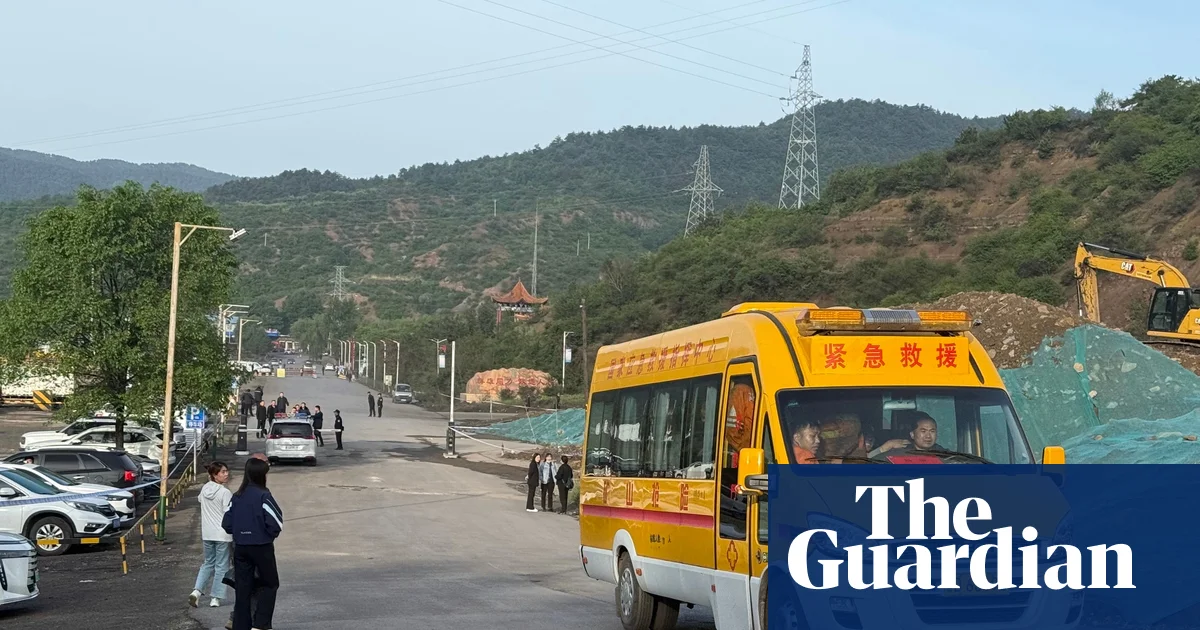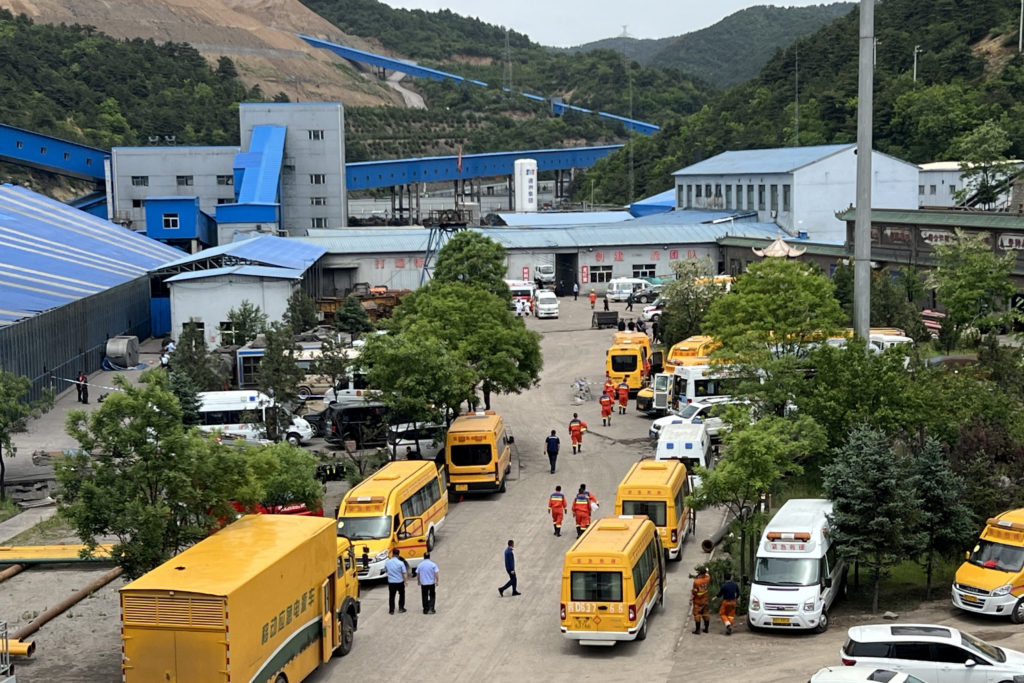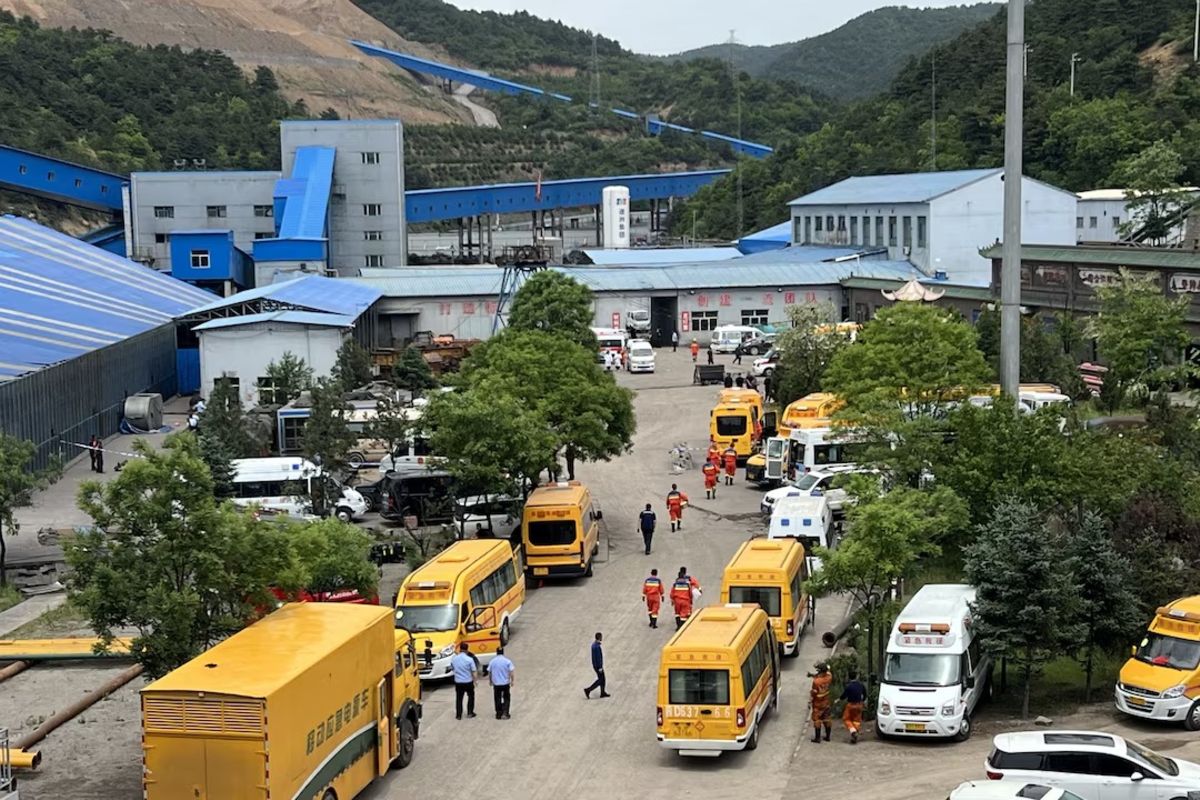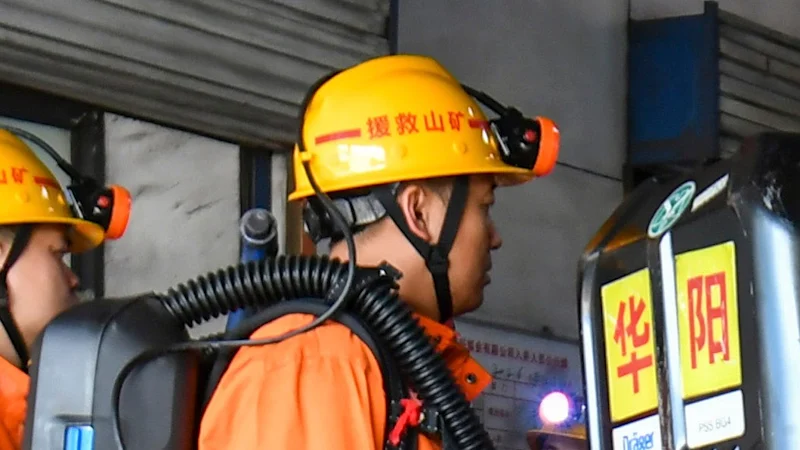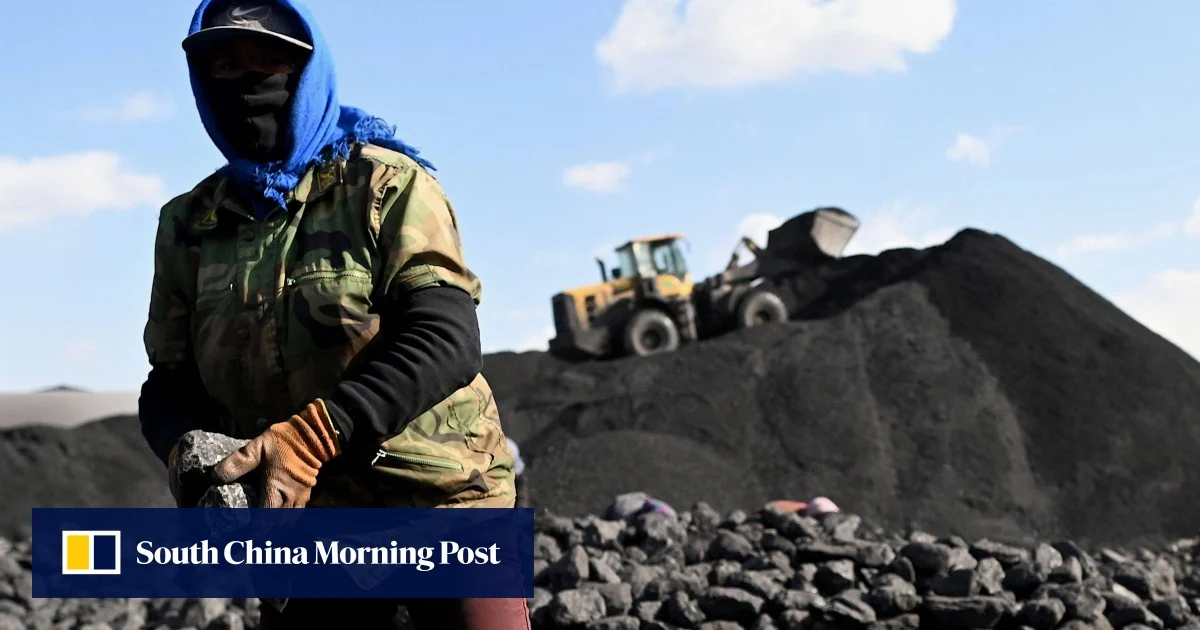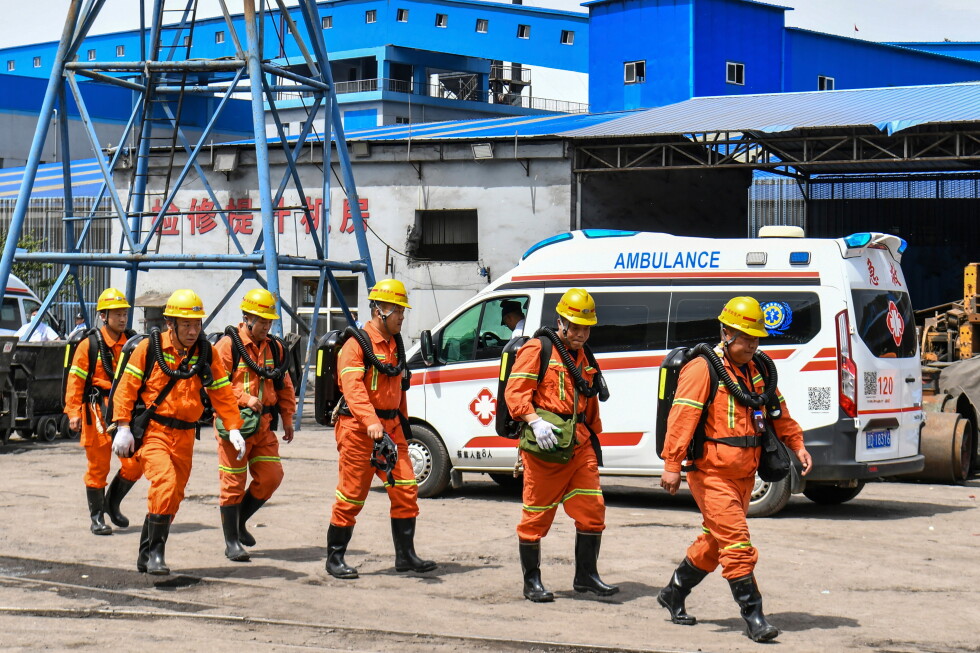
China's world-beating coal production has helped shield its economy from the worst of the Iran war shock. Now the deadliest mining disaster in years is raising questions about the cost of that drive.The privately owned Liushenyu mine, in the coal-belt region of Shanxi, produces mostly coking coal, meaning it would probably supply steelmakers, not power plants. It produced a fraction of the region's annual total.But Friday night's blast, which left at least 82 dead, is already prompting a response which belies the scale of that operation.The accident has triggered a vast rescue operation with hundreds of emergency workers, promises of an "uncompromising" investigation and an intervention from President Xi Jinping and senior officials. An immediate increase in scrutiny is almost certain - potentially threatening overall coal output in the near term, power generation and Beijing's efforts to prioritise energy security.Such high-profile mine incidents tend to trigger "nationwide safety inspections and heightened enforcement," said David Fishman, a Shanghai-based principal at The Lantau Group. "This has been the pattern in the past and it's reasonable to expect it again this time, because of the size of the accident and the immediate strong statements from the central government, including Xi himself."Preliminary investigations suggest "serious violations" at Liushenyu, according to state broadcaster CCTV, citing comments from local officials. Regional authorities have already launched wider inspection and remediation efforts targeting risks at coal mines, including gas, water hazards and roof conditions, the Shanxi Daily reported on Sunday."Every accident serves as a wake-up call," an editorial in the state-run People's Daily newspaper said on Sunday. "We must completely reverse the tendency to prioritise development over safety and focus on post-incident responses rather than routine prevention."
China mine blast tests limits of Xi's energy push
A devastating mine blast in Shanxi, China, has claimed over 80 lives. This tragedy is now prompting a nationwide safety review. The incident highlights concerns about prioritizing production over safety in China's coal sector. Authorities are launching extensive inspections, signaling a potential impact on future coal output and energy security efforts.
279 words~1 min read