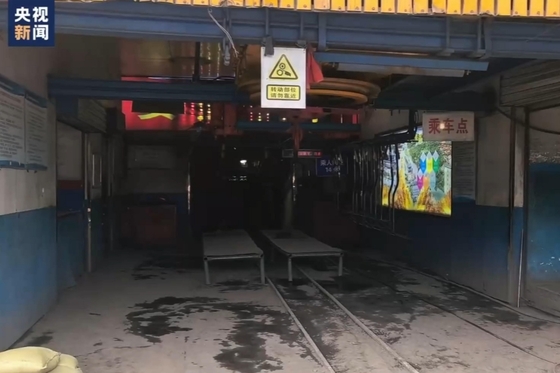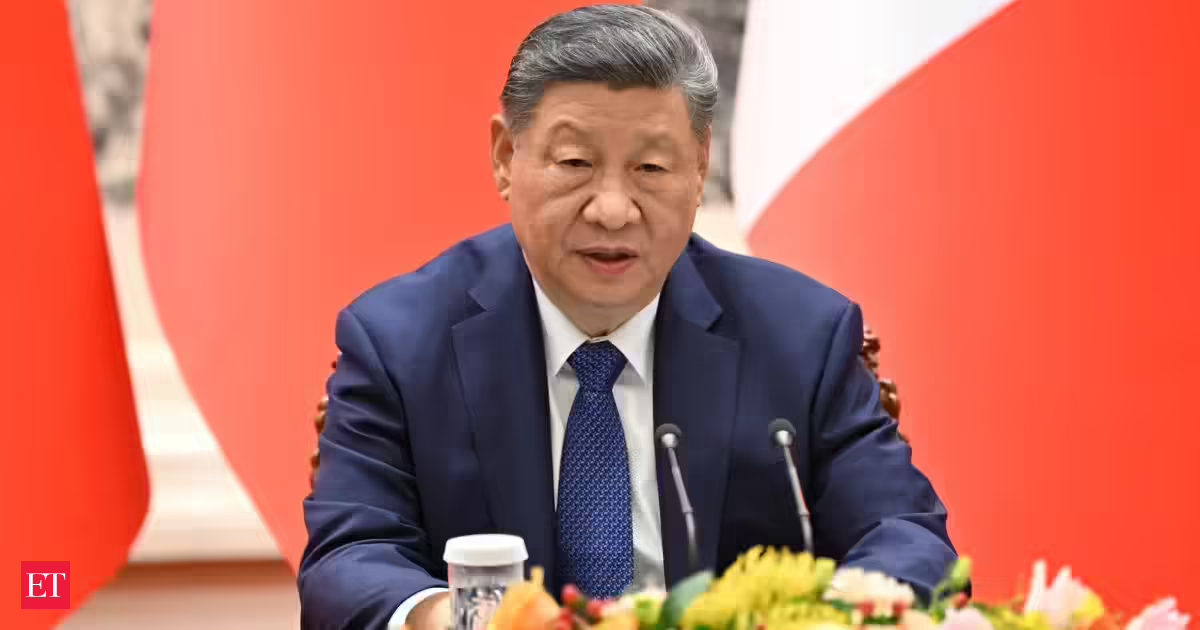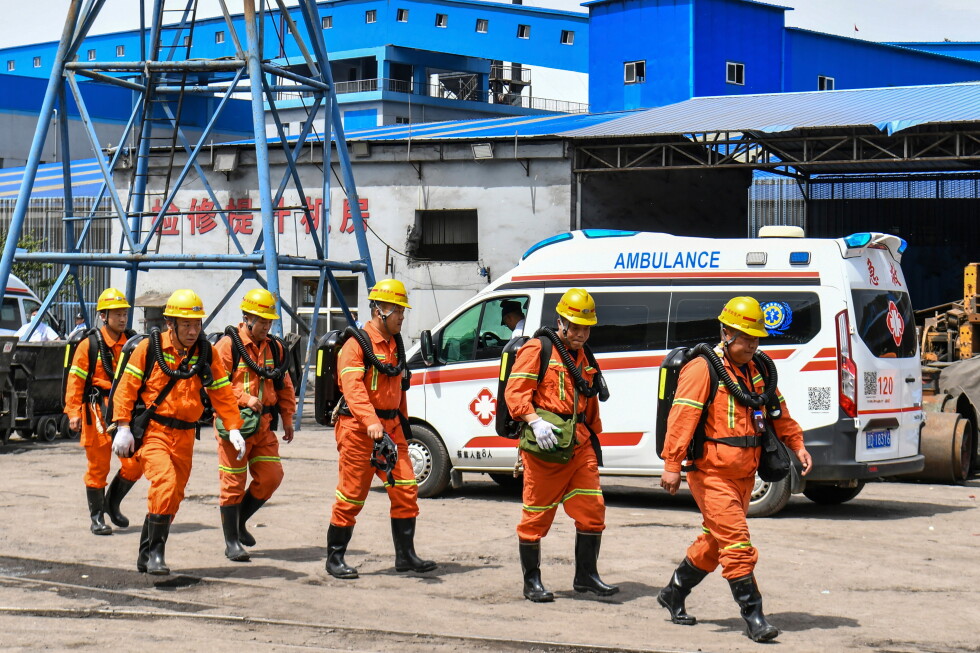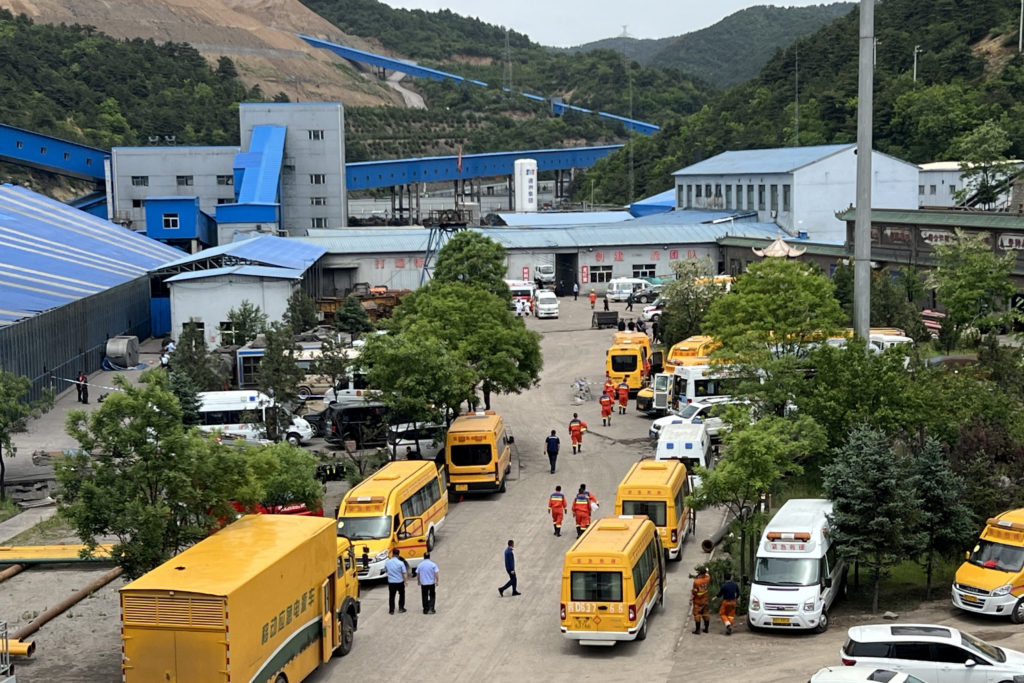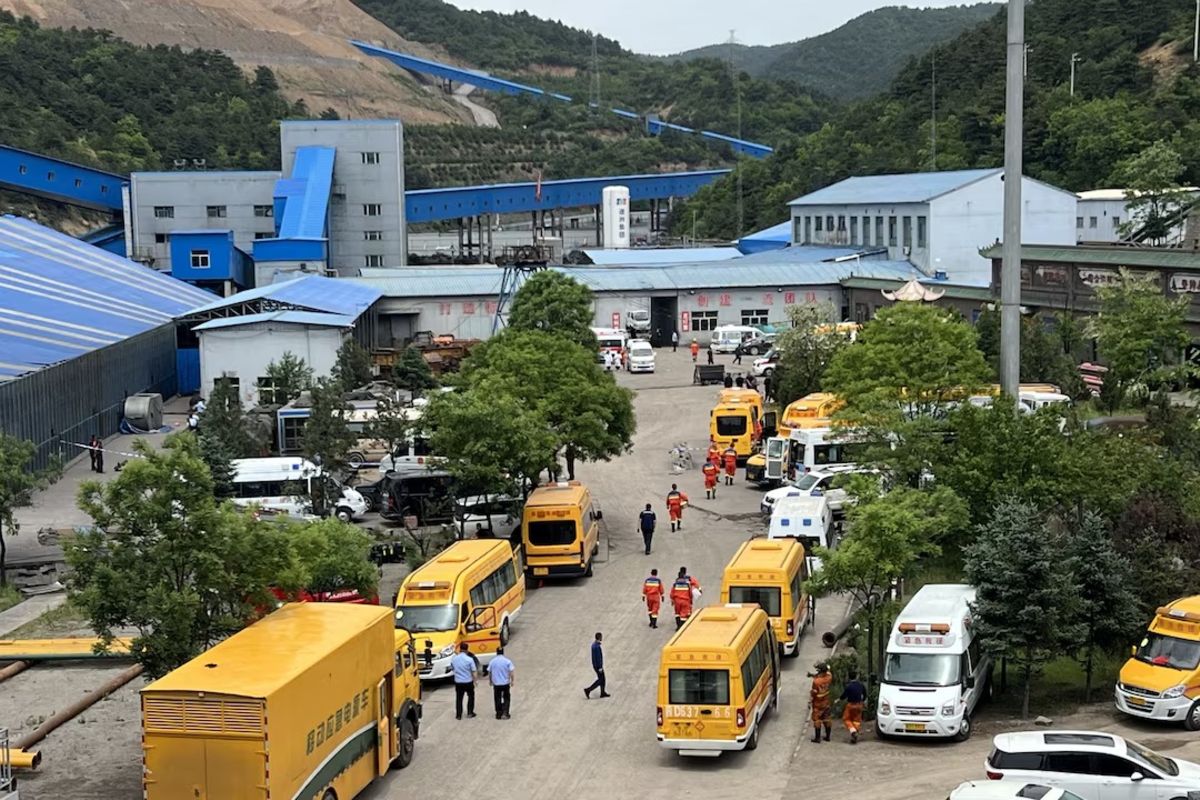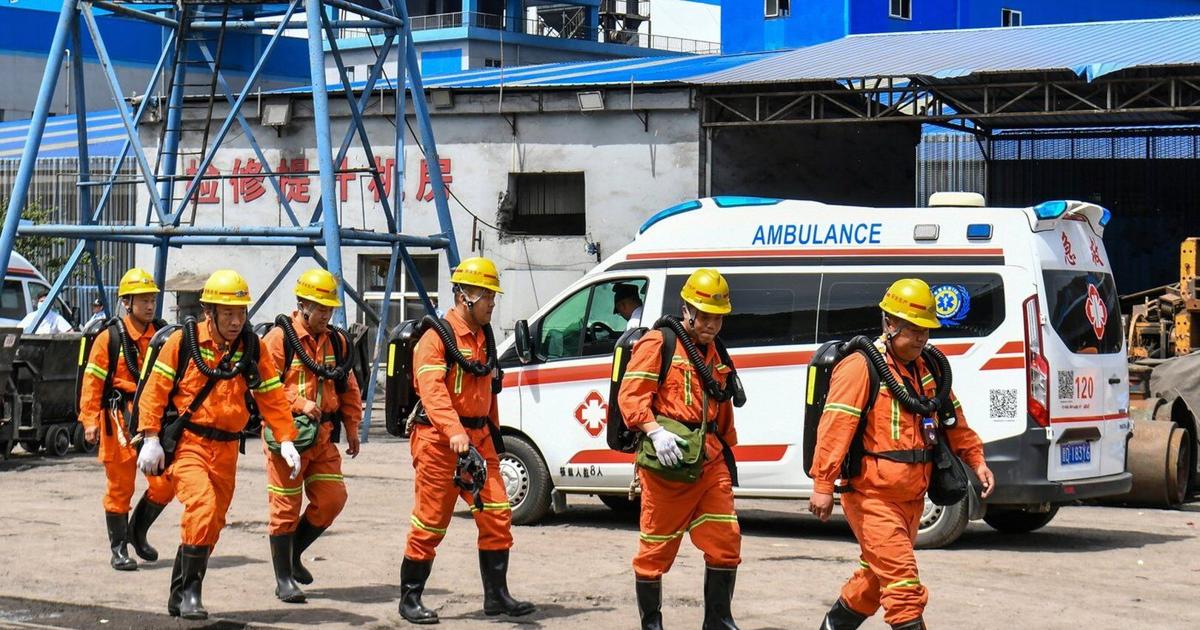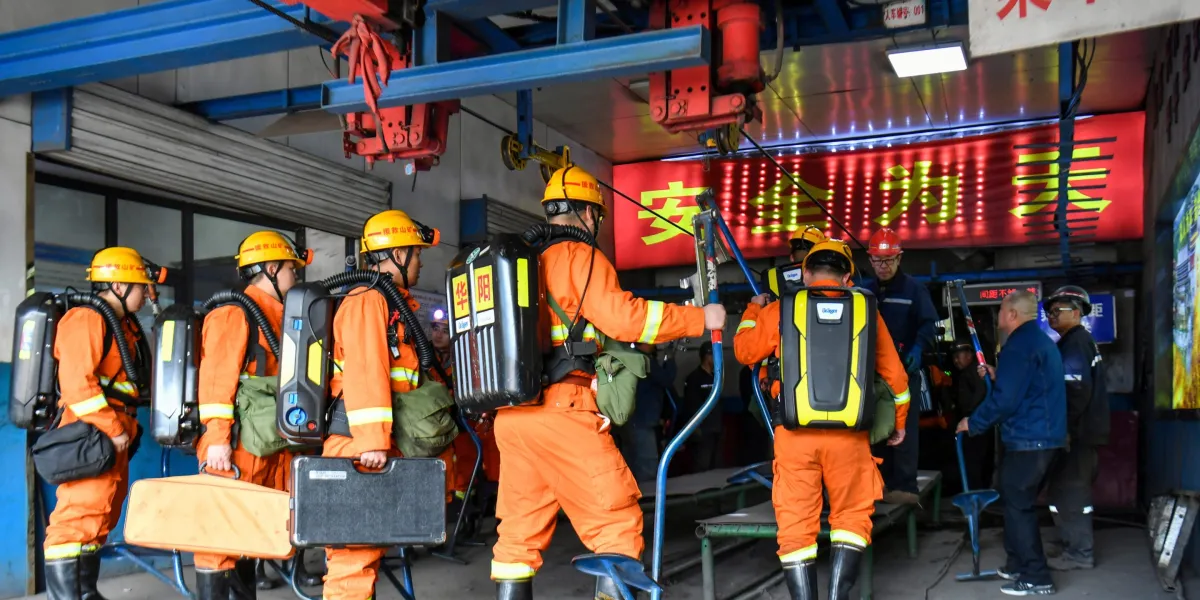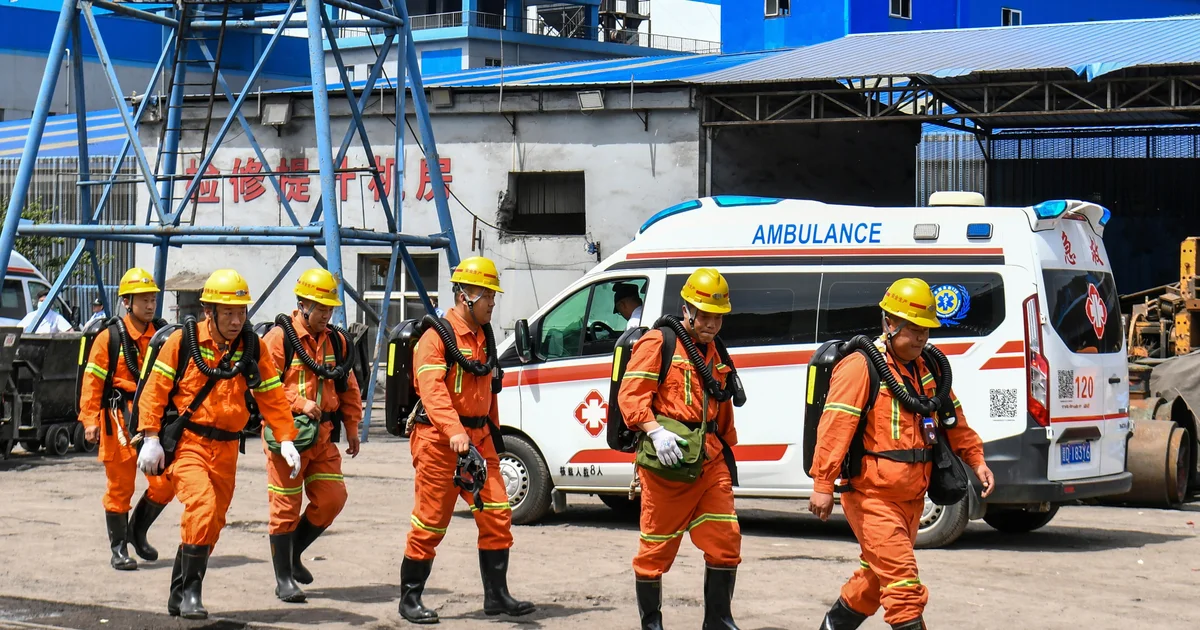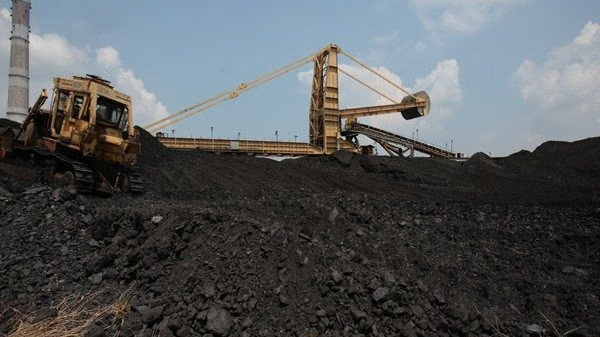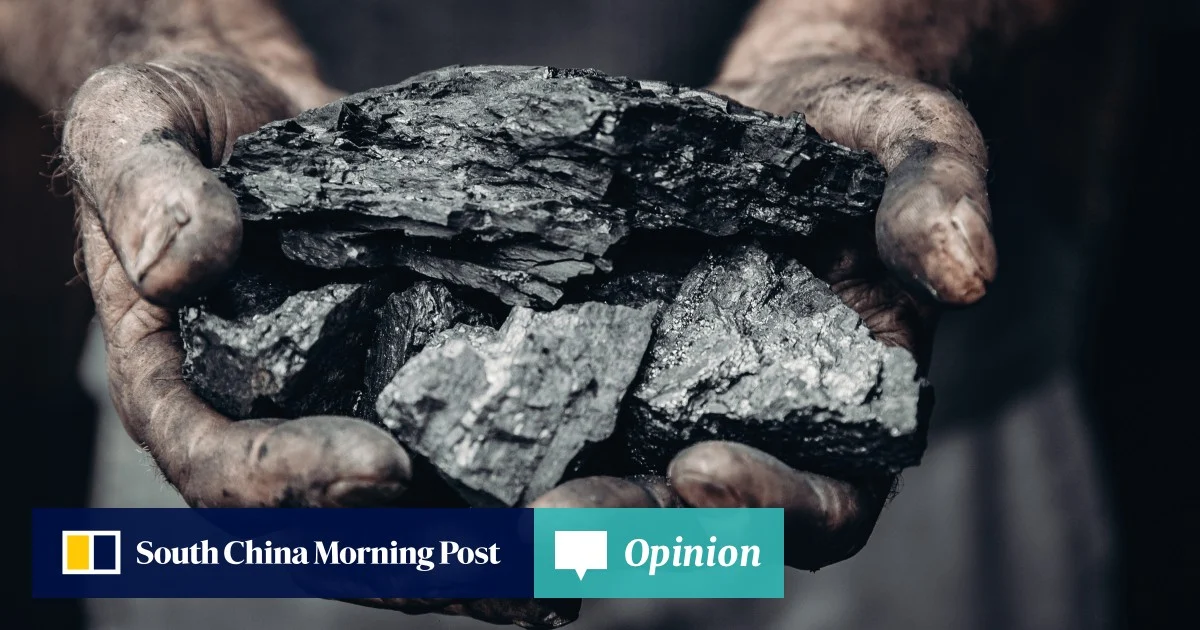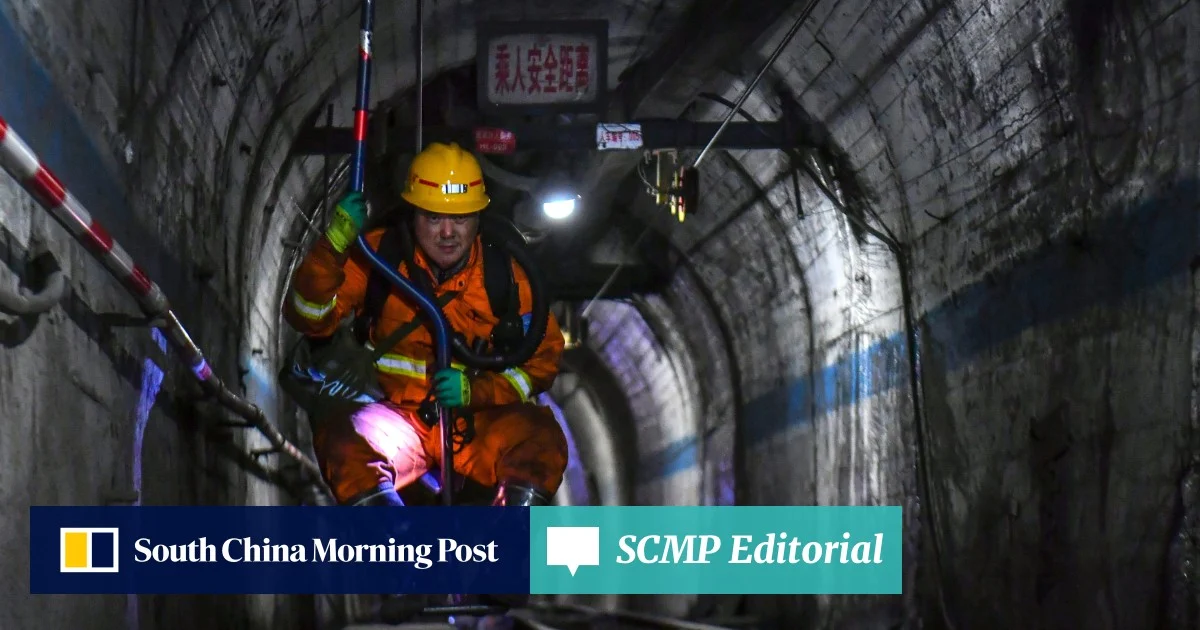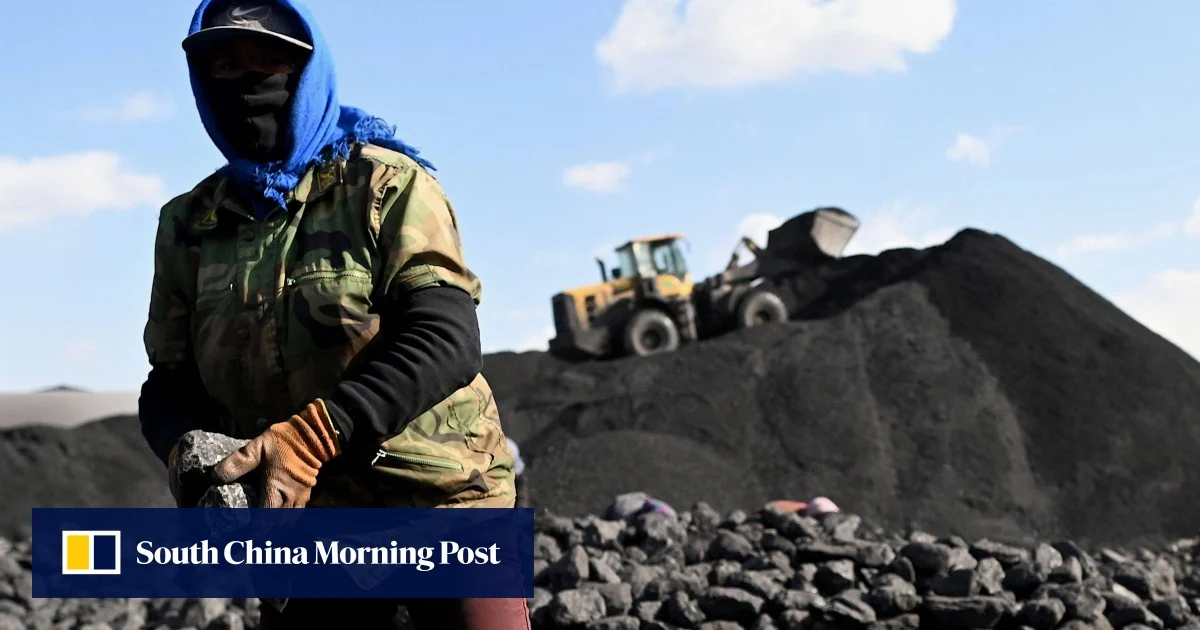
Shanxi, China’s top coal-producing province, has attempted to rebrand from a polluting, high-risk mining hub into a cultural and tourist destination. However, the country’s deadliest mining accident in nearly two decades has cast a shadow over this image.On Friday, a devastating gas explosion at the Liushenyu Coal Mine in Shanxi killed at least 82 people. The disaster, which industry insiders said was a result of systemic safety failures, has drawn attention to the safety, governance and regulatory challenges plaguing the coal sector.A day before the accident, provincial leaders announced at a meeting about Shanxi’s next five-year development plan that the province would “steadily and in an orderly manner advance its transformation and development”.Shanxi Governor Lu Dongliang said the province would accelerate its energy transition, promote the upgrading of traditional industries, and foster emerging and future industries tailored to local conditions.He highlighted the need for the province to tap into more advantageous sectors – such as non-coal minerals, agriculture, culture and tourism, healthcare and the environment – to turn its strengths in raw energy and resources into sustainable development.Shanxi, which holds roughly a quarter of China’s total coal reserves, has long played a vital role in fuelling the country’s industrialisation and economic rise.
Shanxi mine disaster casts shadow over province’s shift from coal to culture
Deadly explosion reveals the hurdles facing the mining hub as it tries to tap into greener sectors such as tourism.
202 words~1 min read