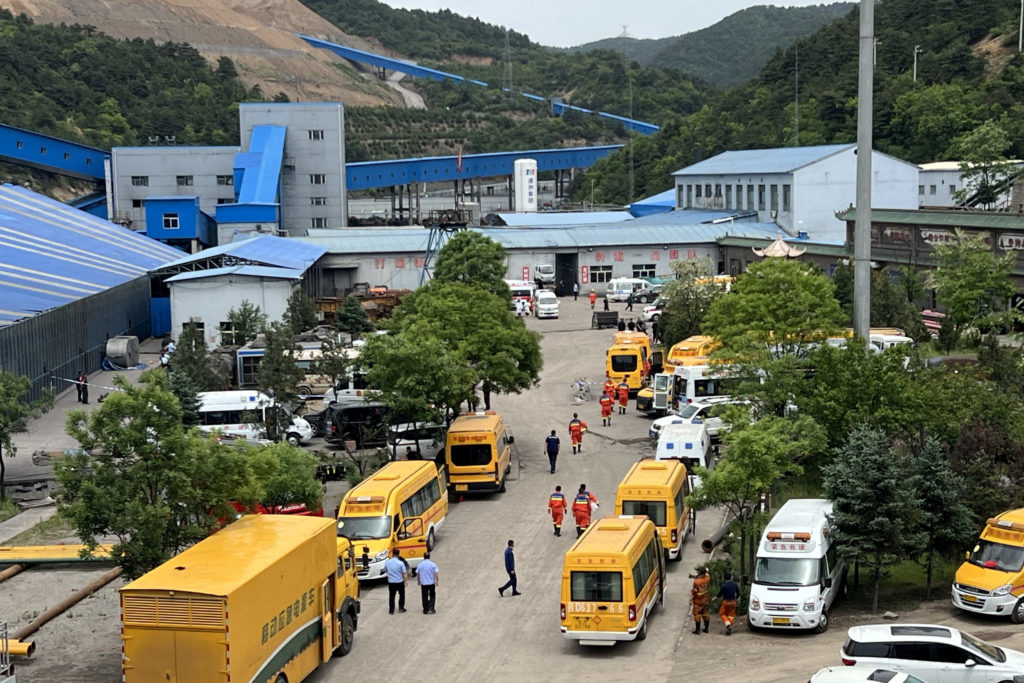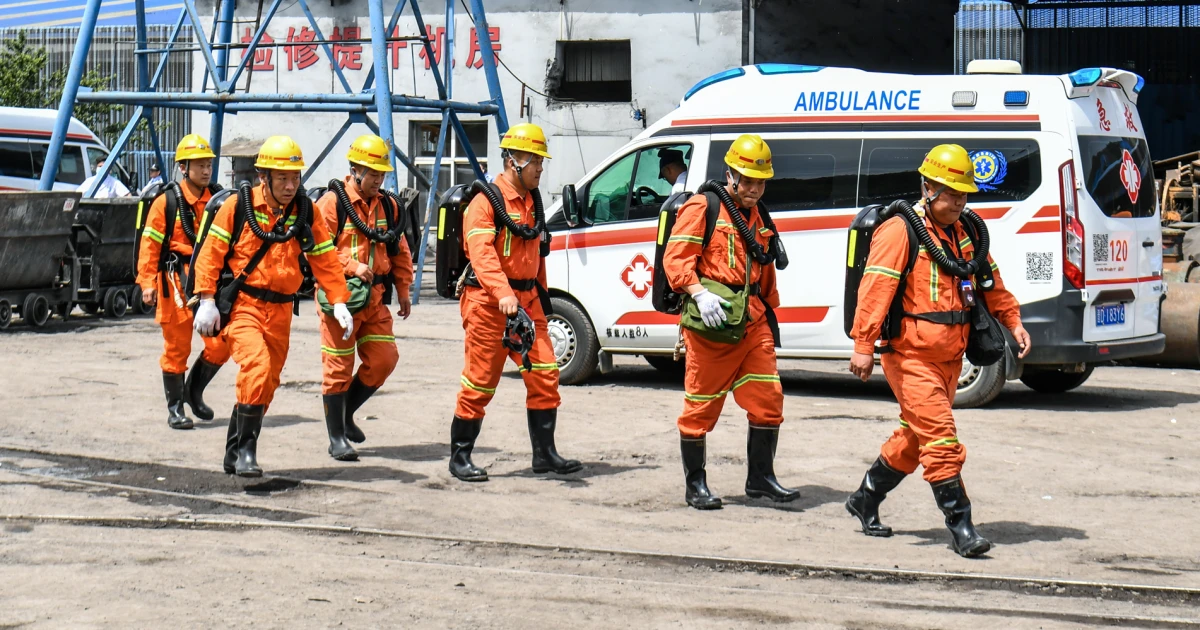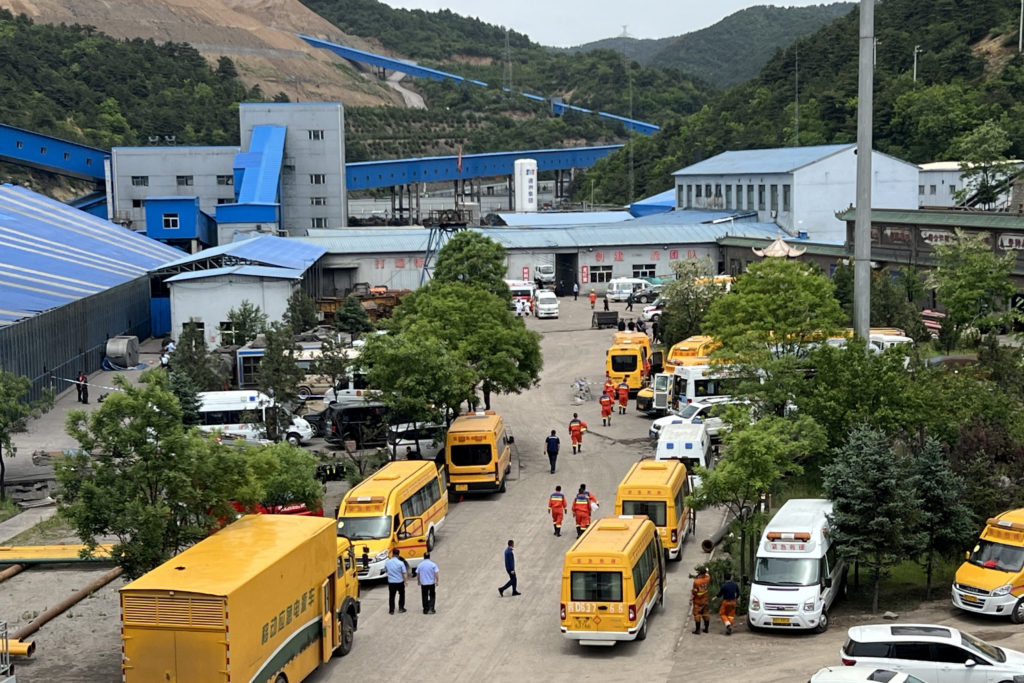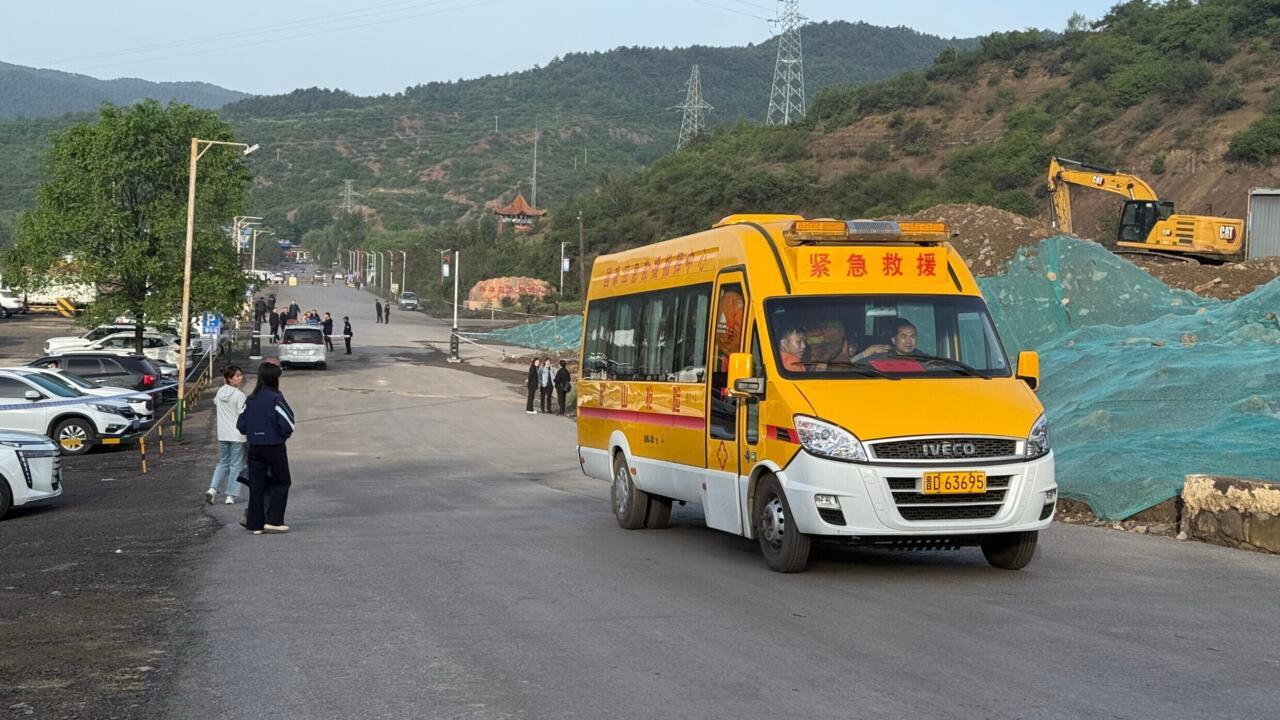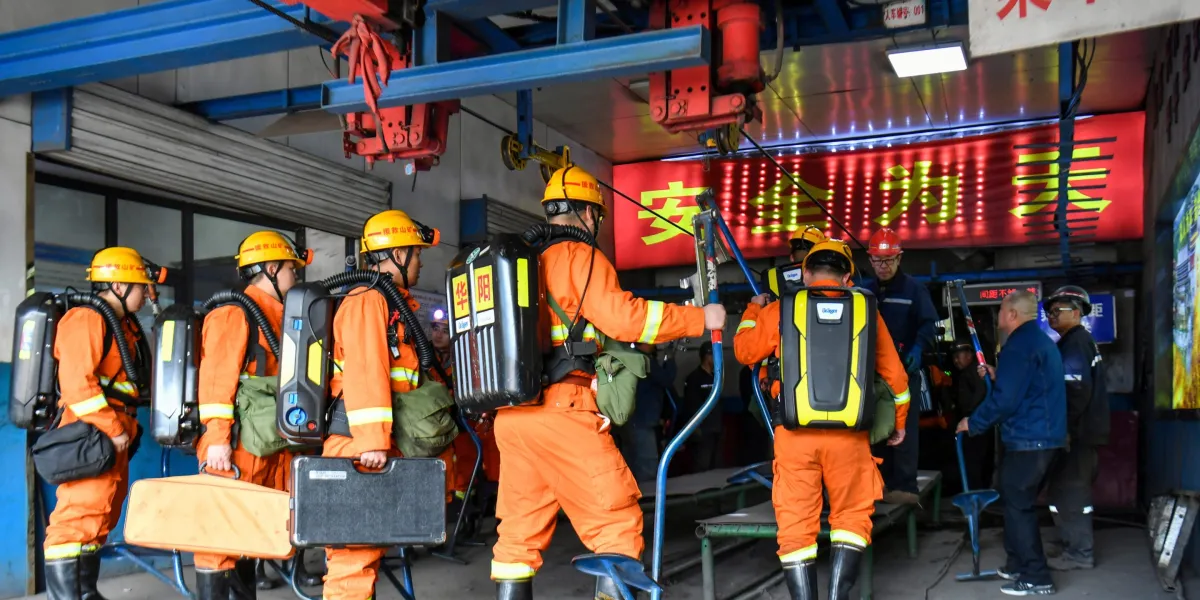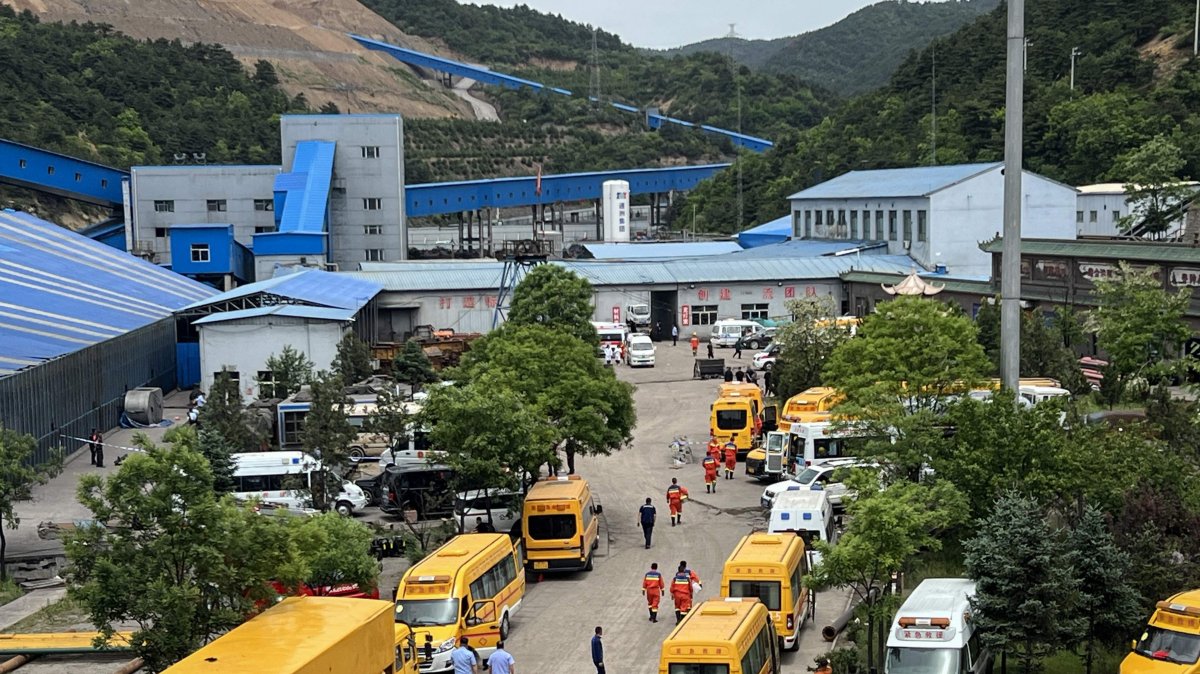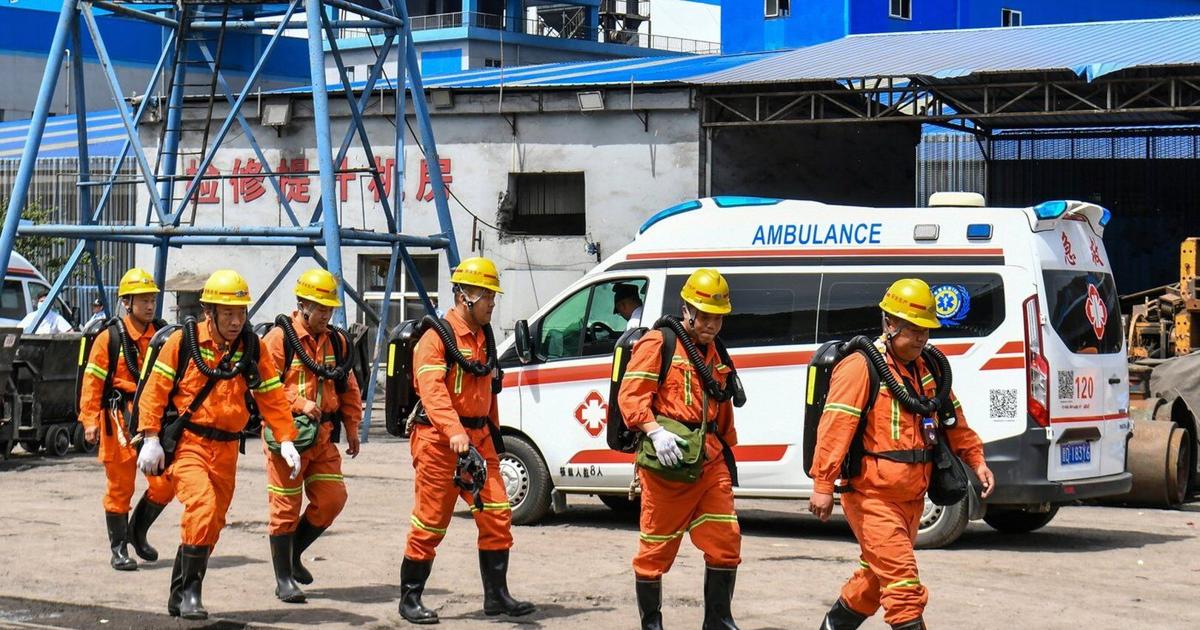
The causes of a gas explosion at a coal mine in China’s Shanxi province are under investigation and officials with the company were detained following the nation’s deadliest such incident since 2009, state media said.
Authorities at a briefing late Saturday lowered the death toll to 82 from an earlier estimate of 90. They said two people remain missing and 128 are hospitalized after Friday’s blast, according to Xinhua. Rescue efforts continue.Chinese President Xi Jinping urged stronger risk inspections and hazard controls, and called for heightened vigilance during the current season, when heavy rain and floods are more common. Premier Li Qiang echoed the directives, seeking transparent information disclosure and tighter enforcement of safety responsibilities across key sectors, Xinhua News Agency reported.
China’s State Council investigation team will conduct “a rigorous and thorough investigation to fully ascertain the causes of the accident, clarify the responsibilities of local authorities, industry regulators and the company, and impose severe penalties in accordance with laws and regulations,” Xinhua reported.The investigation team also called for a nationwide review of mining safety measures and a crackdown on illegal practices, including hidden work sites, falsified monitoring data, unclear worker counts, and improper subcontracting.Vice Premier Zhang Guoqing was sent to Shanxi to oversee the emergency response efforts, including search and rescue, medical treatment and handling of the aftermath, Xinhua reported. He urged authorities to verify the number of missing workers and prevent secondary casualties.China has dramatically reduced coal mining fatalities in recent years, but the vast industry continues to juggle competing priorities. The government has pushed output to a record to meet energy security demands, even as safety officials crack down on over-stressed facilities and blame mine owners and operators for accidents.The mid-sized Liushenyu mine, owned by Shanxi Tongzhou Coal & Coke Group, has an annual production capacity of 1.2 million tons of mostly coking coal — a modest sliver of the province’s overall output of 1.3 billion tons a year.