Academia
Renewed US-Iran hostilities and Israel's protracted military campaigns reflect rising risks of a wider Middle East conflict, threatening to trigger severe energy and food crises worldwide.
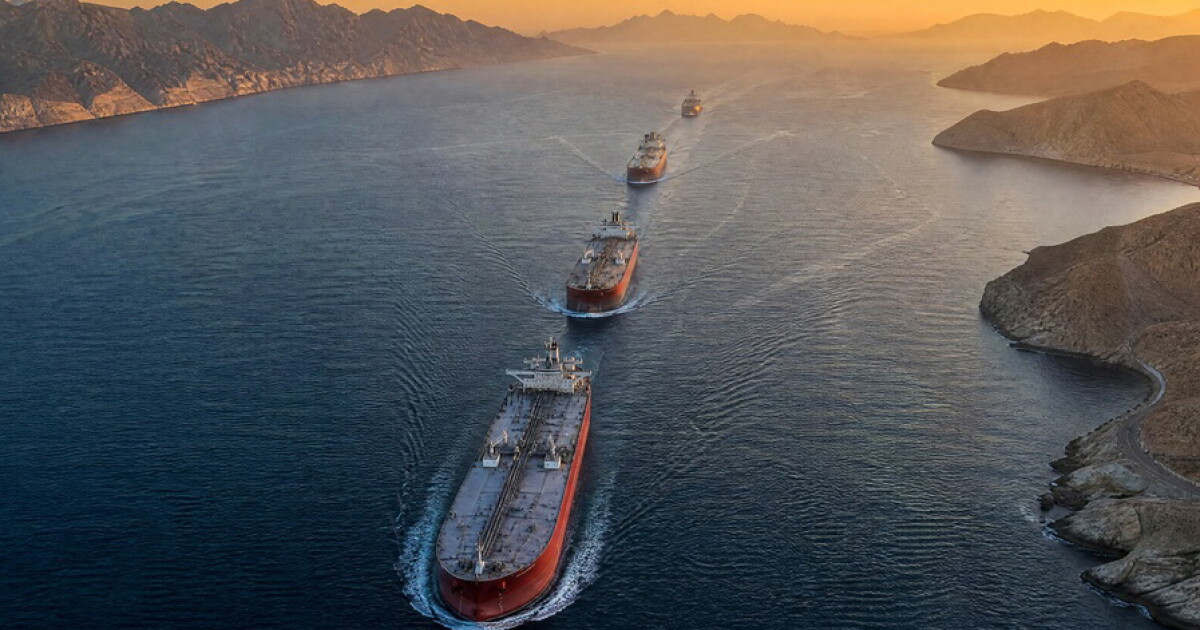
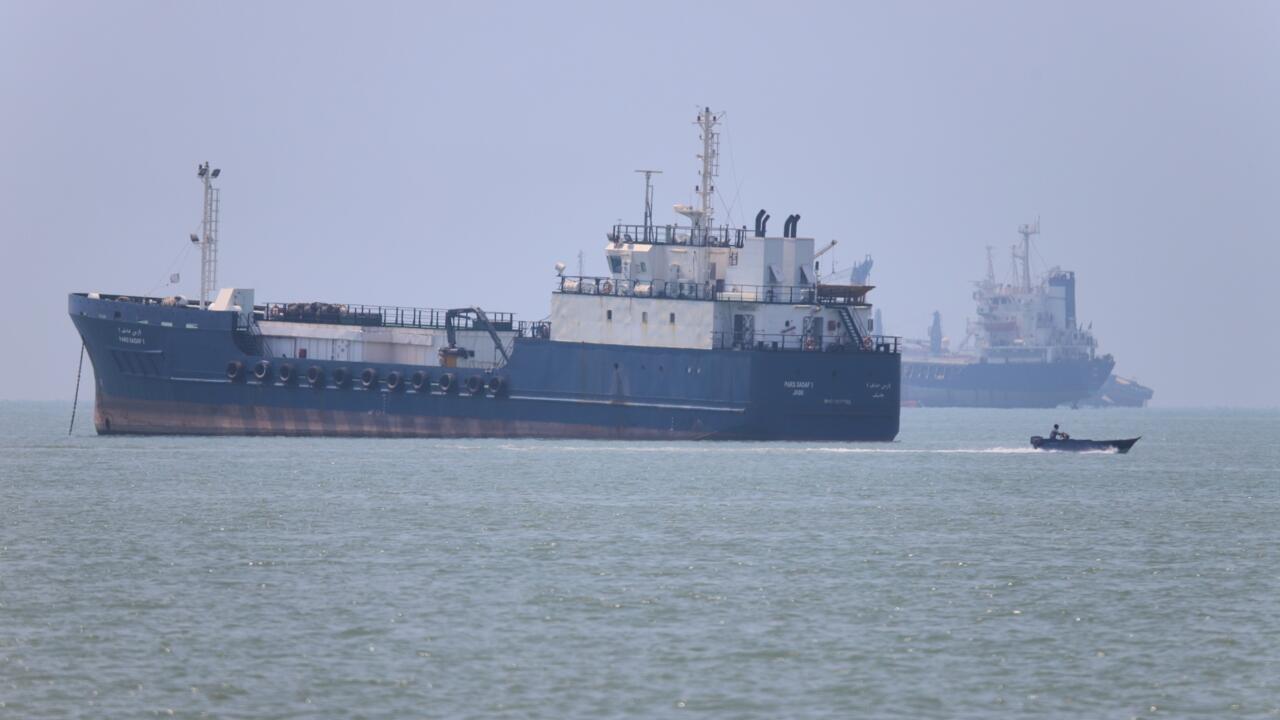
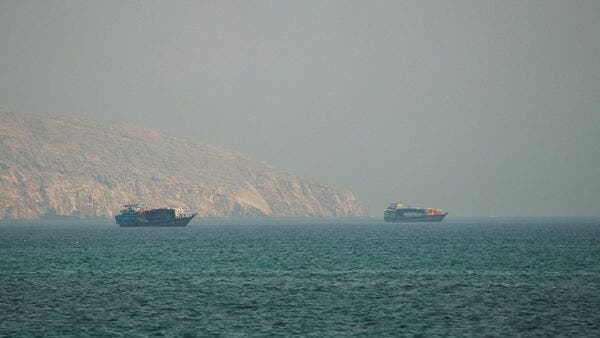
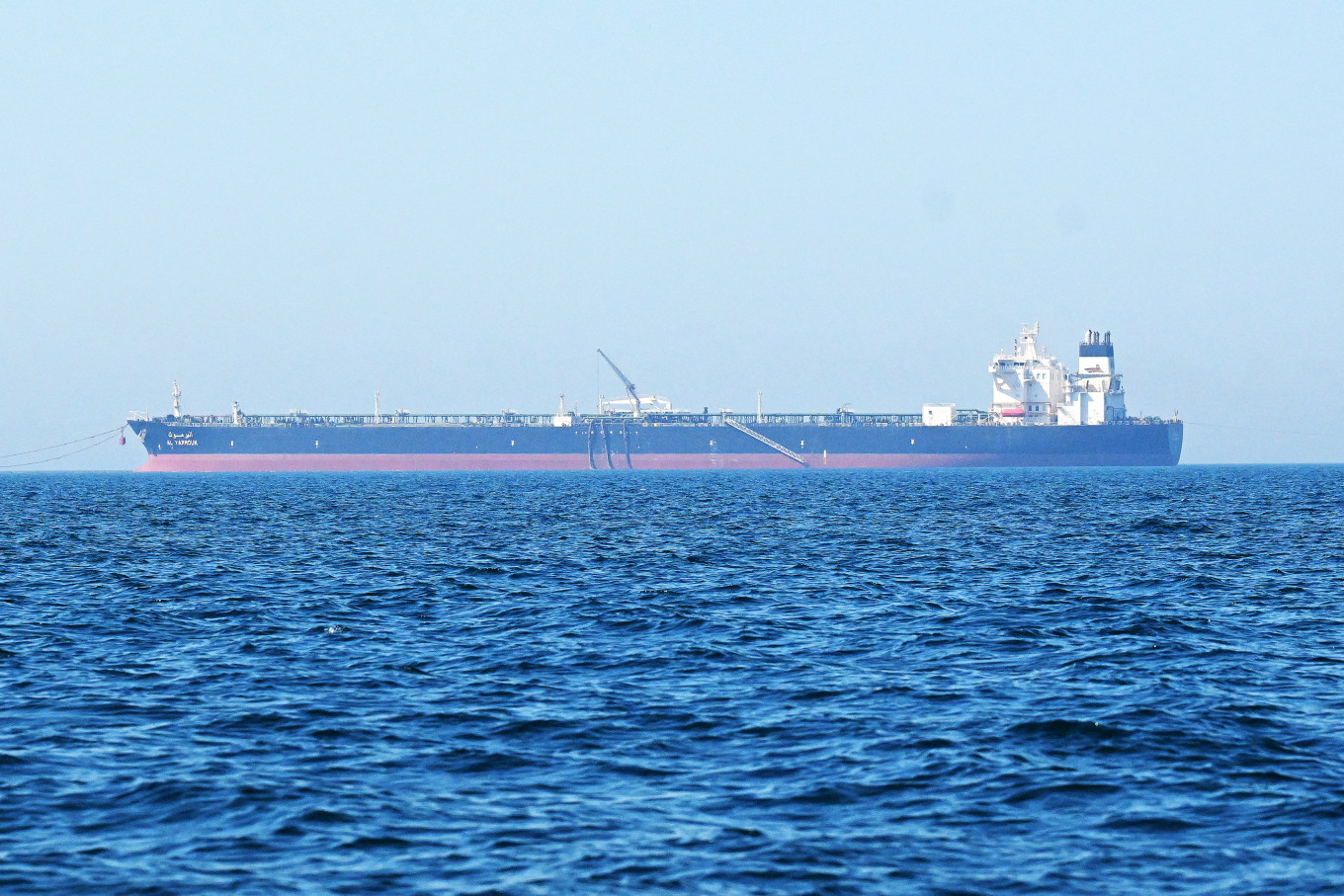
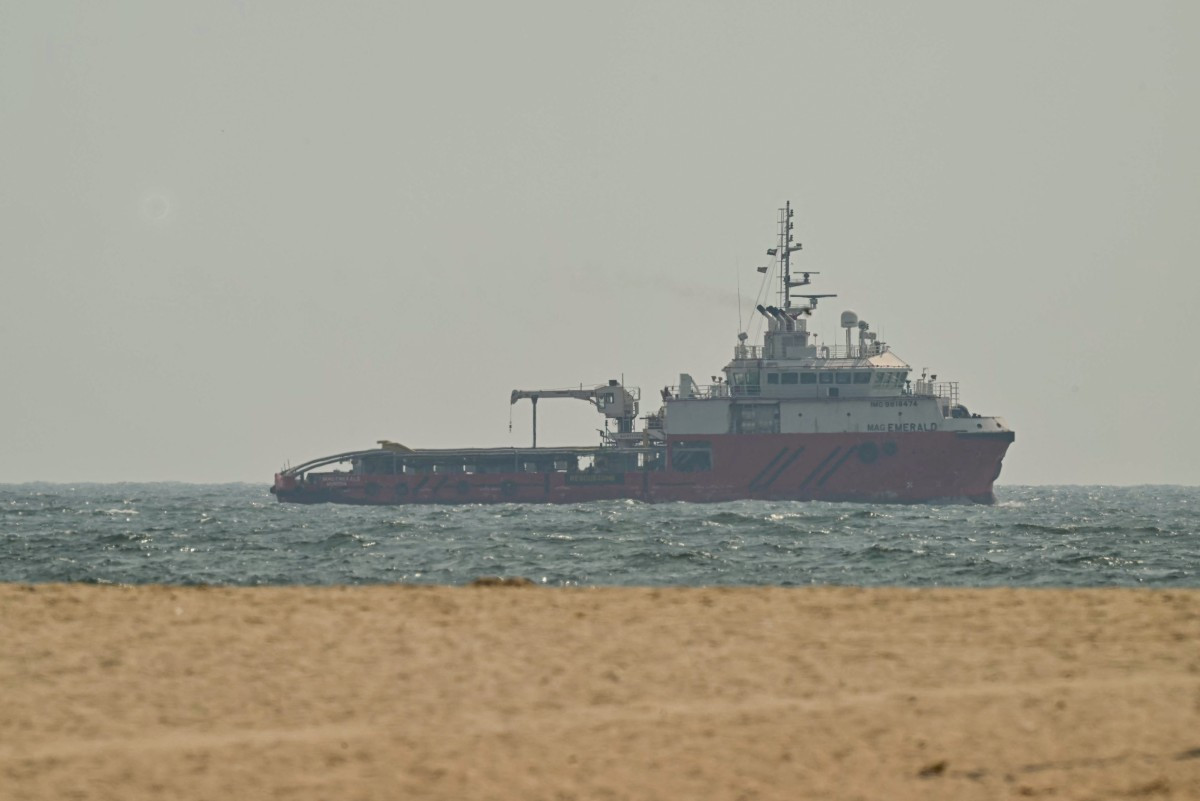
A ship sails off the coast of Ajman on Friday. Traffic through the Strait of Hormuz has fallen sharply since Wednesday, especially through the United Nations-backed Omani route, analysts said, after vessels were attacked earlier this week and as the United States and Iran traded renewed strikes. (AFP/-)
The United States and Iran exchanged a series of overnight attacks, disrupting previous understandings aimed at preventing outright regional warfare. The deadly exchanges included targeted US strikes against Iranian military infrastructure, subsequent Iranian retaliation against Western interests and regional partners and continuous Israeli military operations.This follows a familiar pattern in Western-led regional interventions. While temporary ceasefires may interrupt active combat, the absence of an accompanying political framework ensures a failure to resolve the structural drivers of the conflict.
The current confrontation has rapidly expanded beyond a bilateral US-Iran dispute. It now intersects with a complex, interconnected web of regional crises: the devastation in Gaza, accelerating displacement and settlement expansion in the West Bank, intense conflict in Lebanon and persistent volatility in Syria.