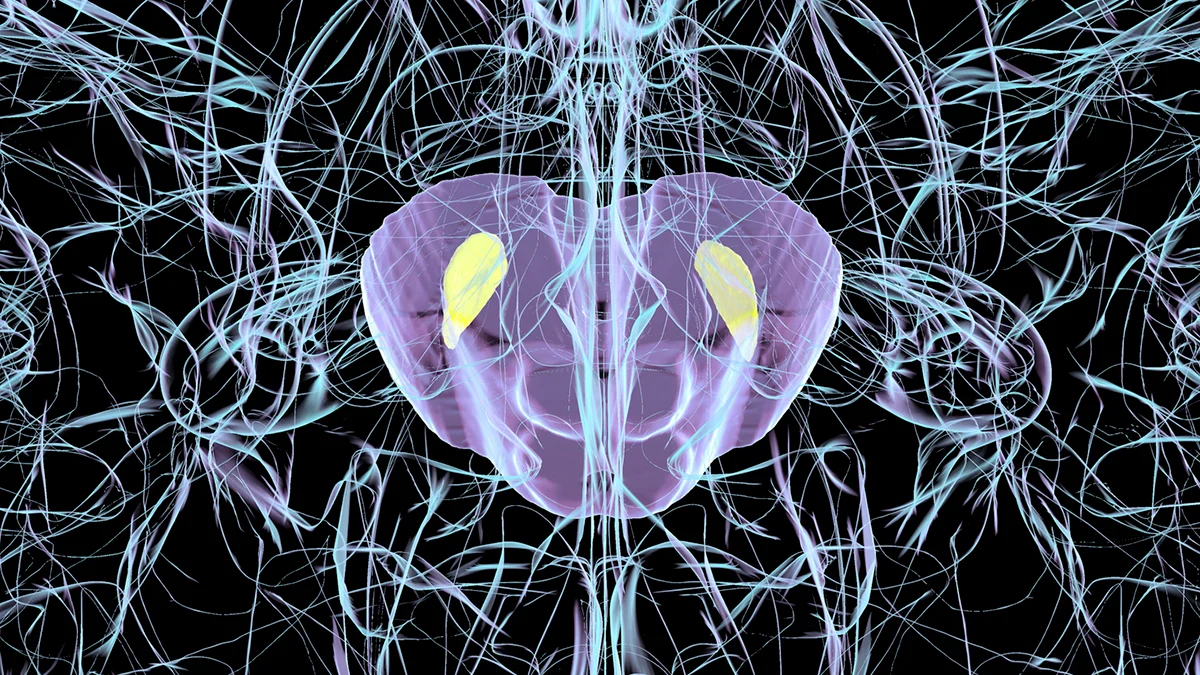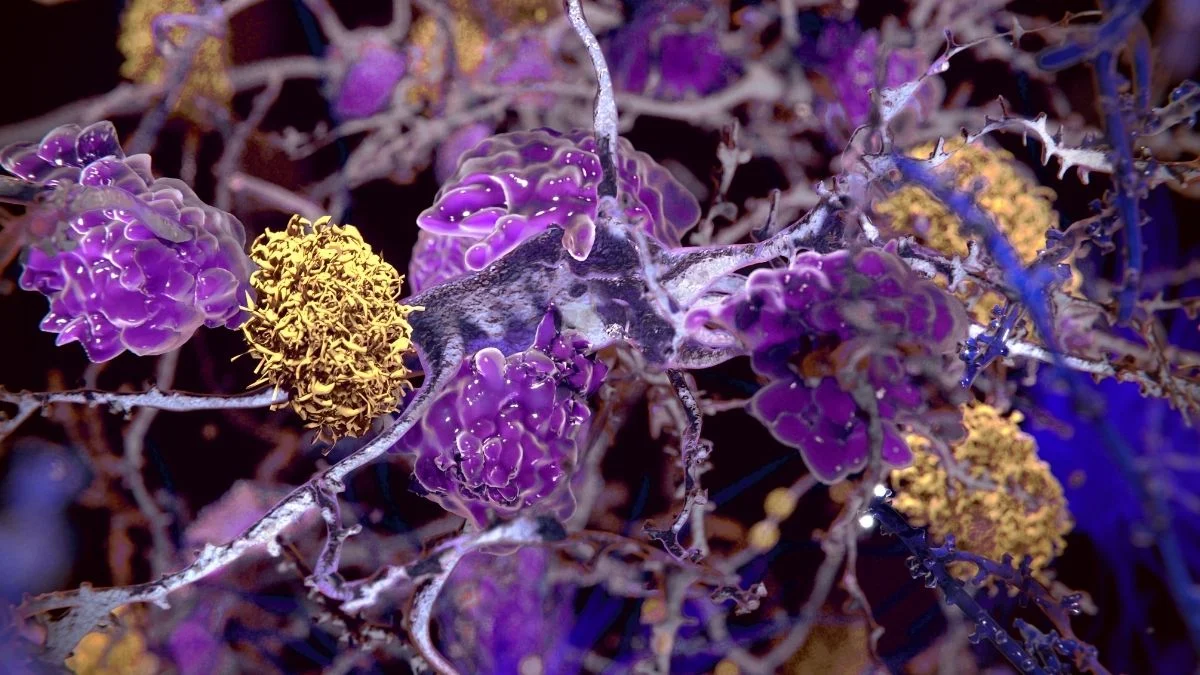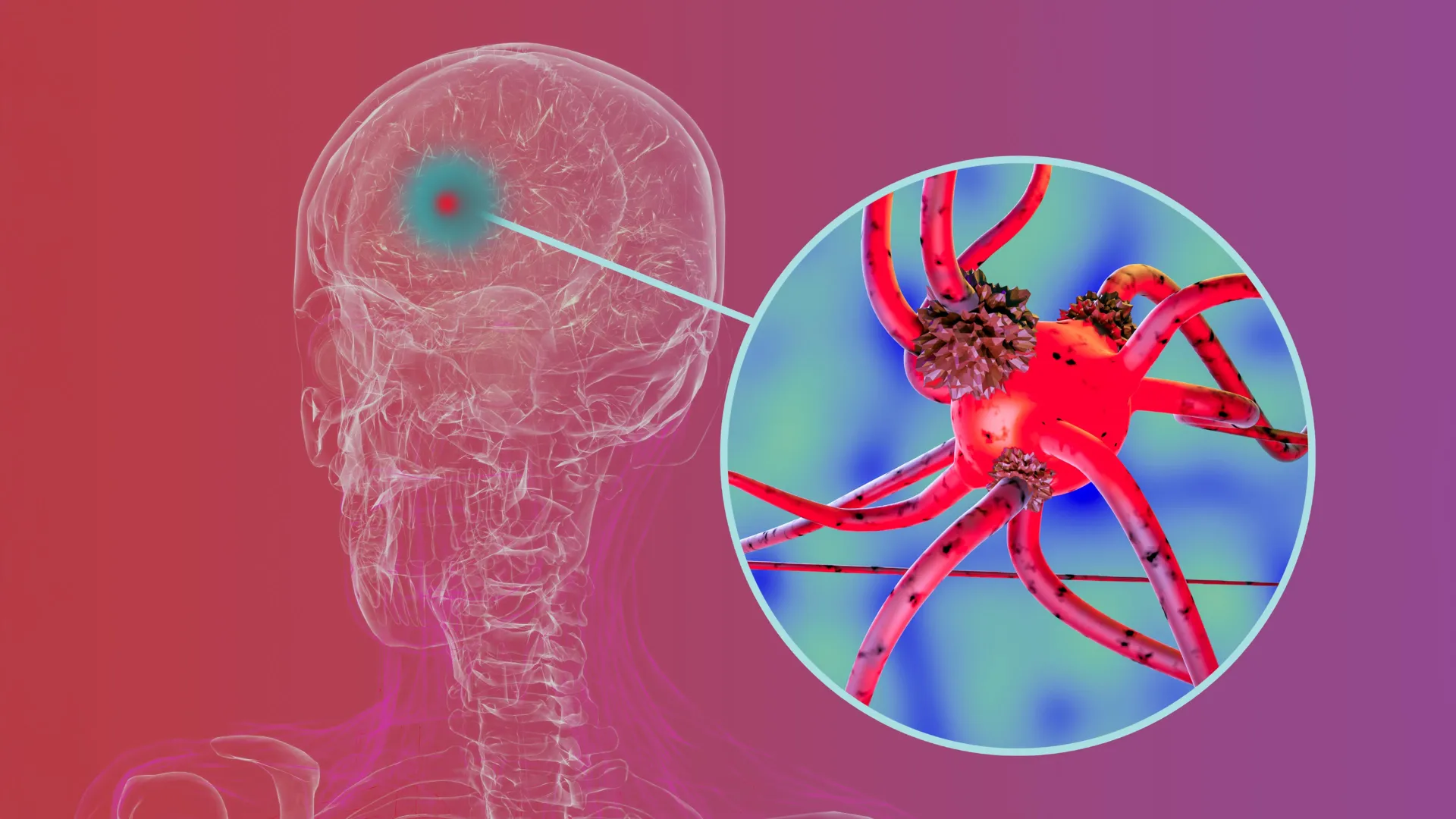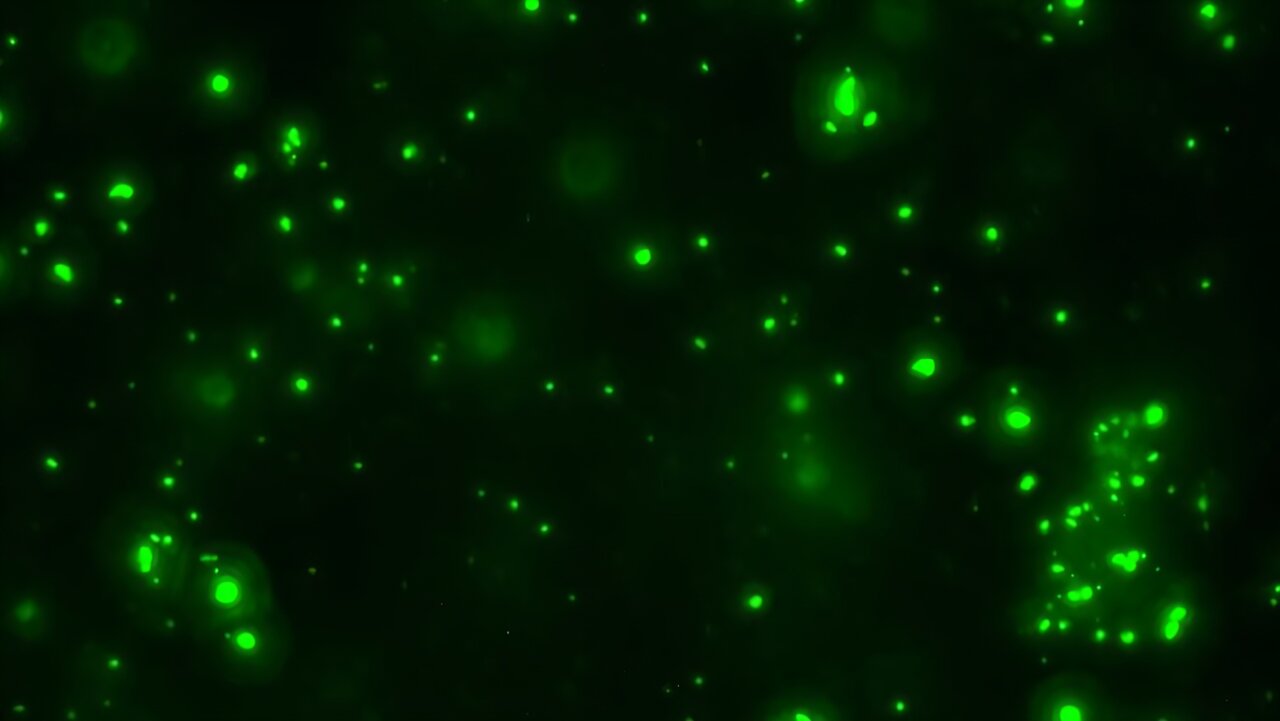
EPFL researchers developed a human neuron model that reproduces the formation of Lewy bodies, a key feature of Parkinson’s disease, allowing scientists to track how these structures emerge and damage neurons over time.One of the defining features of Parkinson’s disease is the buildup of clumps of protein inside brain cells called Lewy bodies. These structures form mainly in neurons that produce dopamine, the chemical that helps control movement.Lewy bodies contain aggregates of a protein called alpha-synuclein. In Parkinson’s disease and related disorders (“synucleinopathies”), alpha-synuclein misfolds and accumulates inside neurons, eventually forming large intracellular inclusions. These structures serve as a key hallmark of the disease.But despite decades of research, scientists have lacked experimental systems that reproduce key steps of Lewy body formation inside human neurons. “How these aggregates form, reorganize, and ultimately disrupt neuronal function remains one of the central unanswered questions in synucleinopathies,” says EPFL researcher Anne-Laure Mahul Mellier.“Most existing experimental models capture only early stages of protein aggregation and fail to reproduce the full complexity of Lewy body formation observed in patients,” she adds. “Many also rely on forcing cells to overproduce alpha-synuclein or on genetic modifications. Our goal was to develop a model that preserves the human neuronal context and allows pathology to develop in a more disease-relevant way.”Modeling Parkinson’s pathology in human neuronsMahul-Mellier, working within the group of Hilal Lashuel at EPFL, has developed a human neuronal model that faithfully reproduces the full spectrum of Lewy body pathology. The researchers used dopaminergic neurons from human induced pluripotent stem cells, which closely resemble the neurons affected in Parkinson’s disease.This makes the model especially valuable because it allows researchers to follow Parkinson’s-like pathology develop in human neurons, from the earliest signs of aggregation to stages when neurons become vulnerable and damaged.The work is published in Science Advances.Tracking the birth and growth of Lewy bodiesThe researchers exposed the human neurons to small fragments of aggregated alpha-synuclein, known as pre-formed fibrils, which seed aggregation of the cell’s own alpha-synuclein.“This approach allows researchers to initiate pathology in a controlled and reproducible manner while preserving the biological context of human neurons,” says Mahul-Mellier. “It gives us the possibility to follow, step by step, how alpha-synuclein pathology forms and progresses toward mature Lewy body-like inclusions.”The model reproduced a broad diversity of pathological structures observed in Parkinson’s disease brain tissue, capturing both early and late stages. Lewy body formation is not a simple accumulation of pathological alpha-synuclein: aggregates progressively remodel, mature, and interact with cellular components such as mitochondria and lysosomes, revealing potential drivers of neuronal dysfunction.The researchers also found that neuronal susceptibility is not uniform. Although many neurons were exposed to the same pathological trigger, only a subset developed pathology, showing that some neurons are more vulnerable than others.“For the Parkinson’s field, this is an important step forward,” says Professor Hilal Lashuel. “For the first time, we can follow the maturation of Lewy body-like pathology in human neurons and ask which stages drive toxicity, why some neurons are more vulnerable, and where therapies should intervene.”The model provides a preclinical platform for studying Parkinson’s disease mechanisms and testing strategies to protect vulnerable neurons before irreversible damage occurs.Other contributorsEPFL Lipid Cell Biology Laboratory – Kristian Gerhard Jebsen Chair in Nutrition and MetabolismEPFL Institute of PhysicsCentre de recherche du CHU de Québec Axe NeurosciencesEPFL BioEM Core Facility and Technology PlatformQatar FoundationWeill Cornell MedicineFundingEPFLIdorsia Pharmaceutical Ltd.Fondation BruCanadian Institute of Health Research (CIHR)Natural Sciences and Engineering Research Council of CanadaReferencesAnne-Laure Mahul-Mellier, Lukas van den Heuvel, Maxime Teixeira, Manel L. N. Boussouf, Gaspard Oudinot, Amélie Thonet, Davide Speri, Yllza Jasiqi, Christina Ulrich, Razan Sheta, Walid Idi, Mary Croisier, Stéphanie Clerc-Rosset, Jérôme Blanc, Graham Knott, Abid Oueslati, Hilal A. Lashuel. Recapitulating Parkinson’s pathology in human iPSC dopaminergic neurons reveals new mechanistic insights into Lewy body formation and heterogeneity. Science Advances 10 July 2026. DOI: 10.1126/sciadv.aed8851
New human neuron model shows how Parkinson's damage begins
EPFL researchers developed a human neuron model that reproduces the formation of Lewy bodies, a key feature of Parkinson’s disease, allowing scientists to track how these structures emerge and damage neurons over time.
634 words~3 min read