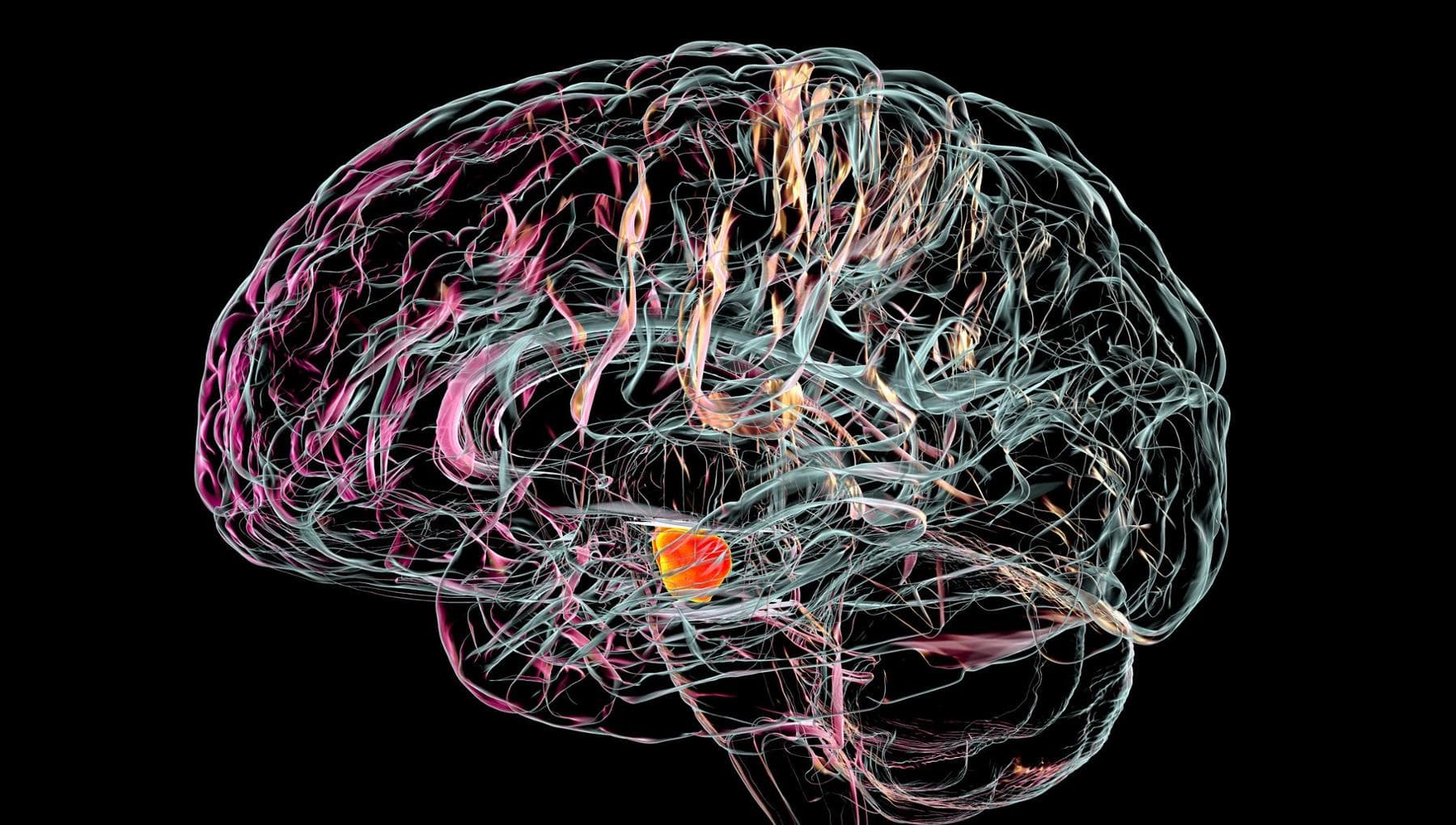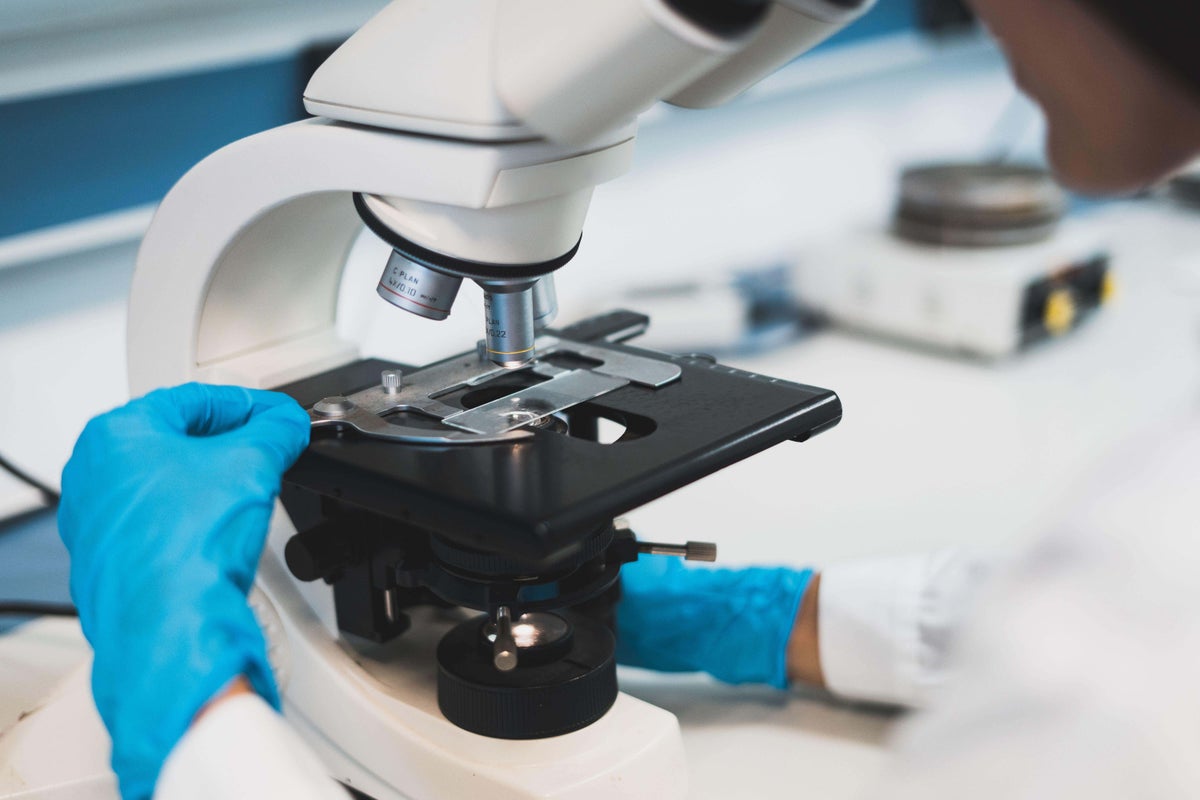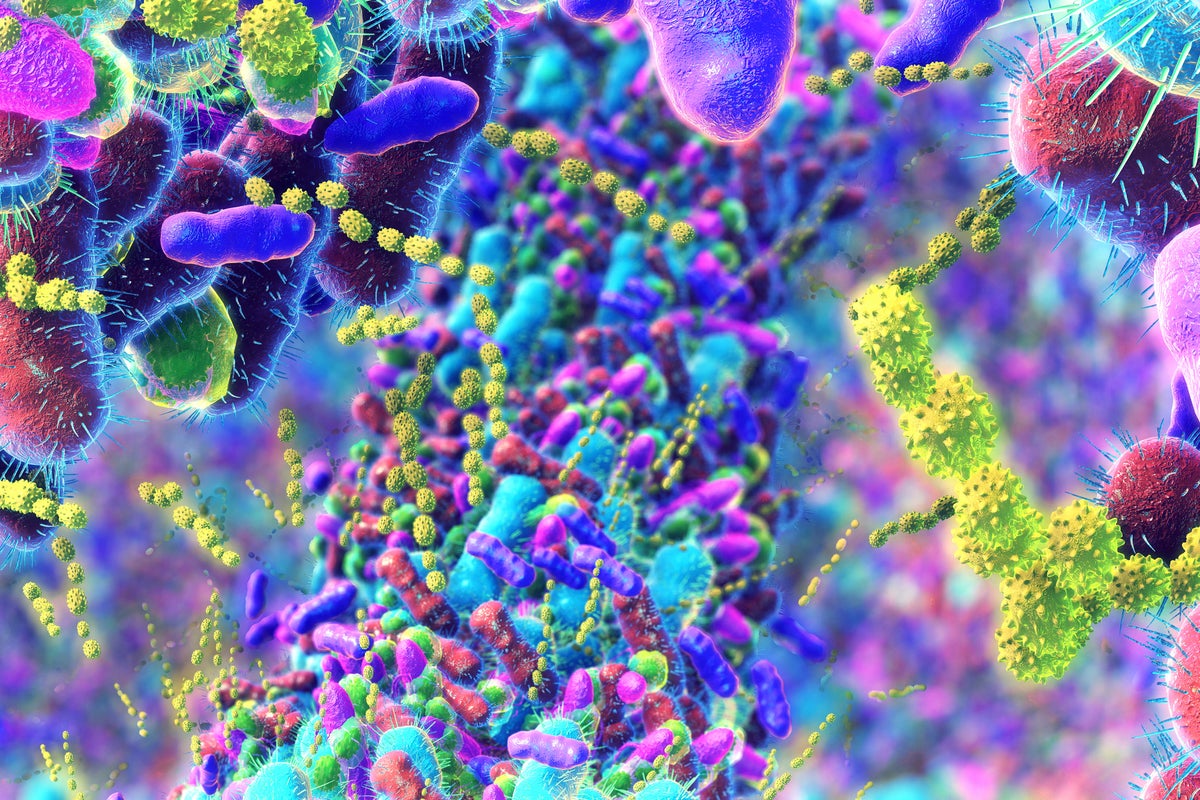
Stay up to date with notifications from The IndependentNotifications can be managed in browser preferences.Jump to contentThank you for registeringPlease refresh the page or navigate to another page on the site to be automatically logged inPlease refresh your browser to be logged inAllNewsSportCultureLifestyleScientists have developed a groundbreaking technique, ASA-PD, to visualise tiny brain clusters called alpha-synuclein oligomers, believed to trigger Parkinson's disease. The technique uses ultra-sensitive fluorescence microscopy, enabling researchers to directly observe these previously unseeable protein clumps in human brain tissue. The study found that oligomers were larger and brighter, with a unique sub-class, in brain samples from Parkinson's patients compared to healthy individuals. This breakthrough is expected to deepen understanding of Parkinson's development, potentially paving the way for new treatments and offering an "atlas of protein changes" across the brain. Experts suggest this method could also be applied to research into other neurodegenerative conditions such as Alzheimer's and Huntington's, with Parkinson's UK calling it an "important step forward". In fullParkinson’s breakthrough could unlock treatments for devastating diseaseThank you for registeringPlease refresh the page or navigate to another page on the site to be automatically logged inPlease refresh your browser to be logged in
Scientists reveal Parkinson’s research breakthrough
Stay up to date with notifications from The IndependentNotifications can be managed in browser preferences.Jump to contentThank you for registeringPlease refresh the page or navigate to another page on the site to be automatically logged inPlease refresh your browser to be logged inAllNewsSportCultureLifestyleScientists have developed a groundbreaking technique, ASA-PD, to visualise tiny brain clusters called alpha-synuclein oligomers, believed to trigger Parkinson's disease. The technique uses ultra-sensitive fluorescence microscopy, enabling researchers to directly observe these previously unseeable protein clumps in human brain tissue. The study found that oligomers were larger and brighter, with a unique sub-class, in brain samples from Parkinson's patients compared to healthy individuals. This breakthrough is expected to deepen understanding of Parkinson's development, potentially paving the way for new treatments and offering an "atlas of protein changes" across the brain. Experts suggest this method could also be applied to research into other neurodegenerative conditions such as Alzheimer's and Huntington's, with Parkinson's UK calling it an "important step forward". In fullParkinson’s breakthrough could unlock treatments for devastating diseaseThank you for registeringPlease refresh the page or navigate to another page on the site to be automatically logged inPlease refresh your browser to be logged in